Table of Contents >> Show >> Hide
- What Are Magdalenas?
- Why You’ll Love This Magdalenas Recipe
- Ingredients for Lemony Spanish Cupcakes
- Ingredient Notes That Actually Matter
- How to Make Magdalenas Step by Step
- Tips for Fluffy, Bakery-Style Magdalenas
- Olive Oil or Butter: Which One Should You Choose?
- Serving Ideas
- How to Store Magdalenas
- Common Mistakes to Avoid
- Magdalenas vs. Muffins vs. Cupcakes
- Frequently Asked Questions
- Conclusion
- Experiences Related to Magdalenas Recipe: Lemony Spanish Cupcakes
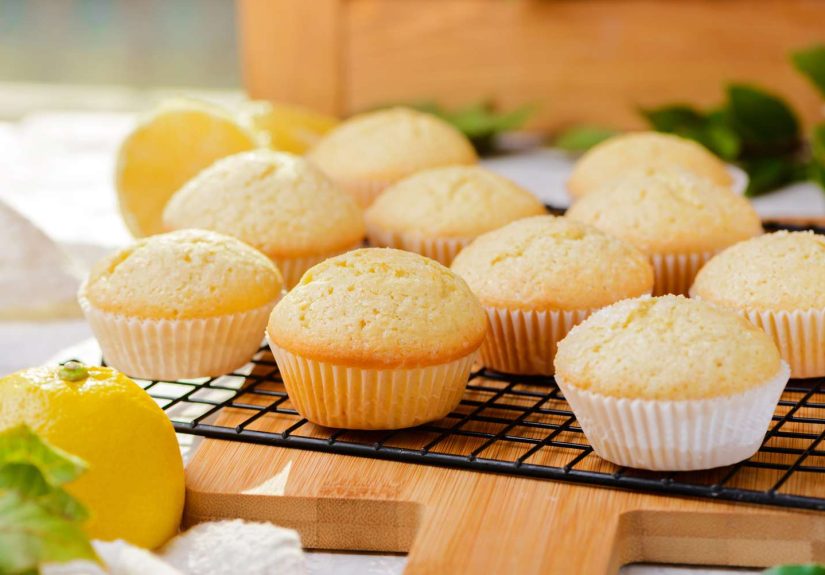
If a muffin and a tiny sponge cake went on a sunny trip to Spain and came back with better manners, brighter flavor, and a love of coffee, you would probably end up with magdalenas. These lemony Spanish cupcakes are light, tender, and delicately sweet, with a golden top that often cracks just enough to whisper, “Yes, I am worth turning on the oven for.” They are simple, charming, and dangerously easy to eat two at a time while pretending the second one is just for quality control.
In Spain, magdalenas are often treated as a breakfast or snack cake rather than a frosting-covered party cupcake. That is part of their appeal. They feel cheerful but not fussy. The crumb is soft, the lemon aroma is bright, and the sugary crown gives each bite a little sparkle. Whether you serve them with coffee, tea, or a dramatic sigh of happiness, this magdalenas recipe delivers a bakery-style result without requiring a passport, a culinary degree, or nerves of steel.
What Are Magdalenas?
Magdalenas are classic Spanish cupcakes with a texture somewhere between a fluffy muffin and a light sponge cake. They are usually flavored with lemon zest, sometimes made with olive oil, sometimes with butter, and often finished with a sprinkle of sugar on top before baking. That final sugar dusting helps create the signature crackly top that makes them look like they came straight from a neighborhood bakery window.
Unlike American cupcakes, magdalenas are not built around frosting. They are more casual, more breakfast-friendly, and honestly much easier to keep around the house without launching a full dessert event. Their charm lies in their simplicity: eggs, sugar, flour, baking powder, milk, citrus zest, and a good fat to keep the crumb moist. The result is bright, tender, and wonderfully unfussy.
Why You’ll Love This Magdalenas Recipe
- Big lemon flavor without tasting sharp or sour.
- Soft, fluffy texture thanks to well-aerated eggs and gentle mixing.
- Simple pantry ingredients you may already have at home.
- No frosting needed, which means less work and fewer sticky regrets.
- Perfect for breakfast, brunch, or snack time when cookies feel too small and cake feels too serious.
Ingredients for Lemony Spanish Cupcakes
This version is inspired by traditional magdalenas but adapted for a dependable home-kitchen method.
For the batter
- 3 large eggs, room temperature
- 3/4 cup granulated sugar
- 1 tablespoon finely grated lemon zest
- 1/2 cup light olive oil or melted unsalted butter, cooled slightly
- 1/4 cup whole milk, room temperature
- 1 3/4 cups all-purpose flour
- 2 teaspoons baking powder
- 1/4 teaspoon baking soda
- 1/4 teaspoon fine salt
- 1 teaspoon vanilla extract (optional, but lovely)
For the classic top
- 2 to 3 tablespoons granulated sugar
Ingredient Notes That Actually Matter
Lemon zest: This is where the personality lives. Use fresh lemon zest, not bottled lemon flavoring. The zest gives magdalenas their bright aroma without making the crumb too wet.
Olive oil vs. butter: Both are traditional enough to earn a seat at the table. Olive oil gives you a moist, tender crumb and a subtle Mediterranean character. Butter brings a slightly richer, more familiar cake flavor. If you want a more authentic-feeling Spanish bakery vibe, use a mild olive oil. If you want a softer “cake shop meets brunch” profile, use melted butter.
Room-temperature ingredients: They blend more smoothly and help create a lighter batter. Cold eggs and milk can make the mixture less cooperative, and nobody wants a sulky cupcake.
How to Make Magdalenas Step by Step
1. Prep the pan and oven
Preheat your oven to 375°F. Line a standard muffin pan with paper liners. If you want extra domed tops, fill every other cup rather than every single cavity. Give yourself a little airflow advantage. Tiny tricks, big payoff.
2. Whisk the dry ingredients
In a medium bowl, whisk together the flour, baking powder, baking soda, and salt. This helps distribute the leavening evenly so your cupcakes rise like they planned it.
3. Beat the eggs and sugar
In a large bowl, beat the eggs and sugar until the mixture looks pale, thick, and fluffy. This usually takes about 3 to 5 minutes with a hand mixer. You are building air here, and air is what helps these little cakes bake up light instead of heavy. Add the lemon zest and vanilla, then mix briefly.
4. Stream in the oil and milk
With the mixer on low, slowly add the olive oil or melted butter, then the milk. Mix until smooth. The batter should look glossy and cohesive, not broken or curdled.
5. Fold in the dry ingredients gently
Add the dry ingredients to the wet mixture and fold just until no dry streaks remain. Do not overmix. This is cupcake batter, not a personal grudge. A few tiny lumps are perfectly acceptable and often helpful.
6. Fill and sugar the tops
Spoon the batter into the lined muffin cups until about two-thirds full. Sprinkle each one with a little granulated sugar. This is the easiest fancy move in the recipe, and it helps create that classic crackly, lightly crisp top.
7. Bake until golden and domed
Bake for 16 to 20 minutes, or until the tops are golden and a toothpick inserted in the center comes out clean or with a few moist crumbs. Let them cool in the pan for about 5 minutes, then move them to a wire rack.
Tips for Fluffy, Bakery-Style Magdalenas
Beat enough air into the eggs
If your egg-and-sugar mixture looks pale and airy, you are on the right path. This step helps create a soft, lofty crumb and gives the cakes more lift in the oven.
Mix by hand once the flour goes in
Once the dry ingredients are added, switch to a spatula if possible. Gentle mixing keeps the texture tender and prevents the crumb from turning tough.
Use paper liners
Magdalenas are delicate enough that liners make life easier. They help prevent sticking, make cleanup less annoying, and give the finished cupcakes that classic café-bakery look.
Don’t skip the sugar on top
The sprinkle of sugar is not just decoration. It adds texture, sparkle, and that old-school magdalena personality. Without it, they are still good. With it, they are suddenly wearing a much better outfit.
Cool them properly
Let them rest briefly in the pan, then transfer them out so the bottoms do not steam and soften too much. That small move keeps the texture better from top to bottom.
Olive Oil or Butter: Which One Should You Choose?
If you are chasing tradition, a mild olive oil is a beautiful choice. It keeps the crumb moist and gives the cakes a subtle depth that pairs especially well with lemon zest. If you are baking for people who think olive oil in cake sounds suspicious, use butter and tell them the secret later. Either route works. The recipe is forgiving enough to let you choose your own citrusy adventure.
For a balanced version, some bakers even use half olive oil and half melted butter. That gives you moisture plus buttery flavor, which is a deeply persuasive combination.
Serving Ideas
Serve magdalenas slightly warm or fully cooled. They are excellent with coffee, tea, hot chocolate, or a simple brunch spread that includes fruit and yogurt. They also make a charming not-too-sweet dessert when dusted lightly with powdered sugar. If you want to dress them up, add a spoonful of whipped cream and fresh berries. If you want to keep things traditional, just hand one over with coffee and let the lemon aroma do the talking.
How to Store Magdalenas
Once completely cool, store the cupcakes in an airtight container at room temperature for up to 3 days. They can also be frozen for up to 2 months. If freezing, wrap them well and thaw at room temperature. A few seconds in the microwave can bring back that just-baked softness, though it may slightly soften the sugary top.
Common Mistakes to Avoid
- Overmixing the batter: This can make the crumb dense or tough.
- Using cold ingredients: They do not combine as smoothly and can affect lift.
- Under-zesting the lemon: Lemon juice alone is not enough for that signature aroma.
- Overbaking: A dry magdalena is a sad magdalena.
- Leaving them in the pan too long: That can make the bottoms soggy.
Magdalenas vs. Muffins vs. Cupcakes
This is where things get deliciously blurry. Magdalenas resemble muffins in shape and practicality, but their texture often feels lighter and more cake-like. They resemble cupcakes in tenderness, but they are less sweet and usually unfrosted. Think of them as the breezy Spanish cousin who arrives late, smells like lemon, and somehow looks effortlessly put together.
That is why they work so well for modern bakers. They are special enough to feel memorable, but simple enough to make on an ordinary weekend morning.
Frequently Asked Questions
Can I make magdalenas without olive oil?
Yes. Melted butter works beautifully and creates a slightly richer flavor.
Can I add lemon juice?
Yes, but use it carefully. A small amount can boost the citrus flavor, but too much extra liquid can change the texture. The zest is the safer flavor powerhouse.
Can I make them ahead?
Absolutely. They are best the day they are baked, but they stay very good for a couple of days if stored properly.
Do magdalenas need frosting?
Nope. Frosting would make them less traditional and more cupcake-cupcake. Their identity is in the fluffy crumb and sugar-crackled top.
Conclusion
This Magdalenas Recipe: Lemony Spanish Cupcakes proves that a humble little bake can still feel elegant, memorable, and wildly snackable. With bright lemon zest, a tender crumb, and that classic sugar-dusted top, magdalenas bring a cheerful bakery energy to your kitchen without demanding complicated ingredients or fancy technique. Make them for brunch, make them for guests, or make them because it is Tuesday and life improves when your kitchen smells like lemon cake. All are valid reasons.
Experiences Related to Magdalenas Recipe: Lemony Spanish Cupcakes
There is something oddly comforting about baking magdalenas that goes beyond the finished dessert. The experience starts with the smell of lemon zest hitting the bowl, which instantly makes the kitchen feel cleaner, brighter, and somehow more optimistic. Before the batter is even finished, the mood changes. It no longer feels like you are just following a recipe. It feels like you are building a small, edible ceremony around warmth, scent, and patience.
One of the most memorable things about making lemony Spanish cupcakes at home is how quickly they reward you. Bread asks for commitment. Layer cake asks for emotional stability. Magdalenas? They mostly ask that you whisk with purpose and resist the urge to overmix. In return, they give you golden domes, fragrant steam, and the kind of cozy satisfaction that makes people mysteriously appear in the kitchen asking, “What are you baking?” as if they were not absolutely lured in by citrus vapor.
They also have a way of fitting into different kinds of days. On a slow weekend, magdalenas feel elegant enough for a brunch table with fruit, coffee, and cloth napkins that suddenly make you seem like a much more organized person than you really are. On a busy weekday, they can be the snack you grab at 3 p.m. when your brain has stopped cooperating and only cake adjacent solutions remain. They are cheerful without being over-the-top, which makes them feel right for ordinary life instead of reserved for special occasions.
Many home bakers also end up attached to the visual part of the experience. Watching the sugar on top melt, settle, and crackle as the cakes rise is deeply satisfying. It is a small transformation, but it feels dramatic in the best way. You slide the pan into the oven with pale batter and nervous hope, and a short time later you pull out something that looks bakery-worthy, with rounded tops and a color that seems to belong in a travel magazine. That moment never gets old.
The texture adds to the memory. A good magdalena is light but not empty, tender but not fragile, sweet but not exhausting. It is the kind of bake that makes people pause after the first bite and go in for a second, more thoughtful one. That second bite is important. It is where they notice the lemon, the soft crumb, and the slight crunch of sugar on top. It is where a simple recipe stops being “nice” and becomes “please save me another one.”
Perhaps the best experience of all is sharing them. Because they are individually portioned, magdalenas feel naturally generous. They are easy to pack, easy to offer, and easy to leave on a plate for family, friends, neighbors, or guests. They do not need frosting, plates, or a speech. They just need a napkin and maybe a cup of coffee nearby. In that way, magdalenas are not only delicious; they are social. They invite conversation, second helpings, and the kind of kitchen memory that sticks around long after the crumbs disappear.