Table of Contents >> Show >> Hide
- Why Picky Eating Happens (And Why It’s Not Always “Bad Parenting”)
- The Uncle’s “Clever Tricks”: What Actually Works With Picky Eaters
- The Parenting Gold Standard: Who Decides What at Meals?
- So Why Did It Backfire? Because Food Success Creates Expectations
- How to Set Boundaries When Family Wants Free Meals
- How to Teach the Sister the Tricks (So Everybody Wins)
- What If Everyone’s Right (and Everyone’s Also a Little Wrong)?
- When to Get Professional Help for Picky Eating
- Conclusion: The Real Trick Isn’t the FoodIt’s the Boundary
- Extra: of Real-World Experiences Related to This Topic
- SEO Tags
There are two kinds of family members: the ones who say “Thank you for dinner,” and the ones who say,
“So… you’re doing this every night now, right?” If you’ve ever successfully gotten a picky eater to try a vegetable,
you already know which type is rarer.
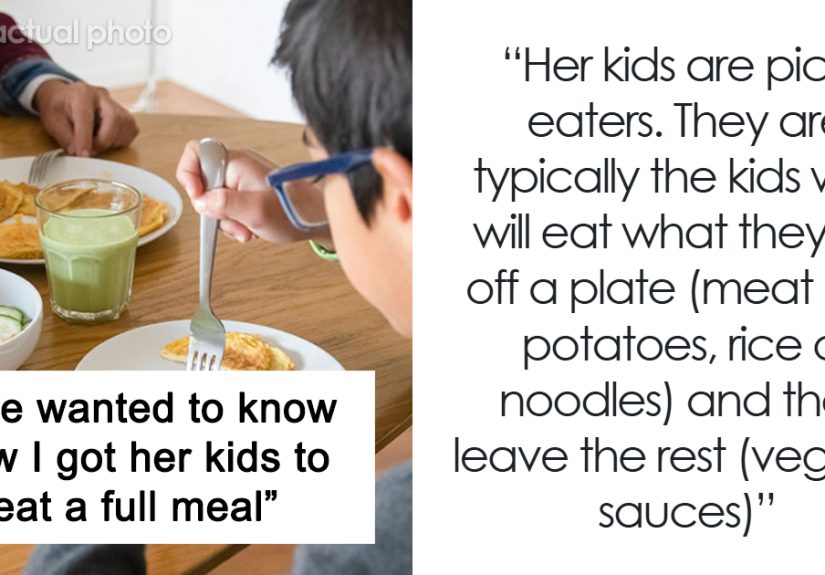
In today’s cautionary (and painfully relatable) tale, an uncle discovers that his niblings (the delightfully efficient
word for nieces and nephews) will eat actual food when it’s served with the right mix of creativity and low-pressure charm.
Victory! Confetti! Broccoli consumed!
But then the plot twists: his sister decides those successful dinners should become an ongoing service, preferably delivered daily,
preferably free, and preferably with zero consideration for groceries, time, or the fact that he is not a subscription meal kit.
His clever tricks work on the kids… but they backfire on him.
Why Picky Eating Happens (And Why It’s Not Always “Bad Parenting”)
First, a reality check: picky eating is extremely common, especially in toddlers and younger kids. A lot of children go through
a phase where new foods are treated like suspicious strangers who just showed up at the door asking to borrow a charger.
This is often tied to “food neophobia,” which is a normal developmental caution around unfamiliar foods.
Genetics can play a role, too. Some kids are naturally more sensitive to taste, smell, texture, and even the look of food.
That means one child sees a roasted carrot and thinks “yum,” while another sees the same carrot and thinks “tiny orange sponge of betrayal.”
When picky eating is “normal” vs. when it’s a red flag
Most picky eating is a phase and can improve with steady routines and a calm approach. But there are times when it’s worth checking in
with a pediatrician or a feeding specialist, especially if a child is losing weight, not growing as expected, gagging or choking,
experiencing intense fear around eating, or their limited diet is causing nutritional concerns.
A label you may hear in more severe cases is ARFID (Avoidant/Restrictive Food Intake Disorder), which is different from standard picky eating.
The key difference is impact: ARFID can significantly affect nutrition, growth, or daily functioning.
The Uncle’s “Clever Tricks”: What Actually Works With Picky Eaters
The funniest part about “getting kids to eat” is that it often looks less like a battle and more like gentle stage magic:
you’re not forcing anything, you’re just lowering the drama and raising the curiosity.
Here are picky eater tricks that commonly work because they reduce pressure, increase familiarity, and let kids feel in control
(without turning dinner into a hostage negotiation).
1) Make food feel predictable and safe
Many picky eater kids do better when meals have a familiar “anchor” food (something they reliably eat) alongside a small portion of something new.
This isn’t “giving in.” It’s creating a calm environment where trying something new doesn’t feel risky.
2) Use repeated exposure without pressure
Kids often need many low-stress exposures to a new food before they accept it. “Exposure” can be as simple as seeing it on the plate
repeatedly, smelling it, touching it, or watching trusted adults eat it.
3) Rename foods (yes, really)
Is it “spinach”? Hard pass. Is it “Hulk Leaves” or “Green Power Confetti”? Suddenly we have interest.
Naming tricks don’t work forever, but they can help kids approach food with curiosity instead of suspicion.
4) Deconstruct the meal
A picky eater may reject a casserole on sight but happily eat the exact same ingredients if they’re separated.
Try taco plates, “snack trays,” or build-your-own bowls where kids can assemble food themselves.
5) Add dips and “side quests”
Dips are the great equalizer. Hummus, ranch, yogurt-based sauces, peanut butter, or even a little ketchup can help a child
experiment with new textures and flavors. Think of dips as training wheels, not moral failure.
6) Let kids participate (within reason)
Kids who help rinse veggies, stir sauces, or choose between two options (“carrots or cucumbers?”) often feel more willing to taste.
Participation turns food from a surprise into a project.
7) “Sneaking” veggies: helpful tool or trust breaker?
This is where families split into two camps. Some adults love blending vegetables into sauces or baking with added fiber.
It can boost nutrition, especially when kids are in a very limited-food season.
The caution: if a child feels tricked, it can backfire. Many experts prefer a balanceuse hidden veggies as a support strategy
while also building openness to visible fruits and vegetables through low-pressure exposure and modeling.
The Parenting Gold Standard: Who Decides What at Meals?
One of the most useful frameworks parents and caregivers use is sometimes described like this:
adults decide what is served, when it’s served, and where the meal happens;
kids decide whether they eat and how much.
This approach can lower power struggles, reduce mealtime stress, and support healthier long-term eating habits.
It’s also a sanity saver, because nobody thrives when dinner becomes a nightly courtroom drama.
So Why Did It Backfire? Because Food Success Creates Expectations
Here’s what happened emotionally:
- Uncle: “I’m happy I helped! This was a nice one-time win.”
- Sister: “We have a system now. The system is you.”
- Kids: “We like Uncle’s food. Also we like cartoons.”
It’s easy for a parent who’s exhausted by picky eating to latch onto the one person who made dinner feel easy.
But “relief” can turn into entitlement if boundaries aren’t clear. Cooking for family can be a loving gestureuntil it becomes
an unpaid job with performance reviews.
The hidden costs behind “just feed them”
- Money: groceries are expensive, and kid-friendly meals can add up fast.
- Time: planning, prepping, cooking, and cleaning isn’t a quick favorit’s labor.
- Mental load: remembering preferences, textures, and “today we hate bananas” rules is exhausting.
- Opportunity cost: your time could be used for your own work, rest, or, you know, having a life.
How to Set Boundaries When Family Wants Free Meals
The fix isn’t to become colder; it’s to become clearer. Boundary setting can feel awkward, especially with siblings,
but it’s how you protect your relationship long-term.
Step 1: Name what you’re willing to do (and what you’re not)
Try a simple, calm statement:
“I love cooking for the kids sometimes, but I can’t do daily meals. I’m happy to do it occasionally.”
Step 2: Offer options that aren’t “yes” or “no”
If you want to keep goodwill without becoming the family cafeteria, give structured choices:
- Option A: “I can cook one night a week.”
- Option B: “I can share recipes and a grocery list so you can repeat the meals at home.”
- Option C: “If you want me to meal prep, you cover groceries and we agree on a fair fee for my time.”
Step 3: Use the magic phrase: “That doesn’t work for me”
You don’t need a courtroom-level defense. You can repeat:
“I can’t do that. That doesn’t work for me.”
Then stop talking. Silence is a complete sentence with excellent posture.
Step 4: Don’t negotiate with guilt
Some family members will respond to boundaries with pressure: “But you’re so good at it!” or “The kids only eat for you!”
That’s emotional flattery with a side of obligation.
You can acknowledge the compliment without accepting the assignment:
“I’m glad it helped. I’m still not able to do it daily.”
How to Teach the Sister the Tricks (So Everybody Wins)
The most sustainable solution is transfer of skill. If the uncle’s techniques work, the family should copy themwithout turning him
into unpaid staff.
A “repeatable” picky eater meal plan
- Pick 3 safe meals the kids reliably eat (even if they’re repetitive).
- Add one “learning food” on the side in tiny portions (a bite-size exposure).
- Use a routine: same meal times, consistent snack schedule, fewer surprise battles.
- Model eating: adults eat the vegetables, casually and without commentary.
- Keep it neutral: no bribes, no threats, no “one more bite or else.”
Easy “uncle-style” meals that many picky eaters tolerate
- Taco plates (meat/beans, cheese, tortilla, lettuce, salsa on the side)
- Pasta bar (plain noodles + optional sauce + optional add-ins)
- Snack trays (fruit, crackers, cheese, sliced veggies, dip)
- Breakfast-for-dinner (eggs, toast, fruit, yogurt)
- Build-your-own bowls (rice + protein + toppings, all separate)
What If Everyone’s Right (and Everyone’s Also a Little Wrong)?
Let’s be fair: a parent dealing with picky eating can be drained, worried, and desperate for anything that works.
Wanting help isn’t villain behavior.
But demanding free meals as an expectation crosses the line from “support” into “using your sibling as a resource.”
The uncle isn’t wrong to say no. In fact, saying no may be the healthiest thing he can dobecause resentment is a terrible seasoning.
A compromise that protects family peace
- Set a frequency: “I’ll cook for them twice a month.”
- Share costs: sister buys groceries, uncle cooks when available.
- Make it teachable: one cooking session together so she can replicate the meals.
- Keep it kid-focused: celebrate progress without making food a control battle.
When to Get Professional Help for Picky Eating
This article is for general information, not medical advice. Still, it’s worth repeating: some feeding challenges go beyond picky habits.
If a child’s eating is causing significant stress, growth issues, nutritional problems, or intense fear, it’s smart to involve a pediatrician
or a feeding specialist. Early support can help prevent long-term struggles.
Conclusion: The Real Trick Isn’t the FoodIt’s the Boundary
The uncle’s clever tricks worked because they respected how kids learn to eat: repeated exposure, low pressure, and a little fun.
The backfire happened because adults sometimes confuse “helpful favor” with “new permanent job.”
If you’re the uncle in this story, your mission is to protect your time and your relationship by setting clear expectations.
If you’re the parent in this story, your mission is to learn the strategies, keep meals calm, and ask for help in a way that respects
the other person’s life.
Because the goal isn’t to win dinner. The goal is to raise kids who can eat, families who can talk, and siblings who don’t end up fighting
over a plate of “Hulk Leaves.”
Extra: of Real-World Experiences Related to This Topic
Families run into this exact kind of situation more often than people admit, partly because picky eating makes everyone a little weird.
Not “ha-ha” weirdmore like “why am I negotiating with a four-year-old about a single pea?” weird. Here are a few common experiences
people describe when a helpful food moment turns into a boundary moment.
Experience 1: The “Cool Aunt/Uncle Effect”
A lot of kids eat better for the “fun” adult. It’s not because that adult has magical cooking powers. It’s because the dynamic is different.
Parents carry the weight of routines, rules, and worry. Aunts and uncles often bring novelty and low pressure. Dinner becomes an activity,
not a performance. Kids sense that shift immediatelythen suddenly they’re willing to taste the same vegetable they refused at home.
Parents sometimes interpret this as “You have the secret,” and they feel relief. The mistake is turning relief into expectation.
Experience 2: The Hidden Labor Nobody Sees
People who cook well for picky eater kids usually do invisible prep: cutting things small, separating textures, planning “safe” foods,
and keeping backup options. They also do cleanup. When another adult says “Just make extra for my kids,” it can feel like a small request
while quietly doubling someone’s workload. Many families learn (the hard way) that the fair version of “make extra” is:
“I’ll bring the groceries, containers, and I’ll clean up afterward.”
Experience 3: The ‘Free Meals’ Spiral
One week it’s a favor. The next week it’s assumed. Then it becomes a routine, and finally it becomes resentment. People often say they didn’t mind
helping at first, but the tone changed: it stopped being gratitude and started being entitlement. The quickest way to stop the spiral is to set a rule
earlylike “I can help occasionally” or “I’m happy to cook if you cover the ingredients.” Boundaries feel uncomfortable for five minutes;
resentment lasts for months.
Experience 4: Teaching Beats Rescuing
Families who navigate this best usually shift from “Can you do it for me?” to “Can you show me how you do it?” One cooking session together can
transfer the skills: the silly food names, the snack-tray setup, the “one new food next to a safe food” strategy, the dip options, and the calm script
when a kid refuses. When parents learn the approach, kids get consistency across householdswhich often helps more than the occasional superhero meal.
Experience 5: The Best Outcome
The happiest version of this story ends with everyone keeping their dignity: the uncle still cooks sometimes (because he wants to),
the sister stops demanding and starts planning, and the kids keep building confidence with food. The food trick wasn’t “sneak vegetables.”
The real trick was cooperation: fair cost-sharing, realistic expectations, and boundaries strong enough to protect the relationship.