Table of Contents >> Show >> Hide
- Why 2023 Was Such a Big Year for Color
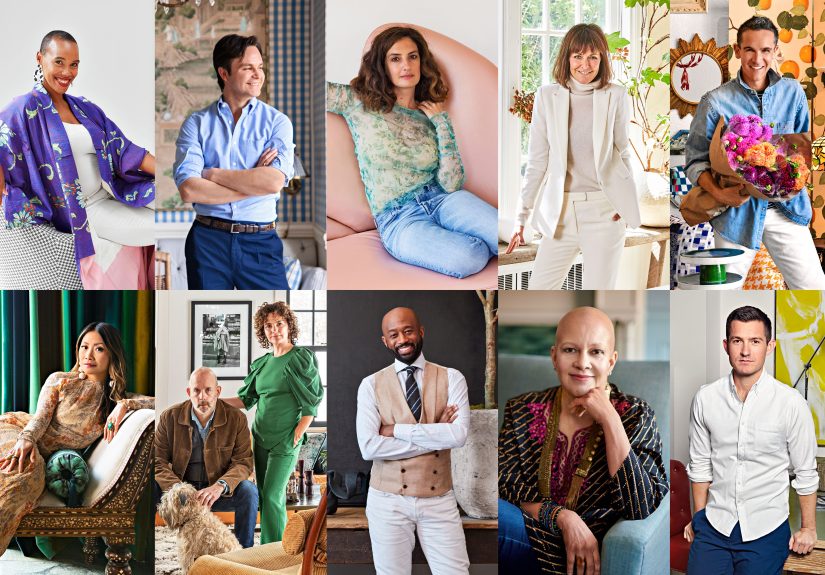
- Meet the 10 Designers Who Made Color Look Easy
- 1. Danielle Fennoy: The Queen of Color Blocking With a Pulse
- 2. Mark D. Sikes: Blue-and-White, But Make It Eternal
- 3. Leanne Ford: Proof That White Is Absolutely a Color
- 4. Sheila Bridges: Historic Color With Modern Nerve
- 5. Nick Olsen: Bold Color Needs Boundaries
- 6. Hendricks Churchill: Architectural Color for Real Life
- 7. Peti Lau: Jewel Tones, No Apologies
- 8. Patrick Mele: Citrus, Pastels, and Controlled Tension
- 9. Mikel Welch: Earthy Neutrals That Never Feel Flat
- 10. Jessica Ayromloo: The Art of the Happy Clash
- What These Color Stars Teach Us
- The Experience of Living With More Color
- Final Thoughts
- SEO Tags
If 2022 was the year people cautiously flirted with color, 2023 was the year they finally texted it back. Loudly. Interior design in 2023 did not whisper from the corner in a safe greige sweater. It walked in wearing jewel tones, layered whites, sun-soaked yellows, historic blues, earthy browns, and the occasional deliciously dramatic plum. In other words, color stopped being a supporting character and grabbed the lead role.
That is exactly why Meet Our 2023 Color Stars: 10 Designers Expertly Decorating with Color feels so timely. The designers in this group are not using color as decoration in the flimsy, throw-pillow-only sense. They use it as architecture, emotion, rhythm, and storytelling. Some go bold with lacquered walls and vibrant ceilings. Others prove that white, brown, or muted blue can still feel rich when layered with texture and intention. Together, they show that decorating with color is not about bravery for bravery’s sake. It is about knowing what a room should feel like, then letting color do the heavy lifting.
Below, we meet the 10 designers who turned 2023 into a master class in color confidence. Their styles are different, their palettes are wildly varied, and that is exactly the point. There is no single “right” way to decorate with color. There is only the smart way: use it on purpose, use it with balance, and use it in a way that makes your home feel less like a catalog and more like a place where actual interesting humans live.
Why 2023 Was Such a Big Year for Color
Before diving into the designers, it helps to understand the mood of 2023 interiors. Across the design world, the year’s color conversation split into two equally fun camps. On one side were bold, charismatic hues: juicy red-orange, magenta, sapphire, teal, and optimistic yellow. On the other were warm, grounding neutrals: blush-beige, creamy white, brown-gray, deep earthy taupe, and nature-based greens. The common thread was emotional impact. Even softer shades were chosen because they felt comforting, soulful, restorative, or quietly luxurious.
That wider color landscape made room for all kinds of decorating personalities. You could embrace the fearless energy of statement shades, or lean into neutrals that felt warmer and more layered than the chilly gray schemes that ruled for years. Either way, 2023 rewarded homes with point of view. Safe was out. Memorable was in. The designers on this list understood that shift better than anyone.
Meet the 10 Designers Who Made Color Look Easy
1. Danielle Fennoy: The Queen of Color Blocking With a Pulse
Danielle Fennoy approaches color like a floor plan with feelings. Her work shows that color blocking is not about randomly painting one wall and calling it a moment. It is about creating distinct emotional zones within a space. A dining area becomes a destination. A transition wall becomes a focal point. A ceiling becomes the surprise that makes guests look up and say, “Well, that was rude of me not to think of that.”
What makes her style work is hierarchy. Fennoy knows when one statement needs to dominate and when the rest of the room should step back and behave. She also loves unexpected pairings, especially combinations that mix mood with spark, such as deep dusty blues with brighter pops or moody plum beside electric green. Her lesson is simple: bold color works best when your eye clearly understands where to land first.
2. Mark D. Sikes: Blue-and-White, But Make It Eternal
Mark D. Sikes reminds us that a classic palette becomes powerful when treated with discipline. His signature blue-and-white rooms feel crisp, tailored, and deeply livable, not nautical in a cheesy-anchor way. His trick is consistency. He chooses undertones carefully, then carries a version of that blue throughout the home so every room feels connected.
This is one of the smartest lessons in the bunch. Decorating with color does not always mean adding more colors. Sometimes it means choosing one family and repeating it with enough variety to create movement. A pale blue wall here, a deeper blue textile there, stripes in one room, solids in the next. That repetition creates continuity without boredom.
3. Leanne Ford: Proof That White Is Absolutely a Color
Some people hear “decorating with color” and assume white has been disqualified. Leanne Ford would like a word. Her interiors make the case that white can be just as expressive as emerald or coral when used with texture, tone, and conviction. Warm creamy whites bring softness to traditional rooms. Cleaner whites sharpen modern spaces. Layer them well, and white becomes atmospheric rather than sterile.
Ford’s philosophy is refreshingly unprecious. She paints furniture, hand-me-downs, and heirlooms when that is what the space needs. The result is not rebellion for the sake of rebellion. It is cohesion. Her rooms show that color sometimes whispers, and when it does, texture has to speak louder.
4. Sheila Bridges: Historic Color With Modern Nerve
Sheila Bridges is one of the strongest examples of how color can feel rooted rather than random. Her work often draws from history, but it never gets dusty. Historical shades, in her hands, feel elegant, current, and full of cultural depth. She also understands a truth many homeowners miss: nature is one of the best color consultants you will ever hire for free.
Green with yellow, green with lilac, soft blue with white, repeated accents from room to room: these combinations work because they already exist in the world around us. Bridges uses accessories to keep palettes flowing across a house, which is a smart reminder that continuity does not require every wall to match. Sometimes a repeated shade in a lamp, pillow, trim detail, or artwork is enough to tie everything together.
5. Nick Olsen: Bold Color Needs Boundaries
Nick Olsen is not afraid of color, and thank goodness for that. His rooms embrace lacquered blues, oxblood tones, yellow, aquamarine, and plenty of high-energy attitude. But the reason his spaces do not spin into chaos is that he builds in “visual guard rails.” Think white ceilings, black accents, natural-fiber rugs, or quieter patterns that give the eye somewhere to rest.
That is one of the most useful takeaways from the whole list. Color becomes more livable when intensity is balanced. Not every shade in a room should be shouting at once. Some can sing lead, some can harmonize, and some should politely hold the microphone stand. Olsen also makes a strong case for finish: flat, glossy, satin, semigloss. Sheen changes the whole mood.
6. Hendricks Churchill: Architectural Color for Real Life
Heide Hendricks and Rafe Churchill use color in a way that feels especially practical and clever. Instead of relying only on walls, they place color on trim, window sash, doors, and architectural outlines. That approach makes a room feel designed, not merely painted. A pale room with brighter trim can suddenly look layered, crisp, and warm without requiring a huge decorating budget.
They also emphasize transitions between rooms, which is where many homes fall apart. A beautiful room means less if the next room feels like it belongs to another family in another zip code. Their advice encourages subtle or complementary movement from one space to the next, creating a home that feels coherent and intentional from start to finish.
7. Peti Lau: Jewel Tones, No Apologies
Peti Lau treats interiors like precious stones with better lighting. Her palette is rich, sensual, and fearless, filled with sapphire, amethyst, turquoise, olive, and red-orange. Yet her work is not random maximalism. She pays close attention to temperature, choosing whether a room will lean warm or cool before mixing jewel tones within that lane.
That is what makes her rooms feel luxurious instead of messy. She understands that daring color needs structure. She also knows where mood belongs. Brighter shared spaces can feel energetic and welcoming, while bedrooms often benefit from deeper, moodier shades. Lau’s work is a lesson in commitment: once the palette is right, go all in.
8. Patrick Mele: Citrus, Pastels, and Controlled Tension
Patrick Mele is proof that cheerful color can still be sophisticated. His rooms use juicy hues and vibrant pastels without tipping into sugar overload. He likes pairing two different tones of one color family, such as sky blue with navy or mustard with citrine. That tonal tension creates rooms that feel lively but not loud.
He is also a big believer in placing colors where they will thrive. Citrus shades, for example, make more sense in bright, sunny rooms with lighter floors. That kind of practical thinking matters. The same color can feel energizing in one room and completely wrong in another. Mele’s work shows that expert decorating with color is part instinct, part lighting science, and part very good taste.
9. Mikel Welch: Earthy Neutrals That Never Feel Flat
Mikel Welch stands for the people who want color without wanting their living room to look like a bag of jelly beans exploded in it. His palette leans earthy and grounded, but never dull. Browns, warm whites, navy, charcoal, and layered textures create rooms with depth and polish. In his hands, neutral decorating is not the absence of color. It is a quieter expression of it.
Welch’s key principle is texture. Without it, neutrals can flatten fast. With it, they become rich, tactile, and deeply inviting. Bouclé, velvet, wood, metal, woven fabrics, and greenery all contribute to the story. He also advocates planning the room visually before committing, which is excellent advice for anyone who has ever purchased a paint sample with great confidence and deep regret.
10. Jessica Ayromloo: The Art of the Happy Clash
Jessica Ayromloo makes clashing colors feel charming, polished, and cool enough to deserve their own soundtrack. Pink with green, pink with orange, bold shades distributed evenly through a room, repeated pops that help the eye connect the dots: her work proves that contrast can feel balanced when it is thoughtfully repeated.
She also gives one of the most practical pieces of advice in the entire group: test a few shades above and below your original choice. Lighting changes everything. A paint color that looks sweet in theory can turn sour by 4 p.m. Ayromloo’s rooms feel fearless because they are not impulsive. They are edited, sampled, and carefully orchestrated.
What These Color Stars Teach Us
Put all 10 designers together and a few big themes emerge. First, color works best when it has a job. Maybe it defines a zone, outlines architecture, creates continuity, softens a room, or delivers a jolt of personality. Second, balance matters. Even bold rooms need neutral relief, textural variation, or tonal repetition. Third, confidence does not always mean brightness. White can be brave. Brown can be glamorous. Blue can be crisp or moody. Pink can be elegant, not just pretty.
Most of all, these designers make a convincing argument that homes should feel personal again. 2023 decorating was not about following one palette decree from the design heavens. It was about choosing colors that create an emotional response and then using them with enough intelligence that the whole space feels intentional.
The Experience of Living With More Color
Here is the part people do not always talk about in trend stories: living with color changes the experience of a home in small, daily ways. It changes how you enter a room in the morning, how long you linger in a hallway, how cozy a bedroom feels at night, and how awake you become when sunlight hits a painted wall at just the right angle. This is why the best designers do not treat color as a surface decision. They treat it like mood design.
Think about the difference between walking into a powder room painted in a bold jewel tone versus one left builder-basic beige. One feels like a quick errand. The other feels like an event. A sunny breakfast nook with citrus notes can make coffee feel more cheerful before the caffeine has even done its job. A moody blue bedroom can slow your thoughts at the end of the day better than a pile of expensive wellness products with names like “Deep Rest Cloud Ritual.”
There is also the experience of confidence. Many people think decorating with color is risky because paint feels permanent, but most of these designers argue the opposite. Paint is one of the easiest things to change. The bigger risk is living in rooms that never quite feel like you because you were trying so hard not to make a mistake. A home can be tasteful and still have a pulse.
Color also changes how rooms relate to one another. When a house has thoughtful transitions, it feels calmer to move through. You may not consciously say, “Ah yes, the repeated blue accent is carrying the visual narrative from the front room into the den,” because you are not a design robot. But you feel it. The home feels more settled, more complete, and less like a sequence of unrelated purchases.
Then there is the sensory side. Glossy paint reflects light differently from matte paint. Warm undertones make wood look richer. Cool blues can sharpen white trim. Deep colors can make large rooms feel more intimate, while pale shades with strategic contrast can make smaller spaces feel more shaped and interesting. These effects are not theoretical. They are felt in the body. That is why color decisions can be surprisingly emotional.
The best part of learning from these 2023 Color Stars is realizing you do not need a mansion, a celebrity budget, or nerves of steel to use color well. You can start with a painted door, a trim detail, a hallway ceiling, a breakfast corner, or a bedroom wall. You can repeat one trusted shade throughout the house, or try a single bold pairing and build from there. The point is not to copy a designer room exactly. The point is to borrow the confidence behind it.
In real life, that confidence often grows slowly. First you repaint one room. Then you realize it feels better. Then you notice the rest of the house looks a little sleepy by comparison. Before long, you are testing swatches, thinking about undertones, and defending your new moss-green trim to skeptical relatives like a person who has discovered a noble cause. This is how good design happens: one smart, satisfying color decision at a time.
Final Thoughts
The real magic of Meet Our 2023 Color Stars: 10 Designers Expertly Decorating with Color is that it makes color feel less intimidating and more usable. These designers are not saying every room needs to be drenched in vermilion or wrapped in aubergine. They are saying color deserves more imagination than “maybe a beige accent pillow.” Sometimes the bold move is a jewel-toned wall. Sometimes it is a historic blue. Sometimes it is a creamy white layered with texture so beautifully that nobody dares call it boring.
If 2023 taught us anything, it is this: decorating with color is not about following rules from a paint chip fan deck. It is about understanding mood, light, architecture, and personality. The best homes do not just look finished. They feel alive. And these 10 designers showed exactly how to make that happen.