Table of Contents >> Show >> Hide
- Why This Old-Fashioned Chicken Noodle Soup Recipe Still Works
- Ingredients
- How to Make Old-Fashioned Chicken Noodle Soup
- What Makes the Best Homemade Chicken Noodle Soup?
- Pro Tips for Old-Fashioned Flavor
- Common Mistakes to Avoid
- Serving Ideas
- Make-Ahead, Storage, and Reheating
- Why Old-Fashioned Chicken Noodle Soup Never Goes Out of Style
- Experiences That Make This Old-Fashioned Chicken Noodle Soup Recipe Mean More
- SEO Tags
There are trendy soups, and then there is old-fashioned chicken noodle soupthe kind that does not need a marketing team, a ring light, or a dramatic backstory. It just needs a big pot, a little patience, and the good sense to smell incredible while it simmers. This is the soup people make when the weather turns cold, when someone in the house sounds like a foghorn, or when dinner needs to feel like a warm blanket instead of another “quick meal solution.”
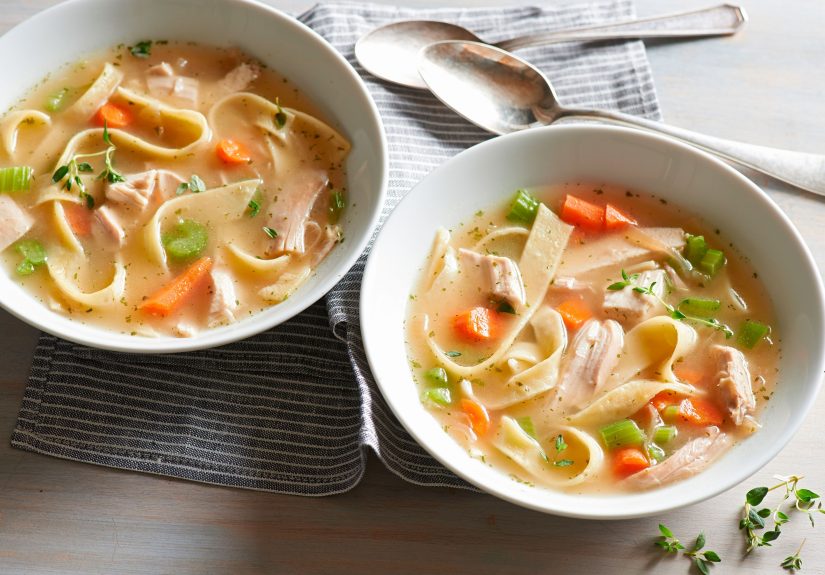
An old-fashioned chicken noodle soup recipe is not about showing off. It is about building flavor the sensible way: tender chicken, aromatic vegetables, a broth that tastes like it has a soul, and egg noodles that know their role and do not turn into mushy confetti. This version keeps all the classic comfort of homemade chicken noodle soup while giving you enough detail to make it truly delicious, not just “well, it’s hot.”
If you have ever wondered why some bowls taste rich and nostalgic while others taste like hot salted regret, the secret is usually the same: a better broth, properly cooked vegetables, and noodles added with good timing. That is what this recipe delivers. It is classic comfort food, deeply satisfying, and simple enough to make on an ordinary weeknight if you plan a little, or on a lazy Sunday if you want your kitchen to smell like somebody’s grandma is about to judge your stirring technique.
Why This Old-Fashioned Chicken Noodle Soup Recipe Still Works
The beauty of old-fashioned chicken noodle soup is that it is built on familiar ingredients that do a lot of heavy lifting. Onion, carrots, and celery create the savory backbone. Chicken adds richness and body. Herbs bring freshness. Egg noodles make the whole thing feel hearty and complete. Nothing here is flashy, and that is exactly the point.
The old-school approach also respects process. Instead of tossing everything together and hoping for a miracle, you build the broth first, then cook the vegetables until tender, then add the noodles at the end so they stay pleasantly chewy. That order matters. It is the difference between a soup that tastes layered and homemade and one that tastes like ingredients bumping into each other in hot water.
This recipe leans into the traditional method but keeps the instructions practical. You do not need a culinary degree, a farmhouse, or a sentimental apron. You just need a pot and enough restraint not to boil the noodles into oblivion.
Ingredients
For the broth and chicken
- 1 whole chicken, about 3 1/2 to 4 pounds, or 3 pounds bone-in chicken pieces
- 10 cups low-sodium chicken stock or water, or a mix of both
- 1 large yellow onion, peeled and quartered
- 2 large carrots, cut into big chunks
- 2 celery stalks, cut into big chunks
- 4 garlic cloves, smashed
- 2 bay leaves
- 4 sprigs fresh thyme
- 6 sprigs fresh parsley
- 1 teaspoon whole black peppercorns
- Salt, to taste
For finishing the soup
- 2 tablespoons butter or olive oil
- 1 medium onion, diced
- 2 medium carrots, sliced
- 2 celery stalks, sliced
- 8 ounces wide egg noodles
- 2 to 3 cups shredded cooked chicken from the broth
- 2 tablespoons chopped fresh parsley
- 1 tablespoon chopped fresh dill, optional but lovely
- Freshly ground black pepper, to taste
- 1 teaspoon lemon juice, optional
Optional old-fashioned touch: If you want to lean even further into the “made from scratch” spirit, homemade egg noodles are a charming addition. But store-bought wide egg noodles are classic, convenient, and still absolutely worthy of the pot.
How to Make Old-Fashioned Chicken Noodle Soup
1. Build a flavorful broth
Place the chicken, stock or water, quartered onion, carrot chunks, celery chunks, garlic, bay leaves, thyme, parsley sprigs, peppercorns, and a generous pinch of salt in a large Dutch oven or soup pot. Bring it to a gentle simmer over medium heat. Do not let it roar like a volcano. A calmer simmer gives you a clearer, better-tasting broth.
As it heats, skim off any foam that rises to the top. This is not glamorous work, but neither is cleaning a clogged sink, and adults do difficult things. Once the broth reaches a gentle simmer, partially cover the pot and cook for 45 to 60 minutes, or until the chicken is cooked through and tender.
2. Remove and shred the chicken
Transfer the chicken to a tray or large bowl and let it cool just enough to handle. Strain the broth into another pot or bowl and discard the spent vegetables and herbs. Pull the meat from the bones and shred it into bite-size pieces. You can use as much or as little chicken as you like, but 2 to 3 cups makes a generous, satisfying soup.
3. Give the vegetables their own moment
In the same soup pot, melt the butter over medium heat. Add the diced onion, sliced carrots, and sliced celery. Cook for 7 to 8 minutes, stirring occasionally, until the vegetables soften and the onion turns translucent. This step deepens the flavor and keeps the finished soup from tasting flat.
Pour the strained broth back into the pot with the sautéed vegetables. Bring it to a gentle simmer and cook for about 10 minutes, or until the carrots are nearly tender.
4. Add the noodles at the end
Stir in the egg noodles and simmer until they are just tender, usually 6 to 8 minutes depending on the brand and thickness. This is the part where timing matters. Overcooked noodles can absorb too much broth and go soft fast. Great soup deserves better than noodle collapse.
5. Finish with chicken and herbs
Add the shredded chicken back to the pot and cook just until warmed through. Stir in the chopped parsley, dill if using, a few grinds of black pepper, and the lemon juice if you want a little brightness. Taste and adjust the salt. Serve hot, preferably in a bowl large enough to make you feel optimistic.
What Makes the Best Homemade Chicken Noodle Soup?
A great old-fashioned chicken noodle soup recipe balances richness, tenderness, and restraint. Richness comes from simmering chicken with bones and aromatics. Tenderness comes from cooking vegetables until soft but not lifeless. Restraint comes from not crowding the pot with too many add-ins that distract from the classic flavor.
Egg noodles are especially beloved in classic chicken soup because they bring a soft, comforting texture without overwhelming the broth. Fresh herbs at the end make a bigger difference than many people expect. Parsley adds freshness, dill adds a subtle old-world charm, and black pepper gives the broth a little backbone.
If your goal is a truly memorable bowl, focus less on gimmicks and more on details. A slightly richer broth beats fancy toppings every time. A properly salted soup is more important than a dozen optional ingredients. And yes, noodles cooked at the right moment are a public service.
Pro Tips for Old-Fashioned Flavor
- Use bone-in chicken when possible. It helps create a fuller, deeper broth.
- Simmer gently, not aggressively. A violent boil can make the broth cloudy and the chicken tough.
- Season in layers. Add salt early, then taste again before serving.
- Cook noodles just until tender. They continue softening as they sit in hot broth.
- Store noodles separately for leftovers if you can. This keeps the soup from turning into a noodle sponge situation the next day.
- Add herbs at the end. Fresh parsley and dill keep the soup lively instead of sleepy.
Common Mistakes to Avoid
Using only bland broth: If the liquid is weak, the whole soup suffers. Even when using store-bought stock, simmering it with chicken and aromatics improves the flavor.
Skipping the vegetable sauté: Technically, you can throw everything straight into the pot. Technically, you can also cut your own bangs at midnight. One of these choices may have consequences. Sautéing the vegetables adds sweetness and depth.
Overloading the soup with noodles: It is soup, not a casserole pretending to be soup. Too many noodles steal broth and leave you with a pot of starch and confusion.
Adding chicken too early at the end: The shredded meat is already cooked. Warm it gently so it stays tender.
Serving Ideas
This classic chicken noodle soup recipe is satisfying on its own, but it plays well with simple sides. Serve it with saltine crackers, warm biscuits, crusty bread, or a buttered slice of toast. For a fuller meal, pair it with a green salad dressed with a sharp vinaigrette. The fresh crunch balances the cozy richness of the soup.
If you are serving a crowd, keep extra chopped parsley, black pepper, and crackers on the table. People love customizing their bowl, and it gives dinner a tiny bit of ceremony without making anybody behave formally. Because nothing says “relax” like soup and a slightly uneven pile of crackers.
Make-Ahead, Storage, and Reheating
This homemade chicken noodle soup tastes wonderful the day it is made, but it can also be a smart make-ahead meal. If you know you will have leftovers, consider cooking the noodles separately and adding them to each bowl. That keeps the broth from disappearing overnight.
Cool the soup promptly, store it in shallow containers, and refrigerate it. Reheat gently on the stovetop until hot. If the noodles have absorbed some broth, add a splash of stock or water to loosen things back up. Frozen soup also works well, especially if the noodles are kept separate before freezing.
In other words, this soup is generous. It feeds you today, helps you tomorrow, and does not complain about being reheated. Frankly, that is more than can be said for many people.
Why Old-Fashioned Chicken Noodle Soup Never Goes Out of Style
Some recipes survive because they are nostalgic. Others survive because they are practical. Old-fashioned chicken noodle soup hangs around because it is both. It is affordable, adaptable, and deeply comforting. It can be elegant in a tureen, casual in a mug, or life-saving in the back of the fridge after a long day.
It also invites memory. Nearly everyone has some version of this soup in their personal story: a parent making it on a rainy evening, a grandparent serving it with crackers, a neighbor dropping off a container when the house felt heavy. The flavor is simple, but the emotional mileage is enormous.
That is why a truly good old-fashioned chicken noodle soup recipe matters. It is not just dinner. It is the edible version of “I’ve got you.”
Experiences That Make This Old-Fashioned Chicken Noodle Soup Recipe Mean More
One of the best things about old-fashioned chicken noodle soup is that it rarely shows up on flashy occasions. Nobody wheels it out under fireworks. It does not arrive with sparklers. It appears during ordinary, vulnerable moments: the first cold snap of the year, a long week when everybody is tired, a day when someone needs comfort more than conversation. That is exactly why it matters so much.
I have seen this kind of soup turn a chaotic kitchen into a calm one. A pot starts simmering, and suddenly the whole room smells more patient. The onions and celery soften, the broth starts doing its magic, and people begin wandering in “just to check” on dinner. Nobody is really checking. They are following the smell like cartoon characters floating toward a windowsill pie.
There is also something deeply satisfying about the rhythm of making it. You chop, simmer, strain, shred, stir, taste, and adjust. It is not difficult, but it asks you to pay attention. In return, it gives back a kind of peace that faster meals rarely manage. You cannot rush old-fashioned chicken noodle soup too much. If you do, it will still be decent, but when you give it time, it rewards you with depth and warmth that feel almost unfair for such humble ingredients.
Then there is the memory factor. For some people, this soup tastes like childhood. For others, it tastes like being cared for when life was not especially graceful. Maybe it reminds you of sitting at a kitchen table in socks while rain tapped the windows. Maybe it reminds you of being sick on the couch and hearing a spoon hit the side of a pot from the next room. Maybe it reminds you of someone who never wrote down recipes because they “just knew,” which is both charming and mildly inconvenient for future generations.
Even the leftovers carry a certain emotional intelligence. On day two, the broth is richer, the flavors are deeper, and lunch somehow feels like a better decision than whatever else you had planned. That second bowl often tastes less like a recipe and more like proof that simple food can still be extraordinary.
And maybe that is the real power of an old-fashioned chicken noodle soup recipe. It is not only about chicken, noodles, and broth. It is about steadiness. It is about making something reliable in a world that often feels allergic to calm. A pot of soup will not solve every problem, of course. It will not answer emails, fold laundry, or explain why one sock always vanishes in the dryer. But it will sit on the stove, smell wonderful, and remind everybody within range that comfort can still be homemade.