Table of Contents >> Show >> Hide
- What Are Executive Function Skills?
- Why Executive Function Skills Matter So Much in School
- How to Tell When a Student Needs Support
- Classroom Strategies That Actually Help
- How Families Can Help at Home
- What Schools Often Get Wrong
- Helping Students Grow Into Independence
- Experiences From Real School Life: What This Looks Like Day to Day
Some students walk into class ready to roll: notebook open, pencil in hand, brain online. Others arrive like they just survived a backpack tornado and a breakfast negotiation. That difference is not always about effort, attitude, or intelligence. Very often, it is about executive function skillsthe mental processes that help students plan, organize, focus, remember instructions, manage emotions, and finish what they start.
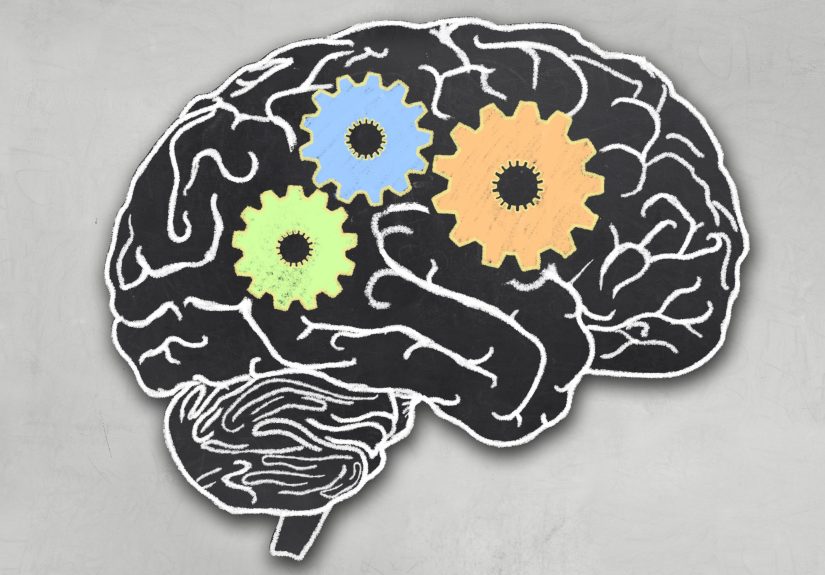
In plain English, executive function is the brain’s management system. It is the chief of staff, project manager, air-traffic controller, and occasionally the only adult in the room. When these skills are strong, students can break a big assignment into steps, resist distractions, and keep moving when the work gets hard. When these skills are weak or still developing, even a simple task can feel like trying to assemble furniture with three missing screws and instructions written by a raccoon.
The good news is that executive function skills are teachable. Students are not born knowing how to prioritize homework, estimate how long a science project will take, or calmly recover when the plan falls apart. These skills grow through practice, repetition, modeling, and support from adults who understand what is really going on. That means teachers, parents, and school leaders can do a great deal to help.
What Are Executive Function Skills?
Executive function includes several connected abilities that help students direct their thoughts and actions toward a goal. In school, the most important ones often show up as:
Working Memory
This is the ability to hold information in mind while using it. A student needs working memory to remember multi-step directions, keep track of a math procedure, or hold onto the main idea while reading a paragraph. When working memory is overloaded, students may look confused, forget what came next, or seem to “know it yesterday and lose it today.”
Inhibitory Control
This is the skill that helps students pause before blurting, ignore the classmate making sound effects with a water bottle, and stay with the task instead of chasing every passing distraction. It is not glamorous, but it is the difference between “I have a thought” and “I have now shared that thought with the entire room.”
Cognitive Flexibility
This helps students shift strategies, adapt to changes, and recover when something does not go as planned. A flexible thinker can move from one subject to another, revise a draft, or handle the devastating news that group assignments do, in fact, involve other people.
Planning, Organization, and Time Management
These are the visible, everyday parts of executive function. They help students estimate how long a task will take, gather materials, meet deadlines, and turn completed work in before it disappears into the mysterious void known as “the bottom of the backpack.”
Emotional Self-Regulation
Students also use executive function to manage frustration, cope with mistakes, and keep emotions from taking over the learning process. A child who can calm down, regroup, and try again has a huge advantage in school and life.
Why Executive Function Skills Matter So Much in School
Strong executive function skills support nearly every academic task. Reading comprehension depends on attention, memory, and self-monitoring. Writing depends on planning, organizing ideas, and revising. Math requires holding steps in mind, checking work, and shifting strategies when the first one fails. Even class participation relies on listening, waiting, prioritizing, and following social expectations.
That is why a student can be bright, curious, and verbally strong, yet still struggle to manage school. It is also why comments like “just try harder” or “be more responsible” often miss the point. If a student does not yet have the internal systems for planning and self-management, they need instruction and scaffolding, not a motivational speech wrapped in disappointment.
Executive function also affects confidence. Students who constantly lose papers, forget directions, or miss deadlines may start to believe they are lazy or careless. Over time, that story can become more damaging than the missed homework itself. Helping students build executive function skills is not only an academic intervention; it is a way to protect motivation, independence, and self-worth.
How to Tell When a Student Needs Support
Not every late assignment points to an executive function challenge. Sometimes students are tired, overwhelmed, or simply uninterested in writing five paragraphs about the causes of erosion. But recurring patterns can be a clue. A student may need support if they regularly:
- Forget directions unless they are repeated several times
- Lose materials, papers, or personal items
- Start assignments late because they do not know how to begin
- Underestimate how long work will take
- Struggle to transition between activities
- Get stuck when plans change
- Have difficulty managing frustration or impulsive behavior
- Complete work but forget to turn it in
These behaviors are easy to misread as defiance, disorganization, or lack of effort. In reality, they often reflect a skill gap. The goal is not to excuse everything. The goal is to identify the right problem so adults can teach the right solution.
Classroom Strategies That Actually Help
The most effective executive function support is practical, consistent, and built into daily routines. Students do better when teachers make invisible processes visible and reduce the mental load required to get started, stay organized, and finish strong.
1. Make Tasks Visible
Many students struggle because expectations live only in the teacher’s voice. Once the directions are spoken, they vanish into the air like smoke. Visual supports give students something concrete to return to. Post the agenda. Write down steps for an assignment. Use checklists. Show examples of finished work. Keep due dates in one predictable place.
Visual structure benefits all learners, but it is especially helpful for students with weak working memory. When expectations are visible, students do not have to keep every step in their head while also trying to complete the task.
2. Break Big Assignments into Smaller Chunks
“Write a research paper” is not one task. It is at least fifteen tasks wearing a trench coat. Students often procrastinate because they cannot see the path from the beginning to the end. Breaking work into smaller parts makes it less intimidating and more doable.
Instead of assigning the whole project at once, create mini-deadlines: choose a topic, gather sources, write an outline, draft the introduction, revise one section, and so on. This teaches planning while also preventing the famous 10:47 p.m. panic spiral the night before a deadline.
3. Teach Time Management Explicitly
Students are rarely born with a magical sense of how long anything takes. Many honestly believe an assignment will require “like, ten minutes” right up until they are still working on it an hour later. Time management should be taught, modeled, and practiced.
Use timers. Ask students to estimate how long a task will take, then compare that estimate with reality. Teach backward planning for projects. Build routines for recording homework and upcoming deadlines. Show students how to prioritize tasks by urgency and importance. These skills are not extras. They are survival tools.
4. Create Predictable Routines
Routines reduce decision fatigue and cognitive overload. When students know how class begins, where assignments go, when materials are collected, and what happens after direct instruction, they spend less mental energy figuring out the system and more energy learning the content.
A calm, predictable classroom does not have to be rigid. It simply needs enough structure that students are not reinventing the wheel every period. Think of routine as a helpful set of rails, not a prison sentence.
5. Model Thinking Out Loud
Strong executive function often looks invisible from the outside. Teachers can make it visible by narrating their own planning and problem-solving. Say things like, “This assignment has three parts, so I’m going to highlight the verbs first,” or “I can tell I’m getting stuck, so I’m going to check the rubric.”
That simple think-aloud process teaches students how effective learners monitor themselves, shift strategies, and recover from confusion. It also reminds students that being organized is not magic. It is a sequence of choices.
6. Build in Reflection and Self-Monitoring
Students need chances to notice what is working and what is not. Quick reflection tools can help: “What is my goal?” “What is my first step?” “Am I on track?” “What will I do if I get stuck?” This develops metacognition, or thinking about one’s own thinking.
Self-monitoring can be especially powerful for older students. A simple exit ticket, progress tracker, or weekly planning sheet helps them practice independence without feeling micromanaged.
7. Use Games, Movement, and Practice
Executive function is strengthened through repeated use, not one heroic lecture on “being responsible.” Games that require turn-taking, memory, flexible thinking, or impulse control can be surprisingly effective. So can movement breaks, classroom jobs, and collaborative tasks with clear roles.
For younger children, play is not a break from skill-building; it is skill-building. For older students, structured routines, team activities, and strategic problem-solving tasks offer similar opportunities to practice focus, planning, and self-control in a meaningful way.
8. Support Emotional Regulation Alongside Academics
Students cannot use executive function well when they are overwhelmed, embarrassed, or dysregulated. Calm classrooms, clear expectations, reasonable transitions, and respectful correction matter more than many adults realize. A student who feels safe is far more able to pause, think, and try again.
Sometimes the best executive function intervention is not a planner. It is a steady adult who says, “Let’s slow down and figure out the next step together.”
How Families Can Help at Home
Home support works best when it is simple and consistent. Families do not need to become unpaid project managers with color-coded spreadsheets and a command center worthy of a space launch. Small systems often work better.
Helpful strategies include keeping a regular homework routine, using one visible calendar, creating checklists for morning and evening tasks, and helping students pack materials the night before. Parents can also talk through planning: “What needs to be done first?” “What might get in the way?” “How long do you think this will take?”
Just as important, families should focus on coaching rather than rescuing. It is tempting to swoop in and fix every forgotten form or unfinished assignment. But students build executive function by participating in the process. Support them, yes. Do the whole mental job for them, no.
What Schools Often Get Wrong
One common mistake is assuming executive function is a character trait instead of a developmental skill. Another is expecting students to generalize strategies automatically. A planner only helps if students are taught how, when, and why to use it. A checklist only helps if it becomes part of the routine.
Schools also run into trouble when they offer accommodations without instruction. Giving a student extra time may reduce pressure, but it does not automatically teach planning. Likewise, posting a due date online does not ensure that students know how to break the work apart and begin. Support works best when schools pair scaffolds with explicit teaching.
Helping Students Grow Into Independence
The end goal is not to create perfectly organized children who color-code their socks and alphabetize their snack preferences. The goal is to help students become more aware, more strategic, and more independent over time. As skills improve, adults can gradually fade support. A detailed checklist becomes a shorter checklist. A teacher prompt becomes a self-prompt. External structure becomes internal habit.
That process takes time. Executive function develops slowly, and growth is not always neat. Students may manage one class beautifully and still forget their lunchbox on a daily basis. Progress often arrives in uneven little bursts. But it does arrive.
When educators and families stop treating executive function as a mystery and start treating it as teachable, students gain more than better homework habits. They gain a roadmap for learning, problem-solving, and managing life. And that may be one of the most useful things school can teach.
Experiences From Real School Life: What This Looks Like Day to Day
In many classrooms, the first sign of executive function trouble is not dramatic. It is the student who always seems one step behind. While everyone else opens the right page, this student is still looking for a pencil, then the notebook, then the worksheet that was somehow “definitely in here a second ago.” Teachers who have seen this pattern know that constant reminders alone rarely solve it. What helps is changing the environment. One fourth-grade teacher created a simple launch routine every morning: backpack hung up, folder in the tray, homework in the bin, materials on the desk, agenda copied from the board. Within a few weeks, the chaos dropped. The student did not become a different child overnight, but the predictable sequence gave him a path he could follow without having to reinvent the morning every day.
Middle school brings a different flavor of executive function challenge. Suddenly students are juggling multiple teachers, shifting expectations, and long-term assignments that do not scream for attention until the night before they are due. One parent described her seventh grader as “smart enough to debate the teacher, but not organized enough to bring home the book needed for homework.” What finally helped was not more lecturing. It was a weekly planning meeting on Sunday evening, one homework station at home, and a rule that every assignment had to be written in one place. No fancy app. No giant family whiteboard worthy of a detective drama. Just one system used consistently.
High school students often become skilled at hiding executive function struggles. They may look fine in class but melt down at home because every task feels like a wall. One counselor shared that many teens are not lazy at all; they are overwhelmed by initiation. Once started, they can often keep going. So the intervention becomes about launch, not willpower. A student who could not begin essays independently started using a three-step ritual: open document, type the prompt, write one ugly sentence. That “ugly first sentence” rule lowered the emotional barrier enough to get the work moving. It was not glamorous, but it worked.
Teachers also notice that students respond better when support is respectful. Publicly calling out disorganization may get short-term compliance, but it often adds shame. Quiet systems work better: a sticky note on the desk, a private checklist, a visual timer, a quick reset conversation in the hallway. Students are more likely to build self-management when they feel coached instead of judged.
Families see another side of the story. Homework battles are often less about refusal than about mental overload. Parents who shift from “Why haven’t you done this yet?” to “What is the first step?” often report a surprisingly different response. The child who looked resistant was sometimes just stuck. That shift in language matters because it turns the adult into a partner in problem-solving instead of a narrator of failure.
Across grade levels, the most encouraging pattern is this: when adults teach executive function skills directly, students usually improve. Maybe they still need reminders. Maybe the backpack still occasionally eats a permission slip. But students begin to plan better, recover faster, and understand themselves more clearly. That kind of progress may not always show up on a report card right away, yet it changes the entire learning experience. And in the long run, that is the kind of growth that sticks.