Table of Contents >> Show >> Hide
- Why Richmond Belongs on Your Travel List
- Our 25 Favorite Places in Richmond, Virginia
- 1. Virginia Museum of Fine Arts
- 2. Maymont
- 3. Lewis Ginter Botanical Garden
- 4. James River Park System
- 5. T. Tyler Potterfield Memorial Bridge
- 6. Riverfront Canal Walk
- 7. Carytown
- 8. The Byrd Theatre
- 9. Hollywood Cemetery
- 10. Libby Hill Park
- 11. Virginia State Capitol
- 12. The Valentine
- 13. Maggie L. Walker National Historic Site
- 14. Black History Museum & Cultural Center of Virginia
- 15. Jackson Ward
- 16. American Civil War Museum at Historic Tredegar
- 17. Edgar Allan Poe Museum
- 18. Science Museum of Virginia
- 19. Virginia Museum of History & Culture
- 20. Scott’s Addition
- 21. Richmond’s Street Art and Murals
- 22. Church Hill
- 23. St. John’s Church
- 24. L’Opossum
- 25. Mama J’s Kitchen
- How to Plan a Perfect Richmond Day
- Best Neighborhoods to Explore in Richmond
- Extra Experience Notes: What Richmond Feels Like When You Slow Down
- Conclusion
- SEO Tags
Richmond, Virginia, is the kind of city that refuses to sit neatly in one travel category. Is it a history trip? Absolutely. Is it an arts weekend? Very much so. A food crawl? Bring elastic-waist pants. An outdoor adventure? The James River is practically waving a paddle at you. The best places in Richmond, Virginia, mix grand museums, leafy gardens, riverfront trails, quirky neighborhoods, and restaurants that make “just one bite” a deeply dishonest phrase.
Known affectionately as RVA, Richmond has the personality of a capital city with the rhythm of a creative small town. You can start your morning under masterpieces at the Virginia Museum of Fine Arts, wander through Carytown by lunch, cross the James River on a pedestrian bridge in the afternoon, and end the night in Scott’s Addition with craft beer, cider, pizza, or something fried enough to deserve applause.
This guide rounds up our 25 favorite places in Richmond for first-time visitors, repeat wanderers, families, couples, history lovers, food fans, and anyone who enjoys a city with layers. Some stops are famous. Some are neighborhood staples. All of them help explain why Richmond keeps showing up on “where should we go next?” lists.
Why Richmond Belongs on Your Travel List
Richmond’s magic is its contrast. The city is historic without feeling frozen, artsy without trying too hard, outdoorsy without requiring you to own seventeen types of performance socks, and delicious in a way that can derail a carefully planned itinerary. The James River cuts through the city with rocks, rapids, trails, bridges, and skyline views. The neighborhoods each have their own mood: Carytown is colorful and independent, Church Hill is elegant and old-soul, Jackson Ward is rich with Black history and culture, and Scott’s Addition is where former industrial buildings found their second career as social butterflies.
Below are the Richmond places we would send a friend to first. Not because they are trendy for five minutes, but because they deliver the feeling of the city: smart, scenic, layered, and just a little mischievous.
Our 25 Favorite Places in Richmond, Virginia
1. Virginia Museum of Fine Arts
The Virginia Museum of Fine Arts is one of Richmond’s biggest gifts to travelers: world-class art with free general admission. Its galleries cover ancient works, European paintings, decorative arts, contemporary pieces, and a famously impressive Fabergé collection. Even visitors who usually “finish” museums in 20 minutes tend to slow down here. The sculpture garden is perfect for a reset between galleries, and the museum’s elegant dining options make it easy to turn a quick visit into half a day.
2. Maymont
Maymont is a 100-acre escape that feels like Richmond secretly installed a countryside estate inside the city. Visitors come for the historic mansion, Japanese Garden, Italian Garden, wildlife habitats, rolling lawns, and peaceful paths. It is romantic enough for a date, spacious enough for families, and photogenic enough to make your camera roll beg for mercy. The gardens are especially beautiful in spring and fall, but Maymont works in almost any season.
3. Lewis Ginter Botanical Garden
Lewis Ginter Botanical Garden is where Richmond goes when it wants flowers, glasshouse drama, butterflies, and the kind of calm that makes you whisper even when no one asked you to. The themed gardens, conservatory, rose displays, and seasonal events make it one of the best places in Richmond for nature lovers. It is also a smart stop for families because the grounds feel both curated and relaxed.
4. James River Park System
The James River Park System is Richmond’s outdoor heartbeat. Trails, rocks, rapids, forests, and river views sit surprisingly close to downtown. You can hike, bike, bird-watch, climb, sunbathe on the rocks, or simply stand near the water and pretend you are outdoorsy enough to own a kayak. Belle Isle is one of the most popular access points, offering history, river scenery, and excellent skyline views.
5. T. Tyler Potterfield Memorial Bridge
Locals often call it the T. Pott Bridge, and it gives visitors one of the best walking experiences in Richmond. The pedestrian bridge crosses the James River and connects downtown with Manchester, offering views of rapids, bridges, birds, and the city skyline. Go near golden hour if you want the full cinematic treatment. It is simple, free, and unforgettable.
6. Riverfront Canal Walk
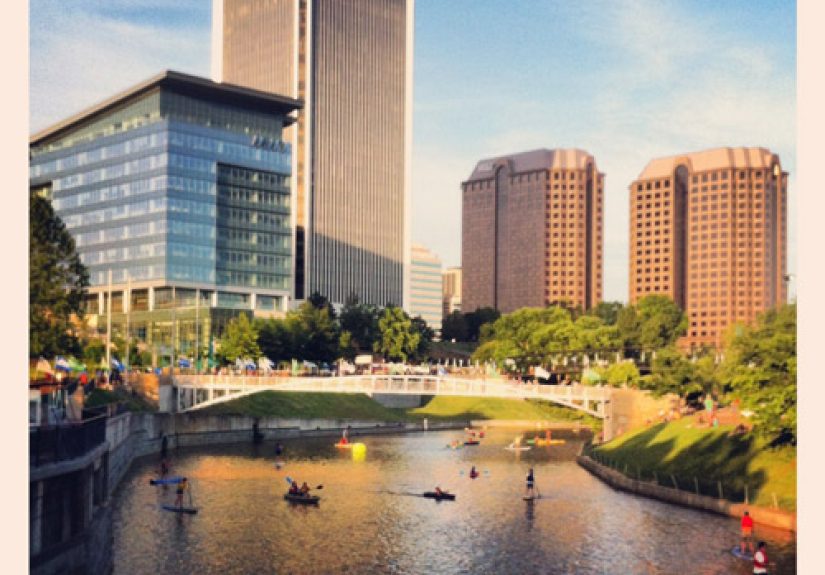
The Canal Walk stretches along Richmond’s downtown riverfront, tracing canals, historic markers, public art, and industrial architecture. It is one of the easiest ways to understand how the city’s past and present overlap. You can walk it slowly, use it as a connector between attractions, or turn it into a casual photo walk. The bronze history medallions along the path add a scavenger-hunt quality for curious travelers.
7. Carytown
Carytown is Richmond’s “just one more shop” district, which is dangerous because there is always one more shop. This colorful stretch of West Cary Street is packed with boutiques, gift stores, restaurants, record shops, vintage finds, sweets, and people happily pretending they are only browsing. It is one of the best places in Richmond for independent shopping and casual dining.
8. The Byrd Theatre
Located in Carytown, the Byrd Theatre is a 1928 movie palace and one of Richmond’s most beloved landmarks. The architecture alone is worth seeing, with ornate details that make modern multiplexes look like waiting rooms with popcorn. Catching a film here feels like stepping into old Hollywood, especially when the Mighty Wurlitzer organ is part of the experience.
9. Hollywood Cemetery
Hollywood Cemetery may sound like a strange travel recommendation until you see it. This historic garden cemetery sits on hills above the James River and offers winding roads, mature trees, dramatic views, and elaborate monuments. It is the resting place of U.S. presidents James Monroe and John Tyler, as well as many notable Virginians. Visit respectfully, walk slowly, and bring comfortable shoes.
10. Libby Hill Park
Libby Hill Park delivers one of Richmond’s signature views. From this Church Hill overlook, the James River bends below in a scene said to resemble Richmond upon Thames in England, helping inspire the city’s name. Whether or not you arrive with that historical fact ready for dinner-party use, the view is lovely. It is especially beautiful at sunrise or sunset.
11. Virginia State Capitol
The Virginia State Capitol is a must for architecture and history fans. Designed with Thomas Jefferson’s influence, the Capitol remains a working seat of government and offers tours that help visitors understand Virginia’s political history. Capitol Square is also worth exploring, with monuments, green space, and a sense of civic ceremony that feels very Richmond.
12. The Valentine
The Valentine is Richmond’s city history museum, and it is the kind of place that helps visitors connect the dots. Its exhibitions, historic Wickham House, gardens, and walking tours explore Richmond’s complicated, fascinating, and evolving story. For travelers who like context, this is a high-value stop before wandering neighborhoods such as Jackson Ward, Church Hill, or downtown.
13. Maggie L. Walker National Historic Site
The Maggie L. Walker National Historic Site preserves the home and legacy of one of Richmond’s most important figures. Walker was a civil rights leader, entrepreneur, newspaper editor, fraternal leader, and the first Black woman in the United States to charter and serve as president of a bank. The site offers a powerful look at determination, community leadership, and Black history in Richmond.
14. Black History Museum & Cultural Center of Virginia
Set in Jackson Ward, the Black History Museum & Cultural Center of Virginia preserves and presents African American history and culture across Virginia and beyond. Exhibitions highlight stories of achievement, resistance, creativity, labor, and community. Pair it with a walk through Jackson Ward for a fuller sense of the neighborhood’s importance.
15. Jackson Ward
Jackson Ward is one of Richmond’s most meaningful neighborhoods. Known for its Black heritage, historic ironwork, restaurants, galleries, and cultural landmarks, it rewards slow exploration. This is where travelers can visit museums, admire architecture, learn about Maggie Walker, and enjoy some of the city’s best food. Come hungry, curious, and ready to linger.
16. American Civil War Museum at Historic Tredegar
The American Civil War Museum at Historic Tredegar sits on the James River at the site of the Tredegar Iron Works. Its exhibits examine the Civil War from multiple perspectives and continue into Reconstruction and the war’s long legacy. It is thoughtful, challenging, and important, especially in a city where history is never just background scenery.
17. Edgar Allan Poe Museum
The Poe Museum celebrates Edgar Allan Poe’s Richmond connections with artifacts, rare manuscripts, personal items, and atmospheric exhibits. The museum’s setting includes the Old Stone House, considered Richmond’s oldest surviving residential building. It is compact, memorable, and wonderfully moody. Basically, if a museum could wear a dramatic black cape, this one would.
18. Science Museum of Virginia
The Science Museum of Virginia is a hit with families, curious adults, and anyone who prefers learning with buttons, demonstrations, big visuals, and “wait, how does that work?” moments. With interactive exhibits, films, hands-on experiences, and programs, it turns science into something visitors can touch, test, and laugh about when the experiment does not go as planned.
19. Virginia Museum of History & Culture
The Virginia Museum of History & Culture tells the broad story of Virginia through collections, exhibitions, and public programs. It is especially useful for travelers who want to understand how Richmond fits into the larger history of the state. Pair it with the VMFA nearby and you have a powerful Museum District day without spending half your time in the car.
20. Scott’s Addition
Scott’s Addition is Richmond’s beverage district and one of the city’s most energetic neighborhoods. Former industrial buildings now house breweries, cideries, distilleries, restaurants, rooftop spots, games, and nightlife. It is ideal for groups because everyone can choose their own adventure: beer, cider, pizza, cocktails, arcade games, or the ancient social ritual known as “ordering fries for the table.”
21. Richmond’s Street Art and Murals
Richmond has a serious street-art personality. Murals appear across downtown, the Arts District, Manchester, Jackson Ward, and other neighborhoods, turning blank walls into public galleries. A self-guided mural walk is one of the best free things to do in Richmond. It also gives you a reason to explore side streets and discover coffee shops, boutiques, and galleries along the way.
22. Church Hill
Church Hill is one of Richmond’s most beautiful historic neighborhoods, filled with brick sidewalks, old homes, steep streets, pocket parks, and excellent restaurants. Visit Libby Hill Park, stroll quiet residential blocks, and then reward yourself with dinner or pastries. The neighborhood feels timeless without being sleepy, which is a very Richmond trick.
23. St. John’s Church
St. John’s Church is famous as the site associated with Patrick Henry’s “Give me liberty or give me death” speech in 1775. Whether you come for Revolutionary-era history, architecture, or a guided program, the church adds depth to a Church Hill visit. It is a reminder that Richmond’s historic sites are not isolated stops; they are woven into living neighborhoods.
24. L’Opossum
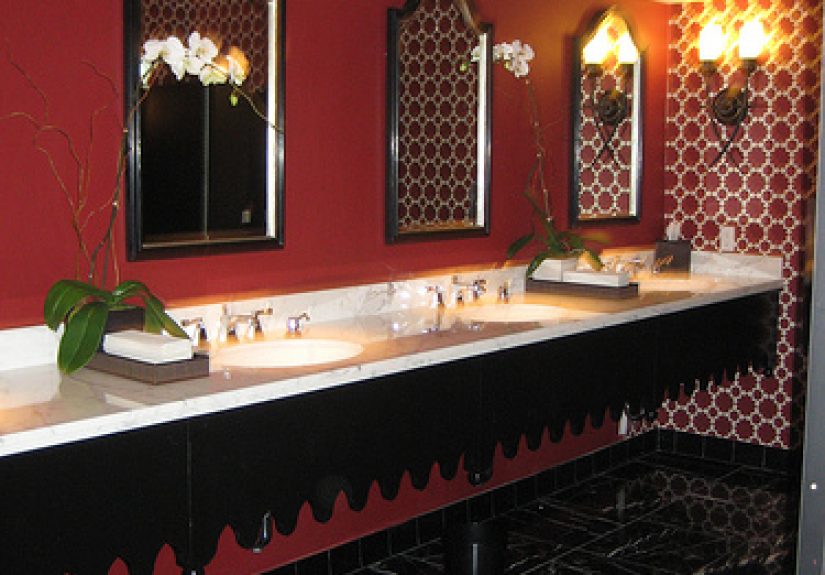
Richmond’s food scene deserves several trips, but L’Opossum is one of the restaurants that out-of-towners remember. Located in Oregon Hill, it is known for French-inspired cooking, playful personality, dramatic interiors, and a menu that manages to be polished and fun at the same time. Reservations are wise. Showing up with “surely they can squeeze us in” optimism is less wise.
25. Mama J’s Kitchen
Mama J’s Kitchen in Jackson Ward is a Richmond favorite for Southern comfort food. Think fried chicken, crab cakes, pork chops, macaroni and cheese, yams, and sides that make the word “side” feel unfairly modest. It is a great food stop after exploring Jackson Ward’s museums and historic streets, and it captures the warm, generous side of RVA dining.
How to Plan a Perfect Richmond Day
If you only have one day, start at the Virginia Museum of Fine Arts, then head to Carytown for lunch, shopping, and a peek at the Byrd Theatre. In the afternoon, choose either Maymont for gardens or the James River Park System for trails and river views. Finish with dinner in Church Hill, Jackson Ward, Scott’s Addition, or Oregon Hill.
For a history-focused day, begin at the Virginia State Capitol, visit The Valentine, continue to the Maggie L. Walker National Historic Site or Black History Museum, and end at the American Civil War Museum at Historic Tredegar. This route gives you a strong sense of Richmond’s political, cultural, and social history without turning the day into a textbook with parking meters.
For an outdoor day, walk the Canal Walk, cross the T. Tyler Potterfield Memorial Bridge, explore Belle Isle or another James River Park access point, and then head to Libby Hill Park for sunset. Bring water, wear comfortable shoes, and assume Richmond’s hills are more enthusiastic than they look on a map.
Best Neighborhoods to Explore in Richmond
Carytown is best for shopping, casual restaurants, sweets, and independent businesses. Scott’s Addition is best for breweries, nightlife, group outings, and low-pressure fun. Church Hill is best for history, views, and dining in a neighborhood that feels lived-in and graceful. Jackson Ward is best for Black history, culture, soul food, and architecture. The Museum District is best for pairing major museums with cafes, restaurants, and walkable streets.
Downtown and the riverfront are best for visitors who want history and scenery in one route. The Canal Walk, Tredegar, Capitol Square, and the T. Pott Bridge can fit together nicely if you do not mind walking. Richmond rewards people who connect places rather than treating every stop like an isolated box to check.
Extra Experience Notes: What Richmond Feels Like When You Slow Down
The best Richmond experiences often happen between the famous stops. Yes, you should visit the museums, gardens, river trails, and historic sites. But the city becomes more memorable when you leave a little space in the schedule. Richmond is not a place that likes being rushed. It prefers to reveal itself while you are walking from one neighborhood to another, waiting for a table, looking at a mural, or deciding whether a second dessert is “research.” For the record, it usually is.
A great Richmond morning might begin with coffee near the Museum District before the VMFA opens. The streets are calm, the houses have character, and the museum feels even more generous when you remember general admission is free. Afterward, walk through Carytown without a mission. Browse gifts you do not need, buy a snack you absolutely do need, and check the Byrd Theatre marquee just because it feels like a civic duty.
In the afternoon, let the river take over. The James River is not background decoration in Richmond; it is a main character. Walk the Canal Walk and notice how old industry, modern apartments, murals, bridges, and water all crowd into the same view. Cross the T. Potterfield Bridge if the weather is kind, and pause in the middle. You will see people jogging, photographers waiting for light, birds gliding over the rocks, and downtown looking proud of itself. Richmond has earned that little bit of swagger.
Evenings are where the city’s neighborhoods show off. Church Hill is wonderful when the sky begins to soften, especially around Libby Hill Park. Scott’s Addition works when your group cannot agree on one plan, because the neighborhood offers enough breweries, cideries, restaurants, and games to save even the most chaotic group chat. Jackson Ward gives you history and food in the same breath, while Oregon Hill can turn dinner into a story you tell later with unnecessary hand gestures.
The trick is not to treat Richmond like a checklist. Treat it like a conversation. Ask why the neighborhoods feel different. Notice the ironwork in Jackson Ward, the gardens at Maymont, the old stone and brick near the river, the confident creativity of the murals, and the way restaurants blend Southern roots with global ideas. Richmond is polished in places and scruffy in others, and that is part of the appeal. It feels real. It has memory. It has momentum. And if you leave without planning a return visit, you probably skipped dessert.
Conclusion
Richmond, Virginia, is one of the South’s most rewarding city breaks because it offers so much without losing its local character. You can explore nationally respected museums, walk river trails minutes from downtown, visit historic sites that shaped American history, eat beautifully, shop independently, and still find quiet corners where the city feels personal. Our favorite places in Richmond are not just attractions; they are pieces of a larger story about creativity, resilience, memory, and good taste.
Whether your perfect trip includes art, gardens, history, craft drinks, Southern food, outdoor adventure, or neighborhoods with personality, Richmond has a way of meeting you where you are and then adding one more excellent stop to your day. That is the danger of RVA: you arrive with a plan, and the city keeps improving it.