Table of Contents >> Show >> Hide
- What Makes a Detached Basement So Easy to Neglect?
- The First Rule: Treat the Basement Like a Real Room
- Start With Safety Before Sorting
- Decluttering the Messy Detached Basement
- Why Cardboard Boxes Are Usually a Bad Basement Idea
- Create Zones That Match Real Life
- Use Vertical Space Like a Genius
- Label Everything, Even If You Think You Will Remember
- Moisture Control: The Basement Battle You Cannot Ignore
- Mold Prevention and Cleanup
- Do Not Forget Radon
- Pest Prevention in a Detached Basement
- What Not to Store in a Detached Basement
- A Simple Weekend Plan for Cleaning a Messy Detached Basement
- How to Keep the Detached Basement Organized
- Our Personal Experience With a Messy Detached Basement
- Conclusion
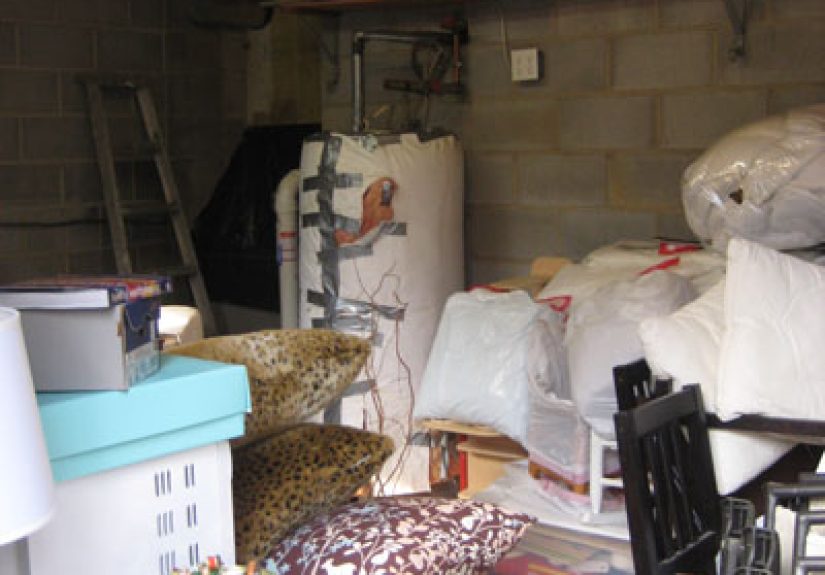
Every home has a secret room. Some people have a peaceful reading nook. Some have a perfectly labeled pantry where the pasta stands at attention like tiny Italian soldiers. We had a messy detached basementan off-house storage cave where ambition, holiday decorations, paint cans, mystery cables, camping gear, forgotten furniture, and one emotionally complicated treadmill went to live their second lives.
A detached basement sounds charming until you actually own one. Because it is separate from the main house, it becomes dangerously easy to ignore. You do not walk past it every morning. You do not see the box avalanche while making coffee. You simply close the outside door and tell yourself, “That is a weekend problem.” Then the weekend becomes next month, next month becomes next season, and suddenly the basement has developed its own ecosystem, personality, and possible voting rights.
This article is not just a confession. It is a practical, homeowner-friendly guide to understanding, cleaning, organizing, and maintaining a messy detached basement without losing your mind, your favorite screwdriver, or your sense of humor. Whether your detached basement sits beneath a garage, workshop, guest structure, garden building, or separate storage area, the same principles apply: control moisture, reduce clutter, protect belongings, prevent pests, improve safety, and create zones that make sense in real life.
What Makes a Detached Basement So Easy to Neglect?
A basement attached to the house is already a clutter magnet. A detached basement is a clutter magnet with privacy. Because it is physically separated from daily living space, it often becomes the perfect place to store items you are not ready to deal with. That includes seasonal decor, extra furniture, old tools, renovation leftovers, sports gear, childhood keepsakes, boxes from the last move, and the classic “I might need this someday” collection.
The problem is not that storage is bad. Storage is useful. The problem begins when storage turns into postponement. A detached basement can hide mess so well that you do not notice how much space has been lost until you need one specific item. Then you open the door, stare into the darkness, and realize finding the air mattress will require a flashlight, courage, and perhaps a small documentary crew.
The First Rule: Treat the Basement Like a Real Room
The best mindset shift is simple: stop treating the detached basement as a dumping zone. Treat it like a room with a job. It may not have pretty curtains or a cozy sofa, but it still needs structure. Every item inside should have a reason to be there. Every category should have a home. Every shelf should earn its keep.
Before buying bins, shelves, hooks, or labels, define the basement’s purpose. Is it mainly for tool storage? Holiday decor? Gardening supplies? Workshop equipment? Emergency supplies? Bulk household goods? A mixed-use basement can work beautifully, but only if the categories are separated. Otherwise, your Christmas ornaments end up next to motor oil, and nobody wants their holiday spirit smelling like a lawn mower.
Start With Safety Before Sorting
Before the fun partif we are generously calling basement cleaning “fun”begin with safety. Detached basements can have moisture, uneven steps, poor lighting, pests, old electrical components, and forgotten chemicals. Walk through carefully before dragging everything into piles.
Check for Moisture and Water Damage
Look for damp spots, water stains, peeling paint, musty smells, rusted metal, swollen cardboard, and dark patches on walls or stored items. Moisture is the villain in almost every basement story. It can damage belongings, encourage mold, attract pests, and make the space smell like an old gym sock that studied abroad in a swamp.
If you notice active water intrusion, do not organize around it. Fix the source first. Clean gutters, extend downspouts, check grading around the foundation, inspect cracks, and make sure water drains away from the structure. Organization is not very useful if your neatly labeled bins are floating by Thanksgiving.
Improve Lighting
A messy basement becomes much more manageable when you can actually see it. Add bright overhead lighting, battery-powered motion lights, or plug-in work lights if the space allows. Good lighting helps you identify damage, read labels, avoid tripping, and reduce the creepy “horror movie storage room” atmosphere.
Remove Fire Hazards
Detached basements often collect paint, solvents, fuel, oily rags, cardboard, old papers, and combustible materials. These items should be stored carefully, minimized, or removed according to local safety guidance. Keep combustible clutter away from electrical panels, mechanical equipment, heaters, and exits. If the basement has a furnace, water heater, or electrical equipment, do not treat that area like a bargain-bin warehouse.
Decluttering the Messy Detached Basement
The easiest way to declutter is also the most annoying: take items out by category. If you try to “straighten up” inside the mess, you may only create a more decorative mess. Pull out one section at a time and sort items into clear groups: keep, donate, sell, recycle, trash, repair, and relocate.
The Keep Pile
Keep items that are useful, safe, in good condition, and likely to be used again. Seasonal decorations, tools, camping gear, sports equipment, spare household supplies, and sentimental keepsakes can stay if they are organized properly.
The Donate or Sell Pile
If something is useful but no longer useful to you, let it go. That extra chair, duplicate garden tool, unopened hobby kit, or old bookshelf might be exactly what someone else needs. Your basement does not need to function as a museum of abandoned intentions.
The Trash and Recycle Pile
Broken plastic bins, moldy cardboard, expired chemicals, cracked planters, dead batteries, and mystery cords from electronics you no longer own should not receive permanent residency. Dispose of hazardous materials properly through local collection programs. Do not toss paint, fuel, solvents, or electronics into regular trash unless local rules allow it.
Why Cardboard Boxes Are Usually a Bad Basement Idea
Cardboard is cheap, familiar, and emotionally persuasive. It says, “I am temporary,” right before staying in your basement for eleven years. Unfortunately, cardboard absorbs moisture, collapses under weight, attracts pests, and hides damage. In a detached basement, where temperature and humidity may fluctuate more than in the main house, cardboard is rarely the best long-term storage choice.
Use clear, lidded plastic bins whenever possible. Clear bins let you see what is inside without opening every container. Lids protect against dust, insects, and occasional moisture. For important documents, photos, fabrics, or keepsakes, use stronger weather-resistant containers and elevate them off the floor.
Create Zones That Match Real Life
Basement organization fails when it looks good for one weekend but does not match how people actually use the space. Create zones based on frequency and category. Items used often should be easy to reach. Items used once a year can go higher or farther back. Heavy items should stay low. Fragile items should not be stacked under bowling balls, power tools, or Uncle Ray’s suspiciously heavy box labeled “misc.”
Recommended Basement Zones
Seasonal decor: Group holidays together and label by season or event. Avoid mixing Halloween skeletons with Easter baskets unless your family enjoys confusing traditions.
Tools and repair supplies: Use pegboards, wall hooks, shelves, and small drawer organizers for hardware. Keep frequently used tools near the entrance.
Gardening and outdoor gear: Store soil, pots, hoses, gloves, and garden tools in one area. Keep messy items away from clean household storage.
Sports and camping equipment: Use vertical racks, wall hooks, bins, and labeled bags. Air out tents and sleeping bags before storing them.
Emergency supplies: Keep flashlights, batteries, bottled water, basic tools, and storm supplies in a clearly marked, easy-access spot.
Sentimental items: Use sealed bins and avoid storing irreplaceable paper items directly on concrete floors. If something would break your heart if it were damaged, consider keeping it in the main house instead.
Use Vertical Space Like a Genius
The floor is not a storage plan. It is a walking surface. Once the floor disappears, the basement becomes frustrating and unsafe. Shelving is the backbone of basement organization. Heavy-duty metal or plastic shelves can transform piles into accessible storage zones.
Place shelves around the perimeter, leaving a clear path through the center. Store heavy bins on lower shelves and lighter items above. Add wall hooks for folding chairs, ladders, bikes, hoses, extension cords, and tools. Pegboards work well for workshops because they keep tools visible and easy to return.
Ceiling storage may work in some detached basement spaces, but use caution. It must be installed securely and should not block lighting, ventilation, pipes, or access points. Never overload overhead storage. Gravity is undefeated.
Label Everything, Even If You Think You Will Remember
You will not remember. None of us remembers. Today’s “obvious bin of winter stuff” becomes next year’s “why is there one mitten, a candle, and sprinkler parts in here?” Labels save time, reduce duplicate purchases, and make it easier for everyone in the household to put items back.
Use large labels on the front and top of each bin. Include broad categories and specific contents where helpful. For example, “Holiday Decor: Tree Lights and Extension Cords” is better than “Christmas.” A simple numbering system can also help. Keep a digital inventory on your phone for bins that hold rarely used items.
Moisture Control: The Basement Battle You Cannot Ignore
A clean detached basement can become messy again if moisture is not controlled. Basements are naturally vulnerable because they are below grade or partly below grade, surrounded by soil, and often cooler than the air above. When warm, moist air meets cool basement surfaces, condensation can form. Add rainwater, poor drainage, or leaks, and the mess becomes a science experiment.
Use a hygrometer to monitor relative humidity. A dehumidifier can help in damp seasons, especially if the basement smells musty or feels clammy. Make sure the unit is sized for the space and drained properly. Keep air moving when possible, and avoid storing damp items in closed bins.
Also inspect the exterior. Many basement problems begin outside. Gutters should be clean. Downspouts should discharge away from the foundation. Soil should slope away from the building. Cracks should be sealed appropriately. If water repeatedly enters the basement, consult a qualified professional rather than relying on wishful thinking and one heroic towel.
Mold Prevention and Cleanup
Mold needs moisture, organic material, and time. A cluttered detached basement provides all three if conditions are damp. The goal is not to panic at every dark spot but to act quickly and intelligently. Dry wet areas fast, discard materials that cannot be cleaned, and avoid storing paper, fabric, and cardboard in humid corners.
Small moldy areas on hard surfaces may be cleaned with appropriate household cleaners while wearing gloves and eye protection. Ventilate the area when cleaning. Never mix bleach with ammonia or other cleaners because the fumes can be dangerous. If mold covers a large area, returns repeatedly, or is connected to flooding or contaminated water, get professional help.
Do Not Forget Radon
Radon is not visible, does not smell, and does not care how nicely your bins are labeled. It is a naturally occurring radioactive gas that can enter buildings through foundations and lower-level spaces. Because detached basements are lower-level areas, testing is a smart safety step, especially if the space is used often as a workshop, hobby room, laundry area, office, or hangout.
Radon test kits are widely available, and professional testing is also an option. If results are elevated, mitigation systems can reduce levels. A beautiful basement makeover is wonderful, but clean air matters more than matching storage bins.
Pest Prevention in a Detached Basement
Pests love clutter because clutter gives them hiding places. Moisture can attract insects such as camel crickets, centipedes, millipedes, and other nuisance pests. Food, birdseed, grass seed, pet treats, and unsealed pantry overflow can invite rodents or stored-product insects.
Keep food-like items in sealed containers. Sweep regularly. Remove cardboard. Seal gaps where pests may enter. Keep vegetation and debris away from the exterior. If you see droppings, gnaw marks, damaged packaging, or repeated insect activity, investigate early. Pest problems rarely improve through polite ignoring.
What Not to Store in a Detached Basement
Some things do not belong in a detached basement, especially one with humidity swings. Avoid storing valuable documents, family photos, delicate fabrics, electronics, musical instruments, untreated wood furniture, candles in hot climates, and anything irreplaceable. If you must store sensitive items, use sealed containers, elevate them, and check them regularly.
Also be careful with paint, chemicals, fuel, propane cylinders, and flammable liquids. Store them according to product labels and local safety rules. When in doubt, store less. A basement should not feel like a hardware store had a nervous breakdown.
A Simple Weekend Plan for Cleaning a Messy Detached Basement
Day One: Empty, Sort, and Inspect
Start early. Open doors for ventilation if conditions are safe. Remove items from one zone at a time. Sweep the floor, inspect for moisture, check walls and corners, and look for pests or damage. Sort items into categories before putting anything back.
Day Two: Build the System
Install or adjust shelving. Replace cardboard with bins. Label containers. Put heavy items low, fragile items high but reachable, and frequent-use items near the entrance. Create a donation station and schedule removal immediately. The faster unwanted items leave the property, the less likely they are to sneak back inside wearing a fake mustache.
How to Keep the Detached Basement Organized
The secret is maintenance, not perfection. Visit the basement once a month for a five-minute reset. Return stray items to their zones. Check for moisture. Empty the dehumidifier if needed. Look for pest signs. Make sure walkways remain clear. Once or twice a year, do a deeper review and remove items you no longer use.
Use a “one in, one out” rule for bulky storage. If a new storage bin enters, another item should leave or be reassigned. Otherwise, the basement will quietly refill itself like a magic trick nobody requested.
Our Personal Experience With a Messy Detached Basement
Our messy detached basement did not become chaotic overnight. It happened in tiny, reasonable decisions. One rainy afternoon, we put the patio cushions down there “just for now.” Then came leftover tile from a bathroom project, because of course we might someday need exactly seven beige tiles. Then came old paint, two fans, holiday lights, a broken lamp, a box of picture frames, a cooler missing its handle, and enough extension cords to suggest we were preparing to power a small carnival.
The detached part made everything worse. If the basement had been inside the main house, we would have faced the mess more often. But because it required shoes, keys, and a short walk outside, we avoided it like a dentist appointment. When we finally opened the door with the intention of cleaning, the first emotion was not motivation. It was negotiation. We stood there trying to convince ourselves that maybe we did not need a clean basement. Maybe society had placed too much value on floors.
We started with one rule: no buying storage supplies until we knew what we were storing. That rule saved money. It also forced us to confront the weirdness. We found duplicate tools, cracked storage tubs, dead batteries, an old router, three partial bags of potting soil, and a box labeled “important” that contained one instruction manual and a birthday candle shaped like the number seven. The basement was not just messy. It was a scrapbook of delayed decisions.
The biggest breakthrough came when we made zones. Gardening items went near the outside door. Tools went on one wall. Holiday decorations got clear bins and actual labels. Camping gear went on lower shelves because it was heavy and awkward. Sentimental items were reduced to two sealed containers, not because memories are unimportant, but because memory should not require a forklift.
We also learned that clean does not mean fancy. Our detached basement still looks like a basement. It has concrete, shelves, practical bins, and a few scratches that will never make it into a home design magazine. But now we can walk through it. We can find the drill. We can reach the Christmas lights without moving a lawn chair, a toolbox, and a suspicious bag of unknown fabric. That is not perfection. That is victory.
The most satisfying moment came months later when we needed something boring: a tarp. In the old days, finding a tarp would have required emotional preparation and possibly snacks. This time, we walked in, looked at the labeled outdoor-supplies shelf, grabbed it, and left in under a minute. No digging. No muttering. No accidental discovery of a wet cardboard box. It felt luxurious, like valet parking for responsible adults.
Our messy detached basement taught us that clutter is not only about stuff. It is about decisions we delay because we are tired, busy, sentimental, optimistic, or convinced that every spare object has a heroic future. Once we made decisions, the room became useful again. And when a storage space becomes useful, the whole home feels lighter.
Conclusion
A messy detached basement is not a character flaw. It is a common home problem with a practical solution. Start with safety, control moisture, remove what no longer belongs, replace cardboard with durable storage, create clear zones, label everything, and maintain the space with small regular checkups. The goal is not to create a showroom basement. The goal is to create a basement that worksone where you can find what you need, protect what matters, and stop feeling personally judged by a pile of tangled extension cords.
With a plan, a weekend, and a little honesty about what you actually use, your detached basement can become organized, safer, cleaner, and far less mysterious. And who knows? You may even discover that the treadmill was not judging you after all. It was just trapped behind the Halloween decorations.