Table of Contents >> Show >> Hide
- What it really means to see the whole patient
- The difference between treating a disease and caring for a person
- Why empathy is not a soft extra
- The social side of health is still health
- Communication is clinical care
- Healing is bigger than curing
- Why seeing the whole patient also means seeing the physician
- What whole-patient care looks like in practice
- Experiences that reveal the real meaning of seeing the whole patient
- Conclusion
- SEO Tags
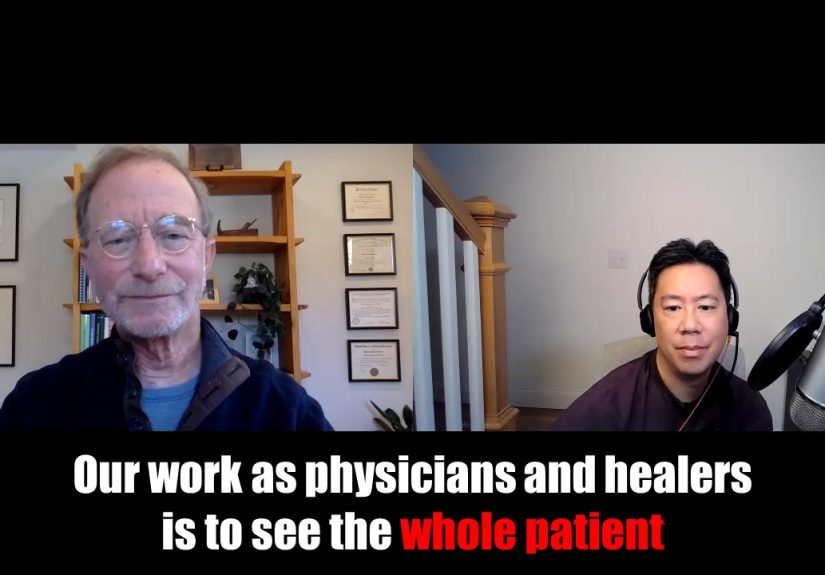
Medicine has always had a funny little contradiction at its center. On one hand, modern health care can do dazzlingly specific things. It can map genes, replace joints, dissolve clots, and detect illness with technology that would make earlier generations think we were all wizards in white coats. On the other hand, patients still show up with problems no scan can fully explain: fear, loneliness, family stress, money trouble, spiritual pain, mistrust, grief, exhaustion, or the quiet terror of not understanding what the doctor just said. That is why one of the most important truths in medicine still sounds beautifully simple: our work as physicians and healers is to see the whole patient.
That phrase is more than a lovely slogan for a hospital brochure. It is a practical standard for good care. To see the whole patient means looking beyond a diagnosis code and asking what else is shaping health. It means noticing the person who has heart failure and also lives alone, the person with diabetes who also works two jobs, the person with chronic pain who also feels invisible, and the person with cancer who wants not only treatment but dignity, clarity, and hope. In other words, physicians are not only treating disease. We are caring for human beings who live in real bodies, real families, and real neighborhoods.
What it really means to see the whole patient
Whole-patient care is often described as patient-centered care or whole-person health, but the heart of it is straightforward: illness never exists in isolation. A patient’s health is shaped by biology, behavior, emotions, relationships, environment, culture, language, access to care, and life circumstances. If a physician focuses only on the lab value and ignores the life around it, the care plan may be technically brilliant and practically useless.
Seeing the whole patient means asking better questions. Not just, “Where does it hurt?” but also, “What worries you most?” Not just, “Are you taking your medication?” but also, “Can you afford it?” Not just, “Do you understand the plan?” but also, “Would you like me to explain that in plain English without the medical alphabet soup?” Medicine gets better when curiosity gets kinder.
This approach does not make physicians less scientific. It makes them more effective. A treatment plan works best when it fits the patient’s goals, values, culture, support system, and daily reality. If the person in front of you cannot read the discharge instructions, has no transportation for follow-up, is caring for a spouse with dementia, or has good reason to distrust institutions, then excellent care requires more than excellent pharmacology. It requires attention to context.
The difference between treating a disease and caring for a person
There is a big difference between saying, “This patient is a diabetic,” and saying, “This is a father trying to control diabetes while working the night shift, paying rent, and caring for his mother.” One statement reduces a person to a condition. The other reveals a life. The first may lead to instructions. The second leads to partnership.
That distinction matters because people do not experience illness as isolated organs. A patient with asthma also experiences school absences, anxiety, costs, and family routines. A patient with depression may also experience shame, stigma, fatigue, and difficulty asking for help. A patient with arthritis may not just have inflamed joints; they may also be grieving the loss of independence that once allowed them to cook, garden, or button a shirt without a wrestling match.
When physicians see only the disease, they risk sounding efficient but missing the point. When physicians see the person, they can tailor care in ways that are both humane and practical. Sometimes the most important intervention is not another prescription but a better conversation, a social work referral, an interpreter, a palliative care consult, or the simple act of slowing down long enough for a patient to say, “What I’m really afraid of is…”
Why empathy is not a soft extra
Empathy is often treated like a decorative garnish in medicine, as if it sits on the plate looking nice while the “real” clinical work happens somewhere else. In reality, empathy is part of the work. It helps physicians build trust, improve communication, reduce misunderstanding, and uncover information patients may not share in a rushed or impersonal encounter.
Patients are more likely to speak honestly when they feel respected. They are more likely to ask questions when they are not made to feel foolish. They are more likely to follow a plan when they helped shape it. A physician who listens well does not merely create a warmer atmosphere. That physician gathers better data.
Empathy also protects medicine from becoming too mechanical. A clinician can be technically gifted and still leave a patient feeling unseen. And patients remember that feeling. They remember whether the doctor looked at the screen more than their face. They remember whether anyone acknowledged pain, fear, or uncertainty. They remember whether care felt like a transaction or a relationship.
The social side of health is still health
If medicine wants to see the whole patient, it must reckon with the fact that many of the forces shaping health do not begin in exam rooms. Housing instability, food insecurity, transportation barriers, language differences, financial stress, disability access, educational opportunity, work conditions, and neighborhood safety all influence outcomes. These are often described as social determinants of health, but patients usually experience them in less academic terms: “I can’t get there,” “I can’t pay for that,” “I don’t understand,” or “I’ve got too much going on to manage this alone.”
Physicians do not have to personally solve every social problem in America before lunch. But we do need to recognize when those problems are driving poor health or preventing good care. Seeing the whole patient means seeing the hidden barriers behind the nonadherence label. Sometimes a patient is not “noncompliant.” Sometimes the system is nonfunctional.
This is where team-based care matters. Nurses, social workers, pharmacists, behavioral health specialists, community health workers, chaplains, interpreters, and care coordinators are not side characters in the story of healing. They are often essential to it. The whole patient is best served by a whole team.
Communication is clinical care
One of the oldest mistakes in medicine is assuming that explanation has occurred just because words were spoken. Real communication is not a monologue delivered at top speed with bonus abbreviations. It is a process of understanding, checking, clarifying, and listening.
Seeing the whole patient means communicating in a way the patient can actually use. That may mean avoiding jargon, pausing for questions, using interpreters, acknowledging cultural differences, or asking patients to repeat the plan back in their own words. It also means understanding that silence can signal confusion, embarrassment, fear, or unequal power rather than agreement.
Good communication supports shared decision-making, which is exactly what it sounds like: the physician brings evidence and expertise, the patient brings values and lived experience, and the plan is built together. That process respects autonomy without abandoning guidance. Patients do not need a detached menu of options tossed at them like a restaurant special. They need honest recommendations shaped around what matters most to them.
Healing is bigger than curing
One of the wisest lessons in medicine is that healing and curing are not the same thing. Curing means eliminating disease when possible. Healing means relieving suffering, restoring meaning, supporting dignity, and helping people live as fully as possible even when illness remains. Sometimes medicine can do both. Sometimes it can only do one. But healing is always part of the job.
This matters especially in serious illness, chronic disease, aging, disability, mental health, and end-of-life care. A patient may not be curable, but that patient can still be heard, comforted, educated, supported, and treated in a way that honors who they are. When physicians see the whole patient, they understand that goals of care are not always about living longer at any cost. Sometimes they are about living better, suffering less, staying home, remaining independent, or attending one more family wedding without spending all day in the hospital eating gelatin with a suspicious wobble.
Why seeing the whole patient also means seeing the physician
There is another truth we should say out loud: physicians and other clinicians cannot consistently offer humane, attentive care in systems that grind them into powder. Burnout, moral distress, documentation overload, staffing shortages, and relentless time pressure do not just hurt clinicians. They can erode the patient experience and weaken care relationships.
If we want medicine to feel more human, we need systems that allow humans to practice it. That means protecting time for listening, reducing administrative clutter, supporting team-based models, investing in interpreter and behavioral health services, and designing workflows that do not treat empathy like a luxury item. Compassion is not the enemy of efficiency. In many cases, fragmented and impersonal care is what wastes time.
A physician who is present, supported, and able to connect is better positioned to notice what a checklist misses. Whole-patient care, then, is not just a bedside value. It is also an organizational responsibility.
What whole-patient care looks like in practice
In primary care
A good primary care visit may address blood pressure, but it might also uncover sleep problems, caregiving stress, depression, or the fact that a patient stopped medication because the refill cost shot up. Seeing the whole patient means treating the chart and the story.
In surgery
A technically successful procedure is only part of success. Whole-patient care includes informed consent, preparation, pain control, family communication, functional recovery, and realistic expectations. Patients want to know not only what you will remove, fix, or repair, but how life will feel afterward.
In oncology and serious illness
Whole-patient care means discussing prognosis honestly, managing symptoms early, involving palliative care when appropriate, and asking what matters most to the patient rather than assuming every person wants the same path.
In mental health
Seeing the whole patient means recognizing that emotional suffering and physical illness often travel together. Anxiety can worsen chronic disease. Depression can complicate adherence. Trauma can shape everything from trust to symptom expression. A whole-patient approach does not separate mind and body like feuding cousins at Thanksgiving.
Experiences that reveal the real meaning of seeing the whole patient
Across medicine, the most memorable moments are often the ones that expose the gap between the diagnosis and the person. Consider the older man admitted repeatedly for heart failure. On paper, the case looked simple: fluid overload, medication adjustment, discharge, repeat. But when someone finally asked how he managed at home, the truth appeared. He could not read the medication labels well, his wife had recently died, and he had stopped cooking real meals because eating alone made him too sad to bother. The issue was not only cardiology. It was grief, isolation, literacy, and daily survival. Once the team understood that, the care plan changed. Education became simpler, home support became essential, and the patient stopped looking like a “frequent flyer” and started looking like a widower who needed help.
Or think of the young woman with chronic pain who had seen multiple clinicians and collected a thick folder of test results, normal imaging, and the weary expression of someone tired of being doubted. The turning point did not come from a dramatic diagnostic breakthrough. It came when one physician stopped trying to win a race against the clock and said, “Tell me what this has cost you.” Her answer had nothing to do with pain scales at first. She talked about missing work, withdrawing from friends, fearing people thought she was lazy, and feeling embarrassed every time she asked for help. That conversation created room for better treatment, but more importantly, it restored trust. She was no longer being evaluated like a puzzle that refused to behave. She was being treated like a person whose suffering was real.
Then there is the teenager with poorly controlled asthma who kept landing in urgent care. It would have been easy to blame bad adherence and move on. Instead, the team asked about home life. The family lived in substandard housing with mold, the mother had trouble getting time off work, and transportation for routine follow-up was unreliable. Suddenly the “mystery” looked less mysterious. The right inhaler still mattered, of course, but so did housing conditions, school coordination, and a realistic follow-up plan. Health care improved when the lens widened.
Even brief moments can change everything. A patient facing a new cancer diagnosis may remember only fragments of the treatment discussion, but they will often remember whether the physician sat down, whether silence was allowed, whether a family member was included, and whether anyone asked what the patient understood or feared. A hospitalized person who cannot speak for themselves may still be humanized by a short conversation with family about who they are outside the bed, the IV pole, and the gown that never seems to fit any actual human body. Those details matter. They remind care teams that they are not treating “the gallbladder in room 14.” They are caring for a teacher, a grandfather, a veteran, a singer, a mechanic, a daughter, a whole life.
These experiences all point to the same conclusion. Whole-patient care is not abstract philosophy. It is the daily practice of noticing context, listening beyond symptoms, and building care around the person rather than forcing the person to squeeze into the care. That is the work. That is the calling. And when physicians and healers do it well, medicine becomes not only more compassionate, but more accurate, more trustworthy, and far more worthy of the people who place their lives in its hands.
Conclusion
To see the whole patient is to remember what medicine is for. It is not merely to diagnose faster, chart more thoroughly, or win an argument with a lab value. It is to relieve suffering and promote health in ways that honor the full complexity of a human life. The best physicians combine science with humility, expertise with curiosity, and treatment with relationship. They ask what matters, not just what is the matter.
When physicians, nurses, and care teams embrace whole-patient care, the result is better than a nicer bedside manner. It is smarter medicine. It is more trustworthy medicine. It is medicine that respects the reality that bodies, minds, families, communities, and experiences are connected. And in a health care system that can sometimes feel fragmented, rushed, and impersonal, that may be the most healing thing of all.
Note: This article is for general educational purposes only and should not be used as a substitute for professional medical advice, diagnosis, or treatment.