Table of Contents >> Show >> Hide
- Why HS Pain Is So Tough (and So Important to Treat)
- Step One: Controlling the Disease Helps Control the Pain
- Medication Options for HS Pain Relief
- At-Home Strategies to Soothe HS Pain
- Complementary and Mind–Body Pain Management
- When Procedures and Surgery Become Part of Pain Management
- Designing a Personalized Pain Management Plan
- Real-World Experiences: What HS Pain Management Can Look Like Day to Day
- Bottom Line
If you live with hidradenitis suppurativa (HS), you already know this: the pain is not “just a skin thing.”
It can sting, throb, burn, pull, and sometimes feel like your clothes are plotting against you.
The good news? You have more pain management options than “grit your teeth and try not to scream in the shower.”
This guide walks through evidence-based pain management options for hidradenitis suppurativa, from over-the-counter
meds and prescription treatments to at-home strategies, lifestyle changes, and mind–body approaches.
It’s designed to help you have better, more productive conversations with your dermatology and pain management team
and to remind you that you deserve consistent, thoughtful pain control, not just band-aid fixes.
Important note: This article is for general education only and is not a substitute for medical advice.
Always work with your healthcare provider to create a pain plan that fits your specific situation.
Why HS Pain Is So Tough (and So Important to Treat)
HS is a chronic inflammatory condition that causes painful nodules, abscesses, tunnels (sinus tracts), and scarring in
areas where skin rubs togetherlike the armpits, groin, under the breasts, and buttocks. Pain is one of the most
common and disabling symptoms, and it can be:
- Acute pain: Sudden, sharper pain during a flare or when a new lesion forms.
- Chronic pain: Ongoing, nagging pain from inflammation, scarring, and nerve sensitization.
- Nociceptive pain: Pain from tissue damage and inflammation (think swollen, hot, tender lesions).
- Neuropathic pain: Burning, shooting, or electric-like pain when nerves are involved or hypersensitive.
Because HS pain has multiple layers, most experts recommend a multidimensional approachtreating the disease itself,
targeting inflammation, using the right pain medications, and supporting mental health and daily function.
Step One: Controlling the Disease Helps Control the Pain
Any conversation about HS pain management has to start here: pain is usually worse when the disease is active.
Leading dermatology guidelines emphasize that disease control is central to pain relief.
Depending on the severity of your HS, your treatment plan might include:
- Topical treatments like clindamycin or resorcinol for mild disease.
- Oral antibiotics (tetracyclines, clindamycin + rifampin) to reduce inflammation and infection.
- Hormonal therapies (for example, certain birth control pills or anti-androgens) in appropriate patients.
- Biologic drugs like adalimumab (an anti–TNF-α biologic) and newer biologics targeting inflammatory pathways,
which can significantly reduce flares and pain for many people. - Surgical options such as deroofing or wide excision for chronic, deeply scarred areas.
These aren’t “pain meds” in the classic sense, but by quieting the underlying inflammation and reducing new lesions,
they can dramatically lighten your overall pain load over time.
Medication Options for HS Pain Relief
At the same time, you deserve relief now, not only after months of disease-modifying treatment. That’s where
a stepped pain strategy comes in, often starting with milder options and escalating if pain remains uncontrolled.
Over-the-Counter (OTC) Pain Relievers
For mild to moderate HS pain, guidelines often suggest familiar, accessible medications as first-line options:
-
Acetaminophen (Tylenol): Helps with pain, especially when inflammation isn’t the main driver.
Often used when NSAIDs aren’t appropriate (for example, in people with certain kidney or stomach issues). -
NSAIDs such as ibuprofen (Advil, Motrin) or naproxen (Aleve): Reduce both pain and inflammation,
which can be particularly helpful during flares. -
Topical analgesics like lidocaine creams or patches, and topical NSAIDs or menthol-based gels:
Can provide more localized relief, especially for painful, but not openly draining, areas.
Even though these are OTC, they’re not “no-rules” medicationsdosing, kidney and liver health, other medications,
and cardiovascular risk all matter. Check with your provider or pharmacist before taking them regularly.
Prescription Pain Medications
When OTC options are not enough, clinicians may add or switch to prescription medications depending on whether pain
is acute, chronic, nociceptive, or neuropathic.
- Stronger NSAIDs or scheduled dosing: Sometimes used for short periods in severe flares, under close medical supervision.
-
Short-acting opioids: Some guidelines allow these for brief use in severe acute pain (for example after surgery or during
intense flares), but they’re used cautiously because of side effects and dependency risks. -
Neuropathic pain medications: If burning, electric-like, or shooting pain suggests nerve involvement, clinicians may
consider medications such as SNRIs (like duloxetine), tricyclic antidepressants, or gabapentinoids as part of a broader pain plan. -
Short courses of corticosteroids: Oral or intralesional steroids are sometimes used to calm intense inflammatory flares
that drive painbut long-term steroid use is usually avoided due to side effects.
Pain specialists and dermatologists increasingly recommend matching the medication to the type of pain
you’re having and regularly reassessing what is and isn’t working, instead of just refilling the same prescription indefinitely.
At-Home Strategies to Soothe HS Pain
You can’t always control when an HS lesion decides to make an appearance, but you can build a small toolkit of
home-care strategies that many people find helpfulespecially in combination with medical care.
Warm Compresses and Soothing Baths
-
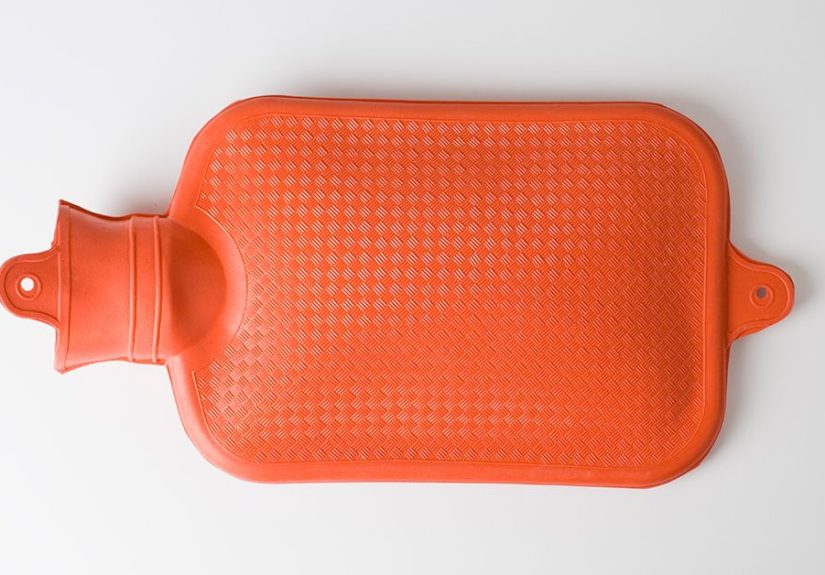
Warm compresses: Using a clean, warm (not scalding) washcloth over lesions for 10–15 minutes can
ease pain and sometimes encourage draining in a gentler way. -
Bleach baths: Very dilute bleach baths, used as directed by a dermatologist, may reduce bacteria,
inflammation, and itch for some people with HS. -
Epsom salt baths: These may help relax muscles and provide some comfort, even though the evidence
is mostly anecdotal.
Always ask your provider how often it’s safe to use these options and how to protect open skin. More soaking is not always better.
Gentle Skin Care and Clothing Choices
Anything that rubs, traps sweat, or digs into your skin can turn mild pain into a “why did I even leave the house” situation.
To reduce friction and irritation:
- Choose loose, breathable clothing (soft cottons, moisture-wicking fabrics).
- Avoid tight seams, underwires, or rough tags rubbing against affected areas.
- Consider non-irritating, fragrance-free cleansers and avoid aggressive scrubbing.
- Use recommended dressings or barrier creams to keep moisture and friction under control.
Nutrition, Weight, and Smoking
Lifestyle changes don’t replace medical treatment, but they can support better disease and pain control:
-
Weight management: Extra weight can increase friction and inflammation. Weight loss has been linked
with improvements in HS severity for some individuals. -
Smoking cessation: Smoking is strongly associated with HS, and quitting is often recommended to
support symptom control and overall health. -
Anti-inflammatory eating patterns: Diets that emphasize whole grains, fruits, vegetables, healthy fats,
and lean proteinssuch as a Mediterranean-style approachmay help some people feel better overall and support
inflammation control.
There’s no single “HS diet,” but if certain foods clearly trigger flares or worsen pain, it’s reasonable to track and discuss
those patterns with your healthcare team or a registered dietitian.
Complementary and Mind–Body Pain Management
Chronic pain is not just a physical experience; it can shape your mood, sleep, relationships, and sense of self.
Modern HS pain guidelines encourage a biopsychosocial modelmeaning we look at the body, the mind, and the
environment together when designing pain strategies.
Cognitive and Emotional Support
Helpful options can include:
-
Cognitive behavioral therapy (CBT) and acceptance and commitment therapy (ACT), which can
reduce pain-related distress, anxiety, and depression and help you function better day to day. - Support groupsin person or onlinewhere you can swap practical tips and feel less alone in the process.
-
Stress management tools like mindfulness, breathing exercises, or gentle yoga (modified to avoid irritating
affected areas).
Complementary Therapies and Supplements
Some people with HS explore additional options such as acupuncture, turmeric/curcumin supplements, alpha-lipoic acid (ALA),
zinc, or aloe vera gel. (Always discuss supplements with your healthcare provider to check for interactions and safety.)
Evidence for these approaches is still emerging and often limited. Think of them as potential add-ons to solid medical carenot
replacements for proven HS treatments.
When Procedures and Surgery Become Part of Pain Management
Sometimes, the source of severe pain is a deeply inflamed abscess or a network of tunnels that just won’t calm down.
In those cases, procedural or surgical interventions may actually be your best pain-relief tools.
- Incision and drainage: Can quickly relieve pressure from a painful abscess, though it may not prevent recurrence.
- Deroofing: Removes the top of chronic tunnels and lesions to help them heal in a more controlled way.
-
Wide excision: Removes entire areas of chronic disease; it’s a bigger surgery with longer recovery, but
for some people it dramatically reduces long-term pain in that region. -
Laser and other procedural treatments: In some cases, laser hair removal or other technologies are used
as part of a long-term HS strategy.
These procedures typically come with their own pain-management plan (before, during, and after), often combining local anesthetics,
short-term oral pain meds, and wound-care strategies.
Designing a Personalized Pain Management Plan
No two people with HS have the exact same pattern of pain, triggers, or response to treatment. That’s why many clinicians
advocate an individualized algorithm that considers:
- The severity and location of your HS.
- Whether your pain is mostly acute, chronic, nociceptive, neuropathic, or a mix.
- Your other health conditions and medications.
- How pain is affecting your daily life, sleep, work, intimacy, and mental health.
To make your next appointment more productive, you can:
- Keep a pain diary noting triggers, location, intensity (0–10), and what helped.
- List what you’ve already triedmedications, home remedies, lifestyle changesand whether they helped or not.
- Ask specifically about multi-step pain plans, not just a single medication.
- Bring questions about biologics, procedures, or referrals to a pain specialist or therapist.
A good HS pain plan isn’t “one prescription and done.” It’s a living strategy that evolves as your life, symptoms, and
available treatments change.
Real-World Experiences: What HS Pain Management Can Look Like Day to Day
Because HS pain is so personal, it can be helpful to think in terms of real-life scenarios. The following examples
are fictional composites based on common experiencesbut they may sound familiar and can spark ideas for your own plan.
The Morning Commute Warrior
Imagine someone who has HS lesions in the groin and inner thighs. Mornings used to mean wincing with every step and silently
negotiating with their jeans. After working with a dermatologist and pain specialist, their daily routine shifts:
-
They take scheduled acetaminophen or NSAIDs (as approved by their provider) on days when flares are active, instead
of waiting until the pain is unbearable. - They switched to loose, moisture-wicking underwear and pants, reducing friction on the ride to work.
-
Before leaving home, they use a warm compress for 10 minutes to calm one particularly angry lesion, then apply a
provider-recommended dressing to prevent rubbing. -
Over the past few months, they started biologic therapy. Flares still happen, but they’re less frequent and less intense,
so the pain routine that used to be a 10/10 emergency becomes a 4/10 annoyance.
The result? The commute is still not a spa experience, but it no longer feels like a daily endurance test.
The “I’d Like to Sleep, Please” Scenario
Another person might struggle most at night. When they lie down, pressure on the armpits or buttocks makes it almost impossible
to get comfortable. Their updated plan includes:
-
A bedtime pain routine of topical lidocaine (if appropriate for the skin surface), followed by a gentle warm compress
and a prescribed oral pain reliever on nights when pain is higher. -
Pillow and mattress adjustmentsextra pillows to offload pressure, a body pillow to keep the legs apart,
and soft bedding that doesn’t trap heat. -
Short, guided relaxation audio or breathing exercises to reduce tension and help the brain shift out of emergency mode
before sleep. -
Ongoing CBT-based pain coping sessions, which don’t magically erase pain but can make it less overwhelming
and reduce “pain plus panic” at 3 a.m.
Over time, they go from dreading bedtime to at least having a structured planand more nights where they actually get restorative sleep.
The “I Still Want a Life” Weekend
For many people, the biggest question is: “How do I manage pain and still do things I care about?” One person with HS on
the under-breast and abdominal areas wants to attend a family outing on a hot day. With planning, they:
- Wear light, breathable layers and bring a change of clothes and dressings in case sweat or friction ramps up.
-
Take their prescribed pain medication beforehand (within provider guidelines) so they start the event in a better place,
rather than chasing pain once it’s severe. - Plan for cool-down breaks in the shade and have a small kit with wipes, barrier cream, and gauze pads.
-
Use an “energy budget” mindset, knowing they might need extra rest that evening or the next dayand treating that
recovery time as part of the plan, not a failure.
They may still feel sore afterward, but instead of the outing turning into a week-long pain hangover, the flare is more manageable
because there was a strategy in place.
What These Stories Have in Common
Across different situations, the themes are similar:
- A mix of medication, self-care, and planningnot one magic trick.
- Partnership with healthcare professionals who take pain seriously.
- Willingness to experiment and adjust when something isn’t working.
- Protecting mental health and daily function as much as physical skin health.
You’re not being “dramatic” or “weak” for wanting better pain control. HS pain is real, complex, and deserving of a thoughtful,
layered approach.
Bottom Line
Pain from hidradenitis suppurativa is more than a side effectit’s a central part of the condition that can affect nearly every
part of life. But pain management doesn’t have to be an afterthought. With the right combination of disease control,
medications, home strategies, lifestyle changes, and emotional support, many people with HS do find a plan that reduces pain
and gives them more good days.
Your job is not to tough it out in silence. Your job is to team up with your healthcare providers, voice what you’re going through,
and keep refining your pain plan until it matches what you actually need. You deserve optionsand you have them.
SEO JSON META TAGS