Table of Contents >> Show >> Hide
- What Paxlovid Actually Is
- Who Should Consider Paxlovid?
- Why Timing Is Everything
- How Well Does Paxlovid Work?
- How to Take Paxlovid Correctly
- The Biggest Catch: Drug Interactions
- Side Effects: The Good, the Bad, and the Metallic
- What About Paxlovid Rebound?
- Can You Still Get Paxlovid Easily?
- Real-World Experiences With Paxlovid
- Final Thoughts
COVID may not dominate headlines the way it once did, but it still knows how to ruin a perfectly decent week. That is where Paxlovid enters the conversation. It is one of the best-known antiviral treatments for mild to moderate COVID-19 in people who are more likely to get seriously ill. The catch is that Paxlovid is not a casual “maybe later” medicine. Timing matters, your medication list matters, your kidney and liver function matter, and yes, that weird bitter taste people talk about is definitely a thing for some patients.
If you have been staring at a positive test and wondering whether Paxlovid is helpful, overhyped, or something in between, the practical answer is this: it can be a very useful treatment for the right person, especially when started early. But it is not a one-size-fits-all pill, and it definitely is not a substitute for common sense, updated vaccination, or talking to a clinician who knows your health history.
What Paxlovid Actually Is
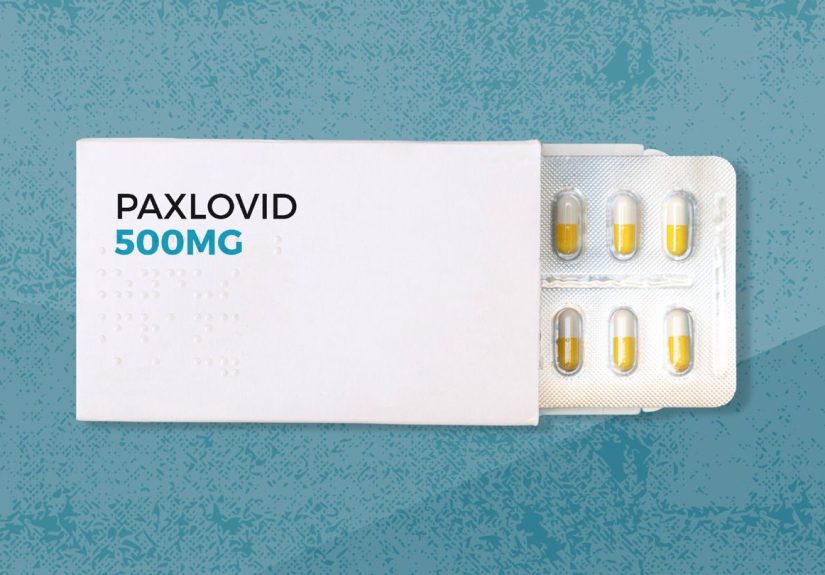
Paxlovid is a combination of two antiviral medicines: nirmatrelvir and ritonavir. Nirmatrelvir does the main job by blocking a protease the coronavirus needs in order to replicate. Ritonavir acts like the helpful but bossy friend in the group chat. It boosts the level of nirmatrelvir in the body so the treatment works the way it is supposed to.
In plain English, Paxlovid is designed to stop the virus from multiplying efficiently while the infection is still in its early stage. That is why it is used for mild to moderate COVID-19 in people who are not hospitalized for severe disease at the time treatment begins. It is FDA-approved for certain adults and remains authorized for certain adolescents ages 12 and older who weigh at least 88 pounds and are at high risk for severe illness.
One more important detail: Paxlovid is a treatment, not a prevention tool. It is not meant to be taken before exposure or as a just-in-case backup because somebody sneezed near the office coffee machine.
Who Should Consider Paxlovid?
Paxlovid is mainly intended for people with COVID-19 who have a higher risk of progressing to severe illness, hospitalization, or death. That usually includes people who are older, immunocompromised, or living with medical conditions that raise their risk.
Common groups that may qualify include:
- Adults age 50 and older, especially those over 65
- People with chronic conditions such as diabetes, heart disease, chronic lung disease, kidney disease, or obesity
- People with weakened immune systems
- Some pregnant patients, depending on their clinical situation and provider guidance
- Adolescents ages 12 and older who weigh at least 88 pounds and have high-risk factors
The phrase high risk is broader than many people think. A patient does not need to be critically ill to be a good candidate. In fact, the whole point is to treat early before things get worse. That is why clinicians often make the decision based on risk factors, not on how dramatic your symptoms seem on day one.
Meanwhile, someone young, otherwise healthy, and at very low risk for complications may get less benefit from Paxlovid. That does not make the drug ineffective. It just means the upside is greatest in people who have more to lose from a COVID infection.
Why Timing Is Everything
Paxlovid works best when it is started as soon as possible after a COVID-19 diagnosis and within five days of symptom onset. This is not the sort of medication you leave sitting in a pharmacy bag while you “see how things go.” If you wait too long, you can miss the window where the antiviral can do its best work.
That time limit also explains why fast testing and fast decision-making matter. A positive home antigen test may be enough in many situations, and some patients can be evaluated through telehealth or even by a pharmacist when enough information is available about kidney function, liver function, and current medications. In other words, you do not always need a dramatic medical production to get started, but you do need to move quickly.
How Well Does Paxlovid Work?
This is the question everyone really wants answered, preferably without needing a statistics degree. The short version is that Paxlovid has shown a meaningful ability to reduce the risk of severe outcomes in higher-risk patients when used early.
In the pivotal clinical trial cited in FDA labeling, the rate of COVID-related hospitalization or death through day 28 was 0.9% in the Paxlovid group versus 6.5% in the placebo group among higher-risk nonhospitalized adults treated within five days of symptom onset. That translated to a relative risk reduction of about 86%. That is not magic, but it is a very serious difference.
Real-world studies during later Omicron-era periods have also supported continued benefit in higher-risk patients, though the exact size of the benefit can vary depending on age, vaccination status, prior immunity, and underlying health conditions. That nuance matters. Paxlovid is not equally dramatic for every person on earth, but it remains an important option for the people most likely to have a rough ride with COVID.
Another useful mindset: the main goal of Paxlovid is not to make your sore throat disappear by lunchtime. Its job is to reduce the chances that your COVID case turns into something far more dangerous.
How to Take Paxlovid Correctly
The standard adult dose is taken for five days. For many patients, each regular dose includes two nirmatrelvir tablets and one ritonavir tablet taken together twice daily. The tablets can be taken with or without food, and they should be swallowed whole rather than chewed, crushed, or split.
This sounds simple, but there is an important twist: not everybody gets the standard pack. If you have kidney disease, the dose may need to be adjusted. Patients with moderate renal impairment usually need a lower nirmatrelvir dose. Updated labeling also includes a special regimen for severe renal impairment, including some patients on hemodialysis. Severe liver impairment, however, remains a major concern, and Paxlovid is not recommended in that setting.
If you miss a dose within eight hours of when you were supposed to take it, take it as soon as you remember. If more than eight hours have passed, skip that dose and take the next one at the regular time. Do not double up just because the clock made things awkward.
And yes, finish the five-day course unless your clinician tells you to stop. Quitting early because you feel better may sound tempting, but it is not how this treatment is meant to be used.
The Biggest Catch: Drug Interactions
If Paxlovid had a warning label written in giant flashing theater lights, it would say: check drug interactions. Ritonavir strongly affects a liver enzyme system called CYP3A, which means it can raise or alter levels of many other medications. Some combinations are manageable with temporary dose changes, close monitoring, or short-term holds. Others are unsafe enough that Paxlovid should be avoided altogether.
That is why clinicians want a full medication list, including prescription drugs, over-the-counter products, supplements, and herbal remedies. Certain heart rhythm medications, anti-seizure drugs, transplant drugs, cholesterol-lowering agents, blood thinners, migraine therapies, and other medications can be a problem. This is not a place for memory games. “I take a little white pill for something” is not ideal clinical data.
In practical life, this is often the real reason a person does or does not end up taking Paxlovid. The medicine itself may be appropriate, but the surrounding medication puzzle can be complicated. If interactions are too risky or too hard to manage, clinicians may look at alternatives such as remdesivir, depending on the situation.
Side Effects: The Good, the Bad, and the Metallic
Most people tolerate Paxlovid reasonably well, but it is not famous for tasting elegant. The most common side effects include altered taste and diarrhea. That altered taste is the side effect many patients jokingly call Paxlovid mouth, and it is often described as bitter or metallic. It is annoying, not glamorous, and in many cases temporary.
Other possible side effects can include nausea, vomiting, abdominal pain, headache, high blood pressure, and a general blah feeling. Serious reactions are less common but more important. Patients should seek medical help right away for signs of an allergic reaction, such as swelling, trouble breathing, hives, blisters, or peeling skin. Signs of possible liver problems, including yellowing of the skin or eyes, dark urine, pale stools, or persistent upper abdominal pain, also deserve prompt attention.
For many patients, the risk-benefit balance still favors treatment, especially when the alternative is a higher chance of severe COVID. A metallic mouth for a few days is not exactly a spa experience, but it is also not the same as ending up hospitalized.
What About Paxlovid Rebound?
Ah yes, rebound: the term that has launched a thousand anxious internet searches. COVID rebound generally refers to a return of symptoms or a new positive test after someone seemed to improve. It can happen after Paxlovid, but rebound is not unique to Paxlovid and can also happen in untreated COVID infections.
The smartest way to think about rebound is this: it is real, it is frustrating, and it does not mean the medication failed in its main mission. Current evidence does not show a consistent association between treatment and rebound. In other words, Paxlovid is not simply causing COVID to boomerang out of spite.
Most rebound cases are mild, but they still matter because a person may become symptomatic again and may be contagious. If symptoms return or a test becomes positive again, follow current public health guidance, limit contact with others, and use extra caution around people at high risk. Rebound is inconvenient, but it should not scare high-risk patients away from a treatment that can lower the risk of severe disease.
Can You Still Get Paxlovid Easily?
In many cases, yes. Paxlovid is still available through regular medical channels, including doctors’ offices, urgent care, telehealth, and some pharmacies. Some pharmacists may prescribe it when they have enough information to safely assess kidney function, liver status, and medication interactions. That can be a huge help when the five-day window is ticking loudly in the background.
Access and out-of-pocket costs can vary depending on insurance and assistance programs, but support options do exist for some commercially insured patients as well as some Medicare, Medicaid, and uninsured patients. Translation: do not assume it is impossible to get. Ask.
Real-World Experiences With Paxlovid
One reason Paxlovid creates so much conversation is that people’s real-life experiences with it tend to be memorable. Not always dramatic, but memorable. The first common experience is the speed of the decision. Many people go from “I think this is allergies” to “Well, that test line got dark fast” in a single morning. If they are older or have medical conditions, the next few hours suddenly matter a lot because Paxlovid works best when started early. In practical terms, that creates a rush of phone calls, portal messages, telehealth visits, and hurried attempts to remember every medication in the bathroom cabinet.
The second common experience is relief mixed with paperwork. A lot of patients feel reassured simply knowing there is an antiviral option available for early COVID. But that relief often comes with a long conversation about drug interactions. For people who take several daily medications, the prescribing process can feel less like “Here is your medicine” and more like solving a mildly annoying escape room. A clinician may need to pause one medication, adjust another, confirm kidney function, or decide Paxlovid is not the safest fit after all. That does not mean the system is broken. It means the medicine is powerful enough that details matter.
Then comes the side-effect phase, and this is where patient stories start sounding oddly similar. Many people say the metallic or bitter taste shows up early and lingers in a way that is hard to ignore. Some describe it as having a grapefruit-flavored robot coin stuck in the back of the mouth. Others barely notice it. Diarrhea or stomach upset can happen too, though not everyone gets it. Most people who do feel side effects still describe them as manageable rather than deal-breaking.
Another real-world pattern is confusion about what improvement is supposed to look like. Some patients feel better pretty quickly and assume the drug is “working.” Others still feel tired, congested, or foggy and worry that it is not. The important point is that Paxlovid is meant to lower the risk of severe outcomes, not guarantee a cinematic recovery montage by day two. You can feel lousy and still be benefiting from the treatment.
Rebound is probably the experience people fear most because it feels emotionally rude. A person improves, tests lighter or negative, begins to rejoin normal life, and then symptoms boomerang back. That can be discouraging, but it does not erase the earlier benefit of treatment. Many rebound episodes are mild. The bigger issue is practical: people may need to mask again, isolate again, and explain to family members that yes, COVID apparently enjoys sequels.
Finally, many patients walk away from the experience with the same lesson: preparation helps. Knowing your medications, having recent kidney information available if relevant, testing quickly when symptoms start, and contacting a clinician early can make the whole process smoother. Paxlovid is not a miracle pill, but for the right patient at the right time, it can turn a potentially dangerous infection into something far less threatening. That is not hype. That is good planning meeting good medicine.
Final Thoughts
Paxlovid remains one of the most important early treatments for COVID-19 in people at higher risk of severe illness. Its value is straightforward: it can lower the risk of hospitalization and death when started early in the right patient. Its complications are also straightforward: drug interactions, dosing adjustments, and rebound confusion can make the experience less simple than people expect.
If there is one big takeaway, it is this: do not wait. If you test positive, have symptoms, and think you might be high risk, contact a healthcare professional quickly. Paxlovid is the kind of medication that rewards fast action, honest medication review, and a little less “I’ll sleep on it” energy.