Table of Contents >> Show >> Hide
- Why Small Homes Are Having a Big Moment
- The Online Group Effect: Why People Love Sharing Tiny Living Spaces
- What the “30 Pics” Usually Teach Us About Small-Space Design
- Small Homes and the Affordability Conversation
- Sustainability: Is Smaller Always Greener?
- The Emotional Side of Living Small
- Common Challenges People Mention in Small-Home Communities
- Design Ideas Inspired by Small Homes Shared Online
- Why These 30 Pics Resonate With So Many People
- Extra Experiences and Lessons From Small-Home Living
- Conclusion
There is something deeply satisfying about seeing a tiny home that works. Not “works” in the way a showroom works, where nobody has ever spilled coffee on the rug or panicked over where to store a vacuum. I mean a real small home: a compact cabin, a 400-square-foot cottage, a studio apartment, a tiny house on wheels, or a 750-square-foot one-bedroom where every hook, shelf, drawer, and window has earned its place.
That is exactly why online communities dedicated to small homes have become such cozy corners of the internet. People who live in small homes gather to share photos of their living spaces, swap practical advice, celebrate clever layouts, and occasionally admit that, yes, owning only two frying pans is not always the glamorous minimalist dream Instagram promised. Still, the charm is undeniable. These spaces are warm, personal, creative, and often far more interesting than giant houses where entire rooms exist just to hold decorative pillows nobody is allowed to touch.
The popularity of small home living is not just about aesthetics. It is tied to housing affordability, changing lifestyles, sustainability, remote work, downsizing, and the desire to spend less time maintaining square footage and more time actually living. From Reddit’s tiny house communities to home design websites and real-life small-space tours, one theme keeps appearing: a small home can feel spacious when it is designed with intention.
Why Small Homes Are Having a Big Moment
For decades, the American dream was often measured in square feet. Bigger house, bigger yard, bigger garage, bigger everything. Then reality walked in holding a mortgage statement, a utility bill, and a mop. Suddenly, many people began asking a better question: how much space do we actually need?
Small homes appeal to different people for different reasons. Some want lower housing costs. Some want to live with less clutter. Some are attracted to eco-friendly design. Others simply love the snug feeling of a home where everything is close, useful, and personal. A tiny house can be a full-time residence, a backyard accessory dwelling unit, a vacation cabin, a converted bus, a micro-apartment, or a modest older home that has been lovingly restored.
Online groups make the trend feel less like a niche lifestyle and more like a living, breathing design laboratory. One person posts a loft bed with storage stairs. Another shares a tiny kitchen where the cutting board slides over the sink. Someone else shows off a paid-off old house under 800 square feet, and suddenly half the comments are cheering like the home just won an Olympic medal. In a world where housing often feels stressful, these posts are oddly hopeful.
The Online Group Effect: Why People Love Sharing Tiny Living Spaces
Small home communities succeed because they combine inspiration with realism. Glossy design magazines can show a perfect 300-square-foot studio where every surface is white and nobody appears to own socks. Online groups, by contrast, show real homes with pets, plants, books, coffee mugs, folding tables, wood stoves, and the occasional “please ignore the laundry basket” energy.
The best small-home posts usually do three things. First, they show how the space actually functions. Second, they reveal personality. Third, they invite conversation. People ask about insulation, zoning, loft height, composting toilets, storage, heating, and whether it is possible to live in a tiny house with a partner without starting a dramatic argument over where the Instant Pot should go.
These discussions are valuable because small-space living is not just about decorating. It is about systems. Where do shoes land? Where do guests sleep? How do you cook without covering your entire counter in chaos? Where does the dog bed go? What happens when winter coats multiply like emotionally needy fabric ghosts? The answers are different in every home, and that is what makes the photos so fun to study.
What the “30 Pics” Usually Teach Us About Small-Space Design
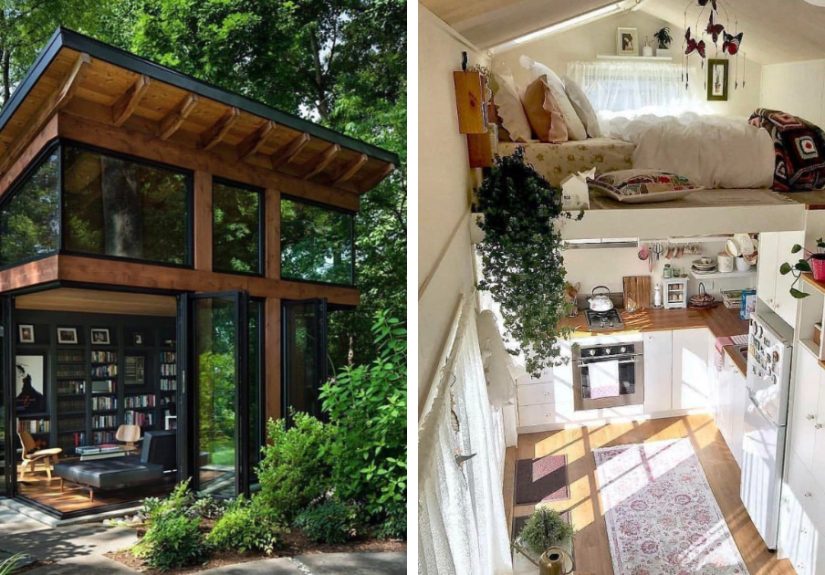
A photo roundup of small homes is more than eye candy. It is a collection of design lessons hiding in plain sight. When people share compact living spaces, certain ideas keep appearing because they work.
1. Vertical Space Is Prime Real Estate
In a small home, walls are not just walls. They are storage opportunities wearing paint. Floating shelves, pegboards, tall bookcases, hanging pot racks, wall-mounted desks, and loft beds all help free up floor space. The floor is where life happens, so the more items that can move upward, the more open the home feels.
This is why so many tiny homes use lofts. A sleeping loft can turn one room into two zones without adding a single extra square foot. Of course, lofts are not for everyone. If climbing a ladder half-asleep sounds like an extreme sport, storage lofts or low platform beds may be smarter alternatives.
2. Built-Ins Make Small Homes Feel Custom
Built-in benches, banquettes, wardrobes, bookshelves, and window seats are small-space heroes. Unlike bulky freestanding furniture, built-ins can hug awkward corners, stretch along walls, and provide hidden storage. A bench can hold blankets. A staircase can hide drawers. A platform bed can swallow off-season clothes like a well-behaved storage monster.
The most successful small homes rarely look like someone simply shrank a normal house. Instead, they are designed around the actual needs of the resident. A reader who loves books may prioritize a wall library. A remote worker may need a fold-down desk. A cook may choose a larger kitchen and a smaller sofa. The magic is in the trade-off.
3. Light Changes Everything
A small room with poor lighting can feel like a storage unit with throw pillows. A small room with good lighting can feel airy, cheerful, and surprisingly generous. Natural light, mirrors, glass doors, skylights, pale walls, and layered lamps all help expand the feeling of space.
Many tiny homes in online communities use large windows not only for light but also for emotional breathing room. A view of trees, mountains, a garden, or even a lively street can make a compact interior feel connected to something larger. The best small homes do not trap you inside; they frame the outside world beautifully.
4. Multi-Functional Furniture Earns Its Keep
In a large house, a chair can just be a chair. In a tiny home, that chair may need to be a dining seat, work seat, guest seat, and “place where laundry rests before it becomes a lifestyle problem.” Multi-functional furniture is essential. Think sofa beds, nesting tables, storage ottomans, drop-leaf dining tables, Murphy beds, rolling kitchen carts, and benches with lift-up lids.
The key is not buying every clever gadget on the internet. The key is choosing pieces that match daily habits. A folding dining table is brilliant if you actually fold it. A wall bed is useful if moving pillows twice a day does not make you question your life choices. Good small-space design is honest about behavior.
Small Homes and the Affordability Conversation
Small homes are not a magic solution to the housing crisis, but they are part of the conversation. Rising housing costs, elevated mortgage rates, and high rents have pushed many people to reconsider what “enough” looks like. Smaller homes can reduce purchase prices, utility costs, furnishing expenses, and maintenance time. For some owners, a modest paid-off home brings more freedom than a larger house with decades of financial pressure attached.
That said, small does not always mean cheap. A professionally built tiny house can be expensive per square foot, especially when it includes custom cabinetry, quality insulation, plumbing, electrical systems, appliances, trailers, solar equipment, or off-grid features. Land, permits, zoning, hookups, transportation, and financing can also complicate the dream. The internet loves a charming tiny cabin; the local building department may have additional thoughts.
This is why experienced small-home owners often advise beginners to research first and romanticize second. A tiny house lifestyle may look peaceful in photos, but successful tiny living depends on planning, legal placement, climate control, storage, water access, waste systems, and long-term comfort.
Sustainability: Is Smaller Always Greener?
Small homes can support a lighter environmental footprint because they typically require fewer materials to build, less energy to heat and cool, and fewer possessions to fill. Compact homes also encourage conscious consumption. When your closet is the size of a generous suitcase, buying five nearly identical jackets becomes a philosophical event.
However, sustainability depends on more than square footage. A well-insulated small home with efficient appliances, durable materials, good windows, and smart orientation will perform better than a poorly built tiny structure that leaks air like a gossip at brunch. Location matters too. A small apartment near public transit may have a lower overall footprint than a remote tiny home that requires long daily driving.
The best small homes combine size with quality. They use durable finishes, proper ventilation, efficient heating and cooling, responsible water systems, and designs that adapt over time. In other words, the greenest home is not only small; it is well built, well used, and not replaced every few years because the layout drove everyone bananas.
The Emotional Side of Living Small
Small homes are practical, but their popularity is also emotional. People are drawn to cozy spaces because they feel manageable. A tiny home can create a sense of calm in a noisy world. When every object has a place, the home begins to feel less like a burden and more like a partner.
There is also pride in solving spatial puzzles. A small-home owner who figures out how to store camping gear, winter bedding, tools, and a cat tree in 450 square feet deserves applause. Maybe a trophy. At minimum, a well-labeled bin.
Small living also pushes people to define what matters. Do you need a formal dining room, or do you need a sunny breakfast nook? Do you need three guest rooms, or do you need one comfortable sofa bed and friends who understand boundaries? Do you need a walk-in closet, or do you need fewer clothes that you genuinely love?
Common Challenges People Mention in Small-Home Communities
The tiny home lifestyle is not all fairy lights and perfectly folded linen. Small homes come with real challenges, and online groups are useful because they do not hide them.
Storage Can Become a Daily Negotiation
Even minimalists own toilet paper, paperwork, cleaning supplies, medicine, tools, cables, shoes, towels, and mystery items that appear from nowhere. Without a storage plan, a small home can become cluttered quickly. The solution is not just having less. It is creating zones: entry storage, kitchen storage, clothing storage, hobby storage, and hidden storage for things that are useful but not pretty.
Privacy Takes Planning
For couples, families, or roommates, small homes require emotional intelligence and sometimes noise-canceling headphones. Sliding doors, curtains, lofts, outdoor decks, separate work nooks, and scheduled alone time can make compact living more comfortable.
Moisture and Ventilation Matter
Cooking, showering, breathing, and drying clothes all add moisture. In a small home, moisture builds quickly if ventilation is poor. Good fans, windows, range hoods, dehumidifiers, and proper insulation are not glamorous, but neither is discovering mildew behind your favorite basket.
Zoning Can Be Complicated
Many tiny homes, especially homes on wheels, face local zoning and code restrictions. Some areas welcome accessory dwelling units or tiny-house communities; others make placement difficult. Anyone planning to build or buy a tiny home should check local rules before ordering a dream house online at 2 a.m.
Design Ideas Inspired by Small Homes Shared Online
If you love the look of the small homes in these online groups, you do not need to move into a 200-square-foot cabin to borrow the best ideas. Many tiny-house tricks work beautifully in apartments, older homes, dorm rooms, and compact city condos.
Use One Color Story
A consistent color palette makes a small space feel calmer. This does not mean everything must be white. Warm wood, soft greens, deep navy, clay tones, or cheerful pastels can work well. The goal is visual harmony, not living inside a bowl of plain oatmeal.
Choose Furniture With Legs
Furniture raised on legs lets more floor show, which can make a room feel lighter. Sofas, chairs, beds, and cabinets that float visually above the floor prevent the space from feeling blocked.
Create Zones Without Heavy Walls
Rugs, lighting, bookshelves, curtains, and furniture placement can define areas without closing the room. A studio apartment can have a sleeping zone, work zone, dining zone, and lounge zone if each area has a clear purpose.
Edit Often
Small homes require regular editing. If something is broken, unused, duplicated, or only kept because guilt is apparently an interior design style, it may be time to let it go. Decluttering is not a one-time event; it is maintenance.
Why These 30 Pics Resonate With So Many People
Photo collections of small homes are popular because they offer both fantasy and possibility. Viewers can imagine waking up in a tiny woodland cabin, cooking in a compact sunlit kitchen, reading beside a miniature wood stove, or paying off a modest home and breathing a little easier.
But the appeal goes deeper than cuteness. These homes challenge the idea that success must look enormous. They suggest that beauty can live in a 300-square-foot cabin, comfort can fit inside a studio, and personality does not require a mansion. A small home can be rustic, modern, colorful, minimalist, bohemian, traditional, or wonderfully weird. The square footage may be limited, but the creativity is not.
Extra Experiences and Lessons From Small-Home Living
After spending time reading small-home stories and studying shared living-space photos, one thing becomes clear: living small is less about deprivation and more about attention. In a large home, it is easy to ignore bad habits. You can toss mail in one room, laundry in another, unused decor in a closet, and still convince yourself everything is fine. In a small home, the house tells the truth immediately. If you do not put things away, the room becomes messy in five minutes. If furniture is too big, your knees will file a formal complaint. If storage is poorly planned, every morning becomes a treasure hunt, except the treasure is your clean socks.
One of the most useful lessons from small-home dwellers is to design around routines, not fantasies. Many people imagine a tiny home version of themselves who drinks tea calmly, owns three linen shirts, and never impulse-buys kitchen gadgets. Real life is different. You may need space for muddy boots, pet food, sports gear, craft supplies, gaming equipment, or a coffee setup that looks like it could power a small airport. A good small home does not erase your life. It organizes it.
Another important experience is learning the value of outdoor space. Many tiny homes feel successful because they extend living beyond the walls. A porch, deck, balcony, garden, courtyard, or even a small seating area near the door can make a compact home feel much larger. Outdoor space gives people room to breathe, host friends, drink coffee, dry laundry, grow herbs, or simply step away from the interior when the walls feel close.
Small-home residents also talk often about the relationship between possessions and peace. When storage is limited, every item must justify its place. That sounds strict, but many people find it freeing. They stop buying things just because they are on sale. They choose better versions of fewer items. They repair, donate, sell, or repurpose. The home becomes less of a warehouse and more of a curated toolkit for daily living.
Of course, small living is not automatically simple. Couples may need to negotiate alone time. Families need flexible storage and realistic expectations. Remote workers need proper chairs, lighting, and separation between “office” and “home,” even if the commute is only four steps. People with hobbies must plan carefully, especially if the hobby involves large equipment, many supplies, or glitter, which is legally impossible to contain.
The biggest takeaway is that small homes reward intention. They ask residents to think about how they cook, sleep, work, rest, clean, entertain, and recharge. They make design personal. The best small homes are not perfect; they are responsive. They change as life changes. A shelf becomes a desk. A bench becomes storage. A dining table becomes a workspace. A window becomes the favorite room in the house.
That is why these online groups keep growing. People are not just looking at tiny homes; they are looking for ideas about freedom, comfort, affordability, creativity, and enoughness. A small home, done well, is not a compromise. It is a carefully edited love letter to daily life.
Conclusion
People who live in small homes are proving that good design is not measured by square footage. It is measured by comfort, function, personality, and the ability to find your favorite mug without excavating three cabinets. Online groups that share tiny houses and compact living spaces are popular because they show real creativity in real homes. Some spaces are rustic and off-grid. Some are polished and modern. Some are older, modest houses with history in the floorboards. All of them remind us that a home does not need to be huge to feel complete.
Small-home living is not for everyone, and it comes with challenges: storage, privacy, zoning, moisture control, and the constant need to keep clutter under control. But for many people, the benefits are powerful. Lower costs, less maintenance, smarter consumption, and a stronger connection to what truly matters can make compact living deeply rewarding.
Whether you are planning a tiny house, decorating a studio apartment, downsizing after years in a larger home, or simply collecting inspiration from 30 delightful pictures online, the lesson is the same: small spaces can hold big lives.