Table of Contents >> Show >> Hide
- What Is a Plain Monogrammed Coco Doormat?
- Why Homeowners Love This Style
- How to Choose the Right Plain Monogrammed Coco Doormat
- Why Plain Beats Busy at the Front Door
- How to Style a Plain Monogrammed Coco Doormat
- How to Clean and Maintain It
- Common Mistakes to Avoid
- Is a Plain Monogrammed Coco Doormat Worth It?
- Final Thoughts
- Experiences With a Plain Monogrammed Coco Doormat
A great front entry does not need fireworks, a brass band, or a wreath large enough to have its own zip code. Sometimes all it needs is a plain monogrammed coco doormat: simple, durable, welcoming, and just personalized enough to say, “Yes, real people with decent taste live here.” It is one of those small home details that manages to be practical and stylish at the same time, which is rare. Most useful things are not exactly glamorous. A mop bucket, for example, is not winning any beauty contests.
The beauty of a plain monogrammed coco doormat is that it does two jobs at once. First, it helps scrape dirt, dust, and everyday sidewalk drama off shoes before that mess lands on your floors. Second, it creates a polished first impression. A plain design feels timeless, while the monogram adds identity without turning your entry into a billboard. The result is clean, classic, and easy to style with almost any home exterior, from a modern townhouse to a farmhouse porch to a city apartment landing.
If you are shopping for one, decorating around one, or trying to decide whether a personalized doormat is worth it, this guide walks through everything that matters: material, sizing, placement, upkeep, design choices, and what living with one is actually like in the real world.
What Is a Plain Monogrammed Coco Doormat?
A coco doormat is usually made from coir, a tough natural fiber taken from coconut husks. That is why you will see both “coco” and “coir” used to describe the same type of mat. These fibers are naturally coarse, which is exactly what you want at the front door. They help brush dirt and debris off shoes better than softer decorative mats that look lovely but behave like timid interns.
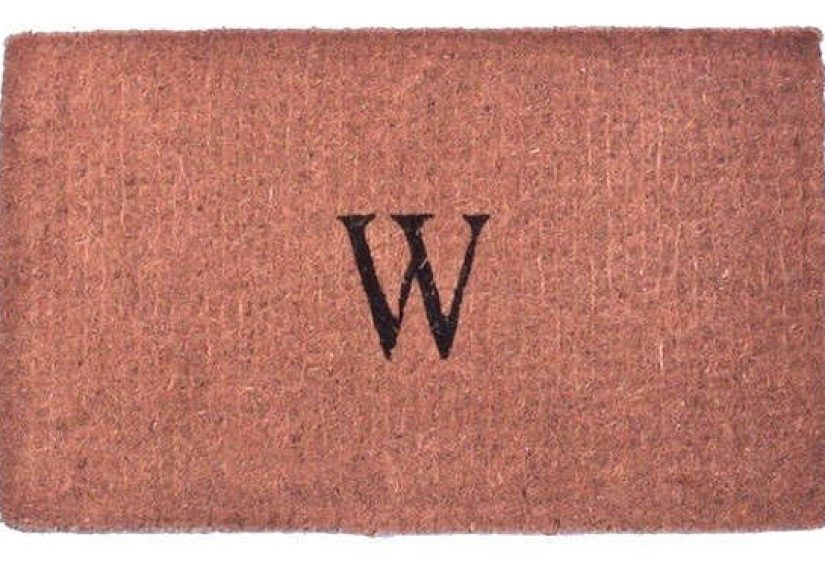
When the mat is described as plain monogrammed, it usually means the design is intentionally minimal. Think a natural tan or brown fiber base, maybe a black border, and a single initial, double initial, family name, or house number. There is no loud seasonal slogan, no cheeky phrase, and no flamingo wearing sunglasses. It is understated on purpose.
That simplicity is what makes this style so versatile. It blends into traditional, transitional, coastal, modern organic, and even minimalist exteriors without looking trendy in a way that will feel tired next season.
Why Homeowners Love This Style
1. It looks polished without trying too hard
Plain monogrammed mats land in that sweet spot between decorative and restrained. They feel more elevated than a generic “Welcome” mat, but they are not so busy that they compete with your front door color, planters, house numbers, or porch furniture.
2. It adds a personal touch
A monogram makes an entry feel intentional. Even a single initial can make the space look curated instead of accidental. It is one of the easiest ways to make your home feel more custom without paying custom-cabinet money.
3. It actually works
This is not just a pretty porch accessory. A good coco doormat is designed to scrape mud, dust, and grit from shoes before those particles end up migrating into your hallway, kitchen, or living room like they pay rent.
4. It suits gift-giving
Because it is personal but still useful, a monogrammed coco doormat makes a smart gift for weddings, housewarmings, first homes, anniversaries, and holiday hosting. It feels thoughtful without forcing someone to pretend they needed another candle.
How to Choose the Right Plain Monogrammed Coco Doormat
Pick the right size first
Size is where many people go wrong. A doormat that is too small can look skimpy and does not give guests enough room to actually wipe their feet. As a rule, your mat should feel proportional to the width of the doorway and the space around it.
Common sizes include:
- 18 x 30 inches: good for smaller apartment doors, side entrances, or tighter landings.
- 22 x 36 or 24 x 36 inches: the most versatile size for a standard front door.
- 24 x 57 or 30 x 48 inches: ideal for double doors, wide entries, or anyone who wants a more generous, designer-style look.
If your porch feels spacious, go bigger. A larger mat tends to look more intentional and performs better because there is more surface area for scraping shoes. Tiny mats often look like an afterthought, like they wandered to the front door by mistake.
Think about door clearance
Before you fall in love with a thick mat, make sure your door can open over it comfortably. Some coir mats are chunky and substantial, which is fantastic for texture but less fantastic if your front door starts shaving the top of the mat every time it opens. Low-profile options are better for tight clearance.
Choose a simple monogram format
The most successful plain monogrammed mats usually keep the personalization restrained. Good options include:
- A single large initial
- Two initials for couples or shared last names
- A surname in clean lettering
- House numbers for a more modern look
Minimal layouts age better than overly elaborate scripts or crowded decorative flourishes. If your goal is timeless curb appeal, simple lettering wins almost every time.
Look at the backing
Many coco mats include a PVC, vinyl, or rubber backing to help the mat stay in place and protect the surface underneath. This matters for both performance and safety. A doormat should lie flat, not slide around or curl at the edges like it has developed a dramatic personality.
Covered entry or open exposure?
Coir is durable, but it is usually happiest in a covered or somewhat sheltered area. If your entry gets direct rain, intense sun, or constant saturation, the mat may fade faster, shed more, or wear out sooner. For a fully exposed entry, you may still use a coco mat, but you should expect more frequent replacement than you would under a porch roof or overhang.
Why Plain Beats Busy at the Front Door
There is nothing wrong with a whimsical mat, but plain monogrammed coco doormats have a few major design advantages. First, they complement more things. A clean monogram works with wreaths, lanterns, planters, seasonal stems, black iron hardware, natural wood doors, painted brick, and about a dozen porch styles in between.
Second, a plain mat reads as more expensive. Minimal design tends to look refined, especially when paired with quality material and a crisp border. Third, it has better staying power. You do not have to swap it out every few months unless you want to. It works in spring, summer, fall, winter, and those weird in-between weeks when your porch has one pumpkin and a leftover holiday ribbon.
How to Style a Plain Monogrammed Coco Doormat
With a layered rug
One of the most popular front porch looks is layering a coco mat on top of a larger patterned outdoor rug. A striped or checkered base rug can make the plain monogram pop while adding softness and visual depth. This works especially well if your front door area feels a little flat or narrow.
With symmetrical planters
If your doormat has a clean monogram and a border, pair it with matching planters on both sides of the door. The effect is classic and balanced. Boxwoods, ferns, olive trees, or simple seasonal arrangements all play nicely with a natural coco texture.
With classic hardware
Matte black, brass, or aged bronze door hardware tends to look especially sharp with the natural tan-and-black palette common in monogrammed coco mats. The combination feels tailored but still warm.
With minimal seasonal swaps
You do not need to replace the mat every season. Instead, let the mat stay put and change nearby accents: pumpkins in the fall, evergreen pots in winter, bright florals in spring, and lanterns in summer. The mat becomes the stable anchor that keeps the whole entry from looking chaotic.
How to Clean and Maintain It
This is the part nobody posts about on social media, but it matters. Even the prettiest mat stops being charming when it is packed with dirt and looking like it fought a losing battle with six muddy sneakers.
Here is the easiest maintenance routine:
- Shake it out weekly if the entry gets regular traffic.
- Vacuum it to pull dirt from the bristles.
- Spot clean with mild detergent or warm water when needed.
- Use baking soda occasionally to help deodorize a coir mat before vacuuming it away.
- Let it dry fully before placing it back down if it gets damp.
A little shedding is normal with coir, especially when the mat is new. That is not a defect; it is part of the material’s natural character. But if fibers are coming off in chunks or the edges look ragged, the mat may be nearing retirement. A doormat does not need a farewell party, but it does need replacing once it stops lying flat or doing its job.
Common Mistakes to Avoid
Choosing style over performance
A mat should be attractive, but it still needs to scrape shoes and stay put. If it is all looks and no function, it is basically porch jewelry.
Buying too small
Undersized mats make an entry look unfinished. When in doubt, size up.
Ignoring weather exposure
If your front step gets heavy rain or harsh all-day sun, know that a natural-fiber mat may age faster. Plan accordingly.
Making the monogram too elaborate
Fancy script can be pretty, but overly complex lettering is harder to read from a distance and can make a plain mat feel less plain. Clean typography usually looks stronger outdoors.
Forgetting the rest of the entry
A beautiful doormat helps, but it shines most when the surrounding area is tidy. Sweep the porch, wipe the door, and straighten the planters. The mat is the final touch, not a magic spell.
Is a Plain Monogrammed Coco Doormat Worth It?
Yes, especially if you want one front-door piece that balances function, personality, and timeless style. It helps keep dirt outside, gives guests a welcoming first impression, and makes the entry feel more finished. Compared with many home upgrades, it is relatively affordable, easy to install, and immediately noticeable.
It is also one of those small details that quietly signals a home is cared for. Not in a fussy way. Not in a “nobody sit on the couch” way. More in a “this place is loved, used, and thoughtfully put together” way.
Final Thoughts
A plain monogrammed coco doormat works because it keeps things simple. The natural texture adds warmth. The monogram adds identity. The durable fibers help trap outdoor mess before it turns into indoor regret. And the clean design plays well with almost every exterior style.
If you want your entry to look polished without becoming precious, this is a smart buy. Choose the right size, keep the design minimal, place it where it has some protection from the elements, and give it a quick shake or vacuum now and then. That is really all it takes.
Sometimes the best home upgrades are not the loudest ones. Sometimes they are the quiet little details under your feet, doing their job beautifully while your guests think, “Okay, this house has it together.”
Experiences With a Plain Monogrammed Coco Doormat
Living with a plain monogrammed coco doormat is one of those subtle home experiences that becomes more satisfying over time. On day one, it feels like a decorative purchase. By week three, it starts feeling like a hardworking member of the household. You notice less grit at the entry. You notice the front step looks more finished. You notice visitors pause for a split second before knocking, because a personalized mat creates that tiny “someone thoughtful lives here” impression.
One of the most common experiences people have with this kind of mat is how much it visually upgrades a front door without needing any major decorating effort. A plain monogram on natural fiber instantly adds structure to the space. Even if the porch is simple, the mat makes it look styled. Put it under a black lantern, beside a pot of greenery, or in front of a painted door, and the whole entry seems more intentional. It is a very low-lift way to get a high-impact result.
Another real-life experience is discovering that coir mats are not delicate little design objects. They are built to be used. Shoes get wiped on them. Dogs bound over them. Delivery boxes land on them. Kids run across them at full speed like the porch is an Olympic event. A good coco mat usually handles that chaos surprisingly well, which is part of its charm. It feels both decorative and unfussy.
That said, owners also learn quickly that natural coir has a personality. It sheds a bit, especially when new. The first few cleanings may produce more loose fibers than expected. This usually settles down, but it is a normal part of the experience. People who buy coco mats because they love natural materials often do not mind this much. In fact, many end up preferring the texture and authenticity of coir over mats that look more synthetic or flat.
There is also a practical emotional side to a monogrammed mat. It can make a house feel established. For newlyweds, first-time homeowners, or families who recently moved, putting a personalized mat at the door can feel like a small ceremony of arrival. It signals that the home is no longer temporary or anonymous. It has an identity now. Even renters can get that feeling with a simple initial or house number version that personalizes the entry without making permanent changes.
Seasonally, this type of doormat tends to be easy to live with because it does not force constant updates. It works with pumpkins in October, evergreen pots in December, bright flowers in April, and everyday greenery the rest of the year. That flexibility becomes part of the long-term appeal. Instead of being one more item to store and rotate, it becomes the one steady piece that always works.
In the end, the lived experience of a plain monogrammed coco doormat is pretty simple: it makes the front door feel better. Cleaner, calmer, more personal, more pulled together. Not flashy. Not fussy. Just quietly effective, which may be the most underrated luxury in home design.