Table of Contents >> Show >> Hide
- What Is Poison Sumac?
- What Does a Poison Sumac Rash Look Like?
- Poison Sumac Pictures: What to Look for in Photos
- How Poison Sumac Rash Spreads, and How It Doesn’t
- Poison Sumac Treatment: What to Do Right Away
- When Poison Sumac Rash Needs a Doctor
- How to Prevent Poison Sumac Rash
- Poison Sumac vs. Poison Ivy
- Final Thoughts
- Experience-Based Section: What Poison Sumac Often Feels Like in Real Life
Poison sumac is the overachiever of the rash world. Poison ivy gets all the fame, poison oak gets honorable mentions, and poison sumac quietly hangs out in wet, swampy places waiting to ruin someone’s weekend. If you brush against it, the plant’s sticky oil can trigger an itchy, red, blistering rash that feels like your skin is filing a formal complaint.
The good news is that poison sumac rash is usually treatable at home. The even better news is that once you know what the plant looks like, where it grows, and how to handle exposure quickly, you can seriously cut your odds of spending the next two weeks trying not to scratch your ankle off.
This guide covers what poison sumac is, what the rash looks like, how to identify it in pictures, how treatment works, when to call a doctor, and how to avoid a repeat performance. At the end, you’ll also find real-world style experiences that show how poison sumac tends to play out in everyday life.
What Is Poison Sumac?
Poison sumac is a woody shrub or small tree in the Toxicodendron family, the same family as poison ivy and poison oak. Its troublemaker ingredient is urushiol, an oily resin found throughout the plant. That means the leaves, stems, roots, and even contaminated objects can all cause a reaction.
Unlike poison ivy, which often grows along trails, fences, and tree trunks, poison sumac tends to grow in very wet areas such as bogs, swamps, marsh edges, and soggy woods. It’s more common in parts of the eastern and southeastern United States, which is one reason some people have never seen it in person but still somehow manage to meet it at the worst possible time.
If urushiol gets on your skin, it can trigger an allergic contact dermatitis. The rash is not caused by poison entering your bloodstream. It is your immune system reacting to the oil like an overly dramatic bouncer who has decided that resin is not on the guest list.
What Does a Poison Sumac Rash Look Like?
A poison sumac rash can look different depending on how much oil touched your skin, how sensitive you are, and whether you have had previous exposure. Still, most cases follow a pretty familiar pattern.
Common Poison Sumac Rash Symptoms
You may notice:
- Intense itching
- Redness or pink patches
- Swelling
- Small bumps or raised streaks
- Blisters that may ooze and crust
- A linear or streaky pattern where the plant brushed the skin
Many people describe the rash as burning and itchy at the same time. That is a rude combination, but it is common. Some areas react faster than others, so the rash can seem like it is spreading. Usually, that is just delayed skin reaction or leftover urushiol still sitting on clothing, shoes, gloves, tools, or pet fur.
How Long Does It Take to Show Up?
If you have reacted to poison ivy, poison oak, or poison sumac before, the rash can appear within hours to a couple of days. If you have never reacted before, it may take longer. That delay is one reason people sometimes swear the rash came from “nothing.” Unfortunately, “nothing” was probably a very oily plant yesterday.
How Long Does It Last?
Mild cases often improve within one to three weeks. More severe cases can last longer, especially if the rash covers a large area or involves swelling, weeping blisters, or repeated re-exposure from contaminated items. Scratching can also make healing drag on and may lead to a skin infection.
Poison Sumac Pictures: What to Look for in Photos
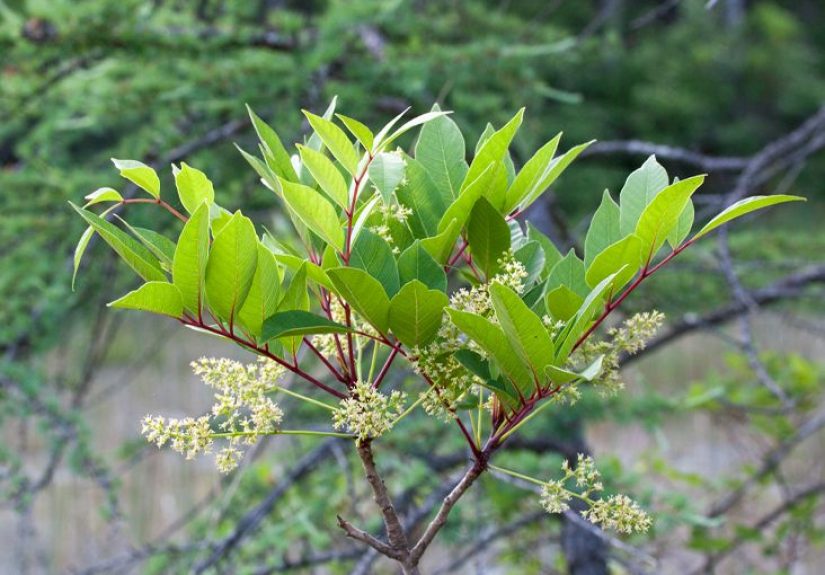
If you are searching online for poison sumac pictures, do not just look for “scary green plant.” Plenty of harmless plants fit that description. Focus on the specific features that show up consistently in good identification photos.
Key Visual Clues
- 7 to 13 smooth-edged leaflets on one stem
- A reddish central stem in many cases
- Whitish, pale, or grayish berries, not fuzzy red berry clusters
- A shrub or small tree form, not a vine
- Wet habitat in the background, such as swampy or marshy ground
The leaflets are usually smooth rather than sharply toothed, and the plant often looks more upright and tree-like than poison ivy. In pictures, poison sumac can resemble young ash or harmless sumac species, so the berries matter. Harmless sumacs tend to have upright clusters of red berries. Poison sumac typically has hanging clusters of pale berries. That one detail can save you a world of regret.
Why the “Leaves of Three” Rule Does Not Help Here
Everyone remembers “leaves of three, let it be,” but poison sumac never got the memo. It usually has several paired leaflets plus one at the end, so a picture of poison sumac will not match the classic poison ivy look. If you rely only on the rule of three, poison sumac can slip right past your radar wearing a very convincing disguise.
How Poison Sumac Rash Spreads, and How It Doesn’t
Let’s clear up one of the biggest myths: the rash itself is not contagious. You cannot catch poison sumac rash by touching someone’s blisters. The fluid in the blisters does not spread the rash either.
What actually spreads the problem is leftover urushiol oil. If the oil remains on skin, under fingernails, on jackets, shoelaces, backpacks, gloves, pet fur, pruning shears, fishing gear, or car seats, it can keep causing new spots. That is why some people think the rash is marching across their body with evil intent. In reality, the oil is either still present or different skin areas are reacting at different times.
Another important warning: never burn poison sumac. Smoke from burning poison sumac can carry irritants that affect the nose, throat, and lungs. That is not a home-remedy experiment. That is a fast track to needing urgent medical care.
Poison Sumac Treatment: What to Do Right Away
The best treatment starts before the rash even gets comfortable. If you think you touched poison sumac, act quickly.
Step 1: Wash the Skin Immediately
As soon as possible, wash the exposed skin with lots of water and soap. Some experts also recommend rubbing alcohol or a poison plant wash first, followed by plenty of rinsing. Clean under your fingernails too. The goal is simple: get the urushiol off before your skin has more time to absorb it.
Step 2: Remove and Wash Contaminated Items
Take off exposed clothing carefully. Wash clothes, hats, gloves, and socks separately in detergent. Clean tools, sports gear, garden equipment, and anything else that may have touched the plant. If your dog or cat charged through the brush like it had a mission, wash the pet too while wearing gloves. Pets usually do not get the rash the way people do, but their fur can carry the oil.
Step 3: Cool the Inflammation
Once the rash shows up, treatment is aimed at symptom relief. Helpful home options include:
- Cool, wet compresses for 15 to 30 minutes at a time
- Colloidal oatmeal baths
- Cool or lukewarm showers
- Calamine lotion
- Over-the-counter hydrocortisone cream for mild itching
- Loose, breathable clothing
Avoid hot showers, vigorous scrubbing, and aggressive scratching. Hot water may feel amazing for about seven seconds and then make everything angrier. Scratching can break the skin and invite infection, which is the exact kind of plot twist nobody asked for.
What About Antihistamines?
Oral antihistamines may help some people, especially at night if itching is keeping them awake. They do not magically erase the rash, but they can make the whole situation less miserable. Follow label directions and use extra caution with anything that causes drowsiness.
When Poison Sumac Rash Needs a Doctor
Home treatment works for many mild cases, but sometimes poison sumac deserves professional attention.
Call a Doctor If:
- The rash is severe, widespread, or getting worse
- Your face, eyes, mouth, hands, or genitals are involved
- Swelling is significant
- You see pus, increasing tenderness, or signs of infection
- You develop fever
- The rash is not improving after a week or two
- You are not sure the rash is actually from poison sumac
Get Urgent Help Immediately If:
- You have trouble breathing
- You inhaled smoke from burning poison sumac
- Your eyes swell shut or your throat feels affected
For more severe cases, a clinician may prescribe stronger topical steroids or oral steroids. That is especially common when the rash is widespread or involves sensitive areas. This is one situation where “I’ll just tough it out” is not always the heroic move it sounds like.
How to Prevent Poison Sumac Rash
The most effective treatment is not needing treatment. Groundbreaking, yes. Prevention matters because poison sumac can remain a problem long after the outdoor fun is over.
Smart Prevention Tips
- Learn the plant’s look in every season
- Stay out of swampy or marshy brush if you are unsure what is growing there
- Wear long sleeves, long pants, socks, boots, and gloves when working outdoors
- Wash exposed skin promptly after yard work, hiking, fishing, or clearing brush
- Clean tools and gear after outdoor use
- Wash pets that may have wandered through brush
- Never burn suspicious plants
Some people who are frequently exposed use a barrier product containing bentoquatam before contact. That kind of product is meant for prevention, not treatment. It helps form a protective layer on the skin, but it does not replace protective clothing or good cleanup.
Poison Sumac vs. Poison Ivy
Poison ivy is far more common, which is why many rashes caused by poison sumac get blamed on its more famous cousin. The treatment principles are very similar because both involve urushiol. The big difference is usually the plant’s appearance and habitat.
Poison ivy often grows as a vine or ground cover and usually has three leaflets. Poison sumac is more likely to grow as a shrub or small tree in wet places and has multiple smooth leaflets with pale berries. If your rash followed a hike through a dry trail, poison ivy is the more likely suspect. If it happened after a day around marshy brush, poison sumac moves way up the suspect list.
Final Thoughts
Poison sumac may be less famous than poison ivy, but it can absolutely produce the same kind of miserable, itchy, blistering rash. The key points are simple: know what the plant looks like, wash off urushiol fast, treat the itch and inflammation sensibly, and get medical help when the rash is severe or affects sensitive areas.
And remember: the rash is not contagious, the blister fluid is not the villain, and hot water is not your best friend no matter what your itchy brain tries to tell you. The real enemy is the oil. Remove the oil, calm the skin, and keep your gloves, clothes, tools, and pets from turning into unintentional accomplices.
Experience-Based Section: What Poison Sumac Often Feels Like in Real Life
One of the trickiest things about poison sumac is that people often do not realize what happened until later. A common story goes like this: someone spends a Saturday near a lake, marsh, or overgrown stream bank, feels totally fine, showers, eats dinner, and moves on with life. The next morning there is a small itchy patch on the ankle or wrist. By afternoon, there are red streaks, swelling, and a deep itch that feels out of proportion to how innocent the rash looks. That mismatch between appearance and misery is classic.
Another very typical experience is the “I thought it was mosquito bites” phase. Poison sumac rash can start as scattered itchy bumps, especially if only a little urushiol touched the skin. Then the bumps become more inflamed, lines or streaks appear, and tiny blisters develop. At that point, people often replay the previous day in their heads like detectives in a low-budget crime show. The fishing trip. The brush pile. The dog that sprinted joyfully into the wet weeds. Suddenly the clues come together.
Parents often notice a practical problem first: kids do not scratch politely. They scratch constantly, dramatically, and usually right after you say, “Please don’t scratch.” The rash can look worse at night because warmth and attention make the itching feel louder. Adults deal with the same issue, but kids turn it into a full theatrical production. Cool compresses, oatmeal baths, and keeping nails short become survival tools, not cute suggestions.
People who work outdoors often describe poison sumac differently. For them, the frustration is not just the rash. It is the cleanup. Every glove, sleeve, bootlace, tool handle, and truck seat suddenly feels suspicious. They know the oil can linger, so treatment becomes part skin care, part decontamination mission. In those cases, the rash itself may be manageable, but repeated exposure from contaminated gear can make it feel like the plant is haunting them.
Then there is the emotional journey of a facial rash, which deserves its own category of annoyance. If poison sumac gets on the face, eyelids, or neck, swelling can feel especially alarming. People often panic because the rash looks dramatic and the skin is more sensitive. That is one reason healthcare providers take rash location seriously. A small rash on a shin is one thing; eyelid swelling is a very different conversation.
Finally, there is the hard-earned wisdom that comes after recovery. People who have had poison sumac once rarely forget it. They become the person on the trail pointing at wet brush and saying, “Nope, not touching that.” They start washing tools faster, keeping garden gloves in one spot, and giving the dog a side-eye after woodland adventures. In other words, poison sumac has a strange educational style. It teaches through itch, inconvenience, and regret. Effective? Yes. Pleasant? Absolutely not.