Table of Contents >> Show >> Hide
- What is post-lockdown anxiety?
- Why post-lockdown anxiety happens
- Common types of post-lockdown anxiety
- Signs you may be dealing with post-lockdown anxiety
- Coping techniques for post-lockdown anxiety
- 1. Start with gradual exposure
- 2. Make a “fear ladder”
- 3. Use breathing to calm the body
- 4. Practice grounding techniques
- 5. Reduce doomscrolling
- 6. Rebuild social stamina
- 7. Create predictable routines
- 8. Move your body regularly
- 9. Use CBT-style thought checking
- 10. Protect sleep like it mattersbecause it does
- 11. Know when to seek professional help
- How to support someone with post-lockdown anxiety
- Post-lockdown anxiety in children and teens
- Real-life experiences: what post-lockdown anxiety can feel like
- Conclusion
- SEO Tags
For many people, lockdown did not end with a movie-style sunrise, a triumphant soundtrack, and everyone confidently walking back into life holding a latte. It ended more like this: the calendar filled up again, office shoes felt suspiciously formal, casual small talk sounded like an extreme sport, and the phrase “Let’s all meet in person” suddenly had the emotional weight of a tax audit.
That uneasy feeling has a name: post-lockdown anxiety, often called re-entry anxiety or post-pandemic anxiety. It describes the fear, stress, hesitation, or overwhelm some people experience when returning to routines, public places, social events, school, work, travel, or health-related decisions after long periods of restriction and isolation.
Post-lockdown anxiety is not a sign that someone is weak, dramatic, or “bad at normal life.” It is a very human response to an abnormal season. For months or years, people were asked to monitor danger, avoid crowds, keep distance, change routines, and think carefully about health risks. Then, almost overnight, many were expected to flip a mental switch and become relaxed, social, productive, and cheerful again. Unfortunately, the brain does not update like a smartphone. There is no “Install Calm Version 2.0” button.
The good news: post-lockdown anxiety is manageable. With the right coping techniques, gradual exposure, healthy routines, and support when needed, most people can rebuild confidence and return to life at a pace that feels realistic instead of terrifying.
What is post-lockdown anxiety?
Post-lockdown anxiety is anxiety that appears or worsens when a person tries to resume everyday activities after lockdowns, quarantines, social distancing, remote work, remote learning, or long periods of reduced contact with others. It may show up when someone returns to an office, eats inside a restaurant, attends a wedding, travels, sends a child back to school, visits relatives, or simply steps into a crowded grocery store.
This anxiety can involve emotional, physical, and behavioral symptoms. Emotionally, a person may feel nervous, irritable, unsafe, guilty, embarrassed, or unusually sensitive. Physically, anxiety may cause a racing heart, sweating, stomach discomfort, tight muscles, shallow breathing, headaches, fatigue, or trouble sleeping. Behaviorally, it may lead to avoidance: canceling plans, delaying errands, refusing invitations, over-checking health information, or needing excessive reassurance before doing normal activities.
Some caution is healthy. It is reasonable to think about personal health, vulnerable loved ones, and changing public-health guidance. The problem begins when fear becomes so intense that it shrinks life. If anxiety keeps someone from working, studying, caring for family, maintaining friendships, or leaving home, it deserves attention.
Why post-lockdown anxiety happens
Post-lockdown anxiety rarely has one single cause. It usually develops from a combination of stress, habit, uncertainty, and nervous-system conditioning. During lockdown, the brain learned that staying home meant safety. Crowds, coughing strangers, public transportation, classrooms, offices, and even friendly hugs may have become associated with threat. After enough repetition, the alarm system can become overprotective.
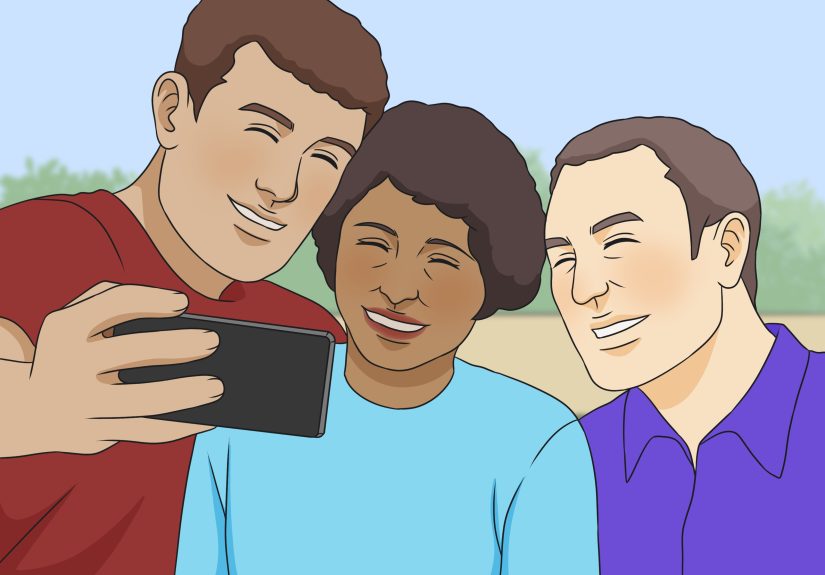
Isolation also weakens social confidence. Conversation is a skill, and like any skill, it can get rusty. After months of communicating through screens, a real-life chat may feel oddly loud, fast, and unpredictable. People may worry about awkward pauses, changed appearances, lost friendships, or whether they still know how to behave in groups without saying, “You’re on mute.”
Another factor is uncertainty. Lockdowns disrupted jobs, school, finances, health routines, family roles, and future plans. When life restarts, the brain may keep scanning for the next problem. That hypervigilance can feel like preparedness, but over time it becomes exhausting.
Common types of post-lockdown anxiety
1. Re-entry anxiety
Re-entry anxiety is the broad fear of returning to public life. Someone may feel tense about commuting, shopping, attending events, going back to the office, or being around groups of people. It is not always about one specific danger. Sometimes it is the sheer volume of stimulation: lights, traffic, noise, conversations, schedules, expectations, and pants with buttons.
A person with re-entry anxiety may think, “I should be excited, so why do I feel scared?” That mismatch can create shame. But anxiety often appears during transitions, even positive ones. A bigger world can feel overwhelming after a smaller one.
2. Health anxiety
Health anxiety after lockdown may include fear of infection, fear of spreading illness to others, repeated symptom checking, excessive handwashing, constant news monitoring, or difficulty trusting that a situation is reasonably safe. Some people become hyperaware of every throat tickle, sneeze, or temperature change. The body becomes a breaking-news channel, and every sensation gets treated like an urgent headline.
Practical health caution is useful. However, when checking and reassurance-seeking become constant, they can feed anxiety instead of reducing it. The goal is not careless behavior. The goal is balanced behavior: informed, flexible, and proportionate.
3. Social anxiety after isolation
Social anxiety can increase after lockdown because many people had fewer chances to practice ordinary social interaction. Meeting friends, dating, networking, speaking in meetings, attending classes, or joining family gatherings may suddenly feel intimidating. A person may worry about being judged, sounding awkward, looking different, or not having interesting things to say.
Social anxiety often grows through avoidance. The more someone avoids people, the scarier people seem. The solution is usually gradual reconnection, not throwing oneself into the biggest party in town and hoping for the best. That method is less “healing journey” and more “emotional cannonball.”
4. Agoraphobia-like anxiety
Some people experience fear of places where escape might feel difficult or help might not be available. Crowded stores, public transit, lines, open spaces, theaters, or unfamiliar locations can trigger panic. In severe cases, a person may avoid leaving home.
This pattern resembles agoraphobia, an anxiety condition that involves intense fear and avoidance of certain places or situations. Not everyone with post-lockdown fear has agoraphobia, but if avoidance becomes persistent and life-limiting, professional support can be very helpful.
5. Panic-related anxiety
Panic attacks can feel frightening: a racing heart, chest tightness, dizziness, trembling, shortness of breath, nausea, numbness, or a feeling that something terrible is about to happen. After lockdown, some people become afraid not only of public places but of having panic symptoms in public places.
This creates a second layer of fear: fear of fear itself. Someone might avoid meetings, stores, elevators, or social events because they worry, “What if I panic there?” Understanding panic as a false alarmnot dangerous, but deeply uncomfortablecan reduce its power.
6. Work and school anxiety
Returning to offices and classrooms can bring a special flavor of anxiety. Remote life may have been stressful, but it also offered control: familiar surroundings, fewer transitions, no commute, and easier escape from overstimulation. Going back can trigger worries about performance, productivity, social comparison, health policies, childcare, bullying, deadlines, or workplace expectations.
Students may struggle with concentration, peer pressure, academic gaps, or separation from parents. Adults may feel pressure to “bounce back” professionally while still carrying burnout. A full calendar does not magically erase emotional fatigue.
7. Grief, trauma, and uncertainty anxiety
For people who lost loved ones, jobs, homes, stability, or a sense of safety, post-lockdown life may bring grief rather than celebration. Reopening can feel strange when the world seems to move on while personal pain remains. Some people may also experience trauma-related symptoms such as intrusive memories, emotional numbness, avoidance, irritability, or sleep problems.
In these cases, coping is not only about “getting back out there.” It may involve mourning, processing what happened, rebuilding identity, and seeking trauma-informed care.
Signs you may be dealing with post-lockdown anxiety
Post-lockdown anxiety can be subtle at first. You might notice that you keep postponing plans, feel tired before leaving the house, become tense in crowds, or spend a lot of time mentally rehearsing ordinary activities. You may overthink conversations, feel guilty for saying no, or feel guilty for saying yes. Anxiety is very talented at making both options seem wrong.
Other signs include trouble sleeping before social or work events, stomach issues before leaving home, irritability after public outings, difficulty concentrating, increased reliance on alcohol or other substances to relax, or feeling emotionally drained by normal routines. Some people also become perfectionistic: they want the “right” comfort level, the “right” risk level, and the “right” explanation for every decision.
If symptoms are intense, last for several weeks, or interfere with daily life, it may be time to talk with a mental health professional, primary care doctor, school counselor, or employee assistance program. Getting help early can prevent anxiety from becoming more deeply rooted.
Coping techniques for post-lockdown anxiety
1. Start with gradual exposure
Avoidance brings short-term relief but long-term anxiety. Gradual exposure works by helping the brain learn, step by step, that feared situations can be handled. Start with manageable activities and slowly build up. For example, if crowded places feel overwhelming, begin with a short walk outside, then a quiet store visit, then a small coffee meetup, then a busier public setting.
The key is repetition. One brave outing is great, but repeated practice teaches the nervous system that the situation is survivable. Think of it as physical therapy for confidence.
2. Make a “fear ladder”
A fear ladder is a list of situations ranked from least scary to most scary. For post-lockdown anxiety, it might look like this:
- Walk around the block for 10 minutes.
- Buy one item from a small store.
- Meet one friend outdoors.
- Attend a short in-person meeting.
- Eat inside a restaurant during a quiet hour.
- Go to a crowded event for 30 minutes.
Work your way up gradually. Stay in each step long enough for anxiety to rise and fall naturally. Leaving at the first spike teaches the brain that escape is the only solution. Staying safely teaches the brain that anxiety can pass.
3. Use breathing to calm the body
Anxiety is not “all in your head.” It is also in your breathing, muscles, heart rate, and stomach. Slow breathing can tell the body that it is not under attack. Try this simple technique: inhale through your nose for four counts, exhale slowly for six counts, and repeat for two to five minutes.
Longer exhales are especially useful because they encourage the body’s relaxation response. You do not need to breathe perfectly. This is not an Olympic event. The goal is simply to slow the emergency siren inside your body.
4. Practice grounding techniques
Grounding brings attention back to the present moment. One popular method is the 5-4-3-2-1 technique: name five things you can see, four things you can feel, three things you can hear, two things you can smell, and one thing you can taste. This helps interrupt spiraling thoughts.
You can also carry a small grounding object, such as a smooth stone, keychain, or textured bracelet. Touching it during anxious moments can remind you, “I am here. I am safe enough. This feeling will pass.”
5. Reduce doomscrolling
Information can be helpful. Endless information can be gasoline for anxiety. If you find yourself checking news, symptoms, statistics, or social media repeatedly, set boundaries. Choose one or two reliable information sources, check them at planned times, and avoid late-night scrolling.
The brain treats repeated checking as proof that danger is everywhere. Give your mind a quieter diet. It does not need a 24-hour buffet of alarm.
6. Rebuild social stamina
Social energy may be lower after lockdown. Start small. Send a message. Schedule a short call. Meet one trusted person. Choose lower-pressure environments. Give yourself permission to leave after a reasonable amount of time.
It can help to be honest without overexplaining. Try saying, “I’m easing back into social plans, so I’d love to meet for an hour.” Clear communication lowers pressure and prevents resentment. The right people will understand. The wrong people may need to be loved from a comfortable distance.
7. Create predictable routines
Routines help anxious brains feel anchored. Set consistent wake times, meal times, work blocks, movement breaks, and wind-down rituals. A routine does not have to be rigid. It simply creates a dependable rhythm when the outside world feels unpredictable.
For work or school anxiety, prepare the night before. Choose clothes, pack your bag, check transportation, and write down the first three tasks for the next day. Morning-you deserves fewer mysteries.
8. Move your body regularly
Physical activity can reduce short-term feelings of anxiety, improve sleep, and support mental health. You do not need an intense fitness transformation. A brisk walk, light jog, bike ride, dance session, yoga class, or 15 minutes of stretching can help release tension and improve mood.
If motivation is low, pair movement with something pleasant: music, a podcast, a sunny route, or a friend. The best exercise for anxiety is the one you will actually do more than twice.
9. Use CBT-style thought checking
Cognitive behavioral therapy, or CBT, helps people notice and challenge unhelpful thoughts. For post-lockdown anxiety, common thoughts include: “I won’t cope,” “Everyone will judge me,” “If I feel anxious, I must leave,” or “Something bad will definitely happen.”
Try asking: What is the evidence for this thought? What is the evidence against it? Is there a more balanced version? For example, “I will embarrass myself at the meeting” might become, “I may feel awkward at first, but most people are focused on themselves, and I can participate even if I’m nervous.” Balanced thoughts are not fake positivity. They are mental seatbelts.
10. Protect sleep like it mattersbecause it does
Anxiety and sleep often chase each other in a circle. Poor sleep increases anxiety, and anxiety makes sleep harder. Create a wind-down routine with dim lights, reduced screen time, calming music, light reading, gentle stretching, or a warm shower. Keep wake time consistent when possible.
If your brain starts hosting a midnight conference called “Everything That Could Go Wrong,” keep a notepad nearby. Write down worries and one next step for tomorrow. This teaches the brain that the issue has been recorded and does not need to be replayed at 2:13 a.m.
11. Know when to seek professional help
Self-help strategies are valuable, but they are not a substitute for professional care when anxiety is severe. Consider reaching out to a therapist, doctor, or counselor if anxiety causes ongoing avoidance, panic attacks, depression, substance misuse, relationship conflict, work or school problems, or thoughts of self-harm.
Treatment may include CBT, exposure therapy, mindfulness-based approaches, medication, support groups, or a combination of methods. Getting help is not failure. It is maintenance for a very important system: you.
How to support someone with post-lockdown anxiety
If someone you care about is struggling, avoid saying, “Just get over it” or “Everyone else is fine.” These phrases rarely inspire courage. Mostly, they inspire silence. Instead, try: “What part feels hardest?” “Would a smaller step help?” or “Do you want company the first time?”
Support should encourage progress without forcing it. Offer choices. Celebrate small wins. Respect boundaries while gently discouraging total avoidance. If the person’s world keeps getting smaller, suggest professional support with kindness, not criticism.
Post-lockdown anxiety in children and teens
Children and teens may show anxiety differently from adults. Some become clingy, irritable, withdrawn, tearful, perfectionistic, or physically symptomatic with stomachaches and headaches. Others may resist school, avoid friends, or spend more time online because digital spaces feel easier to control.
Adults can help by validating feelings, keeping routines predictable, modeling calm behavior, and working with teachers or counselors when needed. Instead of promising that everything will be perfect, offer realistic confidence: “This may feel hard at first, and we can handle it step by step.”
Real-life experiences: what post-lockdown anxiety can feel like
One common experience is the “parking lot pause.” A person drives to the grocery store, parks, turns off the engine, and then sits there gripping the steering wheel. Nothing dramatic is happening. The store is open. People are walking in and out. Still, the body says, “Absolutely not.” The person may feel embarrassed, as if buying apples has suddenly become a heroic quest. In that moment, a coping technique might be to breathe slowly, choose a tiny goal, and enter the store for just five minutes. Success is not buying everything on the list. Success is teaching the brain that entering is possible.
Another experience is the first social gathering after months of quiet. At home, the idea sounded lovely. In reality, the room is noisy, everyone talks at once, and the brain begins buffering like a weak Wi-Fi signal. Someone may suddenly worry about their clothes, their laugh, their handshake, their opinions, and whether they still know how to stand in a group without looking like a confused houseplant. A helpful approach is to plan an exit time, find one safe person to talk to, and take short breaks outside or in the bathroom. Social stamina returns through practice, not pressure.
For parents, post-lockdown anxiety can feel like a tug-of-war between protection and independence. Sending a child back to school may trigger worries about health, safety, academic gaps, and emotional adjustment. A parent might check school messages repeatedly or feel tense at every cough. The coping path often involves separating controllable actions from uncontrollable fears: follow reasonable health guidance, communicate with teachers, create a calm morning routine, and avoid turning every school day into a family emergency briefing.
Workplace anxiety can feel surprisingly personal. Returning to the office may bring worries about productivity, appearance, small talk, commuting, or being observed again. Someone who performed well remotely might fear losing control in a shared environment. Practical coping might include visiting the office before the official return, arranging a hybrid transition if possible, preparing lunch and clothing ahead of time, and scheduling recovery time after the first few in-person days. The goal is not to become instantly comfortable. The goal is to become gradually capable.
There is also the quieter experience of grief. Some people watch others celebrate “normal life” while they feel changed, tired, or sad. They may have lost someone, lost income, lost confidence, or lost trust in the future. For them, coping may not look cheerful. It may look like therapy, journaling, memorial rituals, honest conversations, and permission to move slowly. Healing is not a race back to who you were before. Sometimes it is the careful work of becoming someone steady after something difficult.
Across all these experiences, one theme stands out: anxiety shrinks through compassionate repetition. Not through shame. Not through pretending. Not through forcing yourself to attend every event with a heroic smile and a stomach full of bees. Small steps count. One errand counts. One honest conversation counts. One night of better sleep counts. Recovery often looks ordinary from the outside, but inside, it can be brave.
Conclusion
Post-lockdown anxiety is a real and understandable response to a long period of disruption, isolation, uncertainty, and change. It can appear as re-entry anxiety, health anxiety, social anxiety, panic-related fear, work or school anxiety, agoraphobia-like avoidance, or grief-related stress. While the symptoms can feel uncomfortableeven frighteningthey are also treatable and manageable.
The most effective approach is usually gentle, consistent progress: gradual exposure, breathing exercises, grounding, healthy routines, movement, sleep protection, balanced thinking, and meaningful support. You do not have to rush back into life at full speed. You also do not have to stay stuck in fear. The middle path is where healing often happens: one step, one outing, one conversation, one manageable challenge at a time.
If post-lockdown anxiety is interfering with your daily life, consider speaking with a qualified mental health professional. Support is not only for crisis moments. Sometimes it is the bridge between surviving and fully living again.