Table of Contents >> Show >> Hide
- Meet Pothos: The Plant That Refuses to Quit
- Light: Bright, Indirect, and Not a Sunburn
- Watering: The #1 Way People “Love” a Pothos to Death
- Soil and Pots: Give Roots Air, Not a Swamp
- Temperature and Humidity: Tropical, But Not Precious
- Fertilizer: Feeding Without Turning It Into a Science Fair
- Pruning and Training: From “Wild Vines” to “Stylish Jungle Moment”
- Propagation: Free Plants (The Best Kind of Math)
- Repotting and Root Health: The “Check Under the Hood” Step
- Pests and Problems: A Quick Diagnostic Cheat Sheet
- Safety Notes: Pets, Kids, and Outdoor Escapes
- Pothos Variety Cheat Sheet (and How Care Shifts)
- Two Sample Care Routines (Realistic, Not Magical)
- The Bottom Line: How to Keep Pothos Happy
- Common Pothos Owner Experiences (500+ Words, Because Reality Matters)
If houseplants had a “most likely to survive your busy life” award, pothos would have a shelf full of trophies.
It’s the leafy friend that forgives missed waterings, tolerates imperfect light, and still grows like it has something to prove.
But “hard to kill” isn’t the same as “impossible to mess up”so let’s give your pothos the kind of care that helps it thrive,
not just exist like a roommate who never does the dishes.
In this guide, you’ll learn exactly how to handle light, watering, soil, fertilizer, pruning, propagation, pests, and troubleshooting.
You’ll also get practical examples and a 500-word “what it’s actually like” section at the endbecause real pothos life is full of tiny mysteries
like: “Why are you suddenly dramatic?” and “Who invited these brown tips?”
Meet Pothos: The Plant That Refuses to Quit
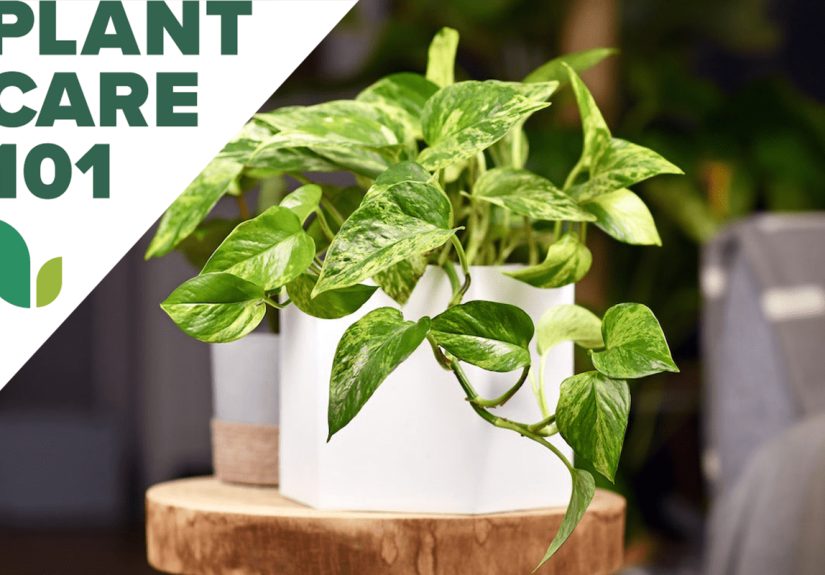
“Pothos” usually refers to Epipremnum aureum, a tropical vine often sold as golden pothos or devil’s ivy.
Indoors, it’s typically grown as a trailing plant in hanging baskets or trained to climb a moss pole.
Outdoors in warm climates, it can grow aggressivelyso it’s best treated as an indoor plant in many parts of the U.S.
What makes pothos special is its flexibility. It can handle a range of indoor conditions, and it communicates problems fairly clearly
(yellow leaves, droopiness, crispy edges). The trick is learning what those signals mean so you respond like a plant whisperernot a panicked sprinkler.
Light: Bright, Indirect, and Not a Sunburn
Pothos grows best in bright, indirect light. Think: near a sunny window, but not pressed up against glass
in full afternoon sun. Direct, hot sunlight can scorch leaves, especially variegated varieties.
Can pothos live in low light?
Yespothos tolerates low light better than many houseplants. But there’s a trade-off:
growth slows, vines get leggier (long stretches between leaves), and variegation may fade.
If your plant is surviving but not thriving, light is usually the first lever to adjust.
Variegated pothos needs more light (politely)
Variegated types like ‘Marble Queen,’ ‘N’Joy,’ ‘Pearls and Jade,’ or heavily marbled golden pothos have less chlorophyll in their leaves.
They generally need brighter indirect light than solid-green pothos to maintain their pattern.
If the leaves start coming in mostly green, your plant isn’t being “basic”it’s adapting to make more energy.
Watering: The #1 Way People “Love” a Pothos to Death
Overwatering is the most common pothos problem, and it’s usually unintentional.
You’re being caring. Your pothos is being quietly stressed. The fix is simple: water based on soil dryness, not the calendar.
When to water
- Finger test: Stick a finger 1–2 inches into the soil. If it’s dry, water. If it’s damp, wait.
- Pot weight test: Lift the pot after watering, then again when it’s dry. With practice, you’ll feel the difference.
- Leaf clues: Slight droop can mean “I’m thirsty.” Yellowing with soft stems can mean “I’m drowning.”
How to water (the right way)
- Water slowly until it runs out the drainage holes.
- Let it drain completelyno standing water in a saucer for hours.
- Occasionally “flush” the pot with extra water to help rinse mineral buildup (especially if you see crusty soil surface).
Frequency depends on light, temperature, humidity, pot size, and soil mix. A pothos in bright indirect light in a small pot might dry out in a week.
A pothos in lower light in a bigger pot might take two weeks or more. Your goal is a repeatable process, not a rigid schedule.
Soil and Pots: Give Roots Air, Not a Swamp
Pothos likes a potting mix that holds some moisture but drains well. Roots need oxygenwhen soil stays soggy,
roots suffocate and rot, and the plant can’t absorb water properly even though the pot is wet. (Yes, it’s as unfair as it sounds.)
A simple pothos-friendly mix
- 2 parts quality all-purpose potting mix
- 1 part perlite or pumice (for airflow and drainage)
- Optional: a handful of orchid bark (helps prevent compaction)
Pick the right pot
Choose a container with drainage holes. If you love decorative cachepots (no holes), keep the pothos in a plastic nursery pot
and set that inside the pretty onethen dump excess water after watering.
When repotting, go up just 1–2 inches in diameter. Oversized pots hold extra wet soil and increase rot risk.
Temperature and Humidity: Tropical, But Not Precious
Pothos prefers typical indoor temperatures and can handle normal household humidity.
It’s happiest in warm conditions and does well around the mid-60s to mid-80s °F range.
Avoid cold drafts, heater blasts, and sudden temperature swings.
Do you need to mist pothos?
Occasional misting won’t hurt (unless it leads to constantly wet leaves in a cool, stagnant spot), but it’s not mandatory.
If your home is very dry, a small humidifier nearby or a pebble tray can help, especially in winter when indoor air can get crisp.
Fertilizer: Feeding Without Turning It Into a Science Fair
Pothos isn’t a heavy feeder, but it does appreciate nutrients during active growth (typically spring through early fall).
If your pothos hasn’t been repotted in a while, fertilizer can prevent slow growth and pale leaves.
An easy fertilizing routine
- Use a balanced liquid houseplant fertilizer diluted to half-strength.
- Feed every 4–6 weeks in spring/summer (or every other month if you want ultra-low-maintenance).
- Pause or reduce feeding in winter when growth slows.
More fertilizer doesn’t mean faster growthit can mean salt buildup and stressed roots. Think “snack,” not “all-you-can-eat buffet.”
Pruning and Training: From “Wild Vines” to “Stylish Jungle Moment”
Pothos grows from nodes (little bumps along the stem where leaves and aerial roots form). Pruning encourages branching,
which helps you get a fuller, bushier plant instead of a single long vine that looks like it’s trying to escape.
How to prune for fullness
- Find a node and cut just above it.
- Don’t be afraid to trim multiple vinespothos rebounds well.
- Use clean scissors to reduce disease risk.
Climbing vs. trailing
If you let pothos climb a moss pole or trellis, leaves can gradually size up and the plant often looks more “lush.”
Trailing pothos is classic and easyperfect for shelves, hanging baskets, and letting vines frame a window.
Rotate the pot occasionally so growth stays balanced, and wipe leaves now and then to remove dust (clean leaves photosynthesize better).
Propagation: Free Plants (The Best Kind of Math)
Propagating pothos is straightforward, and it’s one of the fastest ways to turn one plant into many.
The key detail: your cutting needs a node. A leaf alone won’t reliably root.
Water propagation (beginner-friendly)
- Cut a vine with 2–4 leaves and at least one node.
- Remove the lowest leaf so the node can sit under water.
- Place in a glass of water in bright, indirect light.
- Change the water every week or so (fresh oxygen helps).
- When roots are a few inches long, pot it in soil and keep slightly moist for the first couple weeks.
Soil propagation (less transplant shock)
You can also stick cuttings directly into a lightly moist, well-draining mix.
Keep the soil evenly moist (not soggy) while roots form. A clear plastic bag loosely over the pot can boost humidity and speed rooting.
Repotting and Root Health: The “Check Under the Hood” Step
Repot pothos when it becomes root-bound (roots circling the bottom or poking out drainage holes),
when watering seems to rush straight through, or when growth stalls despite good light and feeding.
Many pothos do well with repotting every 1–2 years.
Root rot: what it looks like and what to do
Root rot often shows up as yellowing leaves, mushy stems near the soil line, and soil that stays wet forever.
If you suspect it:
- Unpot the plant and inspect roots (healthy roots are firm and light-colored; rotten roots are dark and squishy).
- Trim rotten roots with clean scissors.
- Repot into fresh, airy mix in a pot with drainage.
- Water lightly, then let the mix dry more between waterings while the plant recovers.
Pests and Problems: A Quick Diagnostic Cheat Sheet
Yellow leaves
- Most common cause: overwatering or poor drainage.
- Also possible: low light (slower drying), sudden temperature changes, or old leaves naturally aging off.
Brown, crispy tips
- Dry air, inconsistent watering, or mineral buildup from tap water/fertilizer.
- Try flushing the pot occasionally and watering a little more consistently.
Leggy vines (long gaps between leaves)
- Usually a light issue. Move closer to bright, indirect light and prune to encourage branching.
Black spots
- Often linked to overly wet conditions, leaf damage, or stress. Check watering and airflow.
- Remove heavily damaged leaves and avoid splashing water onto foliage in cool, low-airflow rooms.
Common pests
- Mealybugs: white cottony clusters; wipe with rubbing alcohol on a cotton swab.
- Spider mites: fine webbing, speckled leaves; rinse plant in the shower and use insecticidal soap.
- Scale: small bumps on stems/leaves; scrape gently and treat with horticultural soap/oil as directed.
Pest pro-tip: isolate any new plant for a week or two before it joins your plant collection. It’s the plant version of “wash your hands.”
Safety Notes: Pets, Kids, and Outdoor Escapes
Pothos contains insoluble calcium oxalate crystals and is considered toxic if chewed by cats and dogs.
It can cause mouth irritation, drooling, vomiting, and discomfort. Keep pothos out of reach of pets and small children,
and wash your hands after handling if you have sensitive skin.
Also: pothos can be invasive in warm, humid regions. If you live somewhere it can survive outdoors year-round,
don’t plant it outside and don’t toss cuttings into yard waste piles near natural areas. Bag unwanted cuttings and dispose responsibly.
Pothos Variety Cheat Sheet (and How Care Shifts)
Most “pothos” care is the same across varieties, but leaf color and growth habit can change your approach.
Here are a few common types you’ll see in U.S. plant shops:
Golden pothos (Epipremnum aureum)
The classic: green leaves with yellow/golden variegation. Very forgiving and fast-growing in good light.
Marble Queen / Snow Queen
Creamy white variegation. Needs brighter indirect light to stay nicely patterned and tends to grow a bit slower.
Neon pothos
Bright chartreuse leaves. The color pops best in bright indirect light; in dim spaces it may look more muted.
N’Joy / Pearls and Jade
Compact, heavily variegated leaves. Bright indirect light helps maintain crisp patterning.
Because they’re often slower-growing, avoid overwateringslow growth means slower soil drying.
Cebu Blue (often sold as “pothos,” but typically Epipremnum pinnatum ‘Cebu Blue’)
Silvery-blue leaves and a slightly different texture. Care is similar, but it usually appreciates brighter light for best growth.
Two Sample Care Routines (Realistic, Not Magical)
Routine A: Bright window pothos (fast growth)
- Light: 3–6 feet from an east/south window with a sheer curtain
- Water: check weekly; water when top 1–2 inches are dry
- Fertilizer: half-strength every 4–6 weeks in spring/summer
- Prune: monthly pinch-back for fullness
Routine B: Office/low-light pothos (slow and steady)
- Light: bright ambient light or a desk lamp grow light
- Water: check weekly; expect to water less often (sometimes every 2+ weeks)
- Fertilizer: lighter feeding (every other month during growth season)
- Prune: trim leggy vines and rotate plant for even growth
The Bottom Line: How to Keep Pothos Happy
Pothos plant care comes down to a few reliable habits: give it bright, indirect light when possible, water only after the soil partially dries,
use a well-draining mix in a pot with drainage, and prune to keep it full. Do those things consistently and your pothos will reward you
with vines that grow like they’re trying to win a race.
Common Pothos Owner Experiences (500+ Words, Because Reality Matters)
Pothos care advice is often written like every home has the same light, the same heating system, and the same schedule. In real life,
pothos ownership is full of small “aha” moments that make you better at plants in general. Here are experiences many pothos owners run into
and what those moments usually mean.
1) The “It was fine yesterday” droop. A pothos can look totally normal one day and a little droopy the next,
especially in warm weather or after a heater kicks on. Many people learn that pothos doesn’t always need an emergency watering
the second it droops. If the soil is still damp, the droop may be temperature stress or simply the plant reacting to a change in conditions.
But if the soil is dry and the pot feels light, a thorough watering usually perks it up quickly. This teaches a great general rule:
check the soil first, then decide.
2) The “Why are my new leaves smaller?” phase. When pothos is in lower light, it may keep growing vines
but produce smaller leaves with longer gaps between them. Many owners assume they need more fertilizer, when the real limiting factor is light.
Moving the plant a few feet closer to a windowor adding a simple grow lightoften changes everything within a month or two.
This is also when people discover the magic of pruning: cut back a leggy vine and new growth often comes in fuller.
3) The overwatering loop (also known as “I was trying to be nice”). A common story: someone waters on a schedule,
the pothos gets yellow leaves, and the owner waters again because yellow looks like thirst. Then the soil stays wet, roots struggle,
and more leaves yellow. The breakthrough happens when they switch to watering based on soil dryness and improve drainage.
Once you’ve seen how quickly pothos can bounce back from proper watering, you start trusting the process.
4) Variegation surprise. Owners of ‘Marble Queen’ or ‘N’Joy often notice new leaves turning greener over time.
It can feel like the plant is “changing varieties,” but it’s usually a light adaptation. Brighter indirect light helps preserve variegation.
Another common experience is the opposite: too much direct sun leads to pale patches that look scorched. The lesson becomes:
variegation is a light meter you can actually see.
5) Propagation becomes a personality trait. Lots of pothos owners start with one plant, then snip a cutting “just to try,”
and suddenly they have jars on every windowsill. Many discover that rooting in water is easy, but transferring to soil is where cuttings can stall
if they’re allowed to develop only water-adapted roots for too long. A common workaround is potting cuttings after roots are a few inches long
(not a foot long), then keeping soil slightly moist at first. Some people also propagate directly in soil to skip the transition drama.
6) The “dusty leaves, slower growth” realization. Indoors, leaves collect dust (especially near kitchens, vents, or busy streets).
People often notice their pothos looks dull or seems sluggish, then wipe the leaves and suddenly it looks brighterbecause it is.
Clean leaves can photosynthesize more efficiently, and you can spot pests early.
Overall, the most common pothos experience is realizing it’s not a fragile plantit’s a feedback-driven plant.
Once you learn how to read those signals (soil moisture, leaf color, growth spacing, and overall posture),
pothos becomes less of a mystery and more of a reliable, leafy teammate.