Table of Contents >> Show >> Hide
- Why This Apron Pattern Still Stands Out
- What Makes Linen Such a Smart Choice?
- The Best Features of Purl Bee’s Simple Linen Apron
- Who Is This Pattern Best For?
- Helpful Sewing Tips Before You Cut
- How to Customize Purl Bee’s Simple Linen Apron
- Where This Apron Fits in Everyday Life
- Care and Longevity
- The Experience of Making and Wearing a Simple Linen Apron
- Final Thoughts
Note: Body-only HTML, English content, with SEO JSON tags placed at the end for easy publishing.
Some sewing projects are all drama: twelve pattern pieces, mysterious markings, and that one instruction that sounds like it was translated from Martian. Purl Bee’s Simple Linen Apron is the opposite. It is practical, handsome, beginner-friendly, and refreshingly low on chaos. In other words, it is the kind of project that makes people say, “Wait, I made that?” while standing a little taller in the kitchen.
This apron has earned lasting appeal because it delivers something many DIY projects only promise: usefulness without sacrificing style. It is simple enough to sew in a relatively short session, but polished enough to look intentional, gift-worthy, and honestly a little smug in the best way. With its adjustable neck strap, long waist ties, sturdy linen body, and contrasting pocket, it hits that sweet spot between functional workwear and relaxed home aesthetic.
If you have been curious about why this design keeps showing up in sewing conversations, gift guides, and linen-loving kitchen fantasies, the answer is straightforward. Purl Bee’s Simple Linen Apron works because it respects real life. It is made to be worn, washed, wrinkled, tied, untied, and used again. No fussy nonsense. Just fabric, thread, and the confidence boost that comes from making something you will actually use.
Why This Apron Pattern Still Stands Out
Purl Bee’s Simple Linen Apron is not trying to reinvent the apron. That is exactly why it works so well. The design leans into classic proportions and durable materials instead of trendy gimmicks. The body is clean and unfussy. The neck is adjustable, which means you are not locked into one awkward fit forever. The waist ties are long enough to feel secure. The pocket adds contrast and utility without making the whole thing look like a tool belt for scrambled eggs.
There is also something clever about the overall balance. The pattern feels approachable for newer sewists because the construction is based on straightforward shapes, hemming, topstitching, and attaching ties. But it still teaches useful skills: pressing accurately, stitching evenly, handling woven fabric, and creating a clean finish. It is the sort of project that helps beginners build momentum without making experienced sewists yawn into their pincushion.
That matters for SEO-minded readers and hobbyists alike, because searchers looking for a simple linen apron pattern, beginner sewing project, or DIY kitchen apron are usually looking for the same thing: a project that is attractive, realistic, and not secretly a stress test.
What Makes Linen Such a Smart Choice?
Linen and aprons go together like pie and overconfidence. Linen has the structure needed to hold shape, the breathability needed for hot kitchens, and the casual texture that makes even a very simple project look elevated. It wears in beautifully, softens over time, and manages to look both relaxed and refined, which is frankly more than most of us can say before coffee.
For an apron specifically, linen makes a lot of sense. It is durable enough for repeated use, comfortable enough for longer wear, and handsome enough that you may leave it hanging out in the kitchen instead of hiding it in a drawer. A linen apron also avoids the stiff, overly utilitarian feel that some canvas styles can have. It is still hardworking, but with better manners.
That said, linen does ask for a little respect. It can shrink, soften, and change hand after washing, which is why experienced sewists almost always recommend prewashing fabric the way you plan to launder the finished piece. If your future apron is headed for regular machine washing, treat the fabric that way before cutting. This is one of those boring grown-up sewing habits that turns out to be extremely useful later, right up there with labeling freezer leftovers and pretending you enjoy folding fitted sheets.
The Best Features of Purl Bee’s Simple Linen Apron
1. Adjustable neck strap
An adjustable neck strap is one of the pattern’s most practical details. Aprons that fit “everyone” usually fit no one particularly well, but a strap with D-rings gives this design a much better shot. You can raise it, lower it, loosen it, or tighten it depending on your height, preference, or how dramatic you want to look while chopping parsley.
2. Long waist ties
The long waist ties are not just decorative. They help customize fit, allow easy tying, and give the apron that classic wrapped look people associate with good home cooking and competent crafting. Even if you are just reheating leftovers, the ties do a lot of image management.
3. Simple body shape
The apron body is uncomplicated, which is part of its charm. There are no hard-to-fit curves, no sleeves to set, no zipper to fear at 11:48 p.m. This clean construction keeps the focus on fabric, finish, and proportion.
4. Contrasting pocket
The pocket is where the project gets to wink a little. A contrast fabric gives visual interest and lets you personalize the apron without changing the overall pattern. Keep it minimal with tonal texture, go farmhouse with stripes, or choose something playful if you want the apron to look like it has a side hustle in charming people at brunch.
Who Is This Pattern Best For?
This pattern is especially good for beginners, confident beginners, and gift-makers. If you are new to sewing, it offers a low-pressure way to practice straight seams, hems, pressing, and topstitching on a project that does not require complex fitting. If you already sew, it becomes a satisfying quick project with plenty of room for customization.
It is also ideal for people who want to make something useful instead of adding another decorative object to the known universe. A handmade apron makes sense for home cooks, bakers, gardeners, artists, ceramicists, hosts, teachers, and anyone else whose hobbies involve splatters, flour, dirt, paint, or noble intentions.
And yes, it is a great gift. A linen apron sewing project has that rare quality of feeling personal without requiring a full body measurement chart and a prayer. You can personalize it with embroidery, monograms, contrasting pockets, or fabric choices that match someone’s kitchen style.
Helpful Sewing Tips Before You Cut
If you want the finished apron to look neat rather than lovingly homemade in a “we don’t ask questions” kind of way, a few habits make a big difference.
- Prewash the fabric first. Linen changes after washing. Let it do that before you cut.
- Press as you go. Linen responds beautifully to pressing, and your seams will look sharper.
- Finish raw edges thoughtfully. Linen can fray, so clean construction matters.
- Test topstitching on scraps. A simple apron depends heavily on visible stitching, so a quick test is worth it.
- Think about pocket placement. If the pocket is decorative only, fine. If you actually want to store a towel, thermometer, or paintbrush, place it with intention.
None of these tips are glamorous, but they are the difference between “I made an apron” and “I made an apron that looks suspiciously expensive.”
How to Customize Purl Bee’s Simple Linen Apron
One reason this pattern remains so appealing is how easy it is to customize without wrecking the original spirit of the design. It is a very forgiving blank canvas.
Monograms and embroidery
A monogram adds old-school charm and turns the apron into a memorable gift. Even simple hand embroidery can make the design feel heirloom-inspired rather than merely practical.
Different linen colors
Natural linen is timeless, but muted blue, olive, charcoal, clay, rust, or soft white can completely change the mood. A dark color feels more workwear-inspired; a pale color feels airy and kitchen-pretty.
Contrast pocket fabric
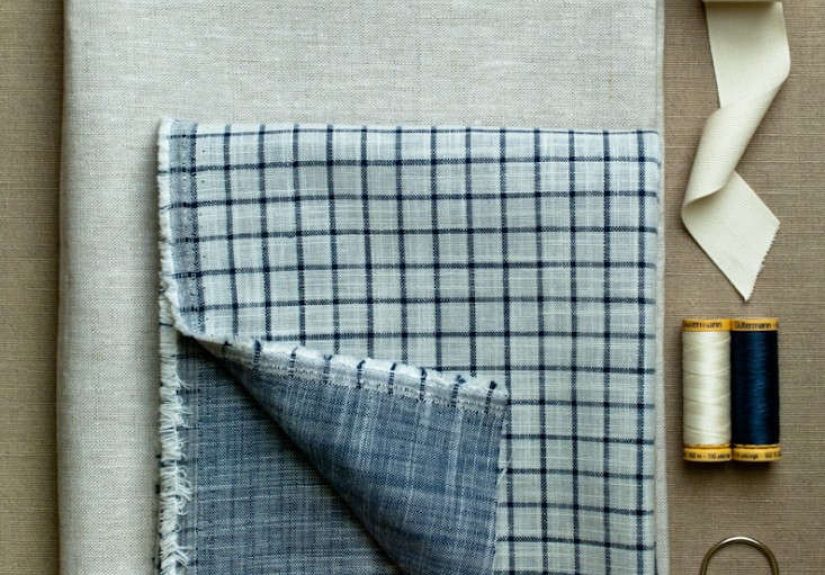
This is the easiest place to have fun. Plaid, ticking stripes, gingham, double cloth, or even a subtle print can give the apron character without making it loud.
Extra pockets
If the apron is for a painter, florist, or gardener, extra pockets can make it much more useful. Just keep the overall balance clean so it still feels like a thoughtfully styled apron and not a portable storage unit.
Decorative topstitching
Even a change in thread color can shift the look. Matching thread keeps things understated; contrast topstitching adds a workwear feel.
Where This Apron Fits in Everyday Life
The best thing about Purl Bee’s Simple Linen Apron is that it does not belong only to one type of maker. It works in the kitchen, obviously, but it also fits gardening, studio work, baking days, holiday cooking marathons, craft sessions, and slightly chaotic weekends when you promise yourself you will “just make one thing” and then mysteriously need six hours and a snack.
It also photographs beautifully, which does not hurt. Linen texture, clean lines, and a good pocket make this the kind of apron that looks good folded on a hook, worn over jeans, or tied over a soft dress. It bridges the gap between utility and lifestyle in a way that modern sewists tend to love.
That crossover appeal is a big reason why the phrase Purl Bee’s Simple Linen Apron continues to attract attention in search. Readers are not just looking for instructions. They are looking for a project that feels useful, giftable, stylish, and achievable. This one checks all four boxes.
Care and Longevity
A good linen apron gets better with use, but only if you treat it like an object meant to live in the real world. Wash it using the same general method you used for prewashing. Avoid scorching it with unnecessary heat. Press it while slightly damp if you want a crisper finish, or let it relax into its natural lived-in texture if you prefer that soft, effortless look.
The beauty of linen is that it does not require perfection to look good. In fact, a little texture is part of the point. A linen apron with light wrinkles does not look sloppy; it looks believable. Like bread flour on a countertop, it suggests activity. It says, “something useful is happening here,” even if what is happening is just coffee and mild procrastination.
The Experience of Making and Wearing a Simple Linen Apron
For many sewists, the real pleasure of Purl Bee’s Simple Linen Apron begins long before the first stitch. It starts when you choose the fabric. Linen has a way of making a project feel serious in a good way, like you are not just sewing a kitchen accessory but making something that will become part of your daily rhythm. The fabric has weight, texture, and a slightly rumpled dignity that says, “I am here to work, but I also appreciate good lighting.”
The cutting phase is usually when the project starts feeling delightfully manageable. You are not wrestling with a pile of tiny pattern pieces or deciphering some cryptic garment puzzle. You are working with clean shapes, simple measurements, and a design that makes sense almost immediately. That ease creates momentum. Instead of feeling intimidated, you begin to feel competent, and that feeling is addictive.
As the apron comes together, there is a satisfying sequence to the work. Pressing hems. Topstitching edges. Attaching ties. Watching flat fabric turn into something useful. These are not flashy sewing milestones, but they are deeply rewarding. Every seam feels like progress you can actually see. Every pressed edge makes the apron look more finished, more professional, more like something you would happily wrap up as a gift or hang in your own kitchen with no apology attached.
Then comes the moment you try it on. This is where many simple projects either soar or collapse. Fortunately, this one tends to soar. The adjustable neck strap makes a big difference because it lets the apron settle where it should instead of hanging awkwardly. The waist ties define the shape without making the apron feel restrictive. The pocket gives you somewhere to tuck a towel, recipe card, or random clip you picked up off the floor and forgot to put away. Suddenly, it is not just a sewing project. It is gear.
Wearing a linen apron also changes the mood of a task. Chopping onions feels a bit more intentional. Kneading bread feels a bit more cinematic. Even messy jobs like repotting herbs or wiping paint off your hands feel slightly more charming when you are wearing something handmade. Not because the apron magically improves your skills, sadly, but because it creates a tiny ritual around the work. You put it on, tie it, adjust it, and shift into a mode where making things feels possible.
Over time, the experience usually gets even better. Linen softens. The apron molds to habit. The wrinkles become part of the character rather than a flaw to fight. The pocket starts collecting evidence of real life: a wooden spoon, a seed packet, a measuring tape, a grocery list written in a hurry. That is when the apron stops being “that project I made” and becomes your apron. Familiar. Useful. Dependable. A little rumpled, but so is every person doing something worth doing.
That, ultimately, is the charm of Purl Bee’s Simple Linen Apron. It offers more than a quick sew. It offers the quiet satisfaction of making an object that earns its place in your home. No glitter cannons, no trendy gimmicks, no unnecessary drama. Just a good pattern, honest fabric, and the small but genuine thrill of putting on something you made with your own hands.
Final Thoughts
Purl Bee’s Simple Linen Apron has lasted because it understands the assignment. It is attractive without being precious, practical without being dull, and simple without being boring. It is the kind of sewing project that makes sense for modern life: easy enough to finish, useful enough to keep, and beautiful enough to gift.
If you are searching for a beginner linen apron pattern, a stylish DIY kitchen apron, or a handmade project that actually pulls its weight, this design deserves the attention it gets. It is a quiet classic, and sometimes that is exactly what you want. Not every project needs fireworks. Some just need a good pocket, a strong tie, and the good judgment to be made in linen.