Table of Contents >> Show >> Hide
- What Does “Remaking Vintage Details” Really Mean?
- Why Vintage Details Make a Home Feel Better
- Start With the House, Not the Pinterest Board
- Vintage Trim: The Fastest Way to Add Character
- Restoring and Recreating Woodwork
- Vintage Windows: Repair Before You Replace
- Hardware: Small Details With Big Personality
- Plaster, Texture, and the Beauty of Imperfection
- Vintage Kitchens Without Sacrificing Modern Function
- Bathrooms: The Perfect Place for Old-School Charm
- Lighting That Looks Collected, Not Random
- Using Salvaged Materials the Smart Way
- Color Palettes for Remaking Vintage Details
- How to Keep Vintage Details From Looking Fake
- Room-by-Room Ideas for Remaking Vintage Details
- Budget-Friendly Ways to Remake Vintage Details
- When to Hire a Professional
- Experience-Based Reflections: What Remaking Vintage Details Teaches You
- Conclusion: Make the Past Useful Again
Remaking vintage details is not about turning your home into a museum where everyone whispers and nobody dares to sit on the sofa. It is about bringing back the soul of older designtrim with personality, doors with weight, hardware with a story, windows that actually look like they belong, and rooms that feel layered instead of copied from a showroom display. In a world where many interiors are smooth, gray, and suspiciously allergic to character, vintage details are having a very well-deserved comeback.
The best part? You do not need to own a 1905 Victorian, a 1920s Craftsman, or a farmhouse that creaks dramatically every time the wind changes direction. Remaking vintage details can work in old houses, newer homes, apartments, cottages, and even builder-grade spaces that currently have the charm level of a printer manual. The key is understanding what made historic design feel rich, then reinterpreting those ideas for modern living.
Done well, vintage-inspired remodeling adds warmth, craftsmanship, and visual depth. Done badly, it can look like a theme restaurant called “Grandma’s Attic & Pancakes.” This guide walks through how to remake vintage details in a way that feels authentic, useful, stylish, and comfortable for everyday American homes.
What Does “Remaking Vintage Details” Really Mean?
Remaking vintage details means restoring, recreating, or reinterpreting design features from the past. These details might include crown molding, picture rails, wainscoting, built-in cabinetry, antique-style hardware, original wood floors, divided-light windows, plaster walls, period lighting, patterned tile, or salvaged doors. Some homeowners preserve what is already there. Others add historically inspired details to a newer space.
The word “remaking” matters. It does not always mean perfect restoration. A historically exact restoration might require original materials, traditional construction methods, and careful documentation. Remaking vintage details is more flexible. It allows you to honor the past while still enjoying modern plumbing, better insulation, safer wiring, and the radical luxury of outlets where you actually need them.
Think of it as a conversation between old and new. The old details bring texture, proportion, and memory. The modern updates bring comfort, durability, and function. When both sides behave, the result feels timeless.
Why Vintage Details Make a Home Feel Better
Vintage details work because they give the eye something to enjoy. Older homes were often built with layered transitions: baseboards meeting plaster walls, casing framing doors, rails breaking up tall walls, and ceiling medallions turning light fixtures into little architectural events. These elements create rhythm. They make rooms feel intentional.
Modern construction often removes these layers in favor of flat surfaces and simplified finishes. That can be beautiful in the right setting, but it can also feel plain. Adding vintage-inspired details gives a room dimension without needing loud colors or trendy furniture. A simple dining room with picture molding instantly feels more established. A hallway with real door casing looks finished. A kitchen with aged brass latches and inset-style cabinetry feels collected rather than manufactured.
There is also a sustainability angle. Salvaging existing doors, refinishing old woodwork, repairing historic windows, and reusing hardware can keep valuable materials out of landfills. Many older materials, especially dense old-growth wood and solid metal hardware, were made to last. Sometimes the greenest detail is the one already sitting in your house, covered in seven layers of mystery paint.
Start With the House, Not the Pinterest Board
Before remaking vintage details, study the home you already have. Every house has clues. Look at the roofline, window proportions, door styles, stair rails, baseboards, fireplace surrounds, and floor plan. A Craftsman bungalow wants different details than a Colonial Revival, a midcentury ranch, or a 1980s suburban home trying very hard to forget 1984.
If your home is older, investigate what remains. Original trim may be hidden under later paint. Hardwood floors may be under carpet. Pocket doors may be trapped inside walls. Picture rails may have been removed but leave faint lines in plaster. Even missing details can leave evidence, such as nail holes, shadow marks, or changes in wall texture.
For newer homes, the goal is not to fake history aggressively. Instead, choose vintage details that match the home’s proportions. Tall crown molding can look elegant in a room with high ceilings, but awkward in a low-ceilinged space. Chunky Craftsman casing can make sense in a bungalow-inspired home, while delicate panel molding may better suit a traditional dining room or bedroom.
Vintage Trim: The Fastest Way to Add Character
Trim is one of the most powerful tools in vintage-inspired design. Baseboards, crown molding, window casing, door casing, chair rails, and picture rails all help define a room. They are the quiet lines that make walls look tailored instead of unfinished.
Baseboards and Door Casing
Older homes often have taller, more substantial baseboards than many modern houses. Replacing thin builder-grade baseboards with taller profiles can instantly change the mood of a room. Door and window casing should feel connected to the baseboards, not like separate decisions made by strangers in different zip codes.
For a classic look, choose simple profiles with clean edges rather than overly ornate molding. Many historic interiors relied on good proportions more than heavy decoration. A flat stock casing with a back band can feel vintage without becoming fussy.
Picture Rails and Chair Rails
Picture rails are narrow moldings installed near the top of the wall, traditionally used to hang artwork without damaging plaster. They are practical, beautiful, and extremely satisfying for anyone who changes art often. Chair rails sit lower, usually around the height of a chair back, and can divide paint colors, wallpaper, or panel treatments.
Both features are useful in remaking vintage details because they add structure. A hallway with a picture rail and warm paint above it feels immediately more architectural. A dining room with a chair rail and wallpaper below can look polished without needing a major renovation.
Wainscoting and Wall Paneling
Wainscoting adds depth to the lower part of a wall. It may be raised panel, flat panel, beadboard, board-and-batten, or a simpler applied molding design. In vintage-inspired homes, wainscoting works especially well in dining rooms, powder rooms, entries, stair halls, and mudrooms.
The secret is restraint. Not every wall needs paneling. If every room gets a different trim treatment, the house may start to feel like a molding sample book that gained consciousness. Choose a few key spaces where architectural detail will have the most impact.
Restoring and Recreating Woodwork
Original woodwork is one of the most valuable vintage details in an older home. Before painting, replacing, or removing it, inspect the condition. Scratches, dents, and uneven color are not always problems. They may be part of the story. Serious damage, rot, missing sections, or unstable pieces require repair, but imperfect wood can still be beautiful.
If trim has been painted many times, stripping it can be slow work. Test older paint safely, especially in homes built before 1978, because lead-based paint may be present. When in doubt, hire a certified professional. Safety is not the glamorous part of vintage remodeling, but neither is turning your renovation into a health hazard with a cute mood board.
When pieces are missing, a millwork shop can often reproduce profiles from existing samples. This is especially helpful for crown molding, baseboards, stair parts, and window casing. If custom milling is too expensive, combine stock moldings to create a similar layered look.
Vintage Windows: Repair Before You Replace
Old wood windows are often misunderstood. Many homeowners assume replacement is the only way to improve comfort and energy efficiency. But historic wood windows can often be repaired, weatherstripped, reglazed, and paired with storm windows to perform much better while preserving the look of the house.
Original windows matter because they define the face of a home. Their muntin patterns, glass texture, frame depth, and proportions contribute to architectural character. Replacing them with flat modern units can make an old house look oddly blank, like it forgot its own eyebrows.
Common window restoration tasks include removing loose glazing, repairing sash cords, tightening joints, weatherstripping gaps, repainting exterior surfaces, and adding compatible storms. In some cases, replacement is necessary, especially when windows are severely deteriorated or previously altered beyond repair. But the first question should be: can this be fixed?
Hardware: Small Details With Big Personality
Vintage hardware is jewelry for the house. Door knobs, hinges, cabinet latches, window lifts, switch plates, bin pulls, and escutcheons can change the whole tone of a room. The right hardware adds weight and authenticity, even when the surrounding space is newly built.
Popular vintage-inspired finishes include unlacquered brass, antique brass, oil-rubbed bronze, polished nickel, aged iron, and chrome. Each finish suggests a different era and mood. Brass can feel warm and traditional. Polished nickel feels crisp and classic. Black iron works well in rustic, farmhouse, Tudor, or industrial-inspired spaces.
Mixing old and new hardware can work beautifully. For example, use salvaged glass knobs on bedroom doors, reproduction brass hinges on built-ins, and simple modern hardware in less visible spaces. The goal is not to make every knob antique. The goal is to make the details feel chosen.
Plaster, Texture, and the Beauty of Imperfection
Many older homes have plaster walls rather than drywall. Plaster has a depth and subtle irregularity that gives rooms a softer, more handmade quality. Repairing plaster can preserve this character, especially around trim, arches, stair halls, and original ceilings.
For homes without plaster, you can still borrow the feeling. Limewash, Roman clay, mineral paint, subtle wall texture, or matte finishes can create visual depth. These surfaces catch light differently than flat latex paint and can make a newer room feel calmer and more established.
Ceiling medallions are another vintage detail worth considering. They work best when scaled properly to the fixture and room size. A modest medallion around a pendant or chandelier can add charm. A giant ornate medallion in a tiny bedroom may look like the ceiling is wearing a wedding cake.
Vintage Kitchens Without Sacrificing Modern Function
A vintage-inspired kitchen should not require you to churn butter by hand unless that is your personal wellness journey. The best old-meets-new kitchens combine period details with modern performance.
Inset or Shaker-style cabinets, furniture-like islands, bridge faucets, apron-front sinks, beadboard, soapstone-look counters, butcher block, schoolhouse lighting, and brass or nickel hardware can all create vintage character. Patterned floor tile or checkerboard flooring can add a nostalgic note without overwhelming the space.
Appliances are where balance matters. Fully retro appliances can be charming, but they are not always necessary. Panel-ready refrigerators, simple stainless ranges, or modern appliances in classic colors can blend into a vintage-inspired kitchen. The trick is to keep the surrounding details warm enough that the appliances do not dominate.
Bathrooms: The Perfect Place for Old-School Charm
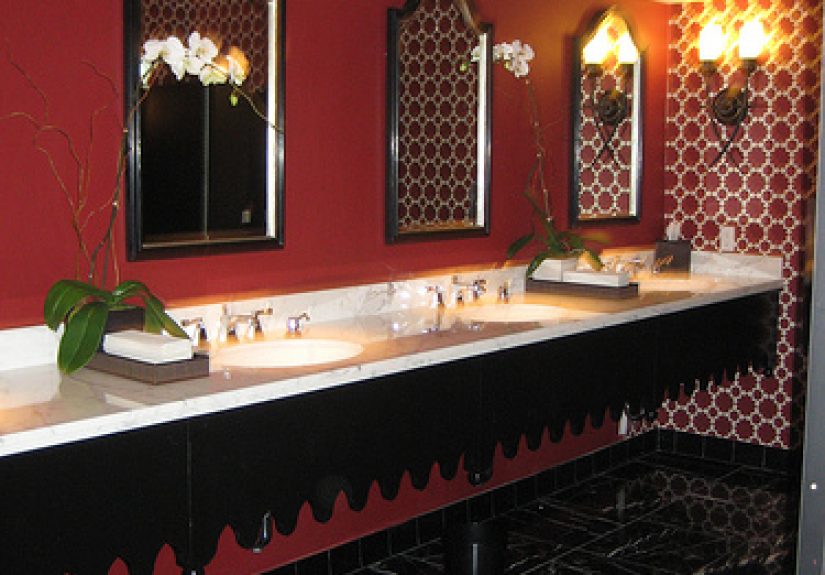
Bathrooms are ideal for remaking vintage details because they are smaller, easier to style, and naturally suited to classic materials. Subway tile, hex tile, penny tile, pedestal sinks, console sinks, medicine cabinets, beadboard, cross-handle faucets, and polished chrome fixtures all have strong vintage roots.
A bathroom can feel period-inspired without being impractical. Use modern waterproofing behind classic tile. Choose efficient toilets with traditional silhouettes. Add a vintage mirror or antique cabinet, but make sure storage still works for real life. Nobody wants a charming bathroom where the hair dryer lives on the floor because “authenticity.”
Lighting That Looks Collected, Not Random
Lighting is one of the easiest ways to remake vintage details. Schoolhouse lights, milk-glass shades, brass sconces, lantern pendants, shaded chandeliers, and art deco-inspired fixtures can bring instant atmosphere. Older homes often used multiple layers of lighting: ceiling fixtures, wall sconces, table lamps, and task lights.
When choosing vintage lighting, pay attention to scale and placement. A tiny flush mount in a tall entry will look lost. A giant chandelier in a modest dining room may look like it is trying to start a monarchy. The best fixture feels important but not bossy.
Original antique fixtures should be rewired by a professional before use. Reproduction lighting is often the safer and easier option, especially when you want vintage style with modern electrical standards.
Using Salvaged Materials the Smart Way
Salvage yards, architectural reuse stores, estate sales, and online marketplaces can be treasure chests for vintage details. Doors, mantels, corbels, stained glass, cabinet hardware, floor grates, lighting, tile, and old brick can all add authenticity to a remodel.
But salvaged materials require planning. Measure carefully. Check for damage. Confirm whether pieces can meet code or be adapted safely. A gorgeous antique door is less magical if it is three inches too short and warped like a potato chip.
Use salvage where it matters most. A reclaimed mantel can become the emotional center of a living room. Antique doors can elevate a pantry, office, or powder room. Vintage hardware can make new cabinetry feel custom. Even one strong salvaged feature can give a room a sense of history.
Color Palettes for Remaking Vintage Details
Color is essential to vintage-inspired design. Historic interiors were not always beige and polite. Many used rich greens, deep blues, oxblood reds, ochre, cream, dusty rose, warm brown, terracotta, and soft pastels. The right palette depends on the era you are referencing and the amount of natural light in the room.
For a traditional look, try warm whites with aged brass, dark wood, and muted green. For a 1920s or 1930s mood, consider black-and-white tile, jadeite green accents, or soft yellow. For midcentury inspiration, use walnut, clay, olive, mustard, or gentle pastel tones. For cottage style, layer cream, faded blue, floral patterns, and painted furniture.
Paint can also highlight vintage details. Trim painted a slightly deeper shade than the walls can make moldings stand out. A two-tone wall divided by a chair rail adds instant structure. Dark paint on built-ins can make them feel old, serious, and expensiveeven if they started life as a very affordable weekend project.
How to Keep Vintage Details From Looking Fake
The biggest mistake in remaking vintage details is adding too much too quickly. A room does not need every historic feature from every decade. Pick a design language and repeat it thoughtfully.
Use real materials where possible. Wood, metal, stone, ceramic, plaster, and natural fibers age better than thin plastic imitations. That does not mean every choice must be expensive. It means the details you touch every dayknobs, rails, doors, counters, switchesshould feel solid.
Also, leave room for modern simplicity. Vintage details look better when they have space to breathe. A paneled wall can pair beautifully with a clean sofa. Antique brass hardware can work with a simple quartz counter. A restored staircase can sit beside modern art. The contrast keeps the home from feeling like a stage set.
Room-by-Room Ideas for Remaking Vintage Details
Entryway
Add a substantial front door, classic casing, a vintage-style pendant, brass house numbers, patterned tile, or a small built-in bench. The entry is the handshake of the house, so give it some manners.
Living Room
Consider picture molding, a reclaimed mantel, built-in bookcases, vintage lighting, and layered textiles. If you have original floors, refinishing them can do more than replacing them ever could.
Dining Room
This is the perfect room for wainscoting, wallpaper, a chair rail, a traditional chandelier, or antique furniture. Dining rooms can handle a little drama. They practically ask for it.
Kitchen
Use classic cabinet profiles, bridge faucets, beadboard, warm metals, open shelves with brackets, vintage-inspired lighting, and practical but timeless surfaces.
Bedroom
Add simple crown molding, vintage sconces, old wood furniture, botanical prints, soft paint colors, or a salvaged door. Bedrooms benefit from quieter vintage details rather than heavy ornament.
Bathroom
Try hex tile, subway tile, a medicine cabinet, a console sink, beadboard, cross-handle faucets, and polished chrome. Keep the plumbing modern and the mood nostalgic.
Budget-Friendly Ways to Remake Vintage Details
You do not need a mansion budget to bring back vintage charm. Start with paint, hardware, lighting, and trim. These changes can deliver major visual impact without tearing the house apart.
Swap hollow-core doors for solid wood doors where possible. Add larger baseboards in one important room. Install picture rail in a hallway. Replace generic cabinet pulls with vintage-inspired hardware. Search for secondhand mirrors, small tables, framed art, and lamps. Add beadboard to a powder room or mudroom. Refinish what you have before buying new.
The most affordable vintage detail is often patience. Great pieces rarely appear when you are panic-shopping on a Tuesday night. Build slowly. Let the home collect character over time.
When to Hire a Professional
DIY can be wonderful, but some projects deserve expert help. Hire professionals for electrical work, major plumbing, structural repairs, lead paint issues, asbestos concerns, historic window rebuilding beyond basic maintenance, complex plaster restoration, and custom millwork installation.
A skilled carpenter, preservation contractor, plaster specialist, or restoration painter can save original materials that might otherwise be removed. They can also help new work blend with existing details. In vintage remodeling, the difference between “custom and timeless” and “almost right but weird” is often a sixteenth of an inch.
Experience-Based Reflections: What Remaking Vintage Details Teaches You
Working with vintage details teaches patience faster than almost any design project. A modern room may allow quick decisions: choose the sofa, order the rug, hang the art, celebrate with snacks. Vintage-inspired work asks you to slow down and notice things. Why is the baseboard taller in one room? Why does one door have different hinges? Why does the old floor dip near the fireplace? Sometimes the answers are practical. Sometimes they are historical. Sometimes the house simply shrugs and says, “I have lived many lives.”
One of the most useful experiences is learning not to overcorrect. Many homeowners begin by wanting everything perfect: perfectly smooth walls, perfectly new trim, perfectly matching finishes. But vintage charm often lives in slight irregularity. A restored wood door with a few small dents can feel richer than a flawless new one. A plaster wall with subtle movement catches afternoon light beautifully. A brass knob that has been touched for decades carries a warmth that a brand-new piece may need years to develop.
Another lesson is that small details can change how you behave in a space. A picture rail makes you more willing to rotate artwork. A built-in bench makes the entryway more useful. A real pantry door with a glass knob makes even grabbing cereal feel slightly more cinematic. Vintage details are not only decorative; they create rituals. They invite you to interact with the home instead of merely passing through it.
There is also a practical side that no glossy renovation photo fully explains. Old materials can be stubborn. Trim may split. Salvaged doors may need trimming, sanding, filling, and hardware adjustments. Antique lighting may need rewiring. Reclaimed tile may not be perfectly uniform. The process can be messy, and yes, at some point you may find yourself holding a tiny screw from 1924 and wondering whether this is your personality now.
But that effort is part of the reward. Remaking vintage details gives you a different relationship with your home. You start to see it as something evolving rather than something instantly finished. The rooms become more personal because they carry decisions, discoveries, and repairs. A new piece chosen to match an old detail feels intentional. A salvaged item given a second life feels meaningful. Even a small repair can create pride because it connects you to craftsmanship.
The best experience is realizing that vintage design does not have to be precious. A home with remade vintage details can still handle kids, pets, guests, spilled coffee, muddy shoes, and daily life. In fact, vintage-inspired homes often handle real life better because they already understand wear. They do not panic at a scratch. They do not collapse emotionally when a chair bumps the wall. They age with you.
Ultimately, remaking vintage details is less about copying the past and more about recovering a sense of care. It is the decision to choose proportion over trend, repair over automatic replacement, texture over flatness, and character over convenience when it matters. It is a reminder that homes do not need to be perfect to be beautiful. They need to feel loved, layered, and alive.
Conclusion: Make the Past Useful Again
Remaking vintage details is one of the most rewarding ways to give a home depth, warmth, and individuality. Whether you are restoring original woodwork, adding picture rails, choosing antique-style hardware, repairing old windows, or bringing salvaged materials into a newer space, the goal is the same: create a home that feels rooted and livable.
The smartest vintage-inspired homes are not frozen in time. They combine old character with modern comfort. They respect craftsmanship without becoming stiff. They use history as inspiration, not as a rulebook. And most importantly, they make everyday rooms feel more human.
Note: This article synthesizes real-world guidance from historic-preservation, home-improvement, interior-design, remodeling, and architectural resources, rewritten into original web-ready content for publication.