Table of Contents >> Show >> Hide
- What Is a Rice Straw Broom?
- Why People Still Love Natural Straw Brooms
- Rice Straw Broom vs. Synthetic Broom
- Best Uses for a Rice Straw Broom
- How to Choose a Good Rice Straw Broom
- How to Use a Rice Straw Broom Properly
- How to Clean and Maintain a Rice Straw Broom
- How Long Does a Rice Straw Broom Last?
- Is a Rice Straw Broom Worth Buying?
- Conclusion
- Experiences Related to the Rice Straw Broom
If a vacuum is the overachiever in modern cleaning, the rice straw broom is the calm grandparent who has seen things, survived trends, and still gets the porch clean before breakfast. Simple, lightweight, and pleasantly old-school, a rice straw broom appeals to people who want a natural cleaning tool that feels practical rather than plastic. It looks humble, but that is part of its charm. A good straw broom does not need an app, a charging dock, or a dramatic startup sound. It just needs a willing hand and a floor that has clearly made some bad choices.
In the United States, the classic history of natural brooms is tied more closely to broomcorn than to rice straw. Broomcorn, a variety of sorghum, became the standard raw material for many American brooms because of its stiff, durable fibers and its long manufacturing history. Still, the phrase rice straw broom is now commonly used in home, garden, and lifestyle conversations to describe natural-straw brooms valued for their rustic look, low-tech function, and eco-friendlier image. In other words, the rice straw broom sits comfortably in the same family of natural-fiber sweepers: simple tools made from dried plant material and built to do one job well.
What Is a Rice Straw Broom?
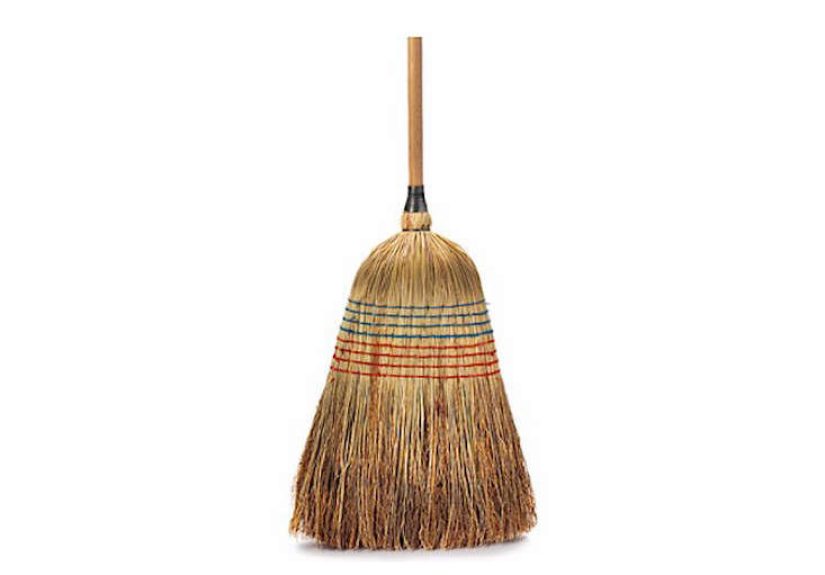
A rice straw broom is a broom made from bundled dried straw fibers, usually tied or stitched to a wooden or bamboo-style handle. Depending on the maker and market, the exact plant material and construction can vary, but the general idea stays the same: natural stalks or fibers are shaped into a flexible sweeping head designed to move dust, crumbs, leaves, and light debris. It is the kind of tool that feels refreshingly obvious. You hold it, you sweep, and the dirt receives its eviction notice.
What makes this type of broom interesting is not high-tech engineering. It is the balance between flexibility and control. Natural straw brooms tend to have a softer, more forgiving sweep than some stiff synthetic options. That can make them pleasant to use on patios, entryways, garages, workshops, and certain indoor hard floors, especially when the goal is everyday maintenance rather than industrial-strength cleanup.
Why People Still Love Natural Straw Brooms
There is a reason natural brooms have not disappeared, even in homes full of robot vacuums and cordless gadgets. First, they are easy to grab for quick messes. If you spill dry cereal, track in potting soil, or notice a confetti-like trail of mystery crumbs under the table, a straw broom is often faster than dragging out a machine. Second, many people simply prefer the feel of a natural tool. It is tactile, quiet, and oddly satisfying, like writing with a good pencil or using a cast-iron pan that behaves because it respects your authority.
There is also a sustainability angle. Rice straw is an abundant agricultural byproduct, and U.S. agriculture has long looked for practical ways to reuse straw rather than waste it. While rice straw has many other uses in farming, feed, erosion control, and construction-related applications, the broader appeal is clear: plant-based materials can be useful long after harvest. That gives the rice straw broom a certain low-waste credibility. It is not magic. It will not save the planet by itself. But it is a small, tangible step toward choosing renewable materials where they make sense.
Rice Straw Broom vs. Synthetic Broom
Texture and sweeping feel
A synthetic broom often feels more uniform and moisture-resistant, while a rice straw broom feels more organic and slightly less predictable in the best way. Natural fibers can create a softer sweeping action, which some people prefer for dry debris and light daily use. Synthetic fibers, on the other hand, are often better if your routine includes damp surfaces, frequent deep cleaning, or harsher treatment.
Performance on fine dust
No broom is perfect at fine dust. In fact, for hardwood and tile, some cleaning experts point out that vacuums can outperform brooms when it comes to catching tiny particles. Still, a soft, natural broom can work very well for visible dust, crumbs, hair, and everyday debris between deeper cleanings. Think of it as a maintenance tool, not a miracle worker in a stick disguise.
Appearance and vibe
Let us be honest: part of the attraction is the look. A rice straw broom often brings a warm, handmade, farmhouse, garden-shed, or minimalist-natural feel that a neon plastic broom can only dream about. If your cleaning closet also functions as part of your personal aesthetic, a natural broom earns points before it even touches the floor.
Best Uses for a Rice Straw Broom
A rice straw broom works best when used for the jobs it was born to do rather than the jobs we unfairly assign to it out of laziness. It shines in dry sweeping and quick cleanups. Great use cases include:
- sweeping porches, patios, and covered outdoor spaces
- tidying kitchens after dry spills
- cleaning entryways where dirt and grit gather fast
- sweeping workshops, craft rooms, and potting benches
- handling light debris in garages and utility areas
- doing routine maintenance on hard floors between mopping or vacuuming
Where it may struggle is heavy wet messes, sticky spills, thick carpets, or deeply embedded dust. That is not a flaw. That is just a broom setting boundaries, which frankly more of us should do.
How to Choose a Good Rice Straw Broom
Look at the stitching
The stitching or binding matters more than fancy marketing words. A well-stitched broom head keeps the straw flatter, tighter, and more durable over time. If the fibers are loosely held together, the broom may shed faster or lose shape sooner.
Check the handle
A comfortable handle makes more difference than people think. You want a handle with a secure grip, decent balance, and enough length to prevent excessive stooping. A broom that saves your floors but wrecks your back is not a bargain. It is a betrayal.
Think about where you will use it
If your main goal is outdoor sweeping, a wider broom head may make sense. If you want something for corners, small kitchens, or decorative-yet-functional use, a slimmer broom may be better. Some people also keep two: a larger one for utility work and a smaller hand broom or whisk broom for targeted messes.
Pay attention to fiber density
Dense straw tends to give a fuller sweeping edge and better debris pickup. Sparse straw may look charming on day one but feel underwhelming once real dirt enters the chat.
How to Use a Rice Straw Broom Properly
The best technique is gentle, steady, and controlled. Avoid wild, theatrical sweeping unless your real goal is to move dust from one side of the room to the other while feeling dramatic. Short strokes usually work better than aggressive flailing. Sweep debris into manageable piles, then collect it with a dustpan before it redistributes itself like a tiny rebellion.
On tile or delicate hard flooring, a softer broom can be a smart choice because overly harsh tools may be more likely to scratch or scatter debris. If your floor is especially sensitive or if fine dust is the main issue, follow broom use with a damp microfiber mop or a hard-floor vacuum. That pairing often gives the best overall result.
How to Clean and Maintain a Rice Straw Broom
A dirty broom does not clean. It just transfers yesterday’s crumbs into today’s clean room and acts innocent about it. Natural straw brooms need regular maintenance because dust, hair, lint, and small debris can cling to the fibers.
For routine care, shake out loose dirt outdoors after use. Remove tangled hair or fuzz by hand or with a comb-like cleaning tool. For deeper cleaning, wash the broom head in warm, mildly soapy water, gently work through the fibers, rinse, shake out excess moisture, and let it dry thoroughly. Keep the handle clean too, especially if it is unfinished wood that sees a lot of sweaty-palmed service.
Storage matters just as much as washing. Hang the broom by the handle or store it so the bristles are not crushed against the floor. Natural fibers can weaken or deform if they stay damp, overheated, or badly bent. Some experts also note that while trimming synthetic broom ends can reduce performance, occasional light trimming of damaged ends may help some natural-fiber brooms keep an even sweeping edge. Translation: do not give your broom a fashion haircut for fun, but a tiny maintenance trim may be reasonable when the ends become ragged.
How Long Does a Rice Straw Broom Last?
That depends on quality, storage, and how hard you make it work. A well-made rice straw broom used for light or moderate dry sweeping can last a long time, especially if it is cleaned regularly and stored properly. If you use it outdoors every day on rough concrete, leave it in the rain, and expect it to perform like a commercial warehouse broom, its retirement will arrive much sooner.
The simplest rule is this: a broom lasts longer when you treat it like a tool, not like a floor ornament that occasionally gets dragged into battle.
Is a Rice Straw Broom Worth Buying?
Yes, for the right person. A rice straw broom is worth buying if you want a natural-fiber sweeping tool, appreciate traditional household objects, prefer quieter and simpler cleaning, or enjoy choosing more renewable materials when practical. It is also a smart option for households that like a quick-grab broom for daily dry messes.
It may not be your best choice if you need heavy-duty wet cleaning, have mostly carpeted floors, or want the easiest possible maintenance. In that case, synthetic tools or vacuums may be better. But if you want a broom with character, solid everyday usefulness, and a little old-world charm, the rice straw broom earns its place.
Conclusion
The rice straw broom proves that humble tools can still be excellent tools. It is simple, practical, sustainable in spirit, and surprisingly satisfying to use. While American broom history was shaped largely by broomcorn, the modern appeal of the rice straw broom fits perfectly into today’s interest in natural materials, low-waste living, and objects that do their job without demanding applause. Whether you keep one by the back door, in the kitchen, or out in the garden shed, it offers a pleasant reminder that sometimes the smartest cleaning upgrade is not newer. It is just more honest.
Experiences Related to the Rice Straw Broom
One of the most common experiences people describe with a rice straw broom is how different it feels from a standard big-box-store broom. The first surprise is usually the sound, or rather the lack of it. A synthetic broom can make a scratchy, skidding noise that feels like it is arguing with the floor. A rice straw broom tends to sound softer and drier. That small difference changes the mood of the chore. Sweeping the kitchen after dinner suddenly feels less like punishment and more like a five-minute reset before calling the room done for the night.
Another familiar experience is discovering that a straw broom encourages quick cleaning habits. People who leave a broom within easy reach often use it more often. Instead of postponing cleanup because the vacuum is in a closet, needs plugging in, or requires emotional preparation, they just sweep the mess. Crumbs under the table? Sweep. Dry leaves near the door? Sweep. Potting soil from repotting a basil plant that definitely did not survive your optimism? Also sweep. The rice straw broom becomes less of a special tool and more of a daily sidekick.
There is also a tactile pleasure to it that is hard to explain until you use one. The handle feels natural, the fibers have a slightly uneven texture, and the broom has enough give to feel alive in your hand. That may sound dramatic for a cleaning tool, but it is true. Many household objects today are designed to feel slick, sealed, and impersonal. A rice straw broom feels handmade or at least hand-friendly. It has personality without becoming precious.
In garden spaces, the experience can be especially satisfying. A rice straw broom is often ideal for cleaning a potting bench, tidying a shed floor, or sweeping dust and dry debris off a covered patio. It feels right in that environment. Natural straw, clay pots, loose soil, seed packets, and morning light all seem to belong to the same visual sentence. Even people who are not sentimental about tools often admit that a natural broom makes a functional space feel calmer and better kept.
Some users also notice that a rice straw broom changes the pace of cleaning. It does not rush you. It is not optimized, digitized, or sold with a promise to revolutionize your lifestyle by Tuesday. It asks for a few minutes of attention and rewards that attention with visible results. That slower rhythm can be oddly grounding. Sweeping becomes a small physical task with a clear beginning and end, and there is real satisfaction in seeing a dusty surface turn orderly with a few controlled strokes.
Of course, the experience is not perfect. People quickly learn that a rice straw broom needs care. If you leave it sitting bristle-down in a damp corner, it starts looking tired fast. If you use it for sticky spills, it will remind you that it never agreed to that assignment. If you expect it to pull deeply embedded pet hair from rugs, it will quietly refuse. But those limitations often make users appreciate it more, not less. A rice straw broom teaches you to match the tool to the task, and that usually leads to better cleaning habits overall.
Perhaps the best experience of all is the visual one after the work is done. A good rice straw broom hanging by the back door or resting neatly in a utility corner just looks right. It suggests that the home is lived in, cared for, and maintained with practical intention. It is useful, but it also carries a kind of domestic calm. In a world full of disposable stuff, that is no small thing. The rice straw broom may be simple, but the experience of using it often feels richer than expected. And for a tool whose entire career revolves around chasing dirt, that is a pretty impressive legacy.