Table of Contents >> Show >> Hide
- What Is a Handmade Fair Trade Woven African Knitting Basket?
- Why Knitters Love African Woven Baskets
- Common Materials Used in African Knitting Baskets
- Fair Trade Value: Why It Matters
- How to Choose the Best African Knitting Basket
- Decorating With a Handmade African Knitting Basket
- Care Tips for Woven African Baskets
- Gift Ideas: Who Would Love This Basket?
- What Makes It Better Than Ordinary Storage?
- Buying Checklist for a Quality Basket
- Experience Notes: Living With a Handmade Fair Trade Woven African Knitting Basket
- Conclusion
Editor’s note: This article is based on synthesized information from reputable fair trade, artisan craft, museum, home décor, and ethical shopping resources. It does not include source links so it can be published cleanly on the web.
A handmade fair trade woven African knitting basket is one of those rare home accessories that does more than sit politely in a corner looking pretty. It holds yarn, organizes works-in-progress, supports artisan communities, adds texture to a room, and quietly announces, “Yes, I have tasteand probably too many skeins of merino.”
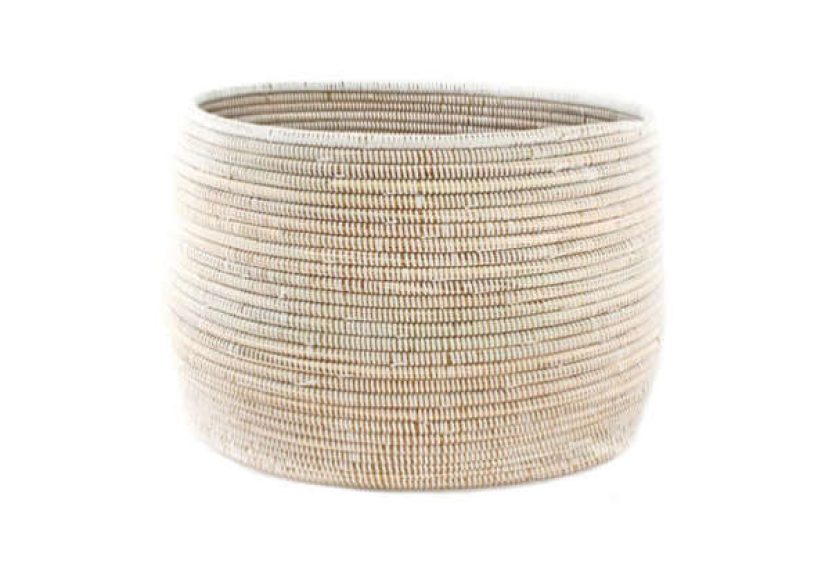
At its best, this basket is both practical and meaningful. It may be woven from elephant grass in Ghana, raffia in Uganda, sisal in Rwanda, palm fiber, banana leaf, sweetgrass, or other natural materials used across African basketry traditions. Each piece carries the mark of human hands: slight color shifts, tiny pattern variations, a curve that refuses to be factory-perfect. That is not a flaw. That is the charm doing its job.
For knitters, crocheters, fiber artists, and anyone who owns yarn “for future projects” that somehow becomes home décor, an African knitting basket can be a beautiful upgrade from plastic bins and sad tote bags. It keeps supplies accessible, protects yarn from tangles, and makes even an unfinished scarf look like part of a magazine-worthy lifestyle.
What Is a Handmade Fair Trade Woven African Knitting Basket?
A handmade fair trade woven African knitting basket is typically a sturdy, handwoven storage basket created by artisans using traditional weaving techniques and natural or recycled fibers. While not every African basket is made specifically for knitting, many shapes work beautifully as yarn baskets, project baskets, market baskets, craft organizers, or decorative storage pieces.
The phrase “fair trade” matters. In the craft world, fair trade usually points to practices such as fair payment, safe working conditions, long-term relationships with artisans, respect for cultural techniques, transparency, and environmentally thoughtful production. When applied honestly, fair trade turns a household object into a more responsible purchase. You are not simply buying a basket; you are helping sustain skilled work that often supports families and local communities.
Many African woven baskets come from regions with deep basket-making traditions. Ghanaian Bolga baskets, for example, are often made from elephant grass, also called veta vera grass. Rwandan and Ugandan baskets frequently use sisal, raffia, papyrus, sweetgrass, or banana fiber in coiled designs. Senegalese baskets may use cattail stalks, plastic strips, or other durable materials to create colorful storage pieces. Across countries and styles, the basket is rarely just a container. It is a record of place, material, skill, and daily life.
Why Knitters Love African Woven Baskets
Knitting is a peaceful hobby until the yarn ball rolls under the sofa and returns wearing dust like a tiny wool sweater. A good knitting basket prevents that drama. It gives your yarn, needles, stitch markers, pattern notes, measuring tape, and half-finished cardigan one dependable home.
They Are Strong Enough for Real Use
Many handmade African baskets are surprisingly tough. Bolga-style baskets, for instance, are known for their firm structure and flexible strength. They can handle yarn cakes, skeins, knitting needles, pattern books, and the occasional cat investigation. The woven walls allow the basket to breathe, while the open top makes it easy to grab supplies without unpacking your entire craft life.
They Make Craft Storage Look Intentional
Let us be honest: yarn piles can go from “creative abundance” to “fiber avalanche” in about 12 minutes. A woven African knitting basket turns supplies into décor. Place one beside a reading chair and suddenly your living room says “cozy artisan retreat” instead of “I lost control during a yarn sale.”
They Are Portable
Many baskets include leather-wrapped handles, loop handles, or flexible woven grips. That makes it easy to move your knitting from the sofa to the porch, from the bedroom to the living room, or from a quiet corner to wherever the good snacks are. A medium basket can hold one sweater project or several smaller projects. A larger market basket can carry yarn for ambitious makers who believe every new project needs “just a few more colors.”
Common Materials Used in African Knitting Baskets
The beauty of handmade African baskets begins with the fiber. Materials vary by region, climate, and tradition, but several are especially common in baskets used for home storage and craft organization.
Elephant Grass
Elephant grass is strongly associated with Ghanaian Bolga baskets. It is durable, flexible, and often dyed in vivid colors before being woven by hand. A basket made from elephant grass usually has enough structure to stand upright, which is perfect for knitters who want a basket that does not collapse every time they reach for circular needles.
Sisal
Sisal comes from the agave plant and is widely used in East African basketry, especially in Rwanda and nearby regions. It is often wrapped around coils of grass or other fibers, creating detailed geometric patterns. Sisal baskets are especially popular as decorative bowls, wall baskets, and small organizers for accessories such as stitch markers, scissors, buttons, or yarn labels you swear you will keep organized this time.
Raffia
Raffia is a natural fiber from palm leaves. It is flexible, lightweight, and excellent for decorative weaving. Raffia baskets often have a softer look and can feature detailed colorwork. They are useful for lighter knitting projects, display storage, or organizing small fiber tools.
Banana Leaf, Papyrus, Palm, and Sweetgrass
Across African weaving traditions, artisans use locally available fibers such as banana leaf stems, papyrus, palm fiber, reeds, grasses, and sweetgrass. These materials are often dried, split, dyed, twisted, or coiled before weaving. The result is a basket with texture that cannot be copied by a machine without losing the soul of the piece.
Fair Trade Value: Why It Matters
Buying a handmade fair trade woven African knitting basket is different from grabbing a mass-produced storage bin from a warehouse shelf. Fair trade focuses on people, not just products. In many artisan communities, basket weaving provides income that can support food, education, healthcare, and financial independence. For many women-led weaving groups, craft production can create flexible work that fits around family and community responsibilities.
Fair trade also helps preserve traditional techniques. Basketry skills are often passed from generation to generation. When customers value handmade work, artisans have more reason and opportunity to continue practicing and teaching those skills. That means a basket in your living room can help keep a weaving tradition alivenot bad for something that also holds your sock yarn.
Environmental value is another part of the story. Many baskets use renewable plant fibers, natural dyes, low-waste production methods, or recycled materials. Compared with plastic storage, a well-made natural fiber basket can be a more sustainable, longer-lasting choice. It also ages beautifully. Plastic cracks; woven baskets develop character. One is trash-bound. The other becomes “vintage” if you wait long enough.
How to Choose the Best African Knitting Basket
The best basket depends on your knitting style, space, and level of yarn-related ambition. Some people knit one project at a time. Others have seven works-in-progress and call it a “rotation.” Both deserve good storage.
Choose the Right Size
For socks, hats, baby items, and small crochet projects, a small to medium basket works well. For sweaters, blankets, shawls, or multiple skeins, choose a larger open basket with a wide base. A basket around 14 to 17 inches wide can be useful for everyday knitting storage, while oversized baskets are excellent for bulky yarn or blanket projects.
Look for Smooth Edges
Yarn is delicate, dramatic, and easily offended. Before using any woven basket for knitting, check the inside for rough edges or sharp fiber ends. A quality basket should feel sturdy but not snaggy. If the basket has a rustic interior, line it with a cotton cloth, drawstring project bag, or soft fabric insert.
Consider Handles
Handles are extremely useful if you move your project around the house. Leather-wrapped handles add comfort and durability. Woven handles look beautiful and are usually lighter. If you plan to carry the basket often, make sure the handle feels secure and comfortable in your hand.
Match the Shape to the Project
Round baskets are great for yarn balls because they let the yarn move naturally without escaping too far. Tall baskets are useful for straight needles and larger skeins. Low bowl baskets are perfect for keeping a single project visible. Lidded baskets protect supplies from dust, curious pets, or family members who think your expensive alpaca yarn is “just string.”
Decorating With a Handmade African Knitting Basket
A handmade woven basket is both storage and styling. In a living room, place it beside a reading chair with a folded throw nearby. In a bedroom, use it to hold yarn, magazines, or extra linens. In a craft room, group several baskets by size: one for yarn, one for tools, one for works-in-progress, and one for the projects you are emotionally not ready to discuss.
Neutral baskets blend easily with farmhouse, Scandinavian, coastal, bohemian, modern organic, and minimalist interiors. Colorful baskets bring energy to plain rooms and can echo accent colors from pillows, art, or rugs. Geometric African basket patterns work especially well as visual contrast in rooms with clean furniture lines.
Wall display is another option. Smaller woven baskets can be hung as basket wall art, adding texture and pattern without heavy frames. If you have several baskets from different African regions, the wall becomes a story of material, place, and craftsmanship. It is also a clever way to store baskets when you are not using them.
Care Tips for Woven African Baskets
A handmade basket can last for years with basic care. Keep it dry, avoid soaking it, and wipe dust away with a soft cloth. If a sturdy grass basket becomes slightly misshapen, many styles can be gently reshaped with light moisture and hand-forming. Always let the basket air dry completely before filling it again.
Keep baskets away from long periods of direct harsh sunlight, which can fade dyed fibers. Avoid placing heavy, sharp, or wet items inside unless the basket is designed for that purpose. For knitting, consider using a fabric liner if your yarn is very fine, fuzzy, or prone to snagging.
If the basket has leather handles, condition them occasionally with an appropriate leather care product. Do not overdo it; the goal is a happy handle, not a greasy craft emergency.
Gift Ideas: Who Would Love This Basket?
A handmade fair trade woven African knitting basket makes a thoughtful gift for knitters, crocheters, quilters, home decorators, new homeowners, college students, and anyone trying to organize a room without making it look like a storage aisle. Fill it with yarn, bamboo needles, a pattern book, herbal tea, and a soft tape measure for a complete maker’s gift basket.
It is also a strong choice for birthdays, Mother’s Day, housewarmings, holidays, craft club exchanges, or “you survived finishing that lace shawl” celebrations. Unlike many decorative gifts, a basket is useful immediately. Nobody opens a beautiful handwoven basket and says, “Oh no, where would I put things?” Humans always have things. The basket is ready.
What Makes It Better Than Ordinary Storage?
Ordinary storage hides clutter. A handmade African knitting basket elevates it. It turns materials into a visible part of home life. It also feels warmer than metal bins, more personal than plastic tubs, and more soulful than mass-produced décor.
The handmade nature of the basket means no two are exactly alike. Slight irregularities are part of the beauty. A stripe may shift. A curve may lean gently. A color may vary from the product photo. These small differences are reminders that the basket was made by a real person using real skill, not stamped out by a machine with the personality of a printer jam.
Buying Checklist for a Quality Basket
Before purchasing, check whether the seller clearly identifies the basket’s country of origin, materials, artisan partnership, and fair trade commitment. Look for descriptions that mention handmade production, artisan cooperatives, fair wages, sustainable fibers, or verified ethical partnerships. Be cautious of vague listings that use words like “African-inspired” without explaining who made the basket or where it came from.
Also check dimensions carefully. Handmade baskets often vary slightly in size, which is normal. If you need the basket to fit a shelf, measure the space first. Your yarn may be flexible; your bookshelf is not.
Finally, choose a basket that fits your real habits. If you knit daily, prioritize durability and portability. If you mainly want a decorative piece, focus on pattern, color, and display value. If you have pets, consider a lidded basket or a liner. If you have a large yarn stash, congratulations: you may need more than one basket. This is not a problem. This is interior design with benefits.
Experience Notes: Living With a Handmade Fair Trade Woven African Knitting Basket
The first thing you notice when using a handmade fair trade woven African knitting basket is that it changes the mood of your craft space. A plastic storage container may be practical, but it does not exactly whisper, “Relax, create, enjoy the process.” A woven basket does. Place one beside a chair, add two skeins of soft wool, a pattern folder, and a pair of wooden needles, and suddenly the corner looks like it belongs to a person who has their life together. Whether that is fully true is between you and your unfinished projects.
In daily use, the open shape is incredibly convenient. You can see your yarn colors at a glance, drop your project in when the phone rings, and pick it back up without digging through drawers. For knitters who rotate between projects, a larger African market basket can hold several smaller project bags. This keeps the basket tidy while still letting you move everything from room to room. It is especially helpful for living rooms, where craft supplies need to be accessible but not spread across the sofa like a fiber-based weather event.
A basket with a sturdy base also helps prevent yarn from rolling away. When working with center-pull cakes or wound balls, the basket keeps them contained while allowing the strand to feed smoothly. If the interior weave is textured, using a fabric project bag inside the basket creates the best of both worlds: the beauty of handwoven storage outside and a smooth yarn-safe surface inside. This little trick is especially useful for delicate yarns such as mohair, alpaca blends, lace-weight wool, or anything expensive enough to make you nervous when it touches rough surfaces.
The basket also becomes part of your home’s personality. Guests may ask where it came from. That opens the door to talk about fair trade, handmade craft, African weaving traditions, and why buying fewer, better things can feel more satisfying than buying disposable décor. It is a small object, but it carries a bigger conversation. In a world full of fast shopping and copy-paste products, that matters.
Over time, the basket may become more than storage. It becomes attached to your routine. Morning knitting with coffee, evening rows while watching a show, weekend mending, holiday gift projects, emergency “I need to make a baby hat by tomorrow” sessionsthe basket is there for all of it. It collects not only yarn, but also the rhythm of making. That is the quiet magic of handmade objects. They do their job, but they also make ordinary moments feel more intentional.
One practical experience worth mentioning: choose the basket before your yarn stash chooses it for you. A small basket is charming for one project, but ambitious knitters may outgrow it quickly. If you enjoy sweaters, blankets, or multiple works-in-progress, a medium-to-large basket is more useful. If you make socks, mittens, dishcloths, or small accessories, a smaller basket can be perfect. For serious craft organization, use multiple baskets by category: one for current projects, one for yarn waiting patiently for its destiny, and one for tools. Labeling is optional, but deeply satisfying.
Most importantly, a handmade fair trade woven African knitting basket brings pleasure to practical organization. It is useful, ethical, decorative, and personal. It keeps yarn in order without hiding the joy of the craft. It supports artisan skill while making your home feel warmer. It is storage with a backstory, décor with a purpose, and a gentle reminder that beautiful things do not need to be mass-produced to be modern.
Conclusion
A handmade fair trade woven African knitting basket is more than a pretty place to drop yarn. It is a functional craft companion, a décor piece, and a meaningful purchase that supports skilled artisans and traditional weaving. Whether made from elephant grass, sisal, raffia, sweetgrass, papyrus, palm, or banana fiber, each basket brings natural texture, practical storage, and cultural richness into the home.
For knitters and crocheters, it solves a real problem beautifully: where to keep yarn and tools without turning the room into a craft tornado. For decorators, it adds warmth and handmade character. For conscious shoppers, it offers a way to choose products with more care, more story, and more human value. In other words, it is not just a basket. It is the rare storage solution that can hold your yarn, your style, and your good intentions all at once.