Table of Contents >> Show >> Hide
- Who Is the Road Rage Driver in This Case?
- What Happened to the Mom and Daughter in Honolulu?
- Why the Case Went Viral So Quickly
- Road Rage vs. Aggressive Driving: What Is the Difference?
- Why Road Rage Feels So Personal
- The Legal Side: Charges, Pleas, and Public Accountability
- Why Early Release Became Part of the Conversation
- The Prison Assault: “Karma” or Another Warning Sign?
- What Drivers Can Learn From This Case
- Why Parents and Teen Drivers Should Pay Attention
- The Bigger Problem: America’s Road Rage Culture
- Experience-Based Lessons: What This Story Feels Like in Real Life
- Conclusion
Note: This article is based on publicly reported information from reputable U.S. news outlets, public safety organizations, and court-related updates available at the time of writing. Legal outcomes can change, so publishers should verify the latest court status before publication.
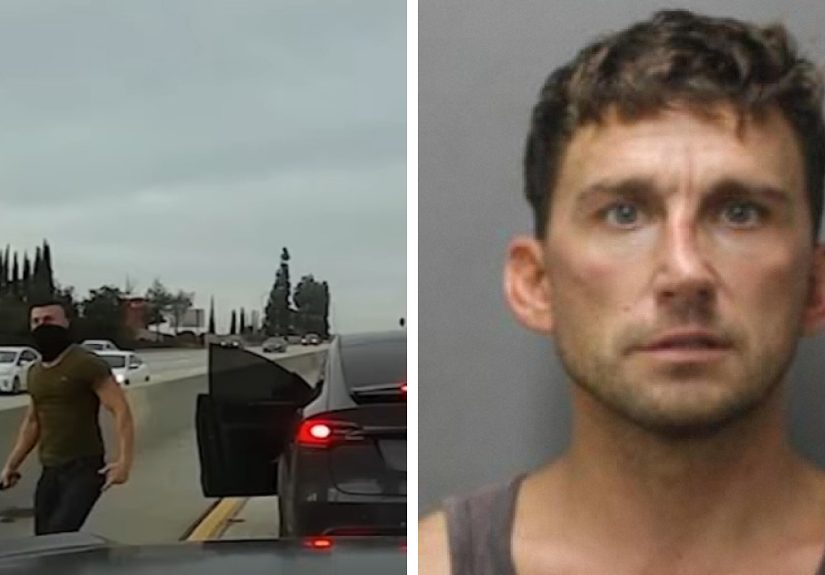
Some headlines practically beg you to finish the sentence. “Road Rage Driver Who Attacked Mom And Daughter Gets…” Gets what? A lecture? A traffic ticket? A long timeout in the world’s least relaxing waiting room? In the widely reported case involving Nathaniel Radimak, often nicknamed the “Tesla road rage guy,” the answer became darker and more complicated: after being arrested in Hawaii for allegedly attacking a mother and her teenage daughter, he was reportedly assaulted by other inmates while in custody.
The story spread quickly because it had all the ingredients of a viral internet storm: a notorious driver, a mother protecting her child, surveillance footage, a prior criminal history, a luxury electric car, and the kind of public reaction that often arrives with a gavel in one hand and a popcorn bucket in the other. But beyond the shock value, this case raises serious questions about road rage, early release, public safety, victim trauma, and why one angry moment behind the wheel can become a life-altering crime.
This is not just a story about one driver losing control. It is a cautionary tale about what happens when aggression on the road stops being “bad driving” and becomes violence.
Who Is the Road Rage Driver in This Case?
The driver at the center of the case is Nathaniel Walter Radimak, a man who became widely known in Southern California after multiple road rage incidents were captured on video and reported by major outlets. In 2023, he was sentenced to five years in prison for a series of violent attacks involving motorists in the Los Angeles area. Reports described incidents where he allegedly used a metal pipe, threatened drivers, vandalized vehicles, and targeted people during frightening confrontations on public roads.
Radimak’s nickname, “Tesla road rage guy,” came from reports that he was often seen driving a Tesla during these incidents. Of course, the car itself is not the issue. A Tesla is not born with a bad temper. The problem was the alleged pattern of behavior: confrontations, threats, vehicle attacks, and a repeated willingness to escalate everyday driving friction into something dangerous.
After serving less than a year of his five-year sentence, Radimak was released on parole in 2024. That detail became a major point of public frustration after he was arrested again in 2025, this time in Honolulu, Hawaii, in connection with an alleged attack on a mother and her 18-year-old daughter.
What Happened to the Mom and Daughter in Honolulu?
A Parking Lesson Turns Into a Road Rage Incident
According to police and public reports, the Honolulu incident happened on May 7, 2025, in the Kakaako area. A mother, identified in reports as Diane Ung, was teaching her 18-year-old daughter how to parallel park. Anyone who has ever taught a teenager to park knows this is already a delicate situation. There are mirrors, curbs, nerves, and at least one parent silently praying the bumper survives.
Then, according to reports, a gray Tesla sped past the vehicle. The young driver reportedly yelled for the Tesla driver to slow down. That brief exchange allegedly triggered the confrontation. Surveillance footage reportedly showed the Tesla driver making a U-turn, returning to the area, and approaching the vehicle.
The mother later said the man shouted at her daughter and reached into the car before striking her. Reports also stated that a baby was asleep in the back seat during the incident. When the mother stepped in to defend her daughter, she said she was also struck and injured. The driver then allegedly fled the scene.
Honolulu police arrested Radimak the next day in Waikiki. He was charged in connection with unauthorized entry into a motor vehicle and assault counts. Later updates reported that he entered a no-contest plea in January 2026 to charges stemming from the May 2025 attack, with sentencing scheduled for May 2026.
Why the Case Went Viral So Quickly
Road rage stories are, sadly, not rare. But this one traveled fast because the suspect was already known to the public. Radimak’s earlier California cases had been widely covered after dashcam footage showed aggressive confrontations on freeways. Many readers saw the Hawaii case as a disturbing sequel: same reputation, new location, another alleged attack, and this time, a mother and daughter were involved.
The public reaction was especially intense after reports emerged that Radimak had been released from prison after serving only a fraction of his five-year sentence. For previous victims and concerned drivers, the Hawaii arrest sparked an obvious question: how did someone with a documented history of road rage violence end up in another alleged confrontation so soon?
Then came the twist that supercharged the headline. While in custody at the Halawa Correctional Facility, Radimak was reportedly assaulted by other inmates. Officials said he suffered injuries to his face and torso and was taken to a hospital for treatment. Photos and reports of his injured appearance fueled online commentary, with many people calling it “karma” or “jailhouse justice.”
That reaction may be emotionally understandable, but it is also worth slowing down. Violence in custody is still violence. A justice system cannot run on revenge, even when the internet is loudly chanting for it from the cheap seats. The real issue is accountability, safety, and preventing the next victimnot celebrating another assault.
Road Rage vs. Aggressive Driving: What Is the Difference?
Many people use “road rage” and “aggressive driving” as if they mean the same thing, but there is a useful difference. Aggressive driving usually refers to dangerous driving behaviors such as speeding, tailgating, unsafe lane changes, cutting off other drivers, brake-checking, or weaving through traffic like the road is a video game and everyone else is a traffic cone.
Road rage goes further. It involves anger, threats, intimidation, or violence directed at another person. When a driver gets out of a vehicle to confront someone, reaches into another car, punches a driver, brandishes a weapon, or follows a person home, the situation is no longer just bad driving. It is a public safety threat.
Public safety organizations in the United States have long warned that aggressive driving can escalate quickly. Speeding, tailgating, and reckless lane changes create physical danger. Add anger, ego, and a personal insultreal or imaginedand the road becomes a stage for terrible decisions.
Why Road Rage Feels So Personal
One reason road rage escalates is that driving creates a strange psychological bubble. People sit inside private vehicles, surrounded by glass and metal, while making split-second judgments about strangers. A late merge feels like disrespect. A honk feels like an insult. Someone driving slowly in the left lane can feel, to an already irritated driver, like a personal attack on their entire life story.
But most driving mistakes are not personal. The driver who drifted slightly may be lost. The person who hesitated at a green light may be checking for a pedestrian. The student driver taking forever to park may be doing exactly what student drivers do: learning, sweating, and hoping nobody honks.
The Hawaii case is especially troubling because the reported trigger was so small: a young woman allegedly told a speeding driver to slow down. That should have been the end of it. Instead, according to reports, the driver returned, confronted her, and allegedly attacked both her and her mother. That is the terrifying math of road rage: a tiny spark plus a fragile ego can equal a five-alarm disaster.
The Legal Side: Charges, Pleas, and Public Accountability
Legally, road rage can lead to far more than a traffic citation. Depending on the facts and the state, a driver may face charges such as assault, battery, reckless driving, criminal threats, vandalism, harassment, unauthorized entry into a vehicle, or even attempted murder if a weapon or vehicle is used intentionally.
In Radimak’s earlier California case, reports described a sentence tied to multiple offenses, including violent conduct and vehicle-related attacks. In Hawaii, public reporting said he faced a felony count of unauthorized entry into a motor vehicle and assault charges after the Kakaako incident. In January 2026, he reportedly changed his plea to no contest. A no-contest plea is not the same as a dramatic courtroom confession on television, but it generally means the defendant does not contest the charge and accepts conviction without admitting guilt in the same way a guilty plea does.
For victims, legal language can feel cold. “Assault in the third degree” does not fully capture the fear of being attacked while sitting in a car with family. “Unauthorized entry into a motor vehicle” sounds technical, but reaching into someone’s vehicle during a confrontation can feel like a total invasion of safety. The law must use precise categories, but real people experience these moments as shock, panic, and trauma.
Why Early Release Became Part of the Conversation
One reason this story drew national attention was the timeline. Radimak had previously received a five-year prison sentence in California but was released on parole after serving less than a year, according to multiple reports. After the Hawaii arrest, some prior victims and members of the public questioned whether the system had done enough to protect people from a repeat offender.
Early release can happen for many reasons, including time served, good conduct credits, parole rules, jail or prison capacity, and state sentencing laws. These systems are complicated, and not every early release leads to reoffending. However, when a high-profile person with a violent road rage history is accused of another similar attack, public trust takes a hit.
The case shows why risk assessment matters. Road rage is sometimes dismissed as a temper problem, but repeated violent encounters on the road may signal a deeper public safety concern. When someone has a documented pattern of threatening or attacking strangers in traffic, supervision and intervention need to be taken seriously.
The Prison Assault: “Karma” or Another Warning Sign?
After Radimak was jailed in Hawaii, authorities reported that he was allegedly assaulted by other inmates at Halawa Correctional Facility. He reportedly sustained injuries to his face and torso and was taken to a hospital. The incident was under investigation.
Online, many people reacted with dark humor and satisfaction. The phrase “he got a taste of his own medicine” appeared in social posts and comment sections. That response is predictable, especially when the victims in the original alleged attack were a young woman and her mother. People naturally sympathize with the family, not the accused repeat offender.
Still, there is an important distinction between accountability and revenge. Accountability means arrest, prosecution, sentencing, restitution, supervision, and victim support. Revenge means celebrating uncontrolled violence because it happened to someone unpopular. A society that accepts revenge as justice becomes less safe for everyone.
The prison assault did not solve road rage. It did not heal the mother or daughter. It did not answer questions about parole. It simply added another violent episode to an already troubling story.
What Drivers Can Learn From This Case
1. Do Not Engage With an Aggressive Driver
If another driver is speeding, tailgating, yelling, or trying to provoke you, the safest response is usually no response. Avoid eye contact, gestures, shouting, or blocking their path. Your pride may want a comeback. Your insurance deductible would prefer silence.
2. Create Space
Let aggressive drivers pass when it is safe. Increase following distance. Change lanes carefully. Do not speed up to “teach them a lesson.” The road is not a classroom, and your bumper is not a chalkboard.
3. Stay in the Vehicle if Confronted
If a driver gets out and approaches you, keep doors locked and windows mostly up. Do not step out to argue unless staying in the vehicle creates greater danger. A locked car is not perfect protection, but it is usually safer than turning a traffic dispute into a sidewalk boxing match.
4. Drive to a Public Place
If you believe someone is following or threatening you, do not drive home. Go to a police station, fire station, hospital, busy gas station, or well-lit public area. Call 911 if you feel in immediate danger.
5. Document Safely
Dashcams can be useful, but safety comes first. Passengers can record details if needed. Drivers should avoid handling phones while moving. Try to remember the vehicle description, license plate, location, direction of travel, and driver description.
Why Parents and Teen Drivers Should Pay Attention
The Honolulu case resonates with parents because it reportedly happened during a driving lesson. Teaching a teen to drive is already stressful. Parents are balancing instruction, patience, safety, and the occasional urge to press an imaginary brake pedal through the floor. Add an aggressive stranger, and the situation becomes frightening fast.
Teen drivers need more than parking practice. They need emotional safety training. Parents should talk with young drivers about what to do when another driver honks, yells, tailgates, or behaves aggressively. The correct answer is rarely “yell back.” It is usually “stay calm, create space, and get help if needed.”
Teenagers may feel pressure to defend themselves verbally. But on the road, even a small comment can trigger someone who is already unstable. That does not mean victims are responsible for an aggressor’s violence. It means defensive driving includes emotional defense: knowing when silence is safer than being right.
The Bigger Problem: America’s Road Rage Culture
Road rage is not just about one viral case. Across the United States, drivers report seeing more hostility on the road: tailgating, honking, cutting people off, brake-checking, shouting, and sometimes weapons. Traffic congestion, stress, distracted driving, and a culture of impatience all contribute.
Many drivers treat small delays like personal emergencies. A red light becomes an insult. A slow merge becomes a declaration of war. A parking mistake becomes a reason to scream. It is absurd when you say it plainly, but anyone who drives regularly has seen it happen.
The solution is not just stricter penalties, though enforcement matters. The solution also requires better habits: leaving earlier, respecting learner drivers, using turn signals, letting people merge, and remembering that everyone on the road is a human being with somewhere to go. Even the driver who annoys you is not an obstacle in your personal racing game.
Experience-Based Lessons: What This Story Feels Like in Real Life
Anyone who has experienced road rage from another driver knows how quickly the body reacts. Your hands tighten on the wheel. Your stomach drops. Your brain starts calculating escape routes while also asking, “Is this really happening?” The scariest part is the unpredictability. A normal commute can turn into a threat in seconds, and the person causing it may not be thinking clearly at all.
Imagine being a parent in the passenger seat while your teenager is learning to park. You are already watching the curb, the mirrors, the distance from nearby cars, and your child’s confidence level. Then a speeding vehicle rushes by. Your teen says something. Suddenly, the other driver turns around. That moment is not just annoying; it is alarming. The parent’s instinct is immediate: protect the child, protect the baby in the back seat, protect the family space inside the car.
For young drivers, an incident like this can leave a long shadow. Learning to drive should build independence, not fear. A teen who is attacked or threatened behind the wheel may become anxious about parking, merging, honking, or simply making normal beginner mistakes. That is one of the hidden costs of road rage. The physical injuries may heal, but confidence can take longer to rebuild.
Many experienced drivers have their own smaller versions of this story. Maybe someone followed too closely for miles. Maybe a driver screamed at them in a parking lot. Maybe a stranger got out at a red light and started walking toward the car. In those moments, the smartest response often feels unsatisfying: do not argue, do not escalate, do not “win.” Just get away safely.
That advice can feel unfair. Why should the calm person have to retreat? Why should the responsible driver have to swallow the insult? Because the goal is not to win the argument. The goal is to get home. The road does not award trophies for clever comebacks. It rewards patience, distance, and good judgment.
One practical habit is to create a personal “road rage script” before anything happens. For example: “If someone tailgates me, I will move over when safe. If someone follows me, I will not go home. If someone gets out of a vehicle, I will lock my doors and call for help. If I feel angry, I will breathe and let the other driver disappear into the distance.” Planning this in advance helps because fear and anger can make it hard to think clearly in the moment.
Another lesson is to treat every learner driver with grace. Everyone started somewhere. Every confident driver once made a wide turn, parked crooked, stalled, hesitated, or annoyed someone behind them. A little patience around student drivers is not just kindness; it is public safety. Honking, crowding, or speeding around them can increase panic and create real danger.
The Radimak case is extreme, but the everyday lesson is simple: road rage is never worth it. Not for the aggressor, not for the victim, not for families, and not for the strangers who have to witness the chaos. A few seconds of anger can become criminal charges, injuries, lawsuits, trauma, prison time, or worse. No parking space, lane change, horn blast, or shouted comment is worth that price.
Conclusion
The story behind “Road Rage Driver Who Attacked Mom And Daughter Gets” is more than a viral headline. It is a disturbing example of how aggressive driving can escalate into alleged violence, legal consequences, and even more violence behind bars. Nathaniel Radimak’s case drew attention because of his prior road rage history, the reported attack on a mother and daughter in Honolulu, his later no-contest plea, and the alleged assault he suffered while in custody.
But the biggest takeaway is not internet karma. It is prevention. Road rage thrives when ego takes the wheel. Safer driving starts when people refuse to engage, create distance, protect passengers, report real threats, and remember that arriving safely matters more than proving a point.