Table of Contents >> Show >> Hide
- What Are Round Desk Grommets, Exactly?
- Why Round Plastic and Metallic Finish Models Stay Popular
- Common Round Grommet Sizes and What They Are Good For
- Plastic vs. Metallic Finish: Which One Should You Choose?
- Features That Make a Big Difference
- Installation Basics Without the Drama
- Where Round Grommets Work Best
- Mistakes People Make When Buying Desk Grommets
- Conclusion
- Real-World Experiences with Round Plastic and Metallic Finish Desk Grommets
If you have ever looked under a desk and found what appears to be a spaghetti festival with power cords, monitor cables, USB lines, and mystery wires from three jobs ago, congratulations: you are exactly the kind of person who needs to care about desk grommets. They may be small, humble, and tragically ignored, but round plastic and metallic finish desk grommets do a very big job. They help route cables through the desktop, protect cords from rubbing against rough cut edges, and make a workstation look intentional instead of “assembled during a power outage.”
In other words, desk grommets are the tiny hardware detail that can make a desk look cleaner, work better, and age more gracefully. Whether you are outfitting a home office, renovating a conference table, building a custom workstation, or just trying to stop your charging cable from wandering off like a toddler in a grocery store, choosing the right round grommet matters.
This guide breaks down what round plastic and metallic finish desk grommets are, how they differ, what sizes are most useful, where they work best, and how to pick one that fits both your cables and your design taste. Because yes, cable management can be functional and attractive. Imagine that.
What Are Round Desk Grommets, Exactly?
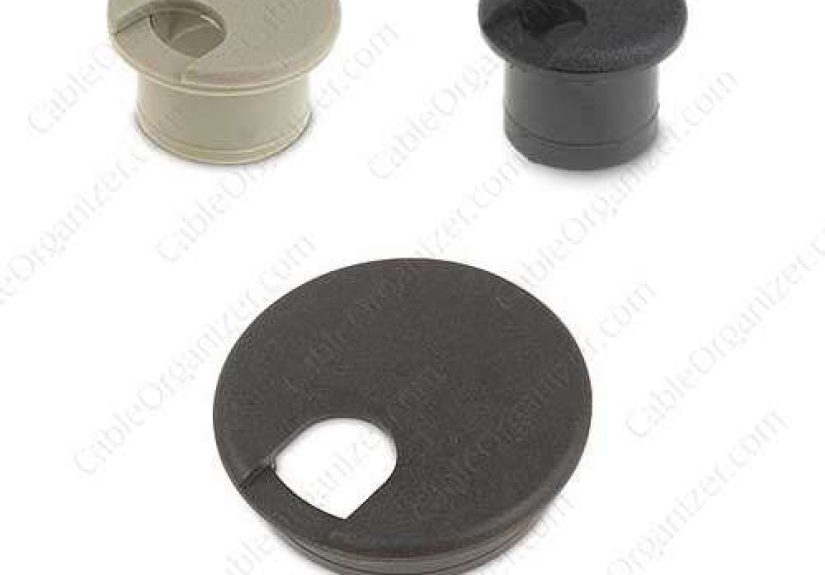
A round desk grommet is an insert that fits into a pre-drilled hole in a desk, tabletop, counter, or workstation surface. Its main job is simple: create a clean pass-through opening for wires and cords. The grommet usually includes a sleeve that lines the hole and a cap or cover that helps control how cables exit the surface.
That sounds modest, but the benefits stack up quickly. A good grommet can protect cable jackets from abrasion, reduce tangles, hide rough cut edges, guide cords toward trays or power strips below the desk, and make the whole desktop look more polished. Some versions are basic cable pass-throughs, while others have flexible openings, brush liners, removable lids, or even power and USB features built in.
Round styles remain especially popular because they are easy to install, easy to size, and visually balanced. They do not fight with the design of the desk. They just sit there quietly doing their job like the most competent coworker in the office.
Why Round Plastic and Metallic Finish Models Stay Popular
Round desk grommets come in several material and finish categories, but two of the most common for modern desks are standard plastic grommets and metallic finish grommets. Both are widely used because they hit the sweet spot between function, appearance, and affordability.
Plastic Desk Grommets
Plastic grommets are the workhorse option. They are commonly used in home offices, cubicles, study desks, media consoles, and DIY furniture builds because they are lightweight, easy to install, widely available, and usually budget-friendly. Many are two-piece designs with a sleeve and a snap-in cap. Others have swivel tops, removable lids, or flexible openings that let cords pass from different angles.
Plastic also earns points for versatility. It is available in practical colors like black, white, gray, and brown, and it blends well with laminate, painted wood, melamine, and utility furniture. If your goal is “make the wires disappear and move on with life,” plastic is often the smartest answer.
Metallic Finish Desk Grommets
Metallic finish desk grommets are the glow-up version. In many cases, these are plastic grommets with a metallic surface treatment or plated cap, which gives you the sleek look of metal without always carrying the price or weight of an all-metal component. You will often see finishes like polished chrome, satin chrome, nickel, matte chrome, satin nickel, brass-inspired tones, or other decorative metallic looks.
These are especially appealing when the desk is visible on camera, used in a client-facing office, or built with higher-end finishes like walnut veneer, white oak, black laminate, or stone-look tops. A metallic finish can echo monitor arms, drawer pulls, chair frames, lamp bases, or hardware on nearby shelving. The result is subtle, but it makes the desk feel more designed and less accidental.
When Real Metal or Flush-Mount Styles Make Sense
Some round grommets use aluminum, steel, zinc alloy, or brass components, especially in flush-mount or premium commercial designs. These are great when durability, finish quality, or a low-profile appearance matters more than saving a few dollars. A flush-mount grommet can look especially clean on executive desks, meeting tables, and built-in millwork because it sits closer to the surface and feels less like an add-on.
That said, a metallic finish plastic model is often the sweet spot for everyday users. It delivers a refined look, routes cables neatly, and keeps the install simple.
Common Round Grommet Sizes and What They Are Good For
Choosing the wrong size is where many desk grommet dreams go to die. Too small, and your chunky plugs stage a rebellion. Too large, and the opening looks oversized for the job. The best size depends on what needs to pass through the hole and how many cables you are managing.
Smaller Sizes for Light Cable Traffic
Smaller round grommets around 1-1/2 inch or 1-3/4 inch are good for simple cable needs. Think a laptop charger, one monitor cable, a keyboard lead, or a lamp cord. These work well on compact desks, side tables, and minimalist setups where only a few cords need a tidy exit path.
Mid-Range Sizes for Most Workstations
Sizes around 2 inches, 2-3/8 inches, and 2-1/2 inches are the everyday champions. They are large enough for common office cable bundles, monitor leads, charging cables, and network lines without looking oversized. Many flexible and adjustable desk grommets live in this range, which makes them a practical fit for home offices and general-purpose desks.
Larger Sizes for Bulky Plugs or Power Accessories
When you need to pass bulkier connectors, harnesses, or multiple cords at once, larger sizes such as 3 inches or 80 mm become more useful. These are common for desks designed to accept accessory grommets, storage cups, or power modules. If your desk is meant to support sit-stand hardware, monitor arms, charging modules, or more demanding cable bundles, this is often the better lane.
- 1-1/2 inch to 1-3/4 inch: light cable duty, compact desks, simple pass-throughs
- 2 inch to 2-1/2 inch: the most versatile range for everyday office cable management
- 3 inch and 80 mm: better for larger bundles, power grommets, and accessory-ready desktops
The golden rule is not “buy the biggest one.” It is “buy the smallest one that comfortably handles your actual cables.” Your desk will look cleaner, and your grommet will do a better job guiding cords instead of framing them like museum art.
Plastic vs. Metallic Finish: Which One Should You Choose?
Choose Plastic If You Want Practical, Budget-Friendly Simplicity
Plastic is ideal when cost, flexibility, and easy replacement matter. It is also a great choice for kids’ desks, utility workstations, rented spaces, workshops, dorm rooms, and furniture that sees frequent reconfiguration. Black plastic is especially forgiving because it visually disappears on most dark desks and hides scuffs well.
Choose Metallic Finish If Appearance Matters More
If your desk is part of a styled office, creative studio, conference room, or executive setup, a metallic finish is worth a closer look. It can make an ordinary cable hole look finished and intentional. On camera, this matters even more. A brushed or polished cap can make the workspace feel more premium without turning the desk into a hardware showroom.
Choose Based on the Desk’s Personality
Yes, desks have personalities. A matte black workstation with dual monitors and a mechanical keyboard often looks best with black, charcoal, or muted metallic hardware. A warm walnut desk may pair beautifully with satin nickel, brushed bronze, or antique brass tones. A bright white desk usually plays well with white plastic, matte silver, or polished chrome accents.
If you want the grommet to disappear, match it closely to the desktop. If you want it to look intentional, match it to surrounding hardware. If you want to overthink it for three days and make a spreadsheet, that is also very on-brand for desk-upgrade people.
Features That Make a Big Difference
Two-Piece Construction
This is one of the most common styles. The sleeve sits in the hole, and the cap snaps in place over it. It is easy to install and easy to replace, which is why it is so popular in DIY and commercial environments.
Removable Lid or Cap
A removable top lets you add or rearrange cables without fighting the grommet every time. This is especially handy if you switch devices often or add accessories over time.
Flexible or Adjustable Openings
Some grommets use flexible petals or segmented openings so cords can exit in multiple directions. These are excellent when your cable bundle changes often or when you want the opening to hug the cords more closely.
Brush-Lined Openings
Brush-lined grommets are great for larger openings because they help prevent plugs from dropping through while still allowing cables to pass cleanly. They also hide the hole a bit better from above, which makes the desk look neater.
Flush-Mount Profiles
Flush-mount styles keep the cap closer to the desk surface, which creates a cleaner, less bulky look. They are a favorite in higher-end office furniture and custom millwork because they feel more architectural.
Installation Basics Without the Drama
Installing a round desk grommet is usually straightforward, but the desk does expect you to measure like an adult. Start by confirming the required cutout size for the grommet. Product sizing is often listed by hole size, not only overall outer diameter, and that difference matters.
Next, decide where the opening should go. Back corners and rear center positions are popular because they keep cables out of the main work area. Think about where your monitor, laptop dock, lamp, and power strip live before drilling. A beautifully installed grommet in the wrong spot is still the wrong spot.
Once the hole is cut, most plastic and metallic finish grommets simply drop in or snap into place. Some accessory-based systems include a locking ring underneath. If you are building a desk from scratch, it is wise to dry-fit everything before final assembly. That includes checking cable clearance below the top so the grommet does not fight with drawers, frame rails, or cable trays.
And please, for the love of clean lines, vacuum the sawdust before you pop the grommet in. Nothing ruins a “professional finish” faster than a ring of wood fuzz and regret.
Where Round Grommets Work Best
- Home office desks: ideal for monitor cables, chargers, docking stations, and task lighting
- Standing desks: especially useful when paired with trays and monitor arms to guide moving cables neatly
- Conference tables: great for shared charging, presentation cables, and a cleaner tabletop
- Reception desks: helpful when appearance matters and equipment needs to stay out of sight
- Custom woodworking projects: a small hardware detail that makes a built-in desk look finished
- Media furniture: useful for TV stands, consoles, and entertainment centers with multiple cords
Mistakes People Make When Buying Desk Grommets
Buying by appearance only. A polished metallic cap looks fantastic until you realize your HDMI connector barely fits through the opening.
Ignoring hole size versus overall size. The visible top diameter and the required cutout are not the same thing. Confusing them is the fastest route to a return label.
Choosing too many finishes. A brushed nickel grommet, matte black monitor arm, brass lamp, and chrome desk frame can work together, but only if the rest of the room is coordinated. Otherwise, your desk starts looking like a hardware store had a mood swing.
Skipping the cable plan. A grommet helps, but it works best with clips, trays, ties, or channels below the desk. A hole alone is not a cable management system. It is just a more fashionable hole.
Conclusion
Round plastic and metallic finish desk grommets may be small, but they solve an outsized problem. They protect cords, clean up the visual mess of modern workstations, and help a desk feel finished instead of improvised. Plastic models bring practical value, easy installation, and everyday versatility. Metallic finish styles add polish, coordination, and a more premium look that works beautifully in visible workspaces.
The right choice comes down to three things: what needs to pass through the opening, how the desk is used, and what kind of look you want the surface to have. Get those three right, and the grommet stops being an afterthought and becomes one of those tiny upgrades you appreciate every single day. Not bad for a ring around a hole.
Real-World Experiences with Round Plastic and Metallic Finish Desk Grommets
In real life, people usually discover the value of desk grommets in one of two ways: either they are building a desk and planning ahead like organized champions, or they are kneeling under a tangled mess of cables muttering things that should not be repeated in a professional setting. The second group is much larger.
One common experience is the home-office upgrade. Someone buys a nice desktop, adds a monitor arm, a laptop stand, a charger, a microphone, a desk lamp, and maybe speakers. The desk looks amazing for about twelve minutes. Then the cables begin their slow transformation into a hanging vine exhibit. A simple round plastic grommet near the back edge suddenly changes everything. Cords drop through one clean opening, the desktop feels wider, and cleaning becomes easier. It is one of those improvements that feels strangely satisfying every time you sit down.
Metallic finish grommets tend to show up in slightly more design-conscious situations. Maybe a person has invested in a walnut desk for a studio, or a business wants a conference table that looks polished during meetings. In those cases, a chrome, nickel, or satin finish grommet does more than manage cables. It visually belongs to the furniture. People often describe the result as “cleaner,” “more professional,” or “like it came that way from the factory,” which is exactly the goal.
DIY builders also tend to appreciate how forgiving these products are. Drill the right hole, drop in the sleeve, snap in the top, and suddenly a custom desk looks much more finished. Even a simple plywood or laminate worktop gains a more intentional look. That is why grommets show up so often in workshop builds, closet offices, study nooks, and entertainment cabinets. They are a small detail, but they make handmade furniture feel more complete.
There is also the everyday convenience factor. People who use removable-lid or flexible grommets often mention how much easier it becomes to swap devices without pulling half the desk apart. Add a new monitor? No problem. Move a charger? Easy. Thread in a different cable? Much less annoying. That kind of convenience is not flashy, but it adds up over time.
And then there is the visual peace. A good desk grommet will not make you more productive by magic, but it can make your desk feel calmer, less cluttered, and easier to maintain. For a lot of people, that is the real win. Fewer visible cords, fewer snagged cables, fewer dusty tangles in the back corner, and a workspace that looks like it has its life together even when you do not. Honestly, that is a pretty excellent return on a very small piece of hardware.