Table of Contents >> Show >> Hide
- Why Gutter Timing Matters More Than Most People Think
- Fall vs. Spring Gutter Cleaning
- What Maintenance Pros Usually Recommend
- How to Decide the Right Schedule for Your House
- Signs You Should Clean Gutters Right Now
- Best Time in Fall and Best Time in Spring
- DIY Gutter Cleaning Basics
- Ladder Safety Matters More Than Speed
- When Hiring a Pro Makes More Sense
- Fall vs. Spring Verdict
- Practical Maintenance Calendar You Can Actually Follow
- Common Homeowner Experiences and Lessons Learned
- Conclusion
If gutter cleaning had a dating profile, it would say: “Important, often ignored, and only appreciated when things go wrong.” Most homeowners know gutters matter, but the timing question causes endless procrastination: clean in fall, wait until spring, or cross your fingers and hope gravity handles it?
Here’s the short answer from maintenance pros and home-care experts: the best plan is both fall and spring. If you absolutely must choose one, fall usually winsespecially in areas with deciduous trees and freezing weather. Why? Because fall debris becomes winter trouble: clogs, overflow, ice buildup, gutter strain, and water creeping into places water should never be.
In this guide, we’ll break down the real-world pros and cons of each season, what changes by climate and tree type, what warning signs mean “clean them now,” and when it’s smarter (and safer) to call a pro. We’ll also cover a bunch of practical tips that make the job faster and less miserable. (Well… less miserable. It’s still gutters.)
Why Gutter Timing Matters More Than Most People Think
Gutters and downspouts do one main job: move rainwater and melting snow away from your home. When that system is clogged, water doesn’t politely wait. It spills over edges, pools near the foundation, backs up under roof components, and can contribute to moisture damage, rot, mold issues, or basement leaks.
This is why gutter cleaning isn’t just a “curb appeal” chore. It’s part of your home’s water management system. A clogged gutter can create a chain reaction:
- Overflow at roof edges and fascia
- Water running next to the foundation
- Ice buildup in colder months
- Sagging gutters from trapped debris and standing water
- Pest nesting in damp leaf piles
Translation: ignoring gutters is like ignoring a “check engine” light and being shocked when the car starts making expensive noises.
Fall vs. Spring Gutter Cleaning
Why Fall Cleaning Is Usually the Priority
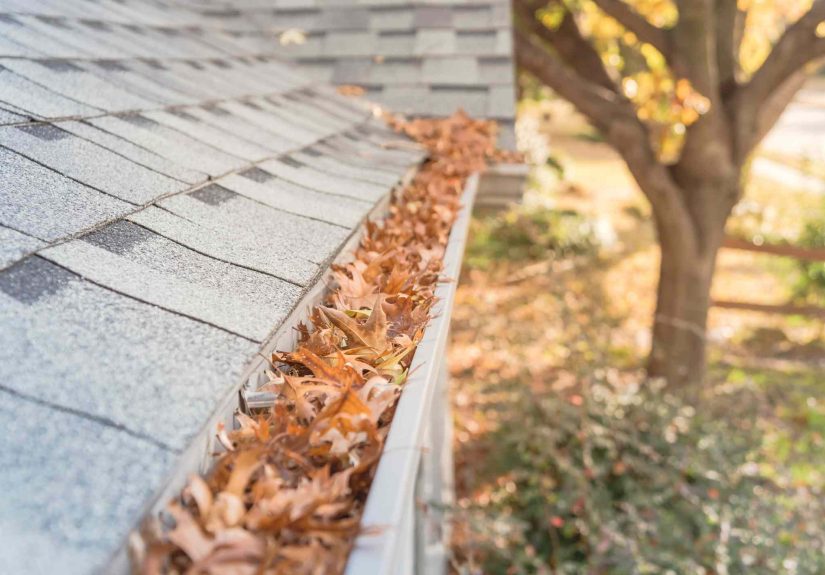
For many homes, fall is the most important gutter cleaning season. Leaves, twigs, seed pods, and pine needles pile up quickly, and once temperatures drop, that debris can trap moisture and block flow right when winter weather is about to test your drainage system.
If you live in a climate with freezing temperatures, fall cleaning helps reduce the risk of:
- Standing water freezing in gutters
- Ice buildup that adds weight and stress
- Water backing up and contributing to roof-edge damage
- Overflow near walkways and the foundation
Another key point: fall cleaning should happen after most leaves have dropped, not too early. Clean too soon, and your gutters will refill like a snack bowl at a teen party.
Why Spring Cleaning Still Matters
Spring isn’t a backup planit’s part of a complete maintenance cycle. Even if you cleaned in fall, winter can leave behind grit, twigs, shingle granules, pollen, and storm debris. Spring cleaning gets your gutters ready for heavy seasonal rain and helps you catch any freeze-thaw damage from winter.
Spring is also a great time to:
- Flush downspouts and check for hidden clogs
- Inspect for cracks, loose fasteners, and sagging sections
- Confirm downspouts still direct water away from the house
- Check for overflow during a rainstorm or with a hose test
In other words, fall cleaning is about prevention; spring cleaning is about reset and inspection.
So… Should You Wait Until Spring?
In most cases, no. Waiting until spring can be risky if your gutters are packed with fall debris, especially in places with snow, ice, or winter storms. By spring, the damage may already be done.
The better question isn’t “fall or spring?” It’s: What’s the minimum safe schedule for my home?
What Maintenance Pros Usually Recommend
Across home maintenance pros, retailers, insurers, and home improvement editors, the most common advice is:
- Clean gutters at least twice a year (spring and fall)
- Clean more often if you have lots of trees, frequent storms, or pine needles
- Inspect after severe weather even if it’s not “cleaning season”
That twice-a-year baseline is solid for many homes, but not all. If your house is under tree cover, near tall pines, or gets constant windy debris, you may need seasonal or even quarterly checks. Pine needles and sticky seed pods are notorious because they mat together and clog fast.
Also worth noting: gutter guards can help, but they are not a magic force field. Guards reduce big debris, but fine material like grit, pollen, dirt, and tiny needles can still build up.
How to Decide the Right Schedule for Your House
1) Your Tree Situation
Tree coverage is the biggest factor. A house with open sky exposure might do fine with two cleanings a year. A house tucked under mature oaks, sweet gums, pecans, or pines? That home may need more frequent maintenance.
Quick rule of thumb:
- Few nearby trees: 1–2 cleanings per year
- Moderate tree cover: 2 cleanings per year (spring + fall)
- Heavy tree cover / pines: 3–4 inspections/cleanings per year
2) Your Climate
If you have freezing winters, fall cleaning becomes extra important because clogged gutters plus freeze-thaw cycles are a bad combo. If you live in a rainy region, spring readiness matters just as much. In windy areas, debris checks after storms should be part of the plan.
3) Your Roof and Gutter Setup
Multi-story homes, steep roofs, and hard-to-access gutter runs make DIY cleaning riskier. If you can’t reach sections safely, don’t “wing it.” That’s how people end up learning orthopedic vocabulary.
4) Whether You Have Gutter Guards
Guards help reduce leaf buildup, but they still need inspection. Think of them as a filter, not a permanent skip button. You’ll likely clean less often, but you still need to remove surface debris and check for sediment buildup underneath.
Signs You Should Clean Gutters Right Now
Not sure if it can wait? These signs usually mean it’s time:
- Visible leaves, twigs, or dirt packed in the channel
- Water spilling over the gutter edge during rain
- Little or no water coming out of the downspout
- Sagging sections or gutters pulling away from the house
- Plants, moss, or weeds growing in the gutter (nature is getting too comfortable)
- Water pooling near the foundation after rain
- More birds, bugs, or critters hanging around the roofline
If you notice overflow during a heavy rain, that’s especially useful diagnostic information. It often points to a clogged downspout or improper pitch in the gutter run.
Best Time in Fall and Best Time in Spring
Best Time in Fall
Aim for late fall, after most leaves have dropped but before freezing weather becomes regular. In some neighborhoods, one fall cleaning isn’t enoughespecially if leaves drop in waves.
If your property has a lot of trees, do a quick inspection once early in the season and a more thorough cleaning later. A 10-minute check can prevent a January headache.
Best Time in Spring
Aim for early to mid-spring, before peak rain periods in your area. This timing helps you catch winter damage and clear out debris before heavy runoff starts.
Pro tip: choose a dry stretch if possible. Damp, compacted gutter sludge is heavier, messier, and somehow manages to end up everywhere.
DIY Gutter Cleaning Basics
If you’re doing it yourself, the process is simple in theory:
- Remove debris near the downspout and along the gutter channel
- Flush the gutters with a hose
- Clear the downspout (hose first, snake if needed)
- Check flow and look for leaks or sagging
- Confirm water exits and drains away from the home
Common tools include gloves, a scoop or trowel, buckets, a garden hose with spray nozzle, and sometimes a plumber’s snake for stubborn downspout clogs. Some homeowners also use leaf blowers or wet/dry vacs with gutter attachments.
Don’t Skip the Downspouts
A lot of people clean the visible gutter channel and call it done, then wonder why water still backs up. Downspouts clog too. Always flush them and verify strong flow at the outlet.
Also check where the downspout ends. Water should be directed well away from the foundation. If it dumps too close to the house, you can still get moisture problems even with perfectly clean gutters.
Ladder Safety Matters More Than Speed
Gutter cleaning accidents usually happen because people rush, overreach, or set a ladder on bad footing. A “quick job” can get dangerous fast.
Safer habits include:
- Set ladders on stable, level ground
- Don’t overreachmove the ladder instead
- Use gloves and eye protection
- Have a helper steady the ladder when possible
- Don’t carry loads that throw off your balance
- Hire a pro if the roofline is high, steep, or hard to access
If you’re even slightly uncomfortable on ladders, outsourcing the job is not “being lazy.” It’s called good judgment.
When Hiring a Pro Makes More Sense
DIY is great when the house is one story and access is straightforward. But a professional is often the smarter move if:
- You have a two-story or taller home
- You have steep roof sections or landscaping that complicates ladder placement
- You’ve seen sagging gutters, leaks, or possible damage
- You want a seasonal inspection, not just debris removal
- You physically can’t do ladder work safely
Hiring a pro can also be cost-effective if it prevents repairs to fascia, siding, or the foundation. Some pros can spot pitch issues, loose hangers, or small leaks before they turn into larger repair bills.
Fall vs. Spring Verdict
Here’s the verdict maintenance pros would probably tape to your fridge:
- Best answer: Clean gutters in both fall and spring.
- If you must choose one: Pick fall (especially in cold climates or leaf-heavy areas).
- If you have lots of trees: Add extra checks after storms and during peak leaf drop.
- If you have gutter guards: Still inspect and maintain them regularly.
The goal isn’t just “clean gutters.” The real goal is controlling water before it damages your roof edge, siding, foundation, or basement.
Practical Maintenance Calendar You Can Actually Follow
Late Summer / Early Fall
- Inspect gutters and downspouts
- Trim back overhanging branches if needed
- Check for loose fasteners and visible sagging
Late Fall
- Do your main leaf cleanout
- Flush gutters and downspouts
- Confirm drainage away from the foundation
- Check for leaks before freezing weather
Early Spring
- Clear leftover winter debris and grit
- Inspect for freeze-thaw cracks or separated joints
- Test downspout flow and drainage direction
- Look for signs of overflow stains or foundation splashback
After Major Storms
- Do a quick visual check for branches, clogs, or pull-away sections
- Inspect downspout outlets for strong water flow
Common Homeowner Experiences and Lessons Learned
Homeowners tend to learn gutter timing the same way they learn about smoke detector batteries: the hard way, usually at the least convenient moment. One of the most common stories goes like this: “I figured I’d wait until spring.” Then winter arrives, a storm hits, and suddenly water is spilling over the front entry while the gutters sound like they’re full of gravel. By the time spring cleaning happens, there are stains on the siding and one gutter section is pulling loose.
Another common experience happens in heavily wooded neighborhoods. A homeowner cleans in early fall, feels productive, and mentally checks the job off the list. But by late November, another round of leaves drops, plus a few windy days toss in twigs and seed pods. The gutters clog again, and the owner assumes the system is “broken” when the real issue is timing. The fix is simple: inspect once early, then do the main cleaning after peak leaf drop.
Spring brings its own surprises. A lot of people report that they cleaned in fall but still found buildup in springespecially gritty sludge, roof granules, and compacted debris near downspouts. That’s why pros keep recommending a spring check even after a solid fall cleanup. It’s less about leaves and more about restoring flow, checking for winter damage, and catching small issues before heavy rains.
Then there’s the “I have gutter guards, so I’m done forever” phase. This one is incredibly popular. Homeowners install guards and feel victorious, only to discover that fine debris still collects, or the top of the guards gets covered in wet leaves. Guards help a lot, but they don’t remove the need for inspections. People who are happiest with gutter guards usually treat them as a maintenance reducer, not a maintenance replacement.
Safety is another recurring theme. Plenty of DIYers start with confidence and quickly realize ladder work is the real challengenot the debris. Uneven ground, flower beds, wet grass, and awkward rooflines make “just scooping leaves” much more technical than expected. Homeowners who avoid trouble tend to follow the same pattern: they use proper ladder placement, move the ladder often instead of reaching, wear gloves and eye protection, and stop the second the setup feels sketchy.
The most useful takeaway from real-life experiences is this: the best gutter plan is the one you’ll actually repeat. A simple schedulelate fall cleanout, spring reset, and quick checks after big stormsbeats an elaborate plan that never happens. Gutters don’t need perfection. They need consistency. And if consistency means hiring a pro twice a year, that’s still a smart maintenance strategy.
Conclusion
If you’ve been debating whether to clean gutters in fall or wait until spring, the pros’ answer is pretty clear: don’t make it an either/or decision if you can help it. Fall cleaning protects your home before winter stress arrives, and spring cleaning resets the system for seasonal rain while revealing any cold-weather damage.
If you only have time for one cleaning, choose fallbut choose late fall, after most leaves have dropped. Then add a quick spring inspection to make sure water flows freely. Your roof, siding, foundation, and future self will all appreciate it.