Table of Contents >> Show >> Hide
- What Are Nootropic Supplements, Exactly?
- Before You Buy: The Honest Truth About Brain Boosters
- The Best Nootropic Supplements to (Maybe) Boost Brain Power
- 1. Caffeine: The Reigning Champion of Mental Pep
- 2. L-Theanine: Caffeine’s More Polite Coworker
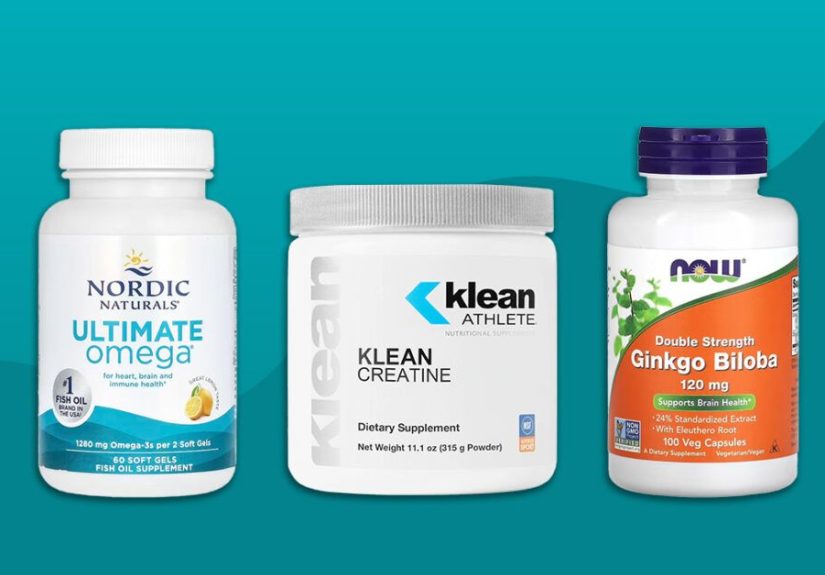
- 3. Creatine: Not Just for Gym Bros
- 4. Omega-3s (Especially DHA): More Brain Support Than Brain Fireworks
- 5. Bacopa Monnieri: The Herbal Wild Card With Some Interesting Data
- 6. Rhodiola Rosea: More About Mental Fatigue Than Raw IQ
- 7. B Vitamins and B12: Helpful When You Actually Need Them
- 8. Ginkgo Biloba: Famous, Popular, and Still Questionable
- What About Trendy “Brain Booster” Blends?
- How to Choose a Nootropic Supplement Without Falling for Nonsense
- Who Might Benefit Most From Nootropic Supplements?
- Who Should Be Extra Careful?
- The Real Best Nootropic Stack? Boring Habits That Actually Work
- Real-World Experiences With Nootropic Supplements
- Conclusion
If the internet is to be believed, one capsule can turn you into a laser-focused genius who remembers every password, every birthday, and where the car keys went. Real life, however, is a little less cinematic. Nootropic supplements often marketed as “brain boosters” or “smart supplements” may help in certain situations, for certain people, with certain ingredients. That is a lot of qualifiers for one bottle with a shiny label.
Still, the topic is worth taking seriously. Interest in nootropic supplements has exploded because people want more energy, better concentration, sharper memory, and fewer “why did I open this tab?” moments. The catch is that the science is mixed, the marketing is often bolder than the evidence, and some products promise way more than they can possibly deliver.
This guide takes a practical, evidence-aware look at the best nootropic supplements that might boost brain power. Emphasis on might. We are not here to crown a miracle pill. We are here to sort the useful maybes from the expensive mayhem.
What Are Nootropic Supplements, Exactly?
Nootropics are substances used with the goal of supporting cognitive performance things like attention, memory, mental clarity, alertness, and sometimes mood under stress. The category is broad. It includes familiar ingredients such as caffeine, tea compounds like L-theanine, and a rotating cast of herbs, fatty acids, amino acid-like compounds, and vitamins.
Some nootropics are sold as standalone supplements. Others show up in “brain blends” with ingredient lists so long they look like a grocery receipt from a wizard. That is part of the problem. When products combine ten or fifteen compounds in one formula, it becomes hard to know what is doing what assuming anything is doing much at all.
Also worth noting: “natural” does not automatically mean “effective,” and it definitely does not always mean “safe.” A supplement can be plant-based and still cause side effects, interact with medications, or simply fail to live up to the hype.
Before You Buy: The Honest Truth About Brain Boosters
Let’s get the awkward truth out of the way early. Most healthy adults are not going to swallow a capsule and wake up with the focus of a chess grandmaster and the memory of a trivia champion. If your sleep is bad, your diet is chaotic, your stress is through the roof, and you are operating on three iced coffees and pure denial, no supplement is going to rescue that situation in a meaningful way.
The best nootropic supplements work, at best, like assistants not magicians. They may slightly improve alertness, support concentration, or help under specific conditions such as fatigue, high mental demand, or poor dietary intake. The strongest “brain power” upgrades still come from basic habits: adequate sleep, regular exercise, balanced nutrition, hydration, stress management, and treating underlying medical issues.
That said, some ingredients are more promising than others. Here are the nootropic supplements most worth knowing about.
The Best Nootropic Supplements to (Maybe) Boost Brain Power
1. Caffeine: The Reigning Champion of Mental Pep
If nootropics had a hall of fame, caffeine would be in the lobby taking photos with fans. It is the most widely used cognitive enhancer on the planet, and for good reason. Caffeine can improve alertness, reaction time, attention, and perceived energy, especially when you are tired or mentally dragging.
That does not make it subtle. Caffeine is basically the enthusiastic friend who barges in, opens the curtains, and announces that everyone is doing things now. In reasonable amounts, that can be great. In excessive amounts, it can also mean jitters, anxiety, heart palpitations, poor sleep, and a personality temporarily sponsored by impatience.
Best for: short-term alertness, focus during mentally demanding tasks, fighting mild fatigue.
Maybe not ideal for: people who are sensitive to stimulants, already anxious, or trying to improve sleep and then wondering why they cannot.
2. L-Theanine: Caffeine’s More Polite Coworker
L-theanine is an amino acid found naturally in tea, especially green tea. On its own, it is often associated with relaxation without heavy sedation. Paired with caffeine, it becomes especially interesting. This combo may help smooth out caffeine’s rough edges while supporting attention, concentration, and mental clarity.
In plain English: caffeine says, “Let’s go!” and L-theanine replies, “Yes, but without panicking.” That balance is why many people consider the caffeine-plus-L-theanine pairing one of the most practical nootropic strategies for everyday use.
Best for: people who want focus with less jitteriness, students, desk workers, and anyone who likes their productivity with a side of emotional stability.
Watch for: product quality, dosage confusion, and the temptation to assume “more” means “better.” It rarely does.
3. Creatine: Not Just for Gym Bros
Creatine is usually associated with strength training, shaker bottles, and people who own more than one pair of lifting shoes. But it has become increasingly interesting in brain health conversations too. Creatine helps support cellular energy production, and the brain is, to put it mildly, an energy-hungry organ.
Research suggests creatine may offer cognitive benefits in certain contexts, particularly when the brain is under stress think sleep deprivation, intense mental workload, or possibly in people with lower dietary creatine intake, such as some vegetarians. It is not a guaranteed memory upgrade for everyone, but it is one of the more plausible “maybe” supplements in this space.
Best for: people who are sleep-deprived, mentally overworked, or already interested in creatine for exercise support.
Good reality check: this is not “instant genius powder.” It is more like a solid utility player than a flashy superstar.
4. Omega-3s (Especially DHA): More Brain Support Than Brain Fireworks
Omega-3 fatty acids, particularly DHA, are often marketed for brain health. That is not pure nonsense. DHA is a structural component of the brain, and diets rich in omega-3s are often linked with overall health benefits. But when it comes to popping an omega-3 supplement and feeling noticeably sharper by Tuesday afternoon, the evidence is far less exciting.
Omega-3 supplements may be more about long-term support than dramatic short-term cognitive effects. They make more sense as part of a bigger health picture, especially if your diet is low in fatty fish or other omega-3 sources. This is one of those supplements that can be reasonable without being miraculous.
Best for: people with low dietary omega-3 intake, those thinking long term about overall health, and anyone who understands that subtle support still counts.
Not the best choice if: you expect a cinematic montage where your brain suddenly starts sparkling.
5. Bacopa Monnieri: The Herbal Wild Card With Some Interesting Data
Bacopa monnieri is an herb used in traditional Ayurvedic medicine and often promoted for memory and learning. Among herbal nootropics, it gets more serious attention than many of its competitors because some clinical studies suggest it may help certain aspects of memory over time.
The key phrase there is over time. Bacopa is not usually described as an acute “feel it in an hour” ingredient. It is more often studied as a daily supplement taken for weeks or months. If it helps, it tends to help gradually. That makes it a tough sell in a world trained by espresso shots and same-day shipping, but it is also why some people find it intriguing.
Best for: people interested in longer-term, herb-based cognitive support rather than a fast stimulant effect.
Possible downside: digestive side effects can happen, and product standardization matters a lot.
6. Rhodiola Rosea: More About Mental Fatigue Than Raw IQ
Rhodiola rosea is often discussed as an adaptogen, meaning it is used to help the body cope with stress. For cognition, the appeal is less “unlock hidden genius” and more “help me think like a functional adult when I am wiped out.” Some people use it for mental fatigue, stress resilience, and endurance during demanding days.
That can make sense in theory. After all, many people do not need a smarter brain so much as a less frazzled one. Still, the evidence is not strong enough to treat rhodiola as a sure thing, and responses seem to vary from person to person.
Best for: stress-heavy workdays, mental fatigue, and people whose brains feel more “overcooked casserole” than “high-performance processor.”
7. B Vitamins and B12: Helpful When You Actually Need Them
Vitamin B12 and other B vitamins are essential for nervous system function. If you are deficient, correcting that deficiency can absolutely matter for energy, cognition, and nerve health. But that is very different from saying high-dose B-vitamin supplements reliably boost brain power in otherwise well-nourished adults.
This is an important distinction because supplement marketing loves to blur it. If you have low B12, addressing it is smart healthcare. If your levels are fine, taking more may not turn your brain into a supercomputer. In other words, deficiency correction is medicine-adjacent; random megadosing is often just expensive optimism.
Best for: people with confirmed deficiency, restrictive diets, certain digestive conditions, or medical guidance pointing in that direction.
8. Ginkgo Biloba: Famous, Popular, and Still Questionable
Ginkgo biloba might be the herbal supplement equivalent of a celebrity with excellent name recognition and inconsistent reviews. It has long been marketed for memory and cognition, especially in older adults. The issue is that better-quality evidence has not strongly backed the biggest claims.
Some people still swear by it. Science, however, remains less impressed. That does not make ginkgo worthless in every context, but it does keep it lower on the list if you are prioritizing ingredients with more believable upside.
Best for: honestly, mostly for people who already know its limitations and are not expecting miracles.
Use extra caution if: you take blood thinners or other medications, because herb-drug interactions are not just theoretical.
What About Trendy “Brain Booster” Blends?
Many nootropic products do not sell one ingredient. They sell a dream. Usually it comes in a dark bottle with a futuristic label, a very confident brand voice, and a proprietary blend that reveals less than a poker face.
These formulas often combine caffeine, L-theanine, bacopa, rhodiola, ginkgo, vitamins, mushrooms, choline compounds, and assorted extras. Sometimes they may help. Sometimes they are underdosed, overdosed, or just confusing. The biggest issue is transparency. If a label hides exact ingredient amounts behind “proprietary blend,” that is not mysterious in a cool way. It is mysterious in an “I would like actual information, please” way.
For most people, a simpler approach is smarter. If you want to experiment, it is easier to evaluate one or two ingredients than a kitchen sink formula with twelve moving parts.
How to Choose a Nootropic Supplement Without Falling for Nonsense
Look for a Plausible Goal
Do you want better focus? Less mental fatigue? Support while sleep-deprived? Gentler energy? A supplement is easier to judge when the goal is specific. “Boost brain power” sounds fun, but it is too vague to be useful.
Check for Third-Party Testing
Quality matters. Independent testing can help verify that a product contains what it says it contains and is less likely to include unwanted surprises. In the supplement aisle, “surprise” is rarely a good thing.
Beware of Disease Claims
If a supplement promises to treat dementia, Alzheimer’s disease, ADHD, or serious memory loss, that is a giant red flag. Legitimate products should not sound like late-night infomercials for miracle wizard dust.
Respect Interactions and Side Effects
Stimulants can worsen anxiety. Herbs can affect medications. Some supplements are not ideal during pregnancy, breastfeeding, or with certain medical conditions. This is exactly why “but it’s natural” is not a safety plan.
Who Might Benefit Most From Nootropic Supplements?
The people most likely to notice benefit are not always the people chasing perfection. Often, they are people with a specific gap or need. Someone who is mildly sleep-deprived may notice caffeine more than someone who already sleeps well. Someone with low dietary omega-3 intake may benefit more from fish oil than someone eating salmon like it is a part-time job. Someone with a B12 deficiency may feel substantially better after treatment, while someone without a deficiency might feel exactly the same, except lighter in the wallet.
That is the pattern worth remembering: targeted use tends to make more sense than general biohacking fantasy.
Who Should Be Extra Careful?
If you have heart issues, anxiety, insomnia, kidney disease, liver disease, a bleeding disorder, or take prescription medications, caution is wise. The same goes for pregnant or breastfeeding people, older adults taking multiple medications, and anyone buying supplements online from brands that seem a little too eager to change human history.
If you are dealing with significant memory problems, concentration issues, or brain fog, it is also worth talking to a healthcare professional. Sometimes the real answer is not a supplement at all. It could be sleep apnea, depression, iron deficiency, thyroid disease, medication side effects, burnout, long COVID, or a dozen other things that a trendy capsule will not fix.
The Real Best Nootropic Stack? Boring Habits That Actually Work
Not glamorous, but true: the most evidence-backed brain boosters are still sleep, movement, healthy food, stress control, and treating underlying health issues. If you build that foundation, some nootropic supplements may offer a modest assist. If you skip the foundation, supplements mostly become decorative optimism.
So yes, try coffee and L-theanine if that suits you. Consider creatine if it fits your goals. Think about omega-3s if your diet is low in them. Explore bacopa if you are patient and realistic. But do not let supplement marketing convince you that the basics are optional. Your brain is not a phone battery. There is no secret fast charger hiding in aisle seven.
Real-World Experiences With Nootropic Supplements
Talk to enough people about nootropic supplements and you will hear a familiar pattern. One person says caffeine plus L-theanine changed their workday because it helped them feel focused without the usual coffee-induced chaos. Another says creatine did not make them “smarter,” but they felt less mentally drained during long, stressful weeks. Someone else swears bacopa helped after two months, while their friend tried the same product and only got stomach discomfort and mild disappointment.
That range of experiences matters because nootropics live in the gray area between biology and expectation. Sleep quality, baseline stress, diet, genetics, stimulant sensitivity, and even how dramatic a person expects the result to be can shape whether a supplement feels helpful. A college student pulling long study sessions may report caffeine as a miracle. A person with chronic anxiety may report that the same supplement made their thoughts sprint laps around the room. Same ingredient, different human, very different review.
There is also the issue of subtlety. Many people try a nootropic expecting fireworks when the real effect, if any, is closer to “I felt a bit more steady and less foggy.” That is not exciting marketing copy, but it may be a more honest description. Supplements that support concentration often do not feel dramatic in the moment. Instead, you notice that you stayed on task longer, got through a dense report more easily, or did not reread the same paragraph six times like it was a cryptic prophecy.
Then there are the classic trial-and-error stories. Someone buys a flashy “brain stack” with twelve ingredients, feels wired for three days, sleeps badly for two nights, and decides the product is either revolutionary or terrible depending on how much work got done before the crash. Another person simplifies everything, switches to a basic caffeine-and-L-theanine routine, and finds that less is more. That happens often. Simpler supplements are easier to judge, easier to dose, and less likely to turn your supplement cabinet into a chemistry-themed escape room.
Older adults sometimes approach nootropics differently. Instead of chasing productivity, they may be more interested in memory support or staying mentally sharp with age. In these cases, expectations tend to be more measured. People often describe wanting to feel clearer, more organized, or less mentally sluggish not transformed into a game-show champion. That mindset is healthier because it leaves room for realistic outcomes and for an important truth: meaningful cognitive changes should never be blamed on “just aging” without looking for medical causes first.
Perhaps the most useful real-world lesson is that the best nootropic experience usually starts before the supplement. People who sleep better, hydrate, eat decently, and manage stress often report cleaner, more predictable results. People who use supplements to bulldoze through exhaustion often end up learning the hardest lesson of all: you cannot out-supplement burnout. The brain keeps receipts.
Conclusion
The best nootropic supplements to maybe boost brain power are not miracle products. They are tools with limits. Caffeine remains the most reliable short-term option for alertness. L-theanine can make that energy feel smoother. Creatine is more promising for brain support than many people realize. Omega-3s may make sense for long-term nutritional support. Bacopa is one of the more interesting herbal options if you are patient. And ginkgo, while famous, still has more marketing muscle than scientific certainty.
If you want a smart approach, keep your expectations realistic, choose simple and transparent products, and start with the ingredients that have the most plausible evidence for your actual goal. Your brain deserves better than hype, and your wallet definitely does too.