Table of Contents >> Show >> Hide
- What Actually Matters When You’re Buying an Outdoor Trash Can for Pickup
- 1) Start with your pickup style (because the truck has opinions)
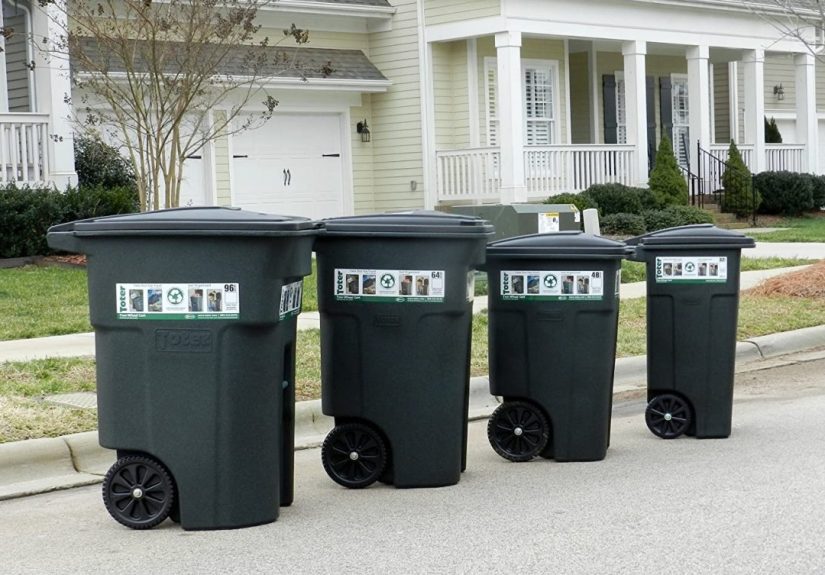
- 2) Choose the right size: 32 vs. 64 vs. 96 gallons
- 3) Material and construction: why “plastic” can be premium
- 4) Wheels and ergonomics: the difference between “easy” and “back pain”
- 5) Lids, locks, and critters: stop feeding the neighborhood wildlife
- 6) Odor control and cleaning: because the can remembers everything
- Best Outdoor Trash Can Options for Garbage Pickup
- Best overall curbside cart: heavy-duty 96-gallon rollout
- Runner-up for rough routes: commercial-grade rollout with a serious lid
- Best budget-friendly toughness: vented commercial can (smaller capacity, big durability)
- Best for patios and “please don’t ruin my outdoor vibe”: latching hideaway bin
- Best for critter trouble: bear-resistant or animal-resistant carts (where needed)
- Best “hide the whole operation”: outdoor trash can enclosure (bin shed)
- Best for road trips, camping, and messy yard days: collapsible pop-up can
- How to Make Any Outdoor Trash Can Work Better for Pickup
- Trash Day Tales: 500+ Words of Real-World Experience (So You Don’t Have to Learn the Hard Way)
- Conclusion
Trash day should be boring. That’s the dream. You roll the can to the curb, the truck does its thing, and your neighbors
don’t get a front-row seat to last night’s fish tacos. But real life has other plans: cracked wheels, lids that turn into
sails, mystery liquids that appear from an alternate dimension, and local raccoons that have apparently minored in
mechanical engineering.
The good news: the best outdoor trash can for garbage pickup isn’t just “a big bin with a lid.”
The right choice is a tough, easy-to-move container that matches your pickup style, survives weather, discourages pests,
and doesn’t make your curb look like a landfill-themed art installation. Below, you’ll find practical guidance and
real-world optionsplus a longer “lessons learned” section at the end for anyone who’s been personally victimized by a
runaway trash cart.
What Actually Matters When You’re Buying an Outdoor Trash Can for Pickup
1) Start with your pickup style (because the truck has opinions)
Before you fall in love with a can, check how your trash is collected. Some neighborhoods use manual pickup
(a crew lifts bags or tips cans). Others use semi-automated lifters that grab a bar, and many newer routes use
fully automated arms that lift standardized carts. If your hauler requires a compatible rollout cart, you’ll want
a can designed for curbside systems and the rough handling that comes with them.
- Manual pickup: Almost any sturdy can works, but wheels and a secure lid become your best friends.
- Cart-based pickup: Look for carts made for curbside service (often with standardized lift compatibility).
- HOA/municipal rules: Some areas require a specific cart model or only allow carts issued by the city.
2) Choose the right size: 32 vs. 64 vs. 96 gallons
Capacity is the part everyone remembersuntil they realize “bigger” also means “heavier” and “harder to store.”
Common rollout sizes include 32-gallon (small households), 64-gallon (the sweet spot for many families),
and 96-gallon (big households, lots of packaging, frequent cleanouts). If you routinely overfill, you’ll fight the lid,
invite critters, and risk spills when the cart tips.
A useful rule of thumb: if you’re doing the “trash bag Jenga” routine every week, size up. If you’re wrestling a
96-gallon cart down a steep driveway like it’s a bobsled event, size down.
3) Material and construction: why “plastic” can be premium
Outdoor trash cans take sun, rain, temperature swings, and impacts. The best curbside carts are often made from
heavy-duty HDPE plastic, sometimes produced via rotational molding for strength and impact resistance.
Commercial-grade plastic cans may include UV inhibitors to reduce fading and brittleness over time.
- Heavy-duty HDPE carts: Great for curbside abuse, usually the best all-around choice.
- Galvanized steel cans: Excellent for certain pest situations and durability, but can be noisy and dent.
- Resin hideaways/enclosures: Not for truck lifting, but perfect for keeping the can out of sight (and out of reach).
4) Wheels and ergonomics: the difference between “easy” and “back pain”
Wheels aren’t just conveniencethey’re survival. Look for large, rugged wheels that roll over uneven pavement, gravel,
or frozen driveway ruts. A comfortable handle height matters more than you’d think (especially if you’re pulling a
full cart with one hand while holding your coffee like a responsible adult).
5) Lids, locks, and critters: stop feeding the neighborhood wildlife
A lid should close securely, stay closed in wind, and discourage opportunists. If you live in an area with persistent
raccoons, dogs, or bears, consider animal-resistant designs. Just remember: “bear-resistant” does not mean
“bear-proof forever.” Proper latching, cleanliness, and not overfilling still matter.
6) Odor control and cleaning: because the can remembers everything
If you’ve ever opened your outdoor can in July and immediately regretted having a sense of smell, you know what’s up.
Choose a can with smooth interior surfaces (easier to rinse), a lid that closes well, and a design that doesn’t trap gunk.
A quick rinse and occasional disinfecting spray goes a long wayespecially if your can lives in the sun.
Best Outdoor Trash Can Options for Garbage Pickup
Instead of pretending there’s one “perfect” can for everyone, here are strong options by use case. Think of this as
building a trash strategy: curbside durability, easy handling, pest resistance, and (when needed) a way to hide the whole
operation from polite society.
Best overall curbside cart: heavy-duty 96-gallon rollout
If your household generates a lot of weekly wastebig family, lots of deliveries, renovation debris, or you just hosted
a birthday party that somehow produced twelve pounds of wrapping papergo for a 96-gallon heavy-duty rollout cart.
Look for thick plastic construction, a stable footprint, and wheels built for repeated curb runs. Many premium carts
include reinforced areas that reduce wear from dragging and tipping.
Great for: high-volume households, long driveways, frequent curbside collection
Watch-outs: storage space, maneuvering on steep slopes, overfilling temptation
Example style: A Toter-style residential heavy-duty rollout cart is a classic for big capacity and curbside durability.
Runner-up for rough routes: commercial-grade rollout with a serious lid
If your collection day feels like a contact sport (tight turns, uneven streets, curbs that eat wheels), a
commercial-grade wheeled trash can can be the difference between “easy roll” and “wheel snapped off, again.”
Look for reinforced rims, robust wheels with tread, and lids that open fully and stay put while you move the can.
Great for: heavy bags, tougher terrain, frequent moving and repositioning
Watch-outs: larger footprint, higher cost than basic cans
Example style: Rubbermaid BRUTE rollout-type containers are commonly cited for heavy-duty construction and mobility.
Best budget-friendly toughness: vented commercial can (smaller capacity, big durability)
Not everyone needs a giant cart. If your pickup is manual or you use a smaller bin for specific waste streams (yard
debris, garage trash, workshop scraps), a vented commercial trash can can be a smart buy. Features like venting
channels make liner removal easier, and UV protection helps reduce sun damage. Many also have reinforced bases that tolerate
dragging without instantly looking like they lost a fight.
Great for: smaller households, garage use, DIY projects, second bins (recycling/yard waste separation)
Watch-outs: not all versions have wheels; may not match automated cart systems
Example style: Vented BRUTE-style cans are popular for durability and easier bag removal.
Best for patios and “please don’t ruin my outdoor vibe”: latching hideaway bin
Some cans work hard at the curb; others work hard at not being seen. If you host outside, a
latching outdoor trash hideaway keeps bags tucked inside a nicer-looking container. These often fit standard 30–33 gallon
liners and use weather-resistant resin to hold up on decks and patios. They’re not meant for truck lifting, but they’re
excellent for collecting trash outdoorsthen transferring to your curbside cart later.
Great for: patios, decks, pool areas, outdoor kitchens, parties
Watch-outs: not a curbside cart; you’ll still need a pickup-ready container
Example style: Suncast-style wicker hideaways are well-known for latching lids and a more decorative look.
Best for critter trouble: bear-resistant or animal-resistant carts (where needed)
If you live in “wildlife country,” your trash can is basically a nightly audition for a nature documentary. In that case,
look into certified bear-resistant carts and containers, and follow local guidance on proper use. Many bear-resistant designs
rely on specific latching mechanisms and reinforced lids that reduce pry points. Some communities even require certified containers.
- For bear-heavy areas: prioritize certified bear-resistant products and consistent latching.
- For raccoons/dogs: secure lids, straps, or lockable enclosures can reduce access.
- For odor-driven visits: clean the can and avoid leaving loose food waste overnight when possible.
Great for: rural routes, mountain towns, wooded neighborhoods, persistent wildlife issues
Watch-outs: higher cost; you still have to latch it correctly every time (wildlife counts on your laziness)
Example style: Bear-resistant Toter-style carts and dedicated animal-resistant enclosure brands are designed for these scenarios.
Best “hide the whole operation”: outdoor trash can enclosure (bin shed)
Sometimes the best trash can upgrade isn’t the canit’s a place to store it. A
trash can enclosure (small horizontal shed or bin store) helps with odor, wind, pests, and curb appeal. Many models are
sized to hold two standard cans, open from the top and front, and include a bin-opening kit so you can toss bags without wrestling lids.
Great for: keeping cans out of sight, deterring animals, reducing wind blow-open events
Watch-outs: you still roll the cart out on pickup day; placement and airflow matter to reduce odor buildup
Example style: Keter Store-It-Out–style units are common for holding two cans and improving curbside neatness.
Best for road trips, camping, and messy yard days: collapsible pop-up can
A collapsible trash can is not a curbside pickup solution, but it’s fantastic for keeping outdoor spaces clean during
events, yard projects, or camping. Pop it open, bag it, fill it, and collapse it again when you’re done. If you do a lot
of DIY or outdoor hosting, this is the kind of “small” tool that quietly changes your life.
How to Make Any Outdoor Trash Can Work Better for Pickup
Line it like you mean it
Use appropriately sized liners, and don’t let the bag slide into the can. If your can supports bag cinches or liner locks,
use them. A properly secured bag reduces leaks, prevents the “bag drop” tragedy, and makes weekly emptying faster.
Keep lids closed (yes, even when it’s annoying)
Open lids are an invitation to rain, insects, odors, and wildlife. If wind is your problem, consider a can with a tighter lid,
a latch, or a simple strap solutionespecially if your pickup schedule means trash sits out overnight.
Clean smarter, not harder
A quick rinse beats a yearly “why is this biologically active?” crisis. Aim for:
- Rinse with a hose and a mild cleaner as needed (more often in summer).
- Spray a disinfecting solution and let it air dry.
- Use baking soda or odor-absorbing products if smells linger.
- Keep food waste bagged tightly; freeze especially smelly scraps until pickup day if possible.
Match your can to your driveway
A steep or long driveway demands good wheels. If you routinely drag a can over gravel or uneven pavement, prioritize large wheels,
rugged axles, and reinforced bases. If you have stairs? You may want a smaller cart or a two-step system: a smaller “collection can”
near the house and a bigger rollout cart staged closer to the curb.
Trash Day Tales: 500+ Words of Real-World Experience (So You Don’t Have to Learn the Hard Way)
Let’s talk about the kind of “experience” you only earn by doing trash duty in real neighborhoodswhere the wind shows up
uninvited, wildlife treats your curb like a buffet, and your can’s wheels are the first to quit when you need them most.
Lesson one: the lid is either your best friend or your worst enemy. On calm days, a loose lid seems fineuntil the
forecast changes and your can becomes a plastic maraca rolling down the street. People often discover that “secure closure” isn’t a luxury;
it’s the difference between a tidy curb and a yard decorated with receipts from 2019. If wind is a recurring villain, a can with a tighter lid,
a latch, or a simple strap can save you from the weekly “chase the trash” workout.
Lesson two: wheels matter more than capacity. Homeowners frequently upgrade to a bigger cart and then realize moving it
on rough surfaces is…an event. Large, rugged wheels roll over cracks and gravel; tiny wheels get swallowed by driveway seams like they owe
money. If your route to the curb includes bumps, slopes, or a long pull, prioritize wheel quality and handle comfort before you get dazzled by
gallon numbers. A slightly smaller cart you can actually move beats a giant one you resent.
Lesson three: “animal-resistant” is a system, not a label. In wildlife-prone areas, people quickly learn that buying a tougher
can is only step one. The real system is: close it fully, latch it every time, keep it clean, and avoid leaving food waste loose or exposed.
Even the strongest can can fail if the lid is cracked open by an overstuffed bag or left unlatched because “I’ll deal with it later.”
Wildlife counts on “later.”
Lesson four: summer heat changes everything. The same trash that seems harmless in winter becomes a science experiment in July.
Many households end up with a routine: bag food scraps tightly, double-bag anything wet, rinse the can occasionally, and keep the lid closed.
Some people even freeze especially pungent scraps until pickup day. It sounds extrauntil you’ve experienced the moment you open a hot can and
instantly reconsider all your life choices.
Lesson five: the “two-container strategy” is underrated. A lot of practical setups use two bins: a smaller, easier-to-carry can
near the house (or on the patio for entertaining), and a larger curbside cart for pickup. That way, you’re not dragging a massive 96-gallon cart
to the back door every day. You simply transfer bags on the evening before pickup. It’s cleaner, faster, and reduces wear on the big cart.
Lesson six: curb appeal is real, and your trash can participates. People who care about how the front of their home looks often
move beyond “just buy a can” to “where does the can live?” A bin enclosure (a small horizontal shed) can be a game-changerespecially in neighborhoods
where cans sit visible for most of the week. It reduces visual clutter, adds a layer of pest protection, and helps keep lids from blowing open.
The biggest win is psychological: once there’s a “home” for the can, it’s easier to keep the area tidy.
Lesson seven: don’t wait for failureupgrade the weak points early. Wheels, lids, and hinges take the most abuse. If your cart has
replaceable parts, consider keeping basic hardware on hand or addressing a small wobble before it becomes a full wheel failure the night before pickup.
And if your can is already cracking from sun exposure, that’s a sign to switch to heavier-duty materials or position it in shade when possible.
In the end, the “best outdoor trash can for garbage pickup” is the one that fits your route, your rules, and your real life. A strong cart doesn’t just
hold trashit protects your time, your curb, and your sanity. And honestly? That’s priceless. (But also, please still rinse it occasionally.)
Conclusion
The right outdoor trash can setup turns garbage pickup from a weekly hassle into a simple routine. Start by matching your can to your collection style
and local requirements. Then prioritize durability (thick plastic or proven commercial construction), wheel quality, and a lid that stays closed in wind
and deters pests. If curb appeal is a concernor wildlife is a recurring problemconsider pairing your curbside cart with a latching patio bin or a
dedicated enclosure. Your future self, carrying one trip instead of three, will be grateful.