Table of Contents >> Show >> Hide
- Quick Picks (If You Want the Short Version)
- How to Choose Wireless Earbuds Without Losing Your Mind
- Best Overall Wireless Earbuds: Sony WF-1000XM5
- Best for iPhone Users: Apple AirPods Pro 3
- Best Noise-Canceling Earbuds: Bose QuietComfort Ultra Earbuds (2nd Gen)
- Best for Working Out: Beats Powerbeats Pro 2 (and a Rugged Alternative)
- Best Budget Wireless Earbuds Under $100: Nothing Ear (a) and Anker Soundcore Liberty 4 NC
- Best Wireless Earbuds for Calls (Work Meetings Included)
- Best for Sleep: Ozlo Sleepbuds
- Best “Power User” Pick: Technics EAH-AZ100
- A Simple Shopping Checklist (Use This Before You Buy)
- Care Tips That Extend Earbud Life (And Reduce Grossness)
- Real-World Experiences: What It’s Actually Like Living With “The Best Wireless Earbuds” (Extra Notes)
Wireless earbuds used to be a simple question: “Do you want AirPods?” Now it’s more like picking a college major.
Noise-canceling earbuds for flying? Workout earbuds that won’t eject themselves mid-burpee? Bluetooth earbuds with
multipoint so your laptop and phone stop fighting over custody? Good news: there are genuinely excellent options in
every laneif you know what to prioritize.
This guide synthesizes hands-on testing and buying advice from a mix of U.S.-based tech reviewers, product testing
teams, and manufacturer specs. The result: practical picks, clear trade-offs, and a shopping checklist you can
actually use in the aisle (or at 2 a.m. with a “treat yourself” tab open).
Quick Picks (If You Want the Short Version)
- Best overall for most people: Sony WF-1000XM5
- Best for iPhone users: Apple AirPods Pro 3
- Best noise cancellation: Bose QuietComfort Ultra Earbuds (2nd Gen)
- Best for working out: Beats Powerbeats Pro 2 (fitness features) or Jabra Elite 8 Active (durability-focused)
- Best budget under $100: Nothing Ear (a) or Anker Soundcore Liberty 4 NC
- Best for sleep: Ozlo Sleepbuds
- Best “I juggle devices all day” pick: Technics EAH-AZ100 (three-device multipoint + modern Bluetooth features)
How to Choose Wireless Earbuds Without Losing Your Mind
1) Fit is the real “sound quality”
If earbuds don’t seal well, bass vanishes, active noise cancellation (ANC) struggles, and you’ll keep poking them in
like you’re trying to restart a frozen laptop. Look for multiple ear tip sizes, a shape that matches your ears
(not someone else’s), and a secure fit if you plan to run, lift, or just chew gum aggressively.
2) Noise cancellation isn’t one thing
Some earbuds crush low-frequency rumbles (airplane engines, bus vibrations). Others are better at midrange chaos
(coffee shop chatter, office “collaboration”). The best ANC earbuds usually combine a strong seal, good microphones,
and smart algorithmsplus a transparency mode that doesn’t make the world sound like a sci-fi audiobook.
3) Call quality is a separate sport
Earbuds can sound amazing for music and still make your voice resemble a distant radio host announcing weather from
inside a wind tunnel. If you take calls on the go, prioritize models known for clear voice pickup and wind handling.
4) Ecosystem features matter more than you think
If you’re on iPhone, AirPods features (fast pairing, device switching, spatial audio, Find My, and other extras) can
feel like cheatingin a good way. Android users should look for Google Fast Pair, multipoint, and support for
higher-quality codecs (like LDAC or aptX Adaptive) if you care about hi-res-ish playback.
5) Battery life: read the fine print
Brands quote battery in best-case conditions. Real battery depends on volume, ANC, codec, and call time. If you
travel or work long days, prioritize strong “earbud battery” (not just the case total), plus fast charging.
Best Overall Wireless Earbuds: Sony WF-1000XM5
If you want one premium pair that checks almost every boxsound quality, strong ANC, useful app features, and solid
everyday comfortthe Sony WF-1000XM5 is the safest “buy once, enjoy daily” pick. Reviewers consistently rank them
at or near the top because they balance the whole package instead of being a one-trick pony.
Why they’re great
- Excellent noise cancellation that competes with the best in the category.
- Strong audio tuning with detail and punch (and EQ tools if you like to tweak).
- Works well across platformsnot just a “best if you own Brand X phone” situation.
- Multipoint support so your laptop and phone can peacefully co-exist.
Specs that matter in real life
Sony’s published battery figures are a good reference point: up to about 8 hours of playback with noise canceling on
(and longer with it off), plus additional charges from the case. They’re also rated for sweat/water resistance at an
everyday “you’ll survive the gym” level.
Who should buy them
Commuters, frequent flyers, and anyone who wants “premium everything” without locking into a single phone brand.
If you often swap between a phone and a computer, multipoint is a sanity-saver.
Who should skip them
If you hate silicone/foam tips or can’t get a stable in-ear fit no matter what, you might prefer an open-ear style
(different category) or a model with a different shape. Fit is personalannoyingly so.
Best for iPhone Users: Apple AirPods Pro 3
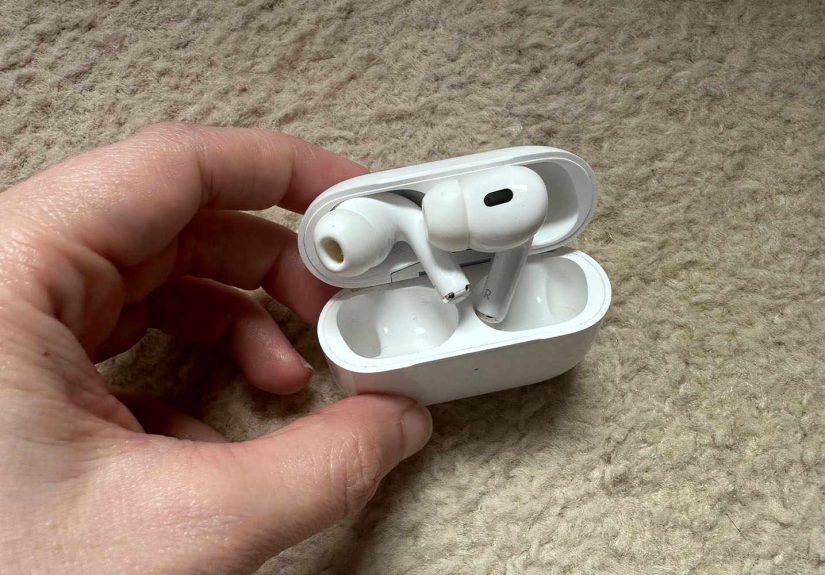
If you live in Apple-land, AirPods Pro 3 are the “everything just works” optionpairing is fast, switching between
Apple devices is smooth, and the feature set is built around iOS in a way third-party earbuds can’t fully copy.
They also bring major upgrades that go beyond “slightly better sound, please clap.”
Standout features
- Strong ANC and transparency tuned to feel natural in day-to-day use.
- Fitness-friendly tech like in-ear heart rate tracking for workouts (yes, in your earbuds).
- Convenience perks that integrate directly with Apple apps and settings.
Who should buy them
iPhone users who want top-tier usability, great all-around performance, and Apple’s tight ecosystem integration.
If you already use Apple Fitness features, the workout tracking extras can be genuinely funnot “smart fridge”
fun, but “I’ll actually use this” fun.
Who should skip them
If you’re mostly on Android, you’ll still get good earbudsbut you won’t get the full buffet of Apple-only features.
In that case, Sony, Bose, Technics, or other Android-friendly options often make more sense.
Best Noise-Canceling Earbuds: Bose QuietComfort Ultra Earbuds (2nd Gen)
Bose has basically made “shhh” into a brand identity. If your priority is maximum peaceplanes, trains, office
chatter, neighbors who believe bass is a personalitythe QuietComfort Ultra Earbuds (2nd Gen) are the clearest pick.
They’re known for elite noise cancellation and continue to improve in areas people care about, like call clarity and
adaptive modes.
What you’ll love
- Top-tier ANC that’s especially satisfying for travel and noisy environments.
- Improved adaptive noise features (so sudden sounds don’t “break” the experience).
- Better calls than earlier versions, especially in messier environments.
Trade-offs
They tend to be bulkier than some competitors, and “maximum ANC” models don’t always win on battery or pocketability.
If you want the smallest, lightest buds, Bose may feel like bringing a luxury SUV to a tight parking garage.
Best for Working Out: Beats Powerbeats Pro 2 (and a Rugged Alternative)
Workout earbuds need two things: a secure fit and the ability to survive sweat, movement, and the occasional moment
where you yank your shirt off like you’re in a sports movie montage. The Beats Powerbeats Pro 2 are a compelling
fitness pick, especially for Apple users who want workout-friendly features and a stay-put design.
Why athletes like them
- Designed to stay secure during movement-heavy workouts.
- Fitness-focused features (including health-tracking-style extras in some ecosystems).
- Good sound and ANC so treadmills and gym music don’t win the audio battle.
Prefer something more “durability first”? Many testers point to Jabra’s Elite Active line as a strong gym option
because of its secure fit and rugged approach. It’s the “I sweat a lot and I’m not apologizing” category.
Best Budget Wireless Earbuds Under $100: Nothing Ear (a) and Anker Soundcore Liberty 4 NC
Budget earbuds used to mean “fine sound, zero features, and a call mic that sounds like a confession recorded in a
sock drawer.” Not anymore. Two standout budget options deliver serious value without feeling like compromises you’ll
regret by Tuesday.
Nothing Ear (a): the feature-packed budget darling
Nothing’s Ear (a) pair tends to show up in “best budget” lists because it brings a surprising amount of premium
behavioractive noise cancellation, a compact case, and modern features like multipointat a price that doesn’t make
your wallet flinch.
Anker Soundcore Liberty 4 NC: the value pick for noise cancellation
If you want the most “ANC per dollar,” Anker’s Soundcore line is frequently recommended. Liberty 4 NC is often
highlighted as a budget pick because it pairs solid noise reduction with an app and tuning options that let you dial
in the sound.
Best Wireless Earbuds for Calls (Work Meetings Included)
Call quality depends on microphones, processing, and wind handlingplus how well the earbuds fit. For Android users,
Samsung’s Galaxy Buds 3 Pro get praised for call performance, and some models offer hands-free voice command control
for basics like volume and playback. On the iPhone side, Apple’s AirPods lineup is typically a safe bet for natural
voice pickup and smooth call behaviorespecially if you bounce between calls and media throughout the day.
Best for Sleep: Ozlo Sleepbuds
Sleeping with regular earbuds can be uncomfortable (and your pillow will absolutely judge your life choices).
Sleep-focused earbuds like Ozlo Sleepbuds are designed for comfort and nighttime use, typically emphasizing a low
profile, stable fit, and features intended for drifting offrather than thumping bass drops at 1 a.m.
Best “Power User” Pick: Technics EAH-AZ100
If your daily life involves switching between a work laptop, personal phone, and maybe a tablet, earbuds with
three-device multipoint can feel like a productivity upgrade. Technics’ EAH-AZ100 stand out for modern connectivity
(including support for newer Bluetooth features), strong battery claims, and a premium approach to sound.
A Simple Shopping Checklist (Use This Before You Buy)
- Pick your priority: best ANC, best sound, best calls, best workouts, or best budget.
- Confirm comfort basics: tip sizes, earbud shape, and stability for your use case.
- Check device compatibility: multipoint, app quality, and ecosystem features.
- Look at the real battery number: earbud runtime with ANC on, plus fast charging if you need it.
- Verify water resistance: at least “sweat-safe” if you’ll use them outside or at the gym.
- Decide what you can live without: wireless charging, spatial audio, higher-quality codecs, etc.
Care Tips That Extend Earbud Life (And Reduce Grossness)
- Clean tips and vents regularly: it helps sound, comfort, and microphone performance.
- Don’t cook the battery: avoid leaving the case in hot cars or direct sunlight for long periods.
- Use the app updates: firmware updates can improve stability, ANC, and call behavior.
- Try different tips: a better seal can dramatically improve bass and noise cancellation.
Real-World Experiences: What It’s Actually Like Living With “The Best Wireless Earbuds” (Extra Notes)
Reading specs is helpful, but using wireless earbuds day after day is where the “best” part becomes personal. People
often notice fit and convenience long before they notice subtle audio differences. For example, commuters tend to
love strong ANCbut they love a stable seal even more. A top ANC model can feel underwhelming if the tips don’t fit
your ears well, while a slightly less “powerful” ANC earbud with a perfect seal can feel like you stepped into a
quiet bubble on a loud train. That’s why many reviewers keep repeating the same advice: treat fit as a feature, not
an afterthought.
Another common experience: multipoint is either “nice to have” or “how did I live without this?” depending on your
routine. If you’re a student or remote worker who jumps between a phone call and a laptop meeting, multipoint can
save you from the Bluetooth re-pairing dance (you know the one: click, wait, fail, sigh, click again). Once you’ve
had earbuds that reliably handle two devicessometimes even threeyou start expecting that level of competence
everywhere else in life. Sadly, your group chat still won’t coordinate lunch plans, but your earbuds will at least
switch devices like adults.
For workouts, “best” usually means “secure” and “predictable.” Fitness-focused earbuds are popular because they
reduce the mental overhead of constantly adjusting your gear mid-set. Users often describe the ideal workout earbud
as one you forget you’re wearinguntil your playlist hits the good part. Sweat resistance matters, but so does the
physical design: ear hooks or stabilizing fins can be the difference between confident sprints and paranoid hand-on-
ear jogging. And while ANC is great in the gym, many people end up using a transparency or awareness mode outdoors
for safety, so an awareness mode that sounds natural (instead of robotic) becomes a real quality-of-life win.
Call quality is where expectations get humbled. Plenty of people buy earbuds for music, then discover they use them
even more for calls. That’s when microphone behavior becomes the star. In quiet rooms, most modern earbuds sound
fine. The real test is wind, traffic, or a busy cafésituations where the earbuds must separate your voice from the
chaos. People who take frequent calls often report that a “good enough” mic becomes frustrating fast, especially if
coworkers keep asking, “Are you outside?” (even when you’re literally sitting still). If calls matter to you, it’s
worth prioritizing models known for call clarity, even if that means giving up a little bass drama.
Finally, there’s the battery experienceless about totals and more about predictability. Most users don’t mind
charging a case every couple of days. What they hate is earbuds dying unexpectedly mid-commute or mid-study session.
That’s why strong earbud-only battery life (with ANC on) plus fast charging feels more valuable than a huge case
total you’ll never fully use. People also tend to appreciate small usability touches: clear battery readouts, stable
connections, and controls that don’t misfire when you adjust your hair or hoodie. In other words, the best wireless
earbuds aren’t just the “best sounding.” They’re the ones that quietly do their job while you live your lifeno
drama, no dropouts, no accidental pause at the exact emotional peak of your favorite song.