Table of Contents >> Show >> Hide
- Why Sunflowers Carry So Much Meaning
- Spiritual Meanings of Sunflowers
- Cultural Meanings of Sunflowers
- Sunflowers in Art, Memory, and Public Imagination
- What Sunflowers Symbolize in Relationships
- Do Sunflower Colors Change the Meaning?
- When Sunflowers Carry More Complicated Meanings
- How to Use Sunflower Symbolism in Everyday Life
- Experiences That Make Sunflower Symbolism Feel Real
Sunflowers do not do subtle. They are bright, dramatic, impossible to ignore, and about as shy as a marching band in a library. That larger-than-life presence is exactly why sunflower symbolism has fascinated people for centuries. Across spiritual traditions, flower language, folk customs, art, and modern culture, sunflowers are often linked with joy, loyalty, guidance, abundance, and hope. They look like tiny suns, grow with swagger, and seem to carry their own spotlight wherever they bloom.
But the symbolism of sunflowers goes deeper than “big yellow flower equals happiness.” Their meanings come from real history, too. Sunflowers are native to the Americas and were cultivated by Indigenous peoples long before they became a favorite in gardens, still lifes, seed packets, and wedding bouquets. Their practical value as food, oil, dye, and medicine helped shape their cultural importance. Later, their sun-facing behavior made them feel almost spiritual, as if they were tiny botanical philosophers reminding us to turn toward light.
Today, people use sunflower meanings in everything from gift-giving and home decor to memorials, religious reflection, and social movements. In one setting, a sunflower says, “Stay hopeful.” In another, it whispers, “Be loyal.” In yet another, it practically shouts, “Please notice me, I am thriving.” That range is part of the flower’s magic.
This guide explores the spiritual and cultural meanings of sunflowers, where those interpretations come from, and why this golden bloom still feels so emotionally powerful. Spoiler: it is not just because it looks good on tote bags.
Why Sunflowers Carry So Much Meaning
Many flower meanings are based on color, scent, rarity, or old folklore. Sunflowers get a symbolic bonus package. They are visually sun-like, physically tall, historically useful, and biologically fascinating. Young sunflower buds track the sun through the day, a behavior known as heliotropism. Mature blooms often stop tracking and tend to face east, which has only added to the flower’s reputation as a symbol of devotion, steadiness, and orientation toward light.
That natural behavior gave people an easy metaphor. If a flower appears to follow the sun, then surely it must represent faith, loyalty, truth, purpose, or spiritual focus. Add the golden color and strong summer presence, and the symbolism practically writes itself. Not to be dramatic, but sunflowers are the overachievers of symbolic flowers.
Their agricultural story matters, too. Because sunflowers were cultivated and valued as a useful crop, they also came to represent nourishment, provision, productivity, and the rewards of labor. In other words, they are not just pretty; they are meaningful in a boots-on-the-ground way.
Spiritual Meanings of Sunflowers
1. Joy and Positivity
The most widely recognized sunflower meaning is happiness. This one is easy to understand. The flower’s bright yellow petals, round face, and summer energy make it feel warm and upbeat. It is the floral equivalent of opening the curtains after a rough week.
Spiritually, this meaning connects to emotional brightness. Sunflowers often symbolize the choice to seek light even during difficult seasons. They are used in encouragement bouquets, celebration arrangements, and healing spaces because they visually communicate optimism before anyone says a word.
2. Faith and Devotion
Because young sunflowers track the movement of the sun, they are frequently interpreted as symbols of devotion. In spiritual language, this can mean turning toward what is life-giving, true, or sacred. Some people see the sunflower as a reminder to keep their focus on higher values instead of getting lost in fear, distraction, or ego.
This is one reason sunflower imagery can feel devotional without belonging to only one religion. The message is simple and powerful: orient yourself toward light. That light may mean God, truth, wisdom, healing, or inner clarity, depending on the person reading the symbol.
3. Loyalty and Steadfast Love
Sunflowers are also associated with loyalty and adoration. In flower-giving traditions, they often express warmth, constancy, and admiration without the romantic intensity of red roses. They say, “I appreciate you deeply,” with less drama and more sunshine.
This meaning works beautifully in friendships, long marriages, and family relationships. A sunflower is not a flimsy symbol. It feels grounded, steady, and generous. It suggests affection with backbone.
4. Growth and Personal Expansion
Sunflowers do not exactly believe in playing small. Their height makes them a natural symbol of growth, self-development, and reaching upward. Spiritually, they can represent becoming more fully yourself, especially after periods of change.
People often connect sunflowers with personal breakthroughs: starting over, healing after grief, building confidence, or stepping into a more purposeful life. The symbolism is not about perfection. It is about movement. A sunflower does not apologize for taking up space, and honestly, that is a lesson many people need.
5. Abundance and Prosperity
Because sunflowers produce edible seeds and oil, they also symbolize abundance, fertility, and material blessing. This meaning is especially strong in harvest imagery. The flower becomes a sign that growth leads somewhere practical. Beauty and usefulness are not opposites here; they are roommates.
In spiritual and folk interpretations, sunflower abundance can refer to money, food, creative energy, opportunity, or emotional richness. It is the idea that a life turned toward light can also bear fruit.
6. Truth and Inner Guidance
Sunflowers are often used as symbols of clarity because they evoke the sun itself, which reveals, illuminates, and exposes what is hidden. For that reason, many people see them as reminders to live honestly, trust inner wisdom, and move toward what feels true rather than what merely feels comfortable.
That makes sunflower symbolism especially resonant during transitions. When people are uncertain, a sunflower can feel like a visual nudge: keep going, keep looking for what is real, and do not confuse temporary darkness with permanent direction.
Cultural Meanings of Sunflowers
Indigenous Traditions in the Americas
Any meaningful discussion of sunflowers should start in the Americas, where the plant originated and where Indigenous peoples cultivated it long before modern decorative gardening made it fashionable. Sunflowers were not just admired; they were woven into daily life. Seeds were eaten whole, ground into food, pressed for oil, and used in practical ways, while parts of the plant could also be used for dye and ceremonial purposes.
Because of that long relationship, sunflower symbolism in Indigenous contexts often connects with nourishment, life, respect for the sun, and the relationship between beauty and survival. The flower can stand for strength, provision, gratitude, and continuity. It is not just a symbol you hang on a kitchen towel. It is a plant with memory.
Kansas and the American Frontier
In the United States, sunflowers are deeply tied to Kansas, where they became the state flower and a lasting emblem of the region. Their symbolism there goes beyond botany. The sunflower came to represent frontier endurance, open skies, confidence, and the golden promise of the plains.
That identity still sticks. Even outside Kansas, the sunflower can symbolize a very American blend of optimism and toughness. It feels rural without being old-fashioned, cheerful without being flimsy, and bold without asking permission.
Sunflowers and the Women’s Suffrage Movement
Sunflowers also took on political symbolism in the history of women’s suffrage. Because the sunflower was tied to Kansas, and yellow became associated with the suffrage cause, the flower appeared in pins, banners, and visual culture linked to women’s voting rights. In that context, it stood for visibility, reform, civic hope, and the determination to face the future rather than accept the past as destiny.
This is a great reminder that flower symbolism is not always soft and sentimental. Sometimes a sunflower means courage in public.
Ukraine, Hope, and Resistance
Globally, the sunflower is strongly associated with Ukraine, where it became a national symbol and later a broader emblem of resistance, unity, memory, and hope. In recent years, that symbolism has become even more emotionally charged. The flower’s bright face, agricultural importance, and visibility in public solidarity movements helped transform it into an international sign of resilience.
That modern meaning fits naturally with older symbolic patterns. A flower linked with light, endurance, nourishment, and dignity was always likely to become a symbol of hope under pressure.
Flower Language and Popular Meaning
In floriography, or the language of flowers, sunflowers are commonly linked with adoration, loyalty, and longevity. Modern floral traditions often use them to express admiration, encouragement, gratitude, and sunny affection. They are especially popular when people want to send something heartfelt but not overly formal.
That makes sunflowers wonderfully versatile. They fit birthdays, thank-you gifts, congratulations, friendship bouquets, housewarming arrangements, and “you survived this week” moments. Not every flower can manage that range without looking confused.
Sunflowers in Art, Memory, and Public Imagination
Sunflowers have also flourished in art, where they often represent energy, mortality, gratitude, passion, or the strange mix of beauty and impermanence. Their bold form works beautifully in painting because it can feel joyful and slightly melancholic at the same time. A sunflower in full bloom is radiant. A dried sunflower head is still compelling. The symbolism changes, but the emotional charge remains.
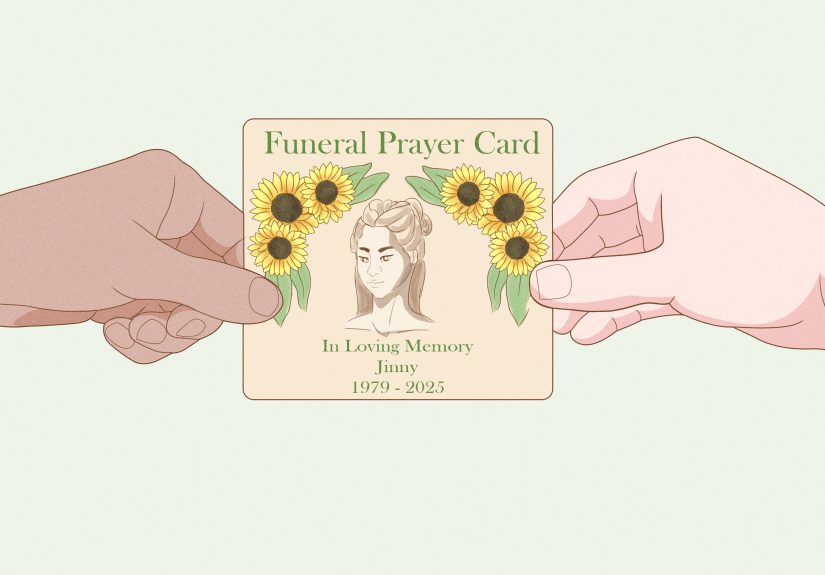
That flexibility is part of why the flower shows up everywhere from museum walls to tattoos to memorial gardens. It can honor life, signal recovery, mark a season of hope, or celebrate someone with a bright, generous spirit. Few flowers can move so easily between celebration and reflection.
What Sunflowers Symbolize in Relationships
In personal relationships, sunflower meanings usually center on loyalty, honesty, admiration, and warmth. They make excellent friendship flowers because they feel affectionate without being loaded with romantic pressure. In romantic settings, they often suggest stable love rather than fiery obsession. Think dependable sunshine, not emotional roller coaster with dramatic background music.
They also work beautifully in family contexts. A sunflower bouquet can express appreciation for a parent, encouragement for a child, or gratitude for someone who has been a steady source of support. Because the flower feels generous and open, it often communicates emotional sincerity better than something more formal.
Do Sunflower Colors Change the Meaning?
Yes, slightly. Classic yellow sunflowers are most strongly associated with joy, loyalty, hope, and positivity. Orange-toned sunflowers can feel more energetic, passionate, and bold. Deep red or bronze varieties often carry a moodier beauty and may symbolize strength, individuality, or emotional depth.
Still, the central symbolism usually remains intact. No matter the shade, sunflowers tend to keep their core themes of light, vitality, and presence. They are not interested in becoming mysterious little wallflowers. That is simply not their brand.
When Sunflowers Carry More Complicated Meanings
Although sunflower symbolism is mostly positive, it is not always simple. In some older flower-language traditions, a sunflower could hint at pride, fixation, or the danger of tying yourself too strongly to one source of attention. That interpretation makes sense if you think of the flower as intensely oriented toward one powerful force.
Modern readers do not usually focus on that meaning, but it is useful to remember. Symbols become richer when they have some tension. A sunflower can remind us to seek light, yes, but also not to lose ourselves in blind devotion. Healthy symbolism, like healthy gardening, benefits from a little balance.
How to Use Sunflower Symbolism in Everyday Life
Sunflower imagery works especially well when you want to reinforce themes of hope, recovery, abundance, gratitude, and joyful courage. People use sunflower symbols in journals, wedding decor, spiritual spaces, sympathy arrangements, seasonal centerpieces, and personal art because the flower sends a clear emotional signal.
If you want to use sunflower meaning intentionally, start with the message you want to emphasize. Need encouragement? Choose sunflowers for optimism and resilience. Want to honor loyalty? Use them in friendship or anniversary gifts. Looking for a symbol of spiritual direction? Place them somewhere visible as a reminder to keep turning toward what nourishes your life.
Sometimes symbolism works best not because it is complicated, but because it is easy to remember. Sunflowers do that beautifully. They suggest that growth can be radiant, that strength can look warm, and that seeking light is not naive. Sometimes it is the bravest thing you can do.
Experiences That Make Sunflower Symbolism Feel Real
One reason sunflowers remain so beloved is that people do not only read their meaning; they experience it. Almost everyone has a sunflower moment, even if they do not call it that. It might be walking into a farmers market and spotting a bucket of enormous yellow blooms that instantly improves the day. It might be seeing a single sunflower in a tired backyard and thinking, “Well, at least somebody here has confidence.” The flower has a way of making symbolism feel personal instead of abstract.
For many people, the first emotional connection comes through summer. Sunflowers appear at exactly the time of year when life feels fullest: gardens are busy, sunlight stretches late, and everything seems to be growing with suspicious enthusiasm. In that setting, the flower becomes tied to memories of road trips, county fairs, fresh produce stands, and hot afternoons when the world feels loud, alive, and promising. Even one bloom can call up the whole season.
There is also something deeply moving about standing in a sunflower field. People talk about the color first, but the real experience is scale. You are suddenly surrounded by hundreds of faces turned in a similar direction, and the effect is both cheerful and humbling. A sunflower field can feel playful, but it can also feel spiritual. It quietly suggests order, rhythm, and purpose. You do not have to be especially mystical to stand there and think, “Okay, I get why people write poems about flowers.”
Sunflowers also show up in harder seasons, which changes their meaning in beautiful ways. They are often given to people recovering from illness, starting over after loss, or going through a major life transition. In those moments, the flower’s brightness does not feel shallow. It feels defiant. It says that joy is still possible, that strength can still be visible, and that warmth has not left the building. That is why sunflower bouquets often feel more comforting than delicate, fragile flowers. They have emotional backbone.
People also remember the practical side of sunflowers. Children learn that the seeds can be eaten. Gardeners notice how birds gather around the heads. Families save seeds for the next season. Those small experiences reinforce the symbolism of abundance and continuity. A sunflower is not only admired in the moment; it leaves something behind. That makes it feel generous, and generosity is part of why the flower carries such a strong emotional reputation.
Even in everyday decor, sunflower symbolism keeps working. A sunflower print in a kitchen can make the room feel more open and welcoming. A vase on the dining table can shift the mood from ordinary to celebratory. A single stem by a window can look like a tiny act of optimism. It is hard to stay entirely gloomy in the presence of a flower that looks like it swallowed a sunrise.
In the end, the lived experience of sunflowers explains their lasting power. They show up in gardens, in memories, in art, in grief, in celebration, and in ordinary afternoons that need a little more light. They remind people that strength can be bright, that hope can be practical, and that turning toward what nourishes you is not just a poetic idea. Sometimes it is a way to live.
That may be the deepest symbolism of all. Sunflowers do not merely represent happiness from a distance. They invite people to practice it, protect it, and share it. For a flower with seeds, petals, history, politics, beauty, and spiritual resonance, that is a pretty impressive resume.