Table of Contents >> Show >> Hide
- The Voice Season 26 Release Date and Where to Watch
- The Voice Season 26 Coaches: A Wildly Fun Red-Chair Mix
- What Changed in Season 26? The Coach Replay Twist
- How The Voice Season 26 Auditions Worked
- Season 26 Format: From Blind Auditions to Finale
- Who Won The Voice Season 26?
- Why Season 26 Stood Out
- Best Examples of Season 26 Storylines
- Audition Tips Inspired by The Voice Season 26
- Fan Reaction and Season 26 News
- 500-Word Experience Section: What Watching The Voice Season 26 Felt Like
- Conclusion
- SEO Tags
The Voice Season 26 arrived in 2024 with the kind of coach lineup that makes viewers sit up, put down their snacks, and whisper, “Wait, Snoop Dogg and Michael Bublé on the same panel?” Yes, that really happened. NBC’s long-running singing competition returned with a refreshed energy, a fall premiere date, familiar red chairs, a new audition twist, and a finale that gave first-time coach Michael Bublé a storybook ending.
Season 26 premiered on Monday, September 23, 2024, on NBC, with episodes available to stream on Peacock. The season brought back Reba McEntire and Gwen Stefani while introducing two first-time coaches: Snoop Dogg and Michael Bublé. Carson Daly returned as host, keeping the show grounded while the coaches battled, joked, blocked, replayed, and occasionally looked like they were one emotional ballad away from needing a group hug.
Whether you missed the season, want a clean recap before watching highlights, or are researching how the audition process works, here is a complete, SEO-friendly guide to The Voice Season 26 2024, including coaches, auditions, release date, format changes, standout news, winner details, and practical viewing takeaways.
The Voice Season 26 Release Date and Where to Watch
The Voice Season 26 premiered Monday, September 23, 2024, at 8 p.m. ET/PT on NBC. The premiere launched the Blind Auditions, the round that has made the show famous since 2011: contestants sing while coaches face away, and the voice alone decides whether a chair turns.
New episodes aired on NBC, with next-day streaming available on Peacock. The season continued through the fall and wrapped with a two-night finale on December 9 and December 10, 2024. That finale crowned Sofronio Vasquez as the Season 26 winner, giving Michael Bublé a victory in his first season as a coach.
Quick Season 26 facts
- Premiere date: September 23, 2024
- Network: NBC
- Streaming: Peacock
- Host: Carson Daly
- Coaches: Reba McEntire, Gwen Stefani, Michael Bublé, Snoop Dogg
- Winner: Sofronio Vasquez
- Winning coach: Michael Bublé
- Runner-up: Shye
- Finale: December 9–10, 2024
The Voice Season 26 Coaches: A Wildly Fun Red-Chair Mix
The biggest headline going into The Voice 2024 was the coach lineup. Season 26 balanced country, pop, jazz, soul, hip-hop, and celebrity charisma in a way that felt both familiar and brand new.
Reba McEntire: The Country Queen Returns
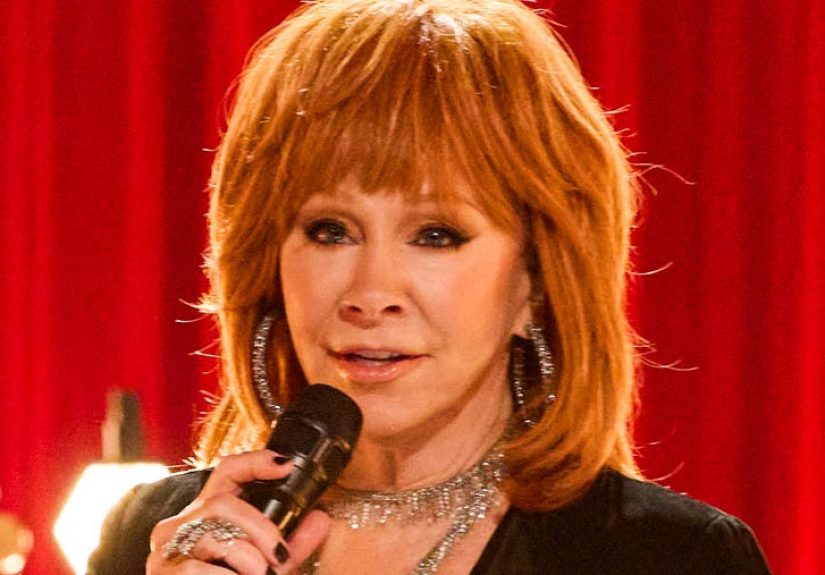
Reba McEntire returned to the coaching panel with the calm confidence of someone who has heard every pitch, every dramatic note, and probably every nervous “I grew up singing in church” backstory ever told. Her presence gave Season 26 a warm, steady center. Reba has a gift for making contestants feel seen, especially singers with country, gospel, roots, or storytelling-heavy styles.
Her coaching style is direct but never cold. She knows when to sharpen a performance and when to protect the heart of a song. In Season 26, that mattered because many artists arrived with big voices, but the best performances needed more than volume. They needed phrasing, identity, and emotional clarity.
Gwen Stefani: Pop Instincts and Stage Style
Gwen Stefani returned for Season 26 after sitting out the previous season, bringing her signature mix of pop polish, fashion energy, and performance instincts. Gwen has always been especially strong with artists who want to define an image as much as a sound. She understands that modern singers are not just voices; they are personalities, stylists, storytellers, and brands in motion.
For contestants with pop, alternative, indie, or crossover ambitions, Gwen offered something very valuable: a coach who knows how to make a performance memorable beyond the last note. On The Voice, the difference between “nice singer” and “future star” often comes down to identity. Gwen knows identity.
Michael Bublé: The Rookie Who Came to Win
Michael Bublé entered Season 26 as a first-time coach, but he was not new to The Voice universe. He previously appeared as an adviser years earlier, and his love of classic vocals, phrasing, tone, and musical storytelling made him a surprisingly natural fit for the red chair.
Bublé also brought a refreshing sincerity to the panel. He did not act like a celebrity dropping in for a paycheck and a swivel chair selfie. He coached like someone who truly cared about vocal interpretation. His contestants benefited from that, and by the finale, Team Bublé became the season’s dominant story. Sofronio Vasquez won, Shye finished second, and Bublé proved that a rookie coach can absolutely crash the party—politely, emotionally, and with excellent tailoring.
Snoop Dogg: The People’s Coach
Snoop Dogg joining The Voice sounded surprising at first, but it made sense quickly. He has decades of music experience, a producer’s ear, a performer’s confidence, and an unusually relaxed way of making contestants feel comfortable. He also knows what separates a technically good performance from one that actually connects.
Season 26 gave fans a new side of Snoop: supportive, emotional, funny, and deeply invested in the artists. He did not need to out-sing anyone to be a valuable coach. His strength was reading energy, recognizing authenticity, and helping singers believe they belonged on a national stage.
What Changed in Season 26? The Coach Replay Twist
Season 26 introduced a memorable new Blind Auditions feature called Coach Replay. Traditionally, if no coach turned during a Blind Audition, the artist went home. It could be heartbreaking, especially when a singer delivered a strong performance that simply did not land fast enough.
Coach Replay gave each coach one chance during the Blind Auditions to bring back an artist after the performance ended, even if no chair had turned during the song. In other words, a coach could realize, “Actually, I made a mistake,” and press the button after the fact. It was basically The Voice version of texting “Wait, I didn’t mean that” before the other person deletes your number.
The twist added a new layer of drama because it made coaches more accountable. A no-chair audition was no longer automatically the end of the road. It also rewarded artists who showed potential, personality, or a distinctive tone that might have needed a second listen.
How The Voice Season 26 Auditions Worked
The televised auditions in Season 26 followed the famous Blind Auditions format. Contestants performed while the coaches listened with their backs turned. If a coach liked what they heard, they pressed the button and turned their chair. If more than one coach turned, the artist chose which team to join. If only one coach turned, the artist automatically joined that coach’s team.
Each coach built a team through the Blind Auditions, then guided those artists through later rounds including Battles, Knockouts, Playoffs, and Live Shows. Season 26 also used tools like Blocks, Steals, Saves, and Coach Replay to keep the competition unpredictable.
How real-world auditions work for hopeful singers
For singers hoping to audition for The Voice, the process begins through the official casting site. The show uses online video submissions and Virtual Open Call auditions. Hopefuls create an Artist Account, register for available audition dates, and prepare a short performance. The official Virtual Open Call format gives singers 90 seconds to introduce themselves, name their song, and sing a verse and chorus.
Applicants can sing a cappella, accompany themselves with an instrument, or use a backing track. The best advice is simple: choose a song that fits your voice, shows your personality, and gets to the good part quickly. You do not have three minutes to warm up the room. You have roughly the time it takes to microwave leftovers, and unlike leftovers, you need to be exciting immediately.
Season 26 Format: From Blind Auditions to Finale
Like previous seasons, The Voice Season 26 moved through several competitive stages. Each round tested a different skill. The Blind Auditions rewarded vocal identity. Battles tested chemistry and stamina. Knockouts demanded individuality. Playoffs required coach strategy. Live Shows finally handed much of the power to viewers.
Blind Auditions
The Blind Auditions introduced the artists and established the coach teams. This is where the coaches made their first impressions, delivered their most dramatic pitches, and occasionally behaved as if winning one singer was a matter of national security.
Battles
In the Battle rounds, teammates performed duets against each other. Their coach picked the winner, while other coaches had opportunities to steal eliminated artists. Battles can be brutal because both singers often sound great, but the show must keep moving. It is reality TV, not a community talent night with unlimited trophies.
Knockouts
The Knockouts allowed artists to perform individually while still competing directly against teammates. Season 26 also featured major mentoring power, including Jennifer Hudson and Sting as mega mentors. That gave artists access to legendary performance insight before the competition tightened.
Playoffs and Live Shows
The Playoffs narrowed the field further before the live voting rounds. In the live phase, viewers had a major say in who advanced. This is where fan bases matter, song choice becomes critical, and one great performance can change the entire direction of the season.
Who Won The Voice Season 26?
Sofronio Vasquez won The Voice Season 26, representing Team Michael Bublé. His victory was a major moment for both artist and coach. Vasquez became the champion after a season full of powerful performances, emotional storytelling, and consistent vocal control.
Shye, also from Team Bublé, finished as runner-up, giving Bublé an extraordinary first season. Sydney Sterlace from Team Gwen finished third, Danny Joseph from Team Reba finished fourth, and Jeremy Beloate from Team Snoop finished fifth.
Vasquez’s win mattered beyond the scoreboard. His journey resonated with viewers because it combined technical skill with a deeply personal story. He came across as polished but never robotic, emotional but never messy, and ambitious without losing humility. In a competition built on connection, that combination is gold.
Why Season 26 Stood Out
The Voice has been on television for many years, so every new season faces the same question: what makes this one different? Season 26 had several answers.
First, the coach chemistry was genuinely interesting. Reba and Gwen brought returning-coach experience, while Snoop and Bublé brought fresh energy. The contrast between Bublé’s classic crooner sensibility and Snoop’s laid-back West Coast cool gave the panel a new rhythm. It was not just four stars smiling for camera cutaways. They had distinct musical languages.
Second, Coach Replay gave the Blind Auditions a useful twist. It was not a gimmick that swallowed the show. It simply created more chances for artists and more drama for viewers.
Third, the season produced a satisfying winner story. Viewers love a great voice, but they also love a clear arc. Sofronio Vasquez had both. His win felt like the conclusion of a journey, not a random result pulled from a glittery envelope.
Best Examples of Season 26 Storylines
Michael Bublé becoming a winning rookie coach
Many first-time coaches need a season to adjust. Bublé did not. He built a strong team, connected with his singers, and guided the eventual winner. His Season 26 performance as a coach showed that The Voice rewards more than celebrity status. It rewards listening, strategy, and knowing how to help an artist peak at the right time.
Snoop Dogg showing unexpected emotional depth
Some viewers expected Snoop to be entertaining, and he was. But he also turned out to be one of the season’s most heartfelt presences. His reactions to performances showed how deeply he respected singers who could communicate truth through music. That made his coaching feel warmer and more serious than casual viewers may have predicted.
Gwen and Reba anchoring the panel
With two new coaches entering the show, Gwen and Reba provided balance. Gwen brought pop-star perspective and visual-performance instincts. Reba brought decades of storytelling wisdom. Together, they helped Season 26 feel fresh without losing the comfort-food quality fans expect from The Voice.
Audition Tips Inspired by The Voice Season 26
If Season 26 taught future contestants anything, it is that a great audition does not have to be the loudest performance in the room. It has to be memorable. Singers should choose songs that reveal tone, emotion, and artistic identity quickly.
A smart audition song has three qualities. First, it fits the singer’s range. Second, it has a moment that can create impact within 90 seconds. Third, it tells the coaches something about the artist. A technically difficult song is not always the best choice if it makes the singer sound tense, strained, or anonymous.
Hopefuls should also remember that The Voice is about more than notes. Coaches respond to phrasing, confidence, style, and storytelling. A singer who understands the lyric will often beat a singer who merely decorates it. Runs are fun, but meaning wins hearts.
Fan Reaction and Season 26 News
Fans followed Season 26 closely because the lineup felt unusual from the beginning. Snoop Dogg and Michael Bublé were not obvious seatmates, which made them fascinating to watch. Their dynamic became one of the season’s pleasures, while Reba and Gwen gave longtime viewers familiar faces to root for.
The finale sparked the usual passionate debate, because The Voice fans do not simply watch results; they investigate them like a musical crime scene. Some viewers championed Shye, others loved Danny Joseph, Jeremy Beloate, or Sydney Sterlace, and many celebrated Sofronio Vasquez as a deserving winner. That kind of debate is exactly why the show remains relevant. When fans care enough to argue, the season has done its job.
500-Word Experience Section: What Watching The Voice Season 26 Felt Like
Watching The Voice Season 26 felt like sitting in on a very glamorous music workshop where everyone had better lighting than your living room. The season had the familiar comfort of the red chairs, Carson Daly’s steady presence, and the emotional contestant packages, but the coach panel changed the flavor immediately. Reba McEntire made the show feel grounded, Gwen Stefani added style and sparkle, Michael Bublé brought old-school musical sincerity, and Snoop Dogg gave the whole season an unexpected coolness.
The most enjoyable part of the season was seeing how different each coach’s pitch style became during the Blind Auditions. Reba often sounded like the wise mentor who could guide a singer through both a chorus and a career crisis. Gwen leaned into artistry, identity, and the idea of becoming more than a good voice. Bublé made emotional, musician-to-musician appeals, often sounding like he wanted to protect the soul of a song with both hands. Snoop, meanwhile, had a conversational ease that made contestants relax. He did not need to shout over everyone; he could make a pitch feel like an invitation.
The Coach Replay twist also made the viewing experience more interesting. In older seasons, a no-chair audition could feel final and painful. Season 26 softened that edge without removing the stakes. The replay button created suspense after the song ended, which is clever television. Viewers suddenly had a reason to keep watching the coaches’ faces even after no one turned. Would somebody regret it? Would a coach take a chance? Would the artist get a second life? That extra beat of possibility made the Blind Auditions feel fresh.
Sofronio Vasquez’s rise gave the season its emotional spine. From the beginning, he had the kind of voice that sounded technically ready but still human. That matters. Some singers are impressive in a way that feels distant, like watching fireworks from another county. Sofronio’s performances felt closer. He had polish, but he also had ache. He could make a big note feel earned instead of simply displayed.
Michael Bublé’s win as a rookie coach added another satisfying layer. Reality competition shows love a redemption arc, but they also love a surprise expert. Bublé became the latter. He understood how to frame Sofronio’s strengths and seemed genuinely moved by the process. By finale night, Team Bublé did not feel like a beginner’s team. It felt like the team everyone else had underestimated at their own risk.
For viewers, Season 26 worked because it mixed novelty with reliability. The Voice did not reinvent itself completely, and it did not need to. Instead, it adjusted the ingredients: two returning coaches, two new coaches, one useful audition twist, and a winner with a strong story. The result was a season that felt lively, emotional, and easy to recommend to anyone who enjoys vocal competitions with heart.
Conclusion
The Voice Season 26 2024 gave fans a memorable fall season packed with star power, strong auditions, emotional coaching, and a finale that made history for Sofronio Vasquez and Michael Bublé. With Reba McEntire, Gwen Stefani, Snoop Dogg, and Bublé in the red chairs, the season balanced experience with surprise. The Coach Replay twist added new energy to the Blind Auditions, while the finale delivered the kind of emotional payoff that keeps viewers coming back year after year.
For future contestants, Season 26 also offered a useful lesson: a winning voice is not just powerful. It is personal, controlled, memorable, and connected to a story. The red chairs may turn because of sound, but the audience stays because of feeling.