Table of Contents >> Show >> Hide
- Understanding Myasthenia Gravis Before Talking About Surgery
- What Is a Thymectomy?
- Why Surgery May Help Myasthenia Gravis
- Who May Be a Candidate for Surgery?
- Types of Surgery for Myasthenia Gravis
- Preparing for Thymectomy
- What Happens During and After Surgery?
- Benefits Patients May Expect
- Risks and Possible Complications
- Questions to Ask Before Surgery
- Life After Thymectomy
- Patient Experience: What Surgery for Myasthenia Gravis Often Feels Like
- Conclusion
Medical note: This article is for educational purposes only and should not replace medical advice from a neurologist, thoracic surgeon, anesthesiologist, or other qualified healthcare professional. Surgery for myasthenia gravis is highly individualized, and the best decision depends on antibody status, symptom severity, imaging results, age, other health conditions, and personal treatment goals.
Understanding Myasthenia Gravis Before Talking About Surgery
Myasthenia gravis, often shortened to MG, is a chronic autoimmune neuromuscular condition that makes voluntary muscles weaker than they should be. In plain English, the immune system gets a little too enthusiastic and interferes with the messages traveling from nerves to muscles. The result can be drooping eyelids, double vision, trouble chewing, slurred speech, difficulty swallowing, arm or leg weakness, shortness of breath, and fatigue that seems to have a personal grudge against your daily plans.
One of the classic patterns of myasthenia gravis is that weakness often worsens with activity and improves with rest. A person may feel decent in the morning, then notice that speaking, eating, climbing stairs, or even holding up the head becomes harder as the day goes on. That “battery drains too quickly” feeling is one reason MG can be so frustrating. It is not laziness. It is not “just stress.” It is a real disorder of nerve-muscle communication.
Treatment for MG may include medications that improve nerve-to-muscle signaling, immune-suppressing drugs, newer biologic therapies, intravenous immunoglobulin, plasma exchange, respiratory support during severe flares, and sometimes surgery. The surgery most closely associated with myasthenia gravis is called a thymectomy, which means removal of the thymus gland.
What Is a Thymectomy?
A thymectomy is surgery to remove the thymus gland, a small immune-system organ located in the upper chest behind the breastbone and in front of the heart. The thymus is most active during childhood, when it helps train certain immune cells. In many adults, it shrinks and becomes less active. However, in some people with myasthenia gravis, the thymus appears to play a role in the autoimmune process.
The thymus may contain abnormal immune activity, may be enlarged, or may develop a tumor called a thymoma. A thymoma is not the same as myasthenia gravis, but the two are closely connected. People diagnosed with MG are commonly evaluated with chest imaging, such as a CT scan, to check whether a thymoma is present.
The purpose of thymectomy is not to provide instant relief like flipping a light switch. Instead, surgery is usually aimed at improving long-term disease control. In some patients, thymectomy may reduce muscle weakness, lower the need for medications, reduce exacerbations, and increase the chance of remission. But the timeline can be slow. Benefits may take months, a year, or even longer to appear. The thymus, apparently, does not send a thank-you card on its way out.
Why Surgery May Help Myasthenia Gravis
The immune system in MG produces antibodies that interfere with normal nerve-muscle signaling. In many patients, these are acetylcholine receptor antibodies, often called AChR antibodies. The thymus may help drive or maintain this abnormal immune response. Removing it can, in selected cases, reduce the immune system’s mistaken attack over time.
The strongest evidence for thymectomy applies to people with generalized, non-thymomatous, AChR-antibody-positive myasthenia gravis. In this group, studies have shown that surgery combined with medical therapy can improve clinical outcomes compared with medical therapy alone. International guidance generally supports considering thymectomy early in appropriate adults with generalized AChR-positive MG, especially when symptoms are not limited only to the eyes.
Thymectomy is also commonly recommended when a thymoma is present, regardless of whether MG symptoms are mild or severe. In that situation, the surgery is not only about improving MG symptoms; it is also about removing a tumor that needs proper surgical and pathology evaluation.
Who May Be a Candidate for Surgery?
Not everyone with myasthenia gravis needs surgery. A good candidate is usually identified through a team-based discussion involving a neurologist and thoracic surgeon. The team considers the type of MG, antibody test results, imaging findings, symptom pattern, age, breathing and swallowing strength, and overall surgical risk.
People with a thymoma
If imaging shows a thymoma, thymectomy is often recommended. The surgical approach may depend on the size, location, and behavior of the tumor. Larger or more invasive thymomas may require an open approach so the surgeon can remove the tumor safely and completely.
People with generalized AChR-positive myasthenia gravis
Patients with generalized MG and positive acetylcholine receptor antibodies are often the group most likely to benefit from thymectomy, particularly when surgery is considered earlier in the disease course. “Generalized” means symptoms affect more than just the eye muscles, such as the face, throat, breathing muscles, arms, or legs.
People with ocular myasthenia gravis
When MG affects only the eyes, the role of thymectomy is less clear. Some patients with ocular MG may later develop generalized symptoms, but surgery is not routinely recommended for every person with eye-only symptoms. This is where individualized decision-making matters.
People with MuSK-positive MG or other MG subtypes
Some antibody subtypes, such as MuSK-antibody-positive MG, do not appear to respond to thymectomy in the same way as AChR-positive MG. For these patients, doctors often focus on medical therapies rather than thymus removal unless there is a separate reason, such as a tumor.
Types of Surgery for Myasthenia Gravis
There are several surgical approaches to thymectomy. The best option depends on the patient’s anatomy, the presence or absence of thymoma, surgeon experience, hospital resources, and the goal of removing as much thymic tissue as safely possible.
Transsternal thymectomy
A transsternal thymectomy is an open surgery in which the surgeon makes an incision through the breastbone to access the thymus. This approach provides wide exposure of the chest and has historically been used in many studies of thymectomy for MG. It may be preferred when a thymoma is present, especially if the tumor is large or difficult to access.
Transcervical thymectomy
A transcervical thymectomy is performed through an incision in the lower neck. It may be less invasive than opening the chest, though the amount of thymic and surrounding fatty tissue removed can vary. Some centers use extended versions of this technique to improve access.
Video-assisted thoracoscopic thymectomy
Video-assisted thoracoscopic surgery, often called VATS, uses small incisions and a camera to guide the surgeon. Instead of opening the breastbone, the surgeon works through small ports in the chest. Patients may experience less pain, smaller scars, and shorter hospital stays compared with traditional open surgery.
Robot-assisted thymectomy
Robot-assisted thymectomy is another minimally invasive option. The surgeon controls robotic instruments from a console, using a magnified three-dimensional view. The robot does not operate by itself, despite what science fiction has been trying to convince us for decades. The surgeon remains fully in control.
Robotic surgery may offer precision, small incisions, less blood loss, and a faster recovery for selected patients. However, the most important factor is not simply whether the surgery is “robotic” or “open.” It is whether the chosen method allows safe, complete removal of the thymus and any abnormal tissue.
Preparing for Thymectomy
Preparation starts well before the operating room. Patients may need chest imaging, pulmonary function tests, heart testing, bloodwork, antibody testing, medication review, and a careful discussion of anesthesia risks. Because MG can affect breathing and swallowing muscles, the surgical team must plan carefully to reduce the risk of postoperative breathing problems.
Some patients may receive intravenous immunoglobulin or plasma exchange before surgery if their MG is not well controlled or if they are at higher risk for postoperative weakness. The goal is to stabilize symptoms before the stress of surgery. Think of it as making sure the body is not entering a marathon with untied shoes.
Medication planning is especially important. People with MG should not stop their regular MG medications unless their medical team specifically instructs them to do so. Certain drugs can worsen MG symptoms or interfere with anesthesia, so every prescription, over-the-counter medicine, and supplement should be reviewed.
What Happens During and After Surgery?
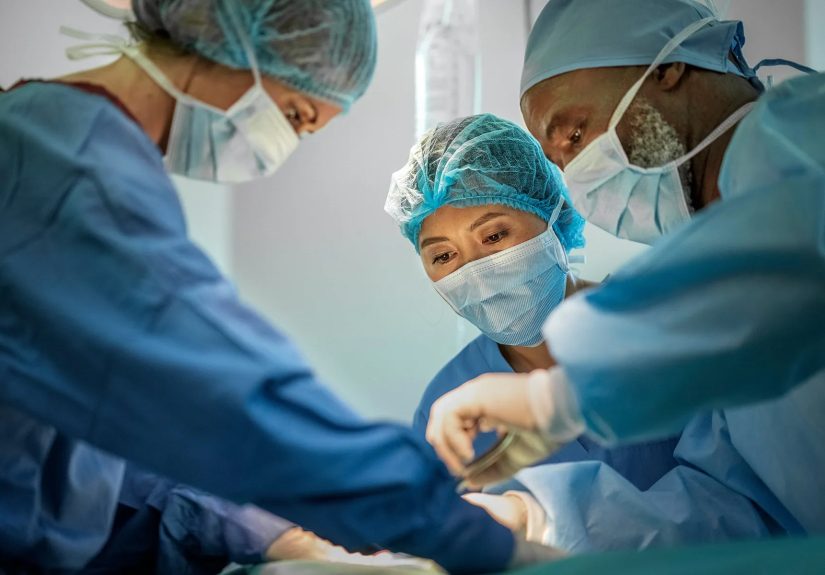
During thymectomy, the patient is under general anesthesia. The surgeon removes the thymus gland and, in many cases, surrounding fatty tissue that may contain small areas of thymic tissue. If a thymoma is present, the tumor is removed and sent to pathology for detailed analysis.
After surgery, patients are monitored closely for breathing strength, swallowing ability, pain control, and signs of MG worsening. Some people spend time in a recovery unit or intensive care setting, especially if symptoms were severe before surgery. Others may recover on a regular surgical floor.
Hospital stay varies by surgical approach and individual health. Minimally invasive procedures often allow shorter stays, while open surgery may require more recovery time. At home, patients may be advised to avoid heavy lifting, care for incisions, use breathing exercises, attend follow-up visits, and report symptoms such as fever, worsening shortness of breath, chest pain, trouble swallowing, or sudden weakness.
Benefits Patients May Expect
The possible benefits of thymectomy include fewer MG symptoms, reduced medication needs, fewer exacerbations, and remission in some patients. However, thymectomy is not a guaranteed cure. Some people improve significantly. Some improve modestly. Some see little change. The honest answer is less dramatic than a movie trailer but much more useful: outcomes vary.
Improvement often happens gradually. A patient may not wake up after surgery and suddenly feel like running up a hill while singing. More commonly, progress appears slowly: fewer bad days, easier chewing, less arm fatigue, lower medication doses, or longer periods of stability. Doctors may continue medications after surgery and taper them cautiously over time if symptoms improve.
Risks and Possible Complications
Like any surgery, thymectomy has risks. These may include bleeding, infection, pain, pneumonia, blood clots, reactions to anesthesia, and injury to nearby structures. In people with MG, one of the most important concerns is postoperative worsening of weakness, including breathing weakness or myasthenic crisis.
Risk is one reason experience matters. Patients should ask whether the hospital regularly cares for people with myasthenia gravis and whether the surgical, anesthesia, neurology, respiratory, and intensive care teams have a clear plan. MG is not the kind of condition where “we’ll figure it out as we go” inspires confidence.
Questions to Ask Before Surgery
- Do I have a thymoma or thymic enlargement?
- What type of myasthenia gravis do I have?
- What are my antibody test results?
- Why do you recommend surgery in my case?
- Which surgical approach do you recommend and why?
- How many thymectomies has this surgical team performed?
- Will I need IVIG or plasma exchange before surgery?
- Which medications should I take or avoid before surgery?
- What symptoms should make me call the doctor after surgery?
- How will we measure improvement after surgery?
Life After Thymectomy
After thymectomy, the journey continues. Patients usually remain under the care of a neurologist and may still need medications. Follow-up visits help track strength, breathing, swallowing, medication side effects, and overall quality of life. Some patients benefit from physical therapy, speech therapy, respiratory therapy, or nutrition support.
Daily habits also matter. Rest breaks, infection prevention, stress management, safe exercise, and careful meal planning can help people with MG conserve energy. For example, eating smaller meals when muscle strength is best may reduce fatigue during chewing and swallowing. Planning activities around stronger parts of the day can make life feel less like a battle with an invisible battery thief.
Patient Experience: What Surgery for Myasthenia Gravis Often Feels Like
The experience of surgery for myasthenia gravis is not only medical; it is emotional, practical, and deeply personal. Many patients arrive at the idea of thymectomy after months or years of symptoms that were confusing at first. Maybe one eyelid kept drooping in photos. Maybe dinner became exhausting because chewing felt like a gym workout for the jaw. Maybe stairs suddenly seemed to multiply when nobody was looking. By the time surgery is discussed, many people are not just asking, “Will this help?” They are asking, “Can I get part of my normal life back?”
One common experience is decision fatigue. Patients may hear about medications, antibody tests, CT scans, IVIG, plasma exchange, thymoma, robotic surgery, open surgery, remission rates, anesthesia risks, and recovery timelines all in a short period. That is a lot of vocabulary for a person who may already be physically tired. Bringing a trusted family member or friend to appointments can help. So can writing down questions in advance, because the brain loves to remember them ten minutes after the appointment ends.
Before surgery, anxiety is normal. People often worry about breathing after anesthesia, pain, scars, hospital stays, and whether surgery will actually work. For patients with MG, breathing concerns can feel especially heavy because myasthenic crisis is a known risk. A good care team will discuss these risks honestly and explain the plan for monitoring, respiratory support, and medication management. Clear planning can turn fear into something more manageable.
Immediately after surgery, the experience varies. Some people are surprised that pain is manageable, especially after minimally invasive surgery. Others feel sore, weak, foggy from anesthesia, or frustrated by the slow pace of recovery. Coughing, deep breathing exercises, and walking short distances may be encouraged even when the body would rather file a formal complaint. These steps help reduce complications and rebuild confidence.
The hardest part for many patients is waiting for neurological improvement. Thymectomy is not usually a same-day miracle. A person may heal from the incision long before MG symptoms begin to noticeably improve. This can be emotionally tricky. Patients may wonder if the surgery “worked” too early in the process. That is why follow-up with a neurologist is so important. Progress may show up gradually as fewer flares, lower medication needs, improved stamina, or more predictable days.
Support also matters. Online communities, MG support groups, family education, and honest conversations with employers or schools can make recovery less isolating. The best experience is not necessarily the one with zero fear or zero discomfort. It is the one where the patient feels informed, heard, prepared, and supported from the first surgical conversation through long-term follow-up.
Conclusion
Surgery for myasthenia gravis usually means thymectomy, the removal of the thymus gland. It may be recommended for people with thymoma and may benefit selected patients with generalized AChR-antibody-positive MG. The goal is long-term improvement: less weakness, fewer medications, fewer exacerbations, and possibly remission. But thymectomy is not an instant cure, and it is not right for everyone.
The best surgical decision comes from a careful partnership between the patient, neurologist, thoracic surgeon, anesthesiology team, and sometimes pulmonary or rehabilitation specialists. With the right evaluation, realistic expectations, and experienced care, thymectomy can be an important part of a larger MG treatment plan. In other words, surgery may remove the thymus, but good care removes a lot of uncertainty too.