Table of Contents >> Show >> Hide
- Why Ground Beef Soup Is a Winter Dinner Hero
- 1. Classic Hamburger Soup
- 2. Ground Beef Vegetable Soup
- 3. Lasagna Soup With Ground Beef
- 4. Taco Ground Beef Soup
- 5. Cabbage Roll Soup
- 6. Stuffed Pepper Soup With Ground Beef
- 7. Cheeseburger Soup With Ground Beef
- 8. Beef and Bean Chili Soup
- How to Make Ground Beef Soup Taste Better
- Food Safety Tips for Ground Beef Soup
- Meal Prep Ideas for Busy Winter Weeks
- of Real-Life Experience: Why These Soups Feel So Good on Cold Nights
- Conclusion
When the temperature drops, dinner needs to do more than politely sit on a plate. It needs to steam, simmer, smell amazing, and make everyone in the kitchen suddenly “just checking” the pot every five minutes. That is exactly where ground beef soup recipes shine. They are hearty without being fussy, budget-friendly without tasting boring, and flexible enough to rescue whatever vegetables are hiding in the fridge like tiny fugitives.
Ground beef is one of the easiest proteins to turn into a cozy winter meal. It browns quickly, adds rich flavor to broth, and works beautifully with potatoes, pasta, rice, beans, tomatoes, cabbage, carrots, corn, and almost any pantry seasoning. Whether you love classic hamburger soup, cheesy lasagna soup, taco-inspired soup, cabbage roll soup, or stuffed pepper soup, there is a warm bowl here with your name on it.
The best part? Most ground beef soups are one-pot meals. That means fewer dishes, faster cleanup, and more time to sit under a blanket pretending you are “watching a movie” while actually scrolling recipes for tomorrow.
Why Ground Beef Soup Is a Winter Dinner Hero
Ground beef soup is popular for a very practical reason: it gives you big flavor fast. Unlike tougher cuts of beef that need a long simmer, ground beef cooks in minutes. Once browned with onion, garlic, and seasoning, it creates a savory base that makes broth taste deeper and more satisfying.
It is also wonderfully affordable. A pound of ground beef can stretch into a full pot of soup when paired with vegetables, beans, rice, noodles, or potatoes. That makes it a smart choice for family dinners, meal prep, and “I need something warm but I refuse to make three separate side dishes” nights.
The Secret Is Building Flavor Early
The difference between an average soup and a soup that makes people hover near the stove is the first 10 minutes. Brown the ground beef well. Let it develop color instead of just turning gray. Then add diced onion, celery, carrots, garlic, tomato paste, or spices directly into the pot. This step wakes up the ingredients and gives the soup a stronger foundation.
If your beef releases a lot of fat, drain some of it before adding broth. A little fat adds flavor, but too much can make the soup feel heavy. For a lighter bowl, use lean ground beef, ground sirloin, or even a mix of beef and ground turkey.
1. Classic Hamburger Soup
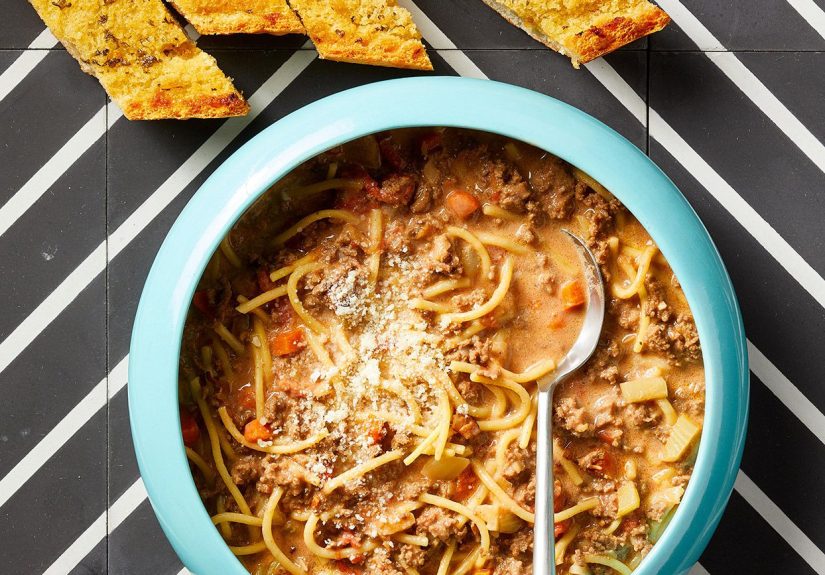
Classic hamburger soup is the blue jeans of winter cooking: simple, reliable, and always appropriate. It usually starts with ground beef, onion, garlic, diced tomatoes, beef broth, potatoes, carrots, celery, corn, and green beans. The result is a vegetable-packed soup that feels like comfort food but still looks respectable enough to call “balanced.”
Best Flavor Combination
For a rich, classic taste, season hamburger soup with Italian seasoning, bay leaves, Worcestershire sauce, black pepper, and a spoonful of tomato paste. The tomato paste adds body, while Worcestershire sauce brings a subtle savory depth that makes the broth taste like it simmered longer than it did.
How to Serve It
Serve hamburger soup with crusty bread, cornbread, garlic toast, or a simple side salad. If you want to make it extra cozy, sprinkle shredded cheddar on top. It melts into the hot broth and turns a humble bowl into something that feels like a diner special on a snowy road trip.
2. Ground Beef Vegetable Soup
Ground beef vegetable soup is perfect for people who want a hearty meal but also want to feel like they made a responsible adult decision. This soup can include almost any vegetable: cabbage, zucchini, carrots, peas, green beans, spinach, potatoes, mushrooms, bell peppers, or frozen mixed vegetables.
Because ground beef has a bold flavor, it can support plenty of vegetables without the soup tasting watery. Tomatoes, beef broth, herbs, and garlic bring everything together. If you have leftover vegetables from the week, toss them in. Soup does not judge. Soup understands.
Make It Thicker or Lighter
For a thicker vegetable beef soup, add diced potatoes, barley, rice, lentils, or small pasta. For a lighter version, skip the starch and increase cabbage, zucchini, spinach, or cauliflower. A splash of vinegar or lemon juice at the end can brighten the broth and keep the soup from tasting too heavy.
3. Lasagna Soup With Ground Beef
Lasagna soup is what happens when lasagna decides to put on pajamas. It has the familiar flavors of baked lasagnaground beef, tomatoes, garlic, Italian herbs, pasta, and cheesebut skips the layering, baking, and dramatic wrestling match with slippery noodles.
Start by browning ground beef with onion and garlic. Add crushed tomatoes, diced tomatoes, tomato paste, broth, basil, oregano, and broken lasagna noodles. Simmer until the pasta is tender, then finish each bowl with ricotta, mozzarella, Parmesan, and fresh parsley.
Cheese Makes the Magic
The best lasagna soup has a creamy cheese topping added at the end, not boiled into the pot. Mix ricotta with mozzarella, Parmesan, salt, pepper, and a little parsley. Spoon it onto each serving so it melts slowly into the broth. It tastes indulgent, but the soup still comes together faster than traditional lasagna.
4. Taco Ground Beef Soup
Taco soup is the weeknight dinner that knows how to party. It combines ground beef, taco seasoning, tomatoes, beans, corn, green chiles, onion, and broth into a spicy, colorful bowl. It is fast, filling, and extremely friendly to toppings.
Black beans, pinto beans, kidney beans, or chili beans all work well. For the broth, use beef broth, chicken broth, or even a mix of broth and tomato sauce. Add chili powder, cumin, smoked paprika, garlic powder, oregano, and a pinch of cayenne if your household enjoys a little winter drama.
Topping Ideas
Top taco soup with crushed tortilla chips, shredded cheese, sour cream, avocado, chopped cilantro, jalapeños, lime wedges, or diced red onion. If you want a creamier soup, stir in a small amount of cream cheese or heavy cream near the end. It becomes rich, smooth, and slightly dangerous because one bowl can easily become three.
5. Cabbage Roll Soup
Cabbage roll soup is inspired by classic stuffed cabbage rolls, but it removes the rolling, tucking, and hoping everything stays together. Ground beef, cabbage, tomatoes, rice, onion, garlic, and broth simmer into a hearty soup with sweet, tangy, savory flavor.
This is a great winter soup because cabbage becomes tender and slightly sweet as it cooks. It also adds volume, making the soup feel generous without requiring expensive ingredients. Rice gives the broth body, while tomatoes add brightness.
Flavor Tips
Add paprika, thyme, bay leaf, black pepper, and a small spoonful of brown sugar if you like a subtle sweet-and-sour cabbage roll flavor. A splash of vinegar at the end can balance the richness of the beef and tomatoes. If you are meal prepping, cook the rice separately and add it to individual bowls so it does not absorb all the broth overnight.
6. Stuffed Pepper Soup With Ground Beef
Stuffed pepper soup has everything people love about stuffed bell peppers, except it does not require carefully balancing peppers in a baking dish like edible traffic cones. It combines ground beef, bell peppers, rice, tomatoes, broth, onion, garlic, and herbs in one pot.
Use green bell peppers for a slightly sharper flavor, red bell peppers for sweetness, or a mix for color. Italian seasoning works beautifully here, but you can also take the soup in a smoky direction with paprika and cumin.
Rice, Pasta, or Cauliflower Rice?
Traditional stuffed pepper soup often uses white or brown rice. For a quicker version, use cooked rice and stir it in at the end. For a lower-carb option, add cauliflower rice during the final few minutes of cooking. If you prefer pasta, small shells or ditalini also work well, though the soup will lean more toward a beefy tomato pasta bowl.
7. Cheeseburger Soup With Ground Beef
Cheeseburger soup is for nights when you want comfort food to arrive wearing a sweater. It usually includes ground beef, potatoes, carrots, celery, onion, broth, milk or cream, and cheddar cheese. Some versions add bacon, pickles, mustard, or a dash of hot sauce for that cheeseburger flavor.
The key is to avoid overheating the cheese. Add shredded cheddar near the end over low heat, stirring gently until melted. High heat can make cheese separate, and nobody wants soup with the texture of a broken cheese dream.
Make It Extra Cozy
Top cheeseburger soup with crumbled bacon, green onions, toasted bread cubes, or a few pickle slices. Yes, pickles. They add acidity and make the bowl taste more like a real cheeseburger. It sounds odd until you try it, and then suddenly you are the person defending pickles in soup at family gatherings.
8. Beef and Bean Chili Soup
Somewhere between chili and soup lives beef and bean chili soup. It is thinner than traditional chili but thicker and bolder than a basic broth-based soup. Ground beef, beans, tomatoes, peppers, onion, chili powder, cumin, and broth create a cold-night meal that sticks with you.
This soup is excellent for game days, snow days, and “I forgot to plan dinner but I have cans in the pantry” days. Use kidney beans, black beans, pinto beans, or a combination. Add corn for sweetness, jalapeños for heat, and a little cocoa powder or coffee for deeper flavor if you like experimenting.
Serving Suggestions
Serve it with cornbread, tortilla chips, baked potatoes, or rice. Leftovers can become a second meal by spooning the soup over nachos or using it as a filling for burritos. That is not laziness. That is culinary recycling with confidence.
How to Make Ground Beef Soup Taste Better
Even simple soups deserve a little technique. First, season in layers. Add salt and spices when browning the beef, then adjust again after adding broth and vegetables. Second, use enough aromatics. Onion, garlic, celery, carrots, and bell peppers can transform a plain broth into something inviting.
Third, add umami. Tomato paste, Worcestershire sauce, soy sauce, Parmesan rind, beef bouillon, mushrooms, or a splash of steak sauce can deepen the flavor. Use these carefully; the goal is richness, not a soup that tastes like it lost a fight with a salt shaker.
Do Not Forget the Finish
A finishing touch can make a soup feel restaurant-worthy. Try fresh parsley, grated Parmesan, lime juice, lemon juice, sour cream, cheddar, crushed chips, green onions, or freshly cracked pepper. Fresh herbs and acidic ingredients are especially helpful because they brighten heavy winter flavors.
Food Safety Tips for Ground Beef Soup
Ground beef should be cooked to a safe internal temperature of 160°F. Since soup often breaks the meat into small pieces, use visual cues and a food thermometer when possible, especially if cooking larger crumbles or meatballs. The beef should be fully browned before broth and vegetables are added.
Refrigerate leftovers promptly in shallow containers so the soup cools quickly. Most cooked soups keep well in the refrigerator for about three to four days. Reheat leftovers until steaming hot, stirring well so the heat reaches every part of the bowl.
Freezing Ground Beef Soup
Many ground beef soups freeze beautifully, especially tomato-based soups, taco soup, cabbage soup, and vegetable beef soup. Soups with potatoes, pasta, rice, or dairy may change texture after freezing. For best results, freeze the broth and beef mixture without pasta or rice, then add fresh starch when reheating.
Meal Prep Ideas for Busy Winter Weeks
Ground beef soup is a meal prep champion because it often tastes better the next day. The flavors have time to settle, the broth becomes richer, and your future self gets to enjoy dinner without chopping an onion while tired.
To prep efficiently, brown two or three pounds of ground beef at once with onion and garlic. Divide it into portions and freeze. Later, you can turn one portion into taco soup, another into hamburger soup, and another into lasagna soup. This strategy saves time and prevents the dreaded 6 p.m. refrigerator stare.
Pantry Staples to Keep Ready
For quick ground beef soup recipes, keep diced tomatoes, crushed tomatoes, tomato paste, beef broth, beans, corn, pasta, rice, potatoes, frozen vegetables, chili powder, Italian seasoning, bay leaves, cumin, and Worcestershire sauce on hand. With those basics, you can build several soups without making a special grocery trip.
of Real-Life Experience: Why These Soups Feel So Good on Cold Nights
There is something deeply comforting about making ground beef soup when the weather is cold. It is not just the flavor. It is the whole process. The sound of beef sizzling in the pot, the smell of onion softening, the steam rising when broth hits the browned bits at the bottomthose little moments make the kitchen feel warmer before the soup is even ready.
Ground beef soup also has a forgiving personality. Some recipes act like tiny kitchen bosses, demanding exact measurements and perfect timing. Soup is more relaxed. If you have two carrots instead of three, nobody calls the authorities. If you use frozen corn instead of fresh, the soup nods politely and carries on. That flexibility makes it one of the best meals for real households, where ingredients disappear mysteriously and someone always finishes the celery without mentioning it.
One of the best experiences with ground beef soup is how easily it brings people to the table. A pot of hamburger soup with potatoes and vegetables smells like home even if you have never made it before. Lasagna soup feels fun and slightly indulgent, especially when everyone gets to add their own cheese topping. Taco soup turns dinner into a toppings bar, which is a clever way to make kids, guests, or picky eaters feel involved. Even cabbage roll soup, which sounds humble, has a way of surprising people with its rich tomato broth and tender cabbage.
These soups are also excellent for leftovers, and leftovers are one of winter’s underrated joys. A bowl of soup reheated the next day often tastes deeper and more settled. The vegetables soften, the spices blend, and the broth becomes more confident. It is the culinary version of waking up after a good night’s sleep and deciding to be your best self.
Another practical benefit is that ground beef soup can fit different moods. Want something lighter? Make vegetable beef soup with cabbage, zucchini, tomatoes, and herbs. Need comfort after a long day? Make cheeseburger soup or lasagna soup. Want something bold? Taco soup or chili soup brings spice and color. Want a meal that feels old-fashioned and nourishing? Hamburger soup with potatoes and carrots never fails.
For cold winter nights, these recipes work because they offer warmth, flavor, and convenience in one pot. They do not require professional cooking skills or rare ingredients. They simply ask for a little chopping, a little browning, and enough patience to let the pot simmer. In return, they give you a dinner that fills the house with good smells, fills the bowl with comfort, and fills everyone at the table with that quiet satisfaction only soup can deliver. Honestly, if winter has to exist, at least it brought soup season with it.
Conclusion
These ground beef soup recipes are perfect for cold winter nights because they are hearty, practical, affordable, and endlessly adaptable. From classic hamburger soup to cheesy lasagna soup, taco soup, cabbage roll soup, stuffed pepper soup, cheeseburger soup, and beefy chili soup, there is a recipe for every craving and every pantry situation.
The secret is simple: brown the beef well, build flavor with aromatics and seasonings, choose vegetables or starches that match the style of soup, and finish with something fresh, creamy, cheesy, or crunchy. With a few basic ingredients, you can turn a pound of ground beef into a pot of comfort that tastes like it took far more effort than it did. That is winter cooking at its finest: warm, filling, flexible, and ready to save dinner when the weather outside is doing too much.