Table of Contents >> Show >> Hide
- What Are Upcycled Tin Can Luminaries?
- Why This DIY Project Is Worth Making
- Supplies You Will Need
- Safety First: The Not-So-Boring Part
- How to Make Upcycled Tin Can Luminaries
- Step 1: Choose and Clean Your Cans
- Step 2: Plan Your Design
- Step 3: Fill the Can With Water and Freeze It
- Step 4: Tape the Pattern to the Can
- Step 5: Punch the Holes
- Step 6: Melt the Ice and Dry the Can
- Step 7: Paint or Finish the Luminary
- Step 8: Add a Handle, If Desired
- Step 9: Choose the Right Light Source
- Creative Design Ideas for Tin Can Luminaries
- Troubleshooting Common Problems
- Best Places to Use Upcycled Tin Can Luminaries
- How to Make Them Look More Expensive
- Personal Experience: What Making Tin Can Luminaries Teaches You
- Conclusion
Some home decor projects ask you to buy seventeen specialty tools, three jars of mysterious glaze, and a tiny brush that looks like it was designed for painting eyelashes on ants. Upcycled tin can luminaries are not that kind of project. This charming DIY craft starts with something most kitchens already produce: empty food cans. With a little cleaning, a simple pattern, a hammer, a nail, and a glow source, those humble soup and tomato cans can become punched metal lanterns that look surprisingly elegant on patios, porches, mantels, wedding tables, garden paths, or holiday displays.
The beauty of upcycled tin can luminaries is that they sit at the sweet spot between sustainability and style. You are reusing a container before it hits the recycling bin, giving it one more life as a decorative object. You are also making something practical: soft ambient lighting. The tiny punched holes scatter light across nearby surfaces, creating dotted patterns that feel cozy, handmade, and slightly magical. Basically, it is trash-to-treasure with a glow-up. Literally.
This guide explains how to make tin can luminaries safely, how to choose designs that actually work, how to paint and finish them, and how to use them indoors or outdoors without turning a relaxing craft night into a visit from the fire department. Whether you want rustic farmhouse lanterns, modern geometric candle holders, holiday luminaries, or garden-party lighting, this project is flexible, inexpensive, and beginner-friendly.
What Are Upcycled Tin Can Luminaries?
Upcycled tin can luminaries are decorative lanterns made from empty metal food cans. The maker punches holes into the sides of the can in a planned pattern, then places a light source inside. When the light shines through the holes, the can becomes a glowing lantern. The word “luminary” usually refers to a decorative light used for ambiance, walkways, ceremonies, holidays, or outdoor gatherings. In this case, the luminary happens to be made from a can that used to hold beans, soup, coffee, tomatoes, or whatever pantry hero saved dinner last Tuesday.
Most food cans are actually steel with a thin protective coating, though many people casually call them “tin cans.” The term has stuck because older cans were often tin-plated. For crafting purposes, the important point is that the metal is thin enough to punch with a nail but sturdy enough to hold its shape once supported properly. That support matters. If you hammer an empty can directly, it may dent, collapse, or develop a shape that says “craft accident” rather than “artisan lantern.” The classic trick is to fill the can with water and freeze it before punching the design. The ice supports the walls while you work.
Why This DIY Project Is Worth Making
It Reuses Materials You Already Have
One of the best parts of making DIY tin can lanterns is that the main material is free after dinner. Instead of buying new candle holders or outdoor lanterns, you can repurpose clean cans from everyday cooking. Reuse is one of the simplest ways to reduce household waste because it extends the usefulness of an item before it is discarded or recycled.
It Is Budget-Friendly
You do not need a craft-store shopping cart that squeaks under the emotional weight of your ambitions. A basic tin can luminary requires a can, water, freezer space, a printed or hand-drawn pattern, tape, a hammer, a nail, and a light source. Optional upgrades include spray paint, craft paint, floral wire, beads, twine, metal primer, and battery-operated fairy lights.
It Works for Many Decorating Styles
Upcycled tin can luminaries can look rustic, bohemian, coastal, farmhouse, industrial, romantic, spooky, festive, or modern depending on the design and finish. A matte black can with star-shaped holes feels sleek and dramatic. A white can with tiny floral dots looks sweet on a spring table. Copper or gold paint gives a warm vintage glow. Unpainted metal creates a simple industrial look that pairs well with wood, stone, and greenery.
Supplies You Will Need
- Clean empty metal cans, such as soup, vegetable, tomato, or coffee cans
- Warm soapy water for washing
- Baking soda or cooking oil for removing odors or label residue
- Paper, graph paper, or printable pattern templates
- Permanent marker or pencil
- Masking tape or painter’s tape
- Water and freezer space
- Hammer
- Large nail, finishing nail, awl, or punch tool
- Work gloves and safety glasses
- Thick towel, scrap wood, or a simple wooden jig to stabilize the can
- Fine metal file or sandpaper for smoothing sharp points
- Spray paint or outdoor craft paint, if desired
- Wire, pliers, and wire cutters for hanging handles
- LED tea lights, battery candles, solar lights, or fairy lights
Safety First: The Not-So-Boring Part
Tin can luminaries are easy, but they involve metal edges, hammering, and possibly candles, so safety deserves more than a polite little wave. Always check the rim of the can after removing the lid. If it feels sharp, press it down carefully with pliers or choose a can opened with a safety can opener that leaves a smoother edge. Wear gloves when handling the can and safety glasses when punching or drilling holes. Small metal bits can be rude.
If children are helping, let them draw patterns, choose colors, tape templates, or place battery lights inside the finished cans. Adults should handle cutting, punching, drilling, and any open flame. For indoor use, flameless LED tea lights are the best option. If you use real candles, place the luminary on a stable, heat-resistant surface, keep it away from curtains, paper, dried flowers, table linens, and anything else that could catch fire, and never leave it unattended. A homemade lantern should create atmosphere, not headlines.
How to Make Upcycled Tin Can Luminaries
Step 1: Choose and Clean Your Cans
Select cans with smooth sides if this is your first attempt. Standard soup cans are easy to handle, while larger coffee cans create dramatic outdoor lanterns. Remove labels by soaking the cans in warm, soapy water. If sticky residue remains, rub it with a little cooking oil, let it sit briefly, then scrub and wash again. To remove lingering food odors, wipe the inside with a damp sponge and baking soda. Dry the cans completely before moving on.
Step 2: Plan Your Design
Simple designs usually look best. Dots, stars, moons, hearts, leaves, flowers, waves, initials, snowflakes, pumpkins, and geometric lines all work well. Graph paper is helpful because it keeps spacing even. Wrap paper around the can, mark the top and bottom boundaries, remove the paper, and draw your pattern inside that measured space. Remember that every dot will become a hole where light escapes. More holes mean more glow; fewer holes mean a subtler, moodier lantern.
Step 3: Fill the Can With Water and Freeze It
Fill the can with water, leaving a little room at the top because water expands as it freezes. Place the can upright in the freezer overnight. The ice inside acts like a temporary support wall, preventing the metal from crumpling while you punch the design. For cans that tend to bulge on the bottom, you can freeze in two stages: first add a couple of inches of water and freeze, then fill the rest and freeze again. This helps reduce warping.
Step 4: Tape the Pattern to the Can
Once the water is frozen solid, remove the can from the freezer. Wrap your paper pattern around the can and secure it with tape. Work one can at a time so the ice does not melt too quickly. Place the frozen can on a folded towel to keep it from rolling and to protect your table. A simple wooden channel made from scrap wood can also hold the can steady, especially if you are making several luminaries.
Step 5: Punch the Holes
Put on gloves and safety glasses. Position the nail or awl on the first dot of your pattern, then tap it with the hammer until it pierces the metal. You do not need to drive the nail all the way through. A clean puncture is enough. Continue along the pattern, spacing the holes evenly. Use smaller nails for delicate details and larger nails for brighter light. If you want a hanging handle, punch two extra holes opposite each other near the top rim.
Step 6: Melt the Ice and Dry the Can
After punching the full design, remove the paper and place the can in the sink. Let the ice melt naturally or run a little warm water over it. Dry the can thoroughly to prevent rust. If the bottom bulged during freezing, gently tap it flat with a hammer. Check the inside and outside for sharp raised edges around the holes. Smooth rough spots with a metal file, sandpaper, or the careful pressure of a tool.
Step 7: Paint or Finish the Luminary
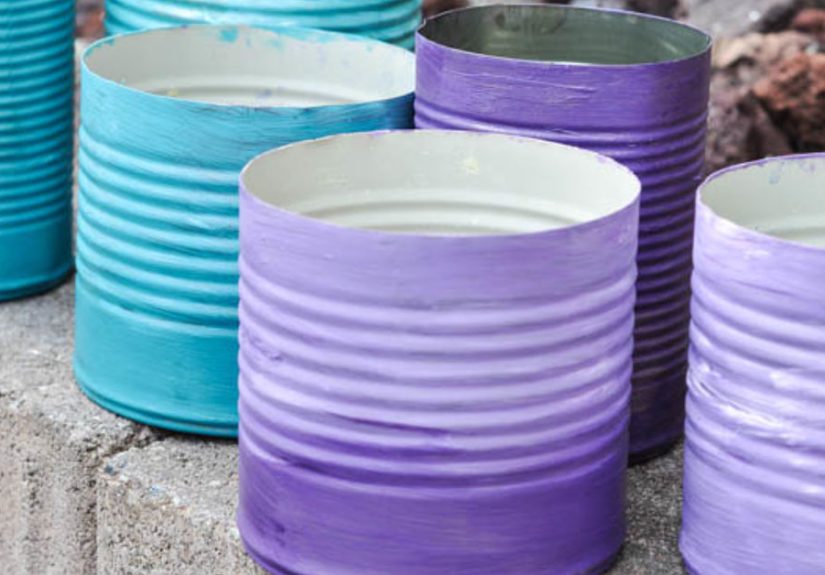
You can leave the can bare for a raw, industrial look, but paint gives the project personality. For outdoor luminaries, choose paint suitable for metal and exterior use. Spray paint creates a smooth finish, while brushed craft paint gives a more handmade look. Apply light coats instead of one heavy coat, and let each coat dry fully. Metallic finishes such as bronze, copper, gold, and silver reflect warm light beautifully. Matte colors look modern and photograph well.
Step 8: Add a Handle, If Desired
Cut a piece of sturdy wire, curve it into a U shape, and thread each end through the holes near the rim. Use pliers to twist the ends securely inside the can. You can add beads for a playful garden look or wrap the handle with twine for rustic charm. If you plan to hang the luminary outdoors, make sure the handle is strong and the can is balanced.
Step 9: Choose the Right Light Source
LED tea lights are the easiest and safest choice, especially indoors, around kids, near pets, or on windy patios. Battery-operated fairy lights create a sparkling effect and can fill larger cans beautifully. Solar lights are excellent for garden paths because they charge during the day and glow at night. Real tea lights or votives can work outdoors or on heat-safe surfaces, but they require constant supervision and careful placement.
Creative Design Ideas for Tin Can Luminaries
Garden Path Luminaries
Use medium or large cans painted in muted greens, terracotta, or matte black. Punch leaf outlines, vines, or simple dotted trails. Place solar lights inside and line them along a walkway, patio edge, or raised garden bed. The result feels handmade without looking cluttered.
Holiday Tin Can Lanterns
For Halloween, try bats, moons, jack-o’-lantern faces, or spooky trees. For Thanksgiving, use leaf shapes, wheat patterns, or warm copper paint. For Christmas and winter decorating, punch snowflakes, stars, evergreen trees, or simple dotted ornaments. A set of white tin can luminaries with warm LED candles can make a mantel look like it belongs in a cozy holiday movie where nobody is stressed about shipping deadlines.
Wedding and Party Centerpieces
Paint cans in soft white, cream, champagne, or metallic gold. Punch initials, tiny hearts, flowers, or lace-inspired dot patterns. Add LED candles and greenery around the base. For rustic weddings, leave some cans unpainted and pair them with burlap, wood slices, wildflowers, or eucalyptus.
Kids’ Art Night Versions
Children can design paper templates with stars, hearts, zigzags, or their initials. Adults can punch the holes, then kids can paint the cooled, dry cans. This makes the project feel collaborative without putting small hands near sharp metal or swinging hammers. Add battery lights and let each child see their pattern glow.
Troubleshooting Common Problems
The Can Dented While Punching
The ice may not have been fully frozen, or the hammering may have been too forceful. Freeze the can overnight, use controlled taps, and work on a towel or wooden jig. Small dents can add rustic character, so do not panic if your first lantern has a few wrinkles. Handmade does not mean laser-cut perfection.
The Bottom Bulged Out
This happens because water expands when it freezes. Tap the bottom gently back into place after the ice melts. To reduce bulging next time, leave space at the top or freeze the water in two stages.
The Holes Look Uneven
Uneven holes usually come from inconsistent spacing or different hammer pressure. Use graph paper for spacing and mark dots clearly before punching. You can also vary hole sizes intentionally. A mix of small and large holes can look artistic when planned.
The Paint Chips
Paint may chip if the can was oily, wet, or not prepared properly. Clean and dry the surface before painting. For a more durable finish, use a primer made for metal and apply thin coats. Let the paint cure fully before handling.
Best Places to Use Upcycled Tin Can Luminaries
These luminaries shine in spaces where soft, patterned light adds warmth. Place them on outdoor dining tables, porch steps, balcony corners, garden walls, picnic tables, fireplace mantels, bookshelves, entryway consoles, or party buffet tables. They are especially charming in groups of three or five because varied heights and patterns create visual rhythm. Use different can sizes to avoid a lineup that looks too stiff.
For outdoor use, consider wind and weather. LED lights are practical because they do not blow out, drip wax, or create flame risks. If rain is likely, bring painted cans inside or seal them with a protective clear coat. Metal can rust over time, especially if exposed to moisture, so treat outdoor luminaries as seasonal decor unless you use weather-resistant finishes.
How to Make Them Look More Expensive
The secret to making recycled can crafts look polished is restraint. Choose a color palette before you start. Three matte black cans with star patterns will usually look more sophisticated than ten cans painted in every leftover color from your craft drawer. Keep patterns consistent across a set: all botanicals, all geometric shapes, or all celestial designs. Add quality light, such as warm white LEDs, because harsh bluish lights can make even beautiful lanterns look like emergency equipment.
Another upgrade is to finish the rim. You can wrap the top edge with twine, thin leather cord, or decorative wire. If using twine, keep it away from real flames and use LED lights only. For table displays, place luminaries on wood slices, ceramic plates, stone trays, or mirrored chargers. Add small accents like pinecones, shells, pebbles, greenery, or seasonal flowers around the base.
Personal Experience: What Making Tin Can Luminaries Teaches You
The first time you make upcycled tin can luminaries, you may feel slightly ridiculous putting soup cans in the freezer like they are preparing for a spa treatment. Then you punch the first few holes, hold the finished can up to the light, and suddenly the whole thing makes sense. The project has a satisfying rhythm: clean, freeze, tape, tap, tap, tap. It is simple enough to relax into, but detailed enough to feel creative.
One practical lesson is that patience matters more than strength. A heavy hammer swing can dent the can or make the nail jump. Gentle, steady taps create cleaner holes. The same is true for the design. A complicated pattern may look impressive on paper, but once you are punching every dot by hand, a simple star suddenly seems like a wise life choice. Beginners often get the best results from bold shapes: moons, hearts, leaves, diamonds, and repeating rows of dots.
Another experience many crafters notice is how different the lanterns look before and after lighting. In daylight, a plain punched can may look modest, even a little awkward. At night, with a warm LED candle inside, it transforms. The holes cast tiny constellations across the table or wall. A row of luminaries along a walkway can make a backyard feel like a small outdoor café. They are proof that some crafts do not reveal their full personality until the lights go down.
This project also changes the way you look at ordinary packaging. A large tomato can becomes a centerpiece. A coffee can becomes a patio lantern. A small tomato paste can becomes a tiny tea light holder. Suddenly, recycling day looks less like a chore and more like a supply run. That does not mean every can must be saved forevernobody needs a garage full of “potential.” But keeping a few clean cans for seasonal projects is a practical way to reuse materials without buying more decor.
There is also a lovely social side to tin can luminaries. They are great for craft nights because everyone can personalize a design while using the same basic method. One person may make neat geometric rows, another may choose messy stars, and someone else will inevitably create a can that looks abstract because they “meant to do that.” When the lights go in, every version feels special. The imperfections become part of the charm.
For family crafting, the project offers a useful division of tasks. Kids can sketch patterns, pick paint colors, and arrange the finished lanterns. Adults can handle the hammering and smoothing. The finished luminaries feel collaborative, not store-bought. They also become memory objects: the lantern from a summer barbecue, the snowflake cans from a holiday table, the heart-patterned set from a backyard anniversary dinner.
After making several, you start developing opinions. Warm white LEDs look better than cool white. Larger holes create bolder shadows. Matte paint hides small dents. Metallic paint catches candlelight beautifully. Freezing overnight is worth it. Gloves are not optional unless you enjoy learning lessons the pointy way. And perhaps most importantly, the best luminary is not the most perfect one. It is the one that makes a dark corner feel welcoming.
Conclusion
Upcycled tin can luminaries prove that sustainable DIY decor does not have to look like a compromise. With a cleaned can, a frozen water core, a simple punched pattern, and the right light source, you can create lanterns that are affordable, customizable, and genuinely beautiful. They work for patios, parties, holidays, weddings, garden paths, and cozy nights at home. They also give everyday packaging a second act before recycling, which makes the project feel both creative and responsible.
The best approach is to keep the first design simple, use LED lights whenever possible, and treat safety as part of the craft. Once you understand the method, you can experiment with paint, handles, seasonal patterns, and grouped displays. A tin can may begin its life holding soup, but with a few careful taps and a little imagination, it can end up holding light.
Note: For the safest indoor display, use flameless LED candles or battery-operated fairy lights. If using real candles, place luminaries on heat-resistant surfaces, keep them away from flammable materials, and never leave them unattended.