Table of Contents >> Show >> Hide
- What Is Galaxy Hair?
- Why the Galaxy Hair Trend Keeps Coming Back
- Popular Galaxy Hair Color Ideas
- Who Can Try Galaxy Hair?
- How Galaxy Hair Is Created
- How to Ask Your Stylist for Galaxy Hair
- Galaxy Hair Maintenance: Keeping the Cosmos Alive
- Is Galaxy Hair Expensive?
- Can You Do Galaxy Hair at Home?
- Safety Tips Before Trying Galaxy Hair
- Styling Ideas for Galaxy Hair
- Galaxy Hair for Different Personal Styles
- Real-Life Experience: What Galaxy Hair Feels Like After the Salon
- Conclusion
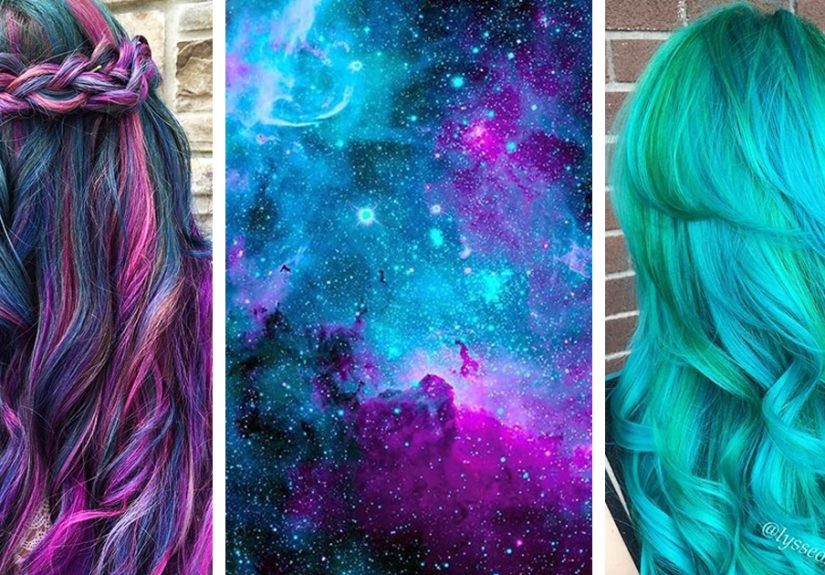
Some hair colors whisper. Galaxy hair grabs a megaphone, climbs onto a glitter-covered meteor, and announces that your head is now hosting a private tour of the Milky Way. Dramatic? Absolutely. But that is the whole point. The galaxy hair trend is a bold, multidimensional hair color style inspired by outer space, nebula clouds, star clusters, and those dreamy NASA-style images that make everyone suddenly consider becoming an astronaut for aesthetic reasons.
At its core, galaxy hair blends cosmic shades like deep violet, electric blue, teal, magenta, indigo, smoky silver, and sometimes hints of black or pastel lavender. The final result can look mysterious and moody, bright and futuristic, or soft and dreamy depending on the placement, intensity, and base color. It is not just “blue hair” or “purple hair.” It is a full celestial event happening strand by strand.
While the trend first exploded online years ago, it keeps orbiting back into beauty culture because vivid hair color never truly disappears. It simply changes its filter, updates its styling, and returns looking more expensive. Today, galaxy hair feels especially relevant because modern color techniques allow stylists to make it more wearable, more blended, and more personalized than the early social media versions that looked like a unicorn got into a paintball fight.
What Is Galaxy Hair?
Galaxy hair is a creative color trend that uses multiple vivid shades to mimic the depth and movement of outer space. Think navy blue shadows, violet clouds, teal streaks, hot pink bursts, and silver accents that look like tiny beams of starlight. Instead of placing one solid color all over the hair, a colorist blends several tones together to create a layered, dimensional finish.
The most common galaxy hair colors include purple, blue, magenta, teal, lavender, sapphire, and smoky gray. Some versions lean darker and moodier, almost like a midnight sky. Others are brighter and more playful, with neon pink or aqua pieces that shine under good lighting. Pastel galaxy hair is also popular for people who want a softer version of the trend without looking like they are about to headline an intergalactic music festival.
Why It Works So Well Visually
Galaxy hair works because the colors sit near each other beautifully on the cool-tone spectrum. Purple, blue, and teal naturally blend well, while magenta adds warmth and contrast. When placed correctly, these shades create depth, movement, and the illusion of light hitting the hair from different angles. It is color theory with a rocket booster.
Unlike single-process vivid colors, galaxy hair has built-in dimension. That means curls, waves, braids, and layered cuts can show off different colors every time the hair moves. A simple braid can suddenly look like it was woven by a very stylish alien princess. A curled bob can look like a tiny nebula with excellent volume.
Why the Galaxy Hair Trend Keeps Coming Back
Beauty trends often return when they offer two things: self-expression and social media impact. Galaxy hair has both. It is bold enough to photograph beautifully, but flexible enough to customize. Someone can wear a full head of cosmic color, while another person can try galaxy peekaboo highlights, hidden panels, money pieces, or a darker blue-purple balayage that only reveals itself in the light.
Another reason the trend remains popular is that it feels personal. No two galaxy hair looks are exactly the same. One stylist may create a jewel-toned color melt with deep blue roots and violet ends. Another may paint soft lavender and rose-pink ribbons through silver hair. Someone with dark brunette hair may choose a subtle galaxy effect with blue and purple panels, while someone with pre-lightened blonde hair may go full cosmic rainbow.
In an era where hair color is less about following one strict rule and more about creating a mood, galaxy hair fits perfectly. It says, “I contain multitudes,” but in a much more sparkly way.
Popular Galaxy Hair Color Ideas
1. Classic Blue and Purple Galaxy Hair
This is the signature version of the trend. Deep navy, royal blue, violet, and indigo are blended together for a rich outer-space effect. It is dramatic without being chaotic and works especially well on long layers, waves, and textured cuts.
2. Teal and Magenta Galaxy Hair
Adding teal and magenta gives the look more contrast. Teal adds brightness, while magenta brings warmth and energy. This combination is perfect for anyone who wants their hair to look like a nebula discovered during a very fashionable space mission.
3. Pastel Galaxy Hair
Pastel galaxy hair uses lighter shades such as lavender, baby blue, blush pink, and soft mint. It is dreamy, romantic, and slightly less intense than deeper jewel tones. However, pastel shades often require very light blonde hair first, so they can be more demanding than they appear. Cute? Yes. Low effort? Not exactly.
4. Hidden Galaxy Hair
Hidden galaxy hair places vivid colors underneath the top layer of hair. When the hair is down, the look can appear subtle. When it is tied up, braided, or flipped dramatically in a hallway like a movie character, the colors appear. This is a smart option for anyone who wants creativity without committing to a full head of visible color every day.
5. Galaxy Money Pieces
Face-framing galaxy money pieces use vivid colors around the front hairline. Purple, blue, pink, or teal panels can brighten the face and create a bold statement without coloring the entire head. It is like dipping one toe into the cosmos instead of buying property on Mars.
Who Can Try Galaxy Hair?
Almost anyone can try galaxy hair, but the final result depends on hair color, hair health, texture, and maintenance habits. Lighter hair usually shows vivid tones more easily. Dark hair often needs pre-lightening before bright purple, blue, or teal shades can appear clearly. This is why a professional consultation matters, especially if the goal is a bright, high-impact galaxy look.
People with naturally dark hair can still enjoy the trend in softer ways. A stylist may suggest deep violet panels, smoky blue highlights, or a subtle color melt that does not require lifting the hair to platinum. The result may be moodier and less neon, but that can actually look more sophisticated. Not every galaxy needs to scream. Some prefer to smolder mysteriously in the corner.
Best Haircuts for Galaxy Hair
Galaxy hair looks beautiful on many cuts, but layered styles show the color movement especially well. Long waves create a flowing nebula effect. Bobs make the colors look modern and punchy. Shags, wolf cuts, and layered lobs add texture, allowing different tones to peek through. Curly and coily hair can also look stunning with galaxy color because the natural shape of the hair creates light, shadow, and dimension.
The key is placement. A good colorist will consider how the hair falls naturally, where it parts, how often it is styled, and which pieces should be brightest. Galaxy hair is not random paint splashed onto hair. At least, it should not be. If it looks random, your stylist may have been possessed by a craft store.
How Galaxy Hair Is Created
Most vivid galaxy hair looks begin with a consultation. A stylist checks the hair’s current color, condition, previous dye history, and realistic lightening potential. This step matters because vivid shades sit best on a properly prepared canvas. If the hair is too dark, uneven, or damaged, the colors may turn muddy or fade unevenly.
Pre-lightening is often necessary, especially for bright blue, teal, lavender, or pastel shades. This may involve bleach, which should be handled carefully. Bleach can weaken hair if used incorrectly, so a professional approach is strongly recommended for major transformations. After the hair is lightened to the right level, the stylist applies vivid colors in sections, blending them through the hair to create a soft transition between shades.
Color Melt vs. Highlights vs. Panels
A color melt blends shades smoothly from one tone to another. This creates a seamless galaxy effect, especially when using blue, purple, and magenta. Highlights create smaller ribbons of color throughout the hair. Panels use larger sections for a bolder, more graphic look. The best method depends on whether the client wants subtle movement or full cosmic drama.
For a wearable version, many stylists use darker roots and brighter mids or ends. This makes grow-out softer and can reduce the need for constant root touch-ups. For a statement version, vivid colors may be placed from roots to ends. That look is stunning, but it comes with a maintenance schedule that has no respect for your lazy Sundays.
How to Ask Your Stylist for Galaxy Hair
Do not walk into the salon and simply say, “Make me look like space.” Inspirational, yes. Specific, no. Bring reference photos that show the exact type of galaxy hair you like. Point out whether you prefer dark jewel tones, pastel tones, bold contrast, hidden color, or soft blending. Also tell your stylist how often you are willing to return for maintenance and how much time you spend styling your hair.
Useful phrases include “blue and purple color melt,” “teal and magenta galaxy panels,” “dark-rooted vivid balayage,” “hidden galaxy color,” and “cool-toned multidimensional vivid hair.” These terms help your stylist understand the technique and mood you want.
It is also wise to be honest about your hair history. Previous box dye, henna, permanent black dye, relaxers, keratin treatments, and heavy bleaching can all affect how the color turns out. Hair does not keep secrets well. It may not gossip, but it will absolutely reveal past decisions under bleach.
Galaxy Hair Maintenance: Keeping the Cosmos Alive
Galaxy hair is gorgeous, but vivid colors require care. Blue, purple, pink, and teal shades can fade faster than natural-looking colors, especially with frequent washing, hot water, heat styling, sun exposure, and harsh shampoos. The more you treat the color like a delicate luxury fabric, the longer it stays vibrant.
Wash Less Often
Every wash removes some color. Try spacing out wash days when possible and use dry shampoo if your scalp tolerates it. When you do wash, focus shampoo on the scalp rather than aggressively scrubbing the colored lengths.
Use Cool or Lukewarm Water
Hot water can make color fade faster by opening the hair cuticle and allowing dye molecules to escape more easily. Cool or lukewarm water is kinder to vivid color. Is it as cozy as a steaming shower? No. But neither is watching your expensive teal turn into confused seafoam after three washes.
Choose Color-Safe Products
Use shampoos and conditioners designed for color-treated hair. Many stylists recommend sulfate-free formulas for vivid shades because they tend to be gentler. A weekly deep-conditioning mask can also help maintain softness, especially if the hair was lightened before coloring.
Protect Against Heat and Sun
Heat tools can dull vivid shades and increase dryness. Use a heat protectant before blow-drying, curling, or flat-ironing. Sun exposure can also fade color, so hats, scarves, or UV-protective hair products can help when spending time outdoors.
Plan for Touch-Ups
Galaxy hair is not a one-and-done relationship. It is more like adopting a tiny, glamorous comet. Depending on the shades used, your hair type, and your routine, you may need glosses, color refreshers, or salon touch-ups every few weeks. Darker shades usually last longer than pastels, while blues and teals can be more stubborn in some hair and surprisingly slippery in others.
Is Galaxy Hair Expensive?
Galaxy hair can be more expensive than a basic single-process color because it usually requires multiple steps. A stylist may need to lighten the hair, tone it, section it carefully, apply several vivid colors, process everything correctly, rinse strategically, and finish with treatments. The appointment can take several hours, especially for long or thick hair.
The cost varies depending on the salon, location, hair length, hair density, color complexity, and whether corrective work is needed. A subtle hidden galaxy panel will likely cost less than a full-head transformation from dark brown to bright cosmic blue and violet. In other words, the more your inspiration photo looks like a professional fantasy movie wig, the more you should prepare your wallet for launch.
Can You Do Galaxy Hair at Home?
Technically, yes. Realistically, be careful. At-home galaxy hair can be difficult because the look requires lightening, sectioning, color placement, and blending. Mistakes can lead to patchy color, muddy tones, uneven fading, or damaged hair. If your goal is a dramatic transformation, a professional colorist is the safer choice.
For beginners, a lower-risk option is temporary color, color-depositing conditioner, clip-in extensions, or a small hidden section. These allow experimentation without committing the entire head to a science experiment. If you have never lightened your hair before, do not start with a six-color galaxy masterpiece in your bathroom at 11:47 p.m. That is how beauty emergencies get their origin stories.
Safety Tips Before Trying Galaxy Hair
Hair dye and lightener can cause irritation or allergic reactions in some people. Always follow product instructions and do a patch test before using dye, even if you have colored your hair before. Sensitivities can develop over time. If you have a history of scalp irritation, eczema, allergies, or previous reactions to hair color, talk with a licensed stylist or healthcare professional before coloring.
Healthy hair also matters. If your hair feels brittle, gummy, overly dry, or breaks easily, it may not be ready for major lightening. In that case, a stylist may recommend treatments, a gentler color plan, or a staged approach over multiple appointments. The best galaxy hair is not just bright; it is wearable, touchable, and still attached to your head. Small detail, big importance.
Styling Ideas for Galaxy Hair
Galaxy hair shines brightest when the styling shows off its dimension. Loose waves are a classic choice because they reveal the different tones as the hair bends. Braids are another excellent option, especially fishtail braids, Dutch braids, and half-up styles. Each twist pulls multiple colors together and makes the finished look appear more intricate.
Sleek straight hair can also look striking, particularly when the color placement is bold and graphic. A blunt bob with blue and violet panels feels futuristic. A long, straight style with magenta and teal ribbons feels editorial. Curls and coils create a completely different effect, with color appearing in flashes and spirals throughout the shape.
Galaxy Hair for Different Personal Styles
For the Minimalist
Try hidden galaxy panels, subtle blue-black violet tones, or dark purple highlights. You get the cosmic mood without needing every grocery store trip to become a public art exhibition.
For the Maximalist
Go for bold magenta, teal, violet, and sapphire from root to tip. Add waves, shine spray, and confidence. You are not entering a room; you are docking a spaceship.
For the Professional Setting
Consider peekaboo placement, darker jewel tones, or galaxy ends that can be styled discreetly. Many workplaces are more flexible than they used to be, but a strategic placement gives you options.
For the Soft Glam Lover
Pastel lavender, dusty rose, smoky blue, and pearl silver create a romantic galaxy effect. It is celestial without being too loud, like moonlight with a really good conditioner.
Real-Life Experience: What Galaxy Hair Feels Like After the Salon
Getting galaxy hair is not just a hair appointment. It is an event. The first experience usually starts with excitement, a few nervous laughs, and the sudden realization that you may be sitting in a salon chair long enough to reconsider every life choice since middle school. A full transformation can take hours, especially if the stylist needs to lighten the hair before applying the vivid shades. Bring snacks. Bring water. Bring patience. Maybe bring a book you have been pretending you would read since last summer.
The most exciting moment happens after the final rinse. Wet hair can look darker and less dramatic, so do not panic if the colors seem mysterious at first. Once the stylist starts drying and styling, the galaxy effect begins to reveal itself. A section that looked navy suddenly flashes violet. A hidden strand turns teal under the light. Magenta appears near the ends like a tiny cosmic sunrise. The whole thing feels a little magical, partly because it is beautiful and partly because you have survived several hours wearing a salon cape that makes everyone look like a patient superhero.
The first few days with galaxy hair are usually the most fun. Compliments arrive from friends, coworkers, classmates, baristas, and occasionally strangers who pretend they were not staring. Outfits also start to feel different. A black T-shirt suddenly looks intentional. Silver jewelry pops. Even a messy bun looks like it has a creative director. The hair becomes an accessory, a conversation starter, and a small confidence boost wrapped into one very colorful package.
Then maintenance enters the chat. The first wash can be emotional. Watching tinted water go down the drain may feel like saying goodbye to a tiny piece of the universe. This is normal with vivid hair color. The color is not necessarily ruined; some dye release happens early. Cool water, gentle products, and fewer washes help. A dark towel is also a smart idea unless you enjoy explaining why your white towel now looks like it fought a blueberry smoothie.
Sleeping on galaxy hair can also be an adjustment. Some people use a dark pillowcase for the first week, especially with intense blue or pink shades. Heat styling becomes more intentional because too much heat can dull the shine. Many people start using softer scrunchies, leave-in conditioner, and protective styling habits. In a strange way, galaxy hair can make you more responsible. Not financially, perhaps, because salon color is an investment, but emotionally? Absolutely.
The fading process can be surprisingly beautiful. Deep blue may soften into denim. Violet may become lavender. Magenta can fade into rose. Teal may shift into mint or sea-glass tones. The look changes over time, which is part of its charm. Galaxy hair is not frozen in one perfect moment; it evolves. Some weeks it looks like a dramatic nebula. Other weeks it looks like cotton candy got a philosophy degree. Either way, it rarely gets boring.
The biggest lesson from living with galaxy hair is that bold color requires both confidence and flexibility. It will not look exactly the same every day. Lighting changes it. Styling changes it. Washing changes it. But that movement is also what makes the trend special. Galaxy hair is for people who enjoy beauty with personality, color with drama, and a little bit of chaos with their conditioner.
Conclusion
The galaxy hair trend remains out-of-this-world because it combines artistry, individuality, and pure visual fun. It is not the easiest hair color to achieve or maintain, but for the right person, it can be unforgettable. Whether you choose deep blue and violet waves, hidden teal panels, pastel cosmic ribbons, or a full nebula-inspired transformation, galaxy hair offers endless room for customization.
The smartest approach is to work with a skilled colorist, be realistic about maintenance, protect your hair health, and choose a version that fits your lifestyle. Done well, galaxy hair is more than a trend. It is wearable art, a mood booster, and possibly the closest most of us will get to having our own personal constellation.
Note: This article is based on real beauty trend reporting, professional hair color guidance, color-care recommendations, and general cosmetic safety information. It is intended for style inspiration and educational content, not as a substitute for personalized advice from a licensed stylist or healthcare professional.