Table of Contents >> Show >> Hide
- What Are Thyroid Function Tests?
- Why Would a Provider Order a Thyroid Blood Test?
- Types of Thyroid Function Tests (What’s in the “Thyroid Panel”?)
- Procedure: How Thyroid Function Testing Is Done
- Preparation: What to Do Before a Thyroid Blood Test
- Side Effects and Risks: What Can Go Wrong (Usually Not Much)
- Results: How to Understand Thyroid Function Test Patterns
- After You Get Results: What to Ask Your Clinician
- Conclusion
- Real-Life Experiences: What People Notice (and What They Wish They’d Known)
- 1) The Blood Draw Is the Easy PartThe Waiting Is the Sport
- 2) “But I Feel Terrible and My Tests Are Normal” Happens More Than You’d Think
- 3) The “Borderline” Result Can Be Confusing (and Weirdly Personal)
- 4) Biotin: The Sneaky Plot Twist
- 5) Medication Timing and Consistency Become a Routine
- 6) The Emotional Side: Relief, Frustration, and Validation
- 7) What People Say Helped Most
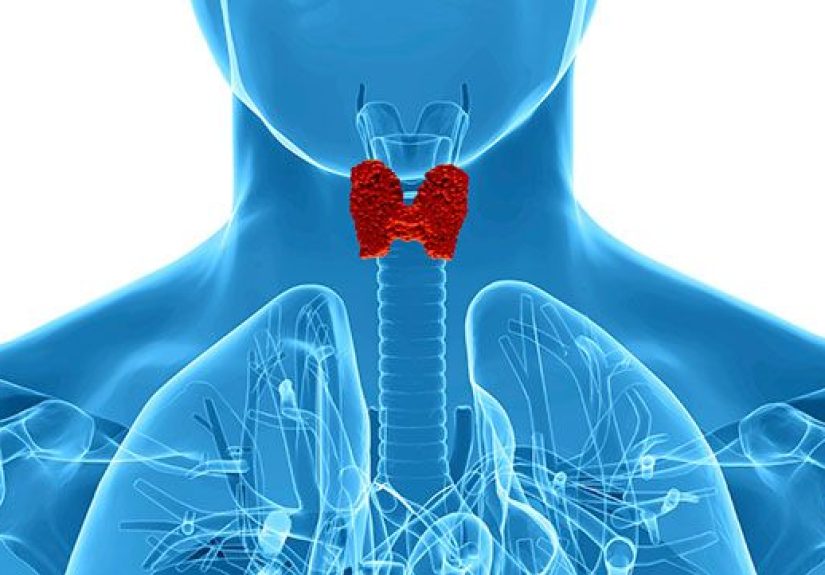
Your thyroid is a small, butterfly-shaped gland in your neck with a big personality. It helps run your body’s “thermostat” and “speed dial” for metabolism, energy, heart rate, temperature, digestion, and even mood. When it’s working well, you don’t notice it (the best kind of relationship). When it’s off, you notice everything. That’s where thyroid function tests come in.
This guide explains what a thyroid blood test (often called a thyroid panel) measures, how the procedure works, possible side effects, and how doctors interpret common result patterns like high TSH or low free T4. It’s educationalyour clinician and your lab’s reference ranges are still the final bosses.
What Are Thyroid Function Tests?
Thyroid function tests (TFTs) are lab testsusually blood teststhat help evaluate whether your thyroid is making the right amount of thyroid hormone. Most testing starts with TSH (thyroid-stimulating hormone), which is produced by your pituitary gland (in your brain) and tells your thyroid how hard to work.
Think of TSH as the manager sending emails to the thyroid: if thyroid hormone is low, the manager sends more emails (TSH goes up). If thyroid hormone is high, the manager sends fewer emails (TSH goes down). This feedback system is why TSH is often the first and most sensitive screening test for thyroid problems.
Why Would a Provider Order a Thyroid Blood Test?
Clinicians commonly order thyroid function tests to:
- Evaluate symptoms of hypothyroidism (underactive thyroid) or hyperthyroidism (overactive thyroid)
- Diagnose and monitor autoimmune thyroid disease like Hashimoto’s thyroiditis and Graves’ disease
- Adjust thyroid medication doses (like levothyroxine or antithyroid meds)
- Check thyroid status in pregnancy or postpartum when thyroid needs can shift
- Follow up abnormal labs found during routine screening or other evaluations
- Help investigate thyroid nodules, goiter, or certain thyroid cancers (with specific markers)
Symptoms That Often Trigger Testing
Hypothyroid symptoms can include fatigue, weight gain, constipation, cold intolerance, dry skin, hair changes, heavy periods, slower heart rate, and “brain fog.” Hyperthyroid symptoms may include weight loss, heat intolerance, palpitations, anxiety, tremor, frequent bowel movements, sweating, and insomnia. (Yes, those lists can overlap with “life,” which is why testing helps.)
Types of Thyroid Function Tests (What’s in the “Thyroid Panel”?)
Panels vary by lab and clinic, but these are the heavy hitters:
TSH Test
TSH is usually the first test ordered. It’s excellent for screening primary thyroid dysfunction and for monitoring most treated hypothyroidism. If TSH is abnormal, many labs automatically “reflex” to additional tests (like free T4).
Free T4 (Free Thyroxine)
Free T4 measures the unbound, biologically active form of thyroxine circulating in your blood. It helps confirm hypothyroidism or hyperthyroidism and can be especially important when TSH patterns are unusual (for example, suspected pituitary issues).
T3 (Total or Free T3)
T3 is the more active thyroid hormone. It’s not always needed for routine screening, but it can be helpful when hyperthyroidism is suspectedespecially in cases where TSH is low but free T4 isn’t clearly elevated. Some people have “T3-toxicosis,” where T3 is high before T4 rises.
Thyroid Antibody Tests
Antibodies don’t measure “function” directly, but they often explain why your thyroid is misbehaving. Common antibody tests include:
- TPO antibodies (thyroid peroxidase antibodies): often elevated in Hashimoto’s, sometimes Graves’
- Tg antibodies (thyroglobulin antibodies): can appear in autoimmune disease; also relevant in certain cancer monitoring contexts
- TRAb/TSI (thyroid receptor antibodies / thyroid-stimulating immunoglobulins): commonly associated with Graves’ disease
Thyroglobulin (Tg) and Calcitonin (Special Cases)
Thyroglobulin is a protein made by thyroid cells and is commonly used as a tumor marker after treatment for differentiated thyroid cancer (not as a routine “function” screen). Calcitonin may be used when medullary thyroid cancer is suspected. These are not standard screening tests for most people.
“Cascade” or Reflex Testing (Why You Sometimes Get Extra Results)
Many labs use a reflex approach: start with TSH, and if it’s outside the lab’s range, automatically run free T4 (and sometimes T3) to clarify the picture. This helps reduce unnecessary testing while still giving your provider the data needed for interpretation.
Procedure: How Thyroid Function Testing Is Done
For most people, a thyroid function test is a standard blood draw. Here’s what typically happens:
- Check-in and verification: Staff confirm your name, date of birth, and test order.
- Positioning: You sit in a chair; some people prefer lying down if they’re prone to fainting.
- Tourniquet and vein selection: A band is placed on your upper arm; the phlebotomist finds a good vein.
- Skin cleaning: Alcohol (or another antiseptic) is used to clean the site.
- Needle in, sample out: Blood is drawn into one or more small tubes. The draw itself usually takes under a minute.
- Pressure and bandage: The needle comes out; you press gauze to reduce bruising.
- Back to your day: Most people return to normal activities immediately.
Turnaround time varies by lab, but many routine thyroid panels return within 1–2 business days (sometimes faster).
Preparation: What to Do Before a Thyroid Blood Test
Most thyroid tests do not require special preparation like fasting, but there are important exceptions and “gotchas” that can affect results. The goal is not perfectionit’s consistency and accuracy.
1) Tell Your Provider About Supplements (Especially Biotin)
Biotin (vitamin B7common in “hair, skin, and nails” supplements) can interfere with certain lab immunoassays and cause misleading thyroid results (for example, falsely low TSH or abnormal thyroid hormones). Many clinicians recommend stopping biotin for a period before testingoften at least 48–72 hours for high-dose supplements, sometimes longer depending on dose and lab method. If you’re taking biotin, mention it before the blood draw.
2) Ask About Timing if You Take Thyroid Medication
If you take levothyroxine (or other thyroid hormone), your clinician may want your blood drawn at a consistent time relative to your dose, especially for follow-up monitoring. Some providers recommend testing before your daily dose to reduce short-term fluctuations. Don’t change your routine unless your clinician tells you to.
3) Mention Pregnancy, Recent Illness, or Hospitalization
Pregnancy changes thyroid physiology and reference ranges. Acute illness can also temporarily shift thyroid labs (sometimes called “non-thyroidal illness” patterns). These context clues matter because labs should always be interpreted with your clinical picture.
4) Fasting and Time of Day: Helpful for Consistency, Not Always Mandatory
Some research suggests TSH can vary with time of day and may be influenced by food intake. Many clinicians still rely on non-fasting samples in real-world practice, but if you’re monitoring a borderline issue (like subclinical hypothyroidism), your provider may prefer a consistent morning draw under similar conditions each time.
Side Effects and Risks: What Can Go Wrong (Usually Not Much)
Thyroid function tests are low-risk because the main procedure is a routine venipuncture. Still, “low-risk” doesn’t mean “no-risk.” Common, mild side effects include:
- Soreness at the needle site
- Minor bruising or a small hematoma (a pocket of blood under the skin)
- Lightheadedness or fainting, especially if you’re anxious or dehydrated
Rare complications include infection at the puncture site or prolonged bleeding (more likely if you take blood thinners or have a bleeding disorder). If you develop severe swelling, increasing redness/warmth, pus, fever, or persistent bleeding, contact a healthcare professional.
Tips to Reduce Bruising and Dizziness
- Hydrate beforehand (unless you’re told to restrict fluids).
- Relax your arm and keep it still during the draw.
- Afterward, apply firm pressure for 1–2 minutes (longer if you bruise easily).
- If you’re prone to fainting, tell the stafflying down is totally allowed.
Results: How to Understand Thyroid Function Test Patterns
First: reference ranges vary by lab (different instruments, populations, and methods). Your report’s “normal range” column is the one your clinician will use. Second: interpretation depends on your symptoms, medications, pregnancy status, and overall health.
The Most Common Result Patterns (Simplified)
| Pattern | What It Often Suggests | Common Next Steps |
|---|---|---|
| High TSH + Low Free T4 | Primary hypothyroidism (thyroid underactive), often Hashimoto’s | Review symptoms, check antibodies, consider/adjust thyroid hormone therapy |
| High TSH + Normal Free T4 | Subclinical hypothyroidism (mild/early) | Repeat testing, assess symptoms, consider treatment based on age, pregnancy, risk factors |
| Low TSH + High Free T4 (± High T3) | Hyperthyroidism (thyroid overactive), possible Graves’ | Consider antibody testing (TRAb/TSI), imaging/uptake in some cases, treatment planning |
| Low TSH + Normal Free T4 | Subclinical hyperthyroidism, medication effect, early hyperthyroidism | Repeat testing, review meds/supplements, assess heart/bone risk if persistent |
| Normal/Low TSH + Low Free T4 | Possible pituitary/hypothalamic (central) hypothyroidism or non-thyroidal illness | Clinical correlation, consider pituitary evaluation, repeat when recovered if acutely ill |
Examples (Because Results Feel Abstract Until They’re Yours)
Example A: A person with fatigue, constipation, and cold intolerance has a high TSH and low free T4. This pattern strongly supports primary hypothyroidism. Their clinician may check TPO antibodies (to assess for Hashimoto’s) and discuss starting or adjusting levothyroxine.
Example B: Someone with palpitations, tremor, and unintentional weight loss has a low TSH and high free T4. That pattern points to hyperthyroidism. Their clinician might order TRAb/TSI to evaluate for Graves’ and consider treatment options.
Example C: A person feels fine but has slightly high TSH with normal free T4 found on routine labs. That may be subclinical hypothyroidism. Often the next move is repeating labs (especially if the number is borderline), reviewing symptoms, and considering factors like pregnancy plans, cholesterol, heart disease risk, or age.
What About Antibody Results?
A positive antibody test can support an autoimmune cause even when thyroid hormones are still in range. For example:
- High TPO antibodies often appear in Hashimoto’s and can predict a higher chance of developing hypothyroidism over time.
- Positive TRAb/TSI supports Graves’ disease and can be relevant in pregnancy because antibodies can cross the placenta.
False Alarms: When Results Don’t Match How You Feel
Sometimes test results and symptoms don’t line up neatly. Reasons include: lab variability, time-of-day effects, recent illness, pregnancy-related changes, medication timing, and supplement interference (biotin is the celebrity here). The safest move is usually to review the full context and repeat testing if neededrather than “panic-Googling” at 2:00 a.m. (No judgment. We’ve all been there.)
After You Get Results: What to Ask Your Clinician
- Which results were abnormal, and how abnormal are they?
- Do these labs match my symptoms and exam?
- Should we repeat the test under consistent conditions (morning, fasting, medication timing)?
- Do I need antibody testing or additional evaluation?
- If medication changes are made, when should labs be rechecked (often 6–8 weeks for levothyroxine adjustments)?
- Could supplements (biotin) or other meds be skewing the results?
Conclusion
Thyroid function tests are a straightforward, low-risk way to understand what your thyroid is doing and why you might be feeling “off.” The procedure is usually a quick blood draw, side effects are typically minor, and the resultsespecially TSH, free T4, and sometimes T3 and thyroid antibodieshelp clinicians distinguish common conditions like hypothyroidism and hyperthyroidism. The key is interpreting numbers in context: your symptoms, medications, supplements, and life stage (like pregnancy).
If you remember only one thing: don’t interpret thyroid labs in a vacuum. Bring your results to a clinician who can connect the dotsand tell them about supplements like biotin so the dots aren’t secretly stickers.
Real-Life Experiences: What People Notice (and What They Wish They’d Known)
Medical explanations are great, but real life is where thyroid testing becomes a story: the calendar reminders, the “why am I so tired?” conversations, and the surprisingly emotional moment of seeing numbers next to the word “abnormal.” Below are common experiences people share around thyroid function testswritten as practical, relatable observations, not as medical advice.
1) The Blood Draw Is the Easy PartThe Waiting Is the Sport
Many people report that the actual thyroid blood test is quick and anticlimactic. The bigger challenge is waiting for results and trying not to mentally diagnose yourself with 14 rare disorders in the meantime. A helpful tactic: decide in advance what you’ll do if you feel anxious while waiting (walk, gym, a show, a friend, literally anything besides refreshing the patient portal every 11 minutes).
2) “But I Feel Terrible and My Tests Are Normal” Happens More Than You’d Think
A very common experience is ongoing symptomsfatigue, brain fog, weight changespaired with normal TSH and free T4. That can feel invalidating. People often wish someone had told them earlier that thyroid tests are powerful, but they’re not the only possible explanation for those symptoms. Clinicians frequently look at sleep, stress, iron levels, vitamin deficiencies, mood, medications, and other hormonal issues too. The takeaway: normal thyroid labs don’t mean your symptoms aren’t real; they mean your clinician may need to widen the searchlight.
3) The “Borderline” Result Can Be Confusing (and Weirdly Personal)
Another common scenario: a mildly high TSH with a normal free T4 (often called subclinical hypothyroidism). People describe feeling stuck in limbo“Do I have a thyroid problem or not?” Some are reassured by watchful waiting and a plan to recheck labs. Others feel relieved when their clinician explains risk factors clearly (like pregnancy plans, antibody status, age, cholesterol, heart rhythm concerns). Many patients say the best appointment is the one where the clinician explains what number changes would trigger action and when you’ll follow upbecause uncertainty is the loudest symptom.
4) Biotin: The Sneaky Plot Twist
People are often surprised to learn that a popular “hair and nails” supplement can distort thyroid results. A frequent experience goes like this: abnormal thyroid labs appear out of nowhere, anxiety spikes, then someone finally asks about supplementsand the story changes. Patients often say they wish intake forms asked about supplements as directly as they ask about prescriptions. If you take biotin, it’s worth writing it down (dose and brand if possible) and bringing it up proactively. It can save you from unnecessary stress and repeat testing.
5) Medication Timing and Consistency Become a Routine
For people treated for hypothyroidism, follow-up testing can become part of life: the same lab, similar time of day, similar routine. Patients frequently notice that consistency makes discussions with clinicians smootherless “maybe it was the timing” and more “here’s the real trend.” Some people also describe the first few dose adjustments as a patience test: thyroid hormone levels often take weeks to stabilize, so quick day-to-day symptom changes aren’t always a reliable scoreboard. The most helpful mindset is to track broad trends: energy, bowel habits, sleep, heart rate, and mood over weeksnot hours.
6) The Emotional Side: Relief, Frustration, and Validation
Getting thyroid results can be oddly emotional. Some people feel validated“I knew something was wrong.” Others feel worried by a label like “hyperthyroidism” even if it’s mild. And some feel frustrated when results raise more questions than answers. A practical approach that many patients find grounding is to ask for a simple plan in writing: what the clinician thinks is happening, what additional tests (if any) are needed, whether treatment is recommended, and exactly when the next recheck will occur.
7) What People Say Helped Most
- Bring a medication + supplement list (including biotin and multivitamins).
- Ask for the pattern (TSH + free T4 relationship) rather than focusing on one number alone.
- Use the lab’s reference range on your reportranges differ.
- Request a follow-up timeline (especially after medication changes).
- Track symptoms simply (energy, sleep, heart rate, bowel habits) over weeks.
In short: thyroid testing is usually physically easy, but mentally loud. The best antidote is context, consistency, and a clear plan with your clinician.