Table of Contents >> Show >> Hide
- Quick Take: The 30-Second Verdict
- What Is Red Boost (and Why Is Everyone Talking About Blood Flow)?
- Vitality + Prostate Health: What Those Words Really Mean
- Ingredient Breakdown: What the Science Suggests (and What It Doesn’t)
- So… Does Red Boost Actually Support Prostate Health?
- Safety, Side Effects, and Who Should Skip It
- How to Judge Red Boost (or Any Men’s Vitality Supplement) Like a Pro
- Pros and Cons
- Smarter Alternatives (and Add-Ons) That Don’t Require a Miracle
- FAQ
- Bottom Line: Red Boost Review 2025
- Experiences: What Trying a “Blood Flow + Prostate Support” Stack Can Feel Like (500+ Words)
- Experience #1: The Nighttime Bathroom Tour (Age 57, Desk Job, Light Sleeper)
- Experience #2: The “I’m Not 25 Anymore” Gym Reality Check (Age 46, Active, High Stress)
- Experience #3: The Mild ED “Confidence Loop” (Age 52, Borderline Blood Pressure)
- Experience #4: The “Nothing Happened” Outcome (Yes, This Is Real Too)
If you’re reading this, there’s a decent chance you’ve experienced at least one of these: (1) you’ve stared at the ceiling at 2:17 a.m. because your bladder demanded a meeting, or (2) your “energy” has been running on the same batteries as a TV remote from 2009, or (3) your bedroom performance has started to feel like a Wi-Fi signalstrong in theory, spotty in practice.
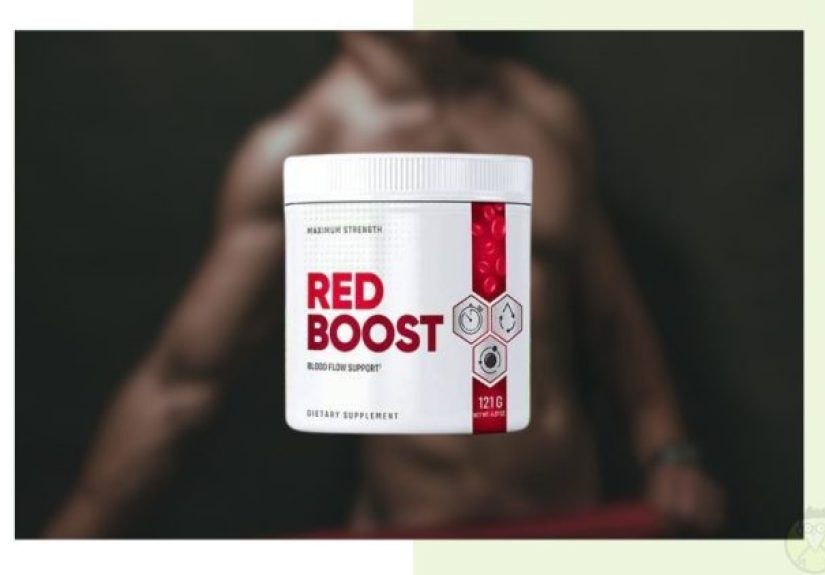
Enter Red Boost, a men’s supplement marketed around nitric oxide, blood flow support, and “vitality,” with a side quest of prostate support. In 2025, products like this are everywheresome legitimate, some wildly optimistic, and some dressed up like a miracle in a shiny label. This review takes a grounded look at what Red Boost is, what its ingredients can (and can’t) realistically do, and who should think twice before trying it.
Quick Take: The 30-Second Verdict
- Best for: Men who want a blood-flow-supporting supplement stack and understand the “results vary” reality.
- Not a magic wand for: Erectile dysfunction, urinary symptoms, or prostate issues that need real medical evaluation.
- Biggest green flag: Several ingredients have at least some research behind them (especially L-citrulline and stinging nettle in BPH contexts).
- Biggest red flag: The supplement world is messyformulas and claims can be inconsistent across sellers, and “miracle” marketing can sprint far ahead of evidence.
- Bottom line: Red Boost is best viewed as a supportive option, not a treatmentand definitely not a substitute for checking on prostate or cardiovascular health.
What Is Red Boost (and Why Is Everyone Talking About Blood Flow)?
Red Boost is generally positioned as a circulation-focused men’s supplementoften described as a nitric oxide booster. The pitch usually goes like this: better nitric oxide support → better blood vessel function and blood flow → better performance, stamina, and “vitality.”
Depending on the seller and packaging, you may see Red Boost described as a powder drink mix or as capsules. The safest move: treat the label on the bottle you receive as the source of truth. If the Supplement Facts panel is vague, missing, or strangely hard to find, that’s your cue to step away like it’s a suspicious buffet shrimp.
Commonly mentioned ingredients across Red Boost listings and reviews include: L-citrulline (sometimes citrulline malate), horny goat weed extract (icariin), tongkat ali, fenugreek, stinging nettle root, maca, vitamin C, and sometimes a blend of fruit powders, beet root powder, and probiotics.
Vitality + Prostate Health: What Those Words Really Mean
“Vitality” is marketing shorthand for a bunch of real issues: energy, libido, confidence, endurance, mood, and sometimes erections. “Prostate support” often points to urinary comfortespecially symptoms linked with benign prostatic hyperplasia (BPH), like frequent urination at night, urgency, weak stream, or trouble starting.
Here’s the important part: those symptoms can overlap with other conditions. Waking up often to pee could be BPH, but it could also be things like bladder issues, infection, medication effects, or blood sugar problems. So while supplements can be part of a wellness routine, persistent urinary symptoms deserve real attention, not just a new powder in your cabinet.
In other words: Red Boost might be a “supportive helper,” but it’s not a detective, a urologist, or a time machine.
Ingredient Breakdown: What the Science Suggests (and What It Doesn’t)
L-Citrulline (and Citrulline Malate)
If Red Boost has a “most evidence-friendly” ingredient, it’s probably L-citrulline. Citrulline is involved in the body’s nitric oxide pathway, which matters for blood vessel function. There’s research suggesting citrulline supplementation can improve erection hardness in men with mild erectile dysfunctionthough results aren’t universal and doses, duration, and baseline health matter a lot.
Practical expectation: citrulline is not a prescription ED medication replacement, but it may support circulation in a way some men notice especially when paired with lifestyle upgrades like exercise and sleep.
Beet Root Powder (Dietary Nitrates)
Beet root is famous for dietary nitrates, which the body can convert (through a nitrate → nitrite → nitric oxide pathway) into compounds that support blood flow. Beetroot research often focuses on cardiovascular markers and exercise performance more than bedroom outcomes, but the “blood flow support” logic isn’t random.
Practical expectation: a mild “circulation support” effect is plausible for some people, but it’s not an instant on-switch. Also: beet products can vary a lot in nitrate contentpowder isn’t automatically equal to juice.
Horny Goat Weed Extract (Icariin)
Horny goat weed is the attention-grabbing ingredient because it’s often framed as “herbal Viagra.” The reality is more nuanced: icariin shows interesting mechanisms in lab and animal research (including activity related to nitric oxide and PDE5 pathways), but human evidence is limited and potency is not comparable to FDA-approved medications.
Practical expectation: consider it a “maybe helps libido/blood flow support” ingredientnot a guaranteed ED solution. Also note that the male-enhancement supplement category has a history of adulteration problems (hidden drug ingredients) across the industry, which is why brand transparency matters.
Tongkat Ali (Eurycoma longifolia)
Tongkat ali is commonly used in testosterone-adjacent supplement formulas. Some studies and reviews suggest potential benefits for testosterone levels or sexual well-being in certain contexts, but results are mixed and not every study design is clean.
Practical expectation: if someone is low-normal or stressed/sleep-deprived, tongkat ali might help a little with perceived vitality. If someone expects a dramatic hormone overhaul, they’re likely to be disappointed.
Fenugreek
Fenugreek shows up in many “men’s vitality” stacks because some trials suggest it may support libido or testosterone markers in certain groups. It’s not a miracle herb, but it’s not pure fairy dust either.
Practical expectation: mild support is plausible; “turning back the clock 20 years” is not.
Stinging Nettle Root (Urtica dioica)
If you’re specifically looking at the “prostate support” angle, nettle root is one of the more relevant ingredients. Clinical research has explored nettle root in BPH symptom contexts, including improvements in urinary symptom scores in some studies.
Practical expectation: nettle root may be more aligned with urinary comfort than the “nitric oxide” ingredientsbut it’s still not a substitute for medical evaluation, especially if symptoms are moderate-to-severe or worsening.
Maca Root
Maca is often used for libido and subjective well-being. Some human studies suggest improvements in sexual desire (and in specific scenarios like antidepressant-associated sexual dysfunction), but it’s not a guaranteed erection enhancer.
Practical expectation: think “mood/libido support,” not “vascular fix.”
Vitamin C
Vitamin C is sometimes included because it’s involved in antioxidant activity and has been discussed in relation to nitric oxide bioavailability. On its own, it’s not an ED treatmentbut as part of an overall health stack, it’s a reasonable “supporting actor.”
Probiotics + Fruit Blends
Some Red Boost formulations mention probiotics and fruit powders (like cherry, lemon, acerola, blackberry). Probiotics can support gut health, which can matter for inflammation and general wellness. But when a product implies probiotics will meaningfully “supercharge nitric oxide,” that’s where you should keep your skeptical eyebrow raised.
Practical expectation: nice-to-have ingredients, usually not the main drivers of results.
So… Does Red Boost Actually Support Prostate Health?
Here’s the honest answer: it may support some aspects of urinary comfort for some men, mostly because ingredients like nettle root have been studied in BPH contexts. But Red Boost is still a dietary supplement, not a prescription treatment.
If your main issue is classic BPH-type symptomsfrequent urination, waking at night, weak streamthere are evidence-based options ranging from lifestyle adjustments to medications and minimally invasive procedures. Supplements can be an “also,” but they shouldn’t be your “only.”
A practical gut-check: if you’re seeing blood in urine, urinary retention, fever/pain, or rapidly worsening symptoms, that’s not a “try a new supplement” situation. That’s a “call a clinician” situation.
Safety, Side Effects, and Who Should Skip It
Dietary supplements in the U.S. aren’t approved the way drugs are, and labels often carry the standard disclaimer: they’re not intended to diagnose, treat, cure, or prevent disease. So, safety is partly about ingredients and partly about your personal health situation.
Possible side effects people report with similar stacks
- Digestive upset (bloating, nausea, diarrhea)
- Headache
- Feeling “wired” or sleep changes (less common, but possible depending on ingredients and timing)
- Blood pressure changes (especially with nitric-oxide-pathway ingredients)
Be extra cautious (or ask your clinician first) if you:
- Take nitrates for chest pain or certain heart conditions
- Use blood pressure medications, blood thinners, or have cardiovascular disease
- Have hormone-sensitive conditions or a history of prostate cancer (talk to a professional before hormone-adjacent herbs)
- Have liver disease or take multiple supplements (stacking increases uncertainty)
Also, a safety reality check for the entire “male enhancement” supplement category: the FDA has repeatedly warned consumers about some sexual enhancement products containing hidden drug ingredients. That doesn’t automatically mean a specific brand is adulteratedbut it’s a reason to only buy from sellers with transparent labeling and quality practices.
How to Judge Red Boost (or Any Men’s Vitality Supplement) Like a Pro
Here’s a quick checklist that’s more useful than a hype-filled sales page:
- Look for a clear Supplement Facts panel with amounts (not just a mystery “proprietary blend”).
- Watch the claims. If it claims to “cure” ED, reverse BPH, or treat disease, that’s a regulatory red flag.
- Prefer third-party testing (NSF, USP, or other credible verification) when available.
- Check the buying experience. Clear pricing, no surprise subscriptions, and a real refund policy matter.
- Track one change at a time. If you start Red Boost while also changing sleep, diet, workouts, and three other supplements, you’ll never know what helped.
Bonus tip: take baseline notes before you startenergy (1–10), morning erections (yes/no), nighttime urination frequency, and workout stamina. Not because you’re building a science lab, but because memory is a liar when marketing gets loud.
Pros and Cons
Pros
- Includes ingredients with plausible mechanisms for blood flow support (especially citrulline and beet-derived nitrates).
- Nettle root is at least directionally relevant to prostate-related urinary comfort discussions.
- May support subjective vitality when paired with lifestyle improvements.
Cons
- Supplement results vary wildly by person; “works for everyone” is marketing, not reality.
- Label transparency and formula consistency can vary depending on selleralways verify what you’re actually buying.
- Not a replacement for evidence-based care for BPH, ED, or cardiovascular risk factors.
Smarter Alternatives (and Add-Ons) That Don’t Require a Miracle
If your goal is better vitality and prostate support, the boring stuff works absurdly well:
- Move daily: brisk walking + resistance training improves circulation and metabolic health.
- Sleep like it’s your job: poor sleep can drag down libido, energy, and hormone balance.
- Dial down alcohol and late-night fluids: can help with nocturia for some men.
- Get checked: urinary symptoms, ED, and fatigue can be early clues of other health issues (blood pressure, diabetes, sleep apnea).
- Discuss screening choices: prostate cancer screening decisions are individualized and worth a clinician conversation.
Red Boost, if you choose it, should sit on top of these basicsnot replace them.
FAQ
How long does Red Boost take to work?
With circulation and libido supplements, most people who notice anything describe it as a gradual shift over weeks, not overnight fireworks. If someone promises “instant results,” they’re selling fiction.
Will it shrink my prostate?
Supplements are not proven to shrink the prostate the way certain medications can for BPH. Some ingredients may support symptom comfort, but that’s not the same thing as changing prostate size.
Is it safe to take with ED meds?
Don’t freestyle this. If you use prescription ED medications or heart medications, talk with your clinician. Blood pressure and interaction risks are real.
Can I use it as a substitute for seeing a doctor?
No. If you have ongoing urinary symptoms, significant ED, pain, blood in urine, or rapidly worsening changes, you need medical evaluation. Supplements are optional supportnot diagnosis or treatment.
Bottom Line: Red Boost Review 2025
Red Boost sits in a familiar category: men’s vitality supplements built around blood flow support and libido-friendly herbs. Some ingredients have research-backed plausibility (especially L-citrulline and nettle root in relevant contexts), while others are more “promising but not proven.”
If you approach Red Boost like a supportive wellness add-onpaired with sleep, movement, and basic health checkupsyou’ll have the right expectations. If you approach it like a cure for prostate problems or a guaranteed ED fix, you’ll likely end up writing an angry review and eating your feelings with cheese.
The real “unlock” in vitality is usually not one supplement. It’s stacking small, unsexy wins until your body finally gets the message.
Experiences: What Trying a “Blood Flow + Prostate Support” Stack Can Feel Like (500+ Words)
The internet is packed with Red Boost stories that swing between “life-changing” and “did absolutely nothing.” Both can be truebecause supplements interact with real human variables like sleep, stress, diet, medications, and whether you’re doing anything besides hoping. Below are illustrative, composite-style experiences based on common patterns men report when trying nitric-oxide-forward supplements and prostate support blends. These are not medical claims, and they’re not guaranteesthink of them as “what it can be like,” not “what it will be like.”
Experience #1: The Nighttime Bathroom Tour (Age 57, Desk Job, Light Sleeper)
Week 1 is mostly vibes and routine-building: remembering to take a scoop/capsules consistently, noticing the taste (if it’s a powder), and wondering if anything is happening yet. The biggest change? Paying attention. He starts tracking how many times he wakes up to pee. It’s usually two.
By weeks 3–4, if something improves, it tends to be subtle: one night a week becomes “only once.” He also realizes late-night tea was not a harmless hobbyit was a betrayal in a mug. Cutting fluids after dinner and easing up on evening caffeine does more than any supplement ever promised on a sales page. The supplement feels like a “supporting actor,” while the lifestyle change wins Best Picture.
Experience #2: The “I’m Not 25 Anymore” Gym Reality Check (Age 46, Active, High Stress)
In the first two weeks, he notices a mild pump in workouts and slightly better staminanothing dramatic, but enough to go, “Okay… that’s not imaginary.” He’s also sleeping better because he finally stopped doom-scrolling at midnight. By week 6, he describes his energy as “more consistent.” Not higher like a rocket, but steadier like a reliable car that starts in winter.
Libido changes, if they happen, show up more like increased interest and responsiveness rather than sudden superpowers. He learns that stress is the biggest performance killer in the room, quietly sitting in the corner like a villain in a hoodie. When work stress spikes, everything dipssupplement or not.
Experience #3: The Mild ED “Confidence Loop” (Age 52, Borderline Blood Pressure)
This is the group where expectations matter most. If he expects a supplement to match prescription ED meds, disappointment is likely. But if he treats it as circulation support while he improves cardio fitness and manages blood pressure, he may notice incremental improvements. The biggest shift is often psychological: fewer “what if it doesn’t work” thoughts, more relaxed intimacy, better sleep, and better performance because anxiety stopped driving the car.
He also learns an important lesson: if you take anything that may influence blood flow, you should take blood pressure seriously. He starts checking his numbers, talks to his clinician, and cleans up diet basics. In this scenario, the supplement becomes part of a broader health plannot the plan itself.
Experience #4: The “Nothing Happened” Outcome (Yes, This Is Real Too)
Some men take a supplement consistently and feel… nothing. No energy lift, no libido change, no urinary improvement. That doesn’t mean the person did it wrong; it often means the root issue is elsewhere: sleep apnea, unmanaged blood sugar, low testosterone that needs a proper workup, medication side effects, relationship stress, depression, or a prostate problem that requires real treatment.
Ironically, this can still be a useful outcomebecause it pushes the right next step: stop guessing, start measuring, and get evaluated. In the long run, that’s a better “vitality unlock” than chasing supplement roulette.
If you decide to try Red Boost (or any similar formula), the best “experience hack” is consistency plus realism: track a few simple metrics, give it enough time to judge fairly, and don’t ignore symptoms that deserve medical attention. Your body is not a marketing funnel, and it does not read testimonials.