Table of Contents >> Show >> Hide
- What Is Tick-Borne Encephalitis?
- Symptoms of Tick-Borne Encephalitis
- Diagnosis: How Doctors Figure Out It’s TBE
- Treatment: What Helps (and What Doesn’t)
- Prevention: How to Avoid TBE in the First Place
- Outlook: Recovery, Risks, and Long-Term Effects
- When to Talk to a Clinician (Even If You’re Not Sure)
- Experiences With Tick-Borne Encephalitis (Real-World Snapshots)
- Conclusion
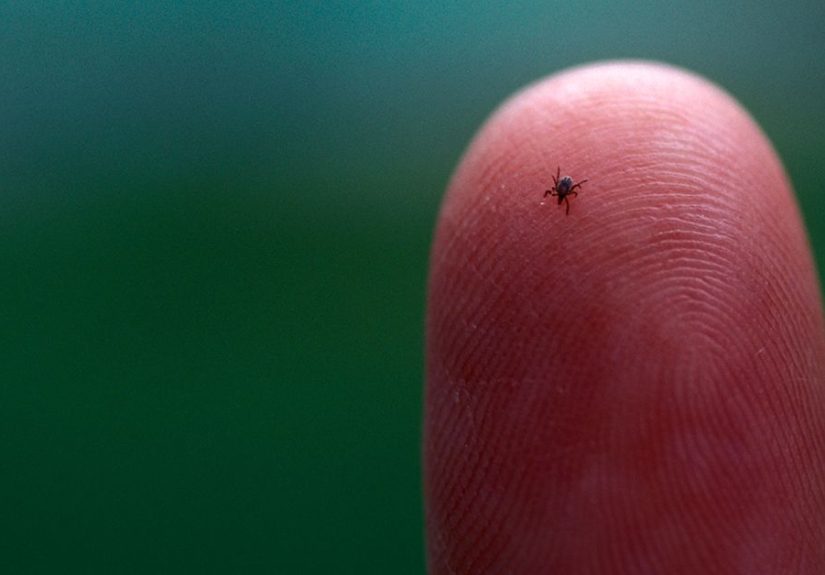
Ticks are nature’s tiniest hitchhikerspart vampire, part ninja, and fully committed to ruining a perfectly good hike.
Most tick bites are just an “ew” moment. But in parts of Europe and Asia, some ticks can transmit
tick-borne encephalitis (TBE), a viral infection that can sometimes inflame the brain and central nervous system.
Here’s the good news: TBE is not found in the United States, and most infections don’t cause symptoms.
The more realistic U.S. concern is travelespecially if you’re headed to wooded or grassy areas in places where TBE is endemic.
This guide covers the essentials: symptoms, treatment, prevention, and the outlook,
plus real-world “what it can feel like” experiences at the end.
What Is Tick-Borne Encephalitis?
Tick-borne encephalitis is caused by the tick-borne encephalitis virus (TBEV), a flavivirus (the same viral family as West Nile).
It’s transmitted primarily through the bite of an infected Ixodes tick in endemic regions stretching across parts of Europe and Asia.
Less commonly, people can get infected by consuming unpasteurized (raw) milk or dairy products from infected animals.
Where TBE Happens (and Where It Doesn’t)
TBE is a travel-related concern for Americans because it occurs in specific geographic “hot spots” in
western/northern/central/eastern Europe and northern/eastern Asia.
In contrast, it is not found in the United States. If you live in the U.S. and develop symptoms after time outdoors,
your clinician will usually think first about more common local tick-borne illnessesbut they’ll care a lot about your travel history.
How Infection Happens
- Tick bite: The most common route in endemic regions, often after time in forests, tall grass, or brushy areas.
- Raw dairy: Ingesting unpasteurized milk/cheese from infected goats, sheep, or cows (reported most often with goat milk).
- Rare routes: Laboratory exposure and other uncommon transmission scenarios can occur, but they’re not typical.
Symptoms of Tick-Borne Encephalitis
Many people infected with TBEV have no symptoms.
For those who do get sick, symptoms often appear after an incubation period of about
7–14 days (range can be roughly 4–28 days).
The “Two-Act” Illness (Biphasic Pattern)
TBE can show up as a biphasic illnessespecially with the European subtype:
an early flu-like phase, a brief improvement, then a second phase involving the nervous system.
Not everyone has two phases, but it’s a classic pattern clinicians watch for after travel.
Phase 1: Flu-Like Symptoms
In the first phase, symptoms can look annoyingly ordinary:
- Fever and chills
- Headache
- Muscle aches and fatigue
- Nausea or general “I feel gross” malaise
This phase can last a few days. Some people recover completely here and never progress.
Others get a short “intermission” where they feel better before neurologic symptoms begin.
Phase 2: Neurologic Symptoms (Meningitis/Encephalitis)
The second phase is where TBE earns its reputation.
When the central nervous system becomes involved, symptoms can escalate quickly and may include:
- Severe headache and high fever
- Neck stiffness (meningitis-style)
- Confusion, trouble concentrating, personality or behavior changes
- Sensitivity to light
- Balance problems, tremor, difficulty walking (ataxia)
- Weakness, and in severe cases, limb paresis/paralysis
- Seizures
Who Tends to Get Sicker?
Severity varies by viral subtype and individual risk factors.
In general, older adults are more likely to have severe neurologic disease and prolonged recovery.
Children may have milder patterns, but serious illness can still occur.
When Symptoms Are an Emergency
Seek urgent medical care if you (or someone you’re with) develops:
confusion, severe headache with fever, stiff neck, seizures, new weakness, trouble breathing, or trouble staying awake,
especially after travel to an area at risk for TBE.
Diagnosis: How Doctors Figure Out It’s TBE
There’s no single “yep, that’s it” symptom. Diagnosis is a combination of story + exam + testing.
Clinicians often start with a few key questions:
- Where have you traveled in the last month?
- Were you hiking, camping, hunting, or working outdoors?
- Any known tick bites? (Not remembering one does not rule it out.)
- Did you consume any raw milk/cheese while traveling?
Common Tests
- Blood tests and/or spinal fluid (CSF) tests looking for antibodies (often IgM) consistent with TBE infection.
- Lumbar puncture (spinal tap) if meningitis/encephalitis is suspected.
- Brain imaging (often MRI) to evaluate inflammation or other causes of neurologic symptoms.
- EEG if seizures or significant brain dysfunction is suspected.
Because encephalitis can have many causes, doctors also rule out other infections (and non-infectious causes)
that require different treatment. That’s one reason hospitalization is common when neurologic symptoms show up.
Treatment: What Helps (and What Doesn’t)
Here’s the frustrating part: there is no specific antiviral medication that cures tick-borne encephalitis.
Treatment is largely supportivemeaning it focuses on keeping you safe and stable while your immune system does its job.
Supportive Care for Mild Illness
- Rest and hydration
- Over-the-counter fever/pain relief as appropriate
- Monitoring for worsening symptoms
Hospital Care for Severe Disease
If the brain or spinal cord is involved, care may include:
- IV fluids and electrolyte management
- Breathing support if needed
- Medications for seizures (and monitoring for seizure activity)
- Management of brain swelling and other complications
- Physical/occupational/speech therapy during recovery
A practical point: when someone presents with suspected encephalitis, clinicians often begin treatments that cover
other serious causes (like herpes-related encephalitis) while tests are pendingbecause timing matters for those infections.
Once TBE is identified, care centers on support and rehabilitation.
Prevention: How to Avoid TBE in the First Place
Prevention is where you have real power. If you’re traveling to at-risk areas, think of it as a two-part plan:
avoid tick bites and consider vaccination if your exposure risk is high.
Tick Bite Prevention (The Outdoors Survival Checklist)
- Use EPA-registered insect repellents on exposed skin as directed (options include DEET, picaridin, IR3535, and others).
- Wear long sleeves and long pants when possible; lighter clothing can make ticks easier to spot.
- Treat clothing and gear with permethrin (or buy pre-treated items).
- Stick to clear trails and avoid brushing against tall grass or dense brush.
- Do a full-body tick check after outdoor activities and check kids and pets too.
- Shower within about 2 hours of coming indoors to help wash off unattached ticks and make tick checks easier.
If You Find a Tick
Remove it promptly and correctly:
- Use clean, fine-tipped tweezers to grasp the tick as close to the skin as possible.
- Pull upward with steady, even pressure (no twisting, no yanking).
- Clean the bite area and your hands afterward.
- Avoid folklore methods like petroleum jelly, heat, or nail polishthose can irritate the tick.
Avoid Raw Dairy in At-Risk Regions
If you’re in a region where TBE occurs, skip the unpasteurized milk and cheese.
Yes, the “farm-fresh, straight-from-the-goat” vibe is charminguntil it isn’t.
Pasteurized dairy is the safer choice.
The TBE Vaccine (TICOVAC) for U.S. Travelers
One TBE vaccine is available in the United States: TICOVAC.
Public health guidance focuses on vaccinating people who are moving to or traveling to endemic areas and
expect extensive exposure to ticks (for example, long outdoor trips, camping, fieldwork, or similar activities).
Typical schedule (U.S. guidance):
- Adults (16+): Dose 1 (day 0), Dose 2 (14 days to 3 months later), Dose 3 (5–12 months after dose 2).
- Children (1–15): Dose 1 (day 0), Dose 2 (1–3 months later), Dose 3 (5–12 months after dose 2).
- Booster: May be given at least 3 years after the primary series if ongoing exposure is expected.
Timing matters. If you’re planning travel, talk to a clinician or travel medicine clinic early enough to fit the series into your schedule.
Vaccination doesn’t replace tick precautionsit stacks protection on top of them.
Outlook: Recovery, Risks, and Long-Term Effects
The outlook for TBE varies widely. Some people experience a mild illness and recover fully.
Others develop neuroinvasive disease that requires hospitalization and prolonged rehabilitation.
Outcomes depend on factors like viral subtype, age, and the severity of neurologic involvement.
How Severe Can It Get?
Reported death rates and long-term neurologic effects vary by subtype and setting.
In general, the European subtype is associated with milder disease than the Far Eastern subtype.
Even among survivors, a meaningful portion of patients can experience lingering issues such as:
- Persistent fatigue or headaches
- Memory and concentration difficulties
- Sleep disruption
- Mood changes (anxiety, irritability, low mood)
- Balance problems or tremor
- Weakness, and in some cases, longer-term paresis
What “Recovery” Can Really Mean
Recovery isn’t always a straight line. Many people improve substantially over time, but rehabilitation may be neededespecially after severe encephalitis.
Follow-up care often includes neurology visits, physical therapy, and practical supports (sleep strategies, cognitive rehab, graded return to activity).
When to Talk to a Clinician (Even If You’re Not Sure)
Consider medical evaluation if you’ve traveled to an area at risk for TBE and develop fever and significant headache within a month of being outdoors,
especially if symptoms worsen or return after a brief improvement. And don’t wait if neurologic symptoms appear.
Experiences With Tick-Borne Encephalitis (Real-World Snapshots)
The stories below are composite scenarios based on commonly described clinical patterns and patient experiences reported in medical guidance and case literature.
They’re meant to help you recognize how TBE can unfold in real lifewithout pretending every case looks identical.
1) “It Felt Like the Flu… Until It Didn’t.”
A traveler spends a week hiking and picnicking in a forested region during late spring. A few days after returning home,
they develop fever, muscle aches, and a headache that feels like a standard viral bug. They rest, hydrate, and start to feel better.
Thenafter a short breaksymptoms roar back with a vengeance: higher fever, intense headache, and new light sensitivity.
Family notices confusion: wrong words, foggy thinking, and slow responses. In the emergency department, the travel history becomes the “aha” detail.
A spinal fluid test suggests inflammation, and the patient is admitted for monitoring and supportive care.
2) The Surprise “Farm-To-Table” Twist
Another person skips the hiking but embraces local food: fresh cheeses, raw-milk samples, and a “how bad could it be?” tasting flight.
They never recall a tick bite. A week or two later they develop fever and fatigue, then improve briefly.
When the second wave hits, it’s neurologicalstiff neck, pounding headache, and trouble balancing when walking.
The patient is shocked to learn that, in at-risk areas, unpasteurized dairy can occasionally transmit TBE.
Their recovery is steady but slow, and they later describe a frustrating “brain fog” period where concentration is the hardest part.
3) The Vaccine Decision: Planning Ahead Pays Off
A graduate student is preparing for fieldwork in a rural endemic regionweeks of collecting samples outdoors.
Their travel clinic visit happens early, not two days before departure (gold star).
After reviewing risk, they start the TBE vaccine series and still build a tick-prevention routine:
permethrin-treated clothing, repellents, daily tick checks, and a strict “shower + laundry” habit after field days.
They finish the trip without illness. Their biggest complaint? The ticks that tried and failed to crash the partyand the annoying discipline of daily checks.
It’s not glamorous, but it’s effective.
4) The Long Recovery: Rehabilitation Is Part of the Treatment
In severe cases, people describe recovery like rebuilding a house after a stormone careful step at a time.
After hospitalization, a patient may need physical therapy to regain balance and strength, and cognitive rehab for memory and attention.
Some days feel normal; others feel like walking through mud. Families often say the invisible symptomsfatigue, mood changes, sleep disruption
are the hardest to explain to friends and coworkers. Improvement can continue for months, especially with structured rehab and pacing.
The takeaway patients repeat: pushing too hard too fast can backfire, but steady, supported progress adds up.
Conclusion
Tick-borne encephalitis is uncommon for Americans day-to-day because it’s not found in the U.S.,
but it matters for travelers who plan serious outdoor time in endemic parts of Europe and Asia.
The illness can be mildor it can become neuroinvasive and require hospitalization.
Since there’s no specific cure, prevention is the main strategy: avoid tick bites, skip raw dairy in at-risk regions,
and consider vaccination if you’re likely to have extensive tick exposure.
If you develop fever and neurologic symptoms after travel, don’t tough it outget evaluated promptly.