Table of Contents >> Show >> Hide
- What Did Tom Brady Say About the Roast?
- Why Kevin Hart’s Jokes Became Part of the Story
- The Netflix Roast Was Built to Be Brutal
- Why the Jokes About Gisele Bündchen Hit Differently
- Tom Brady’s Locker Room Explanation
- Did the Roast Cross a Line?
- What This Says About Celebrity Parenting
- The Public Reaction: Sympathy, Criticism, and the Internet Doing Internet Things
- Why This Story Still Matters
- Experience-Based Reflection: What Parents Can Learn From the Tom Brady Roast
- Conclusion
Tom Brady has been tackled by 300-pound defenders, booed in hostile stadiums, questioned during scandals, chased by pass rushers, and roasted by comedians in front of millions. But according to Brady himself, one of the hardest hits came after the lights went down: realizing that jokes from his high-profile roast had hurt his children’s feelings.
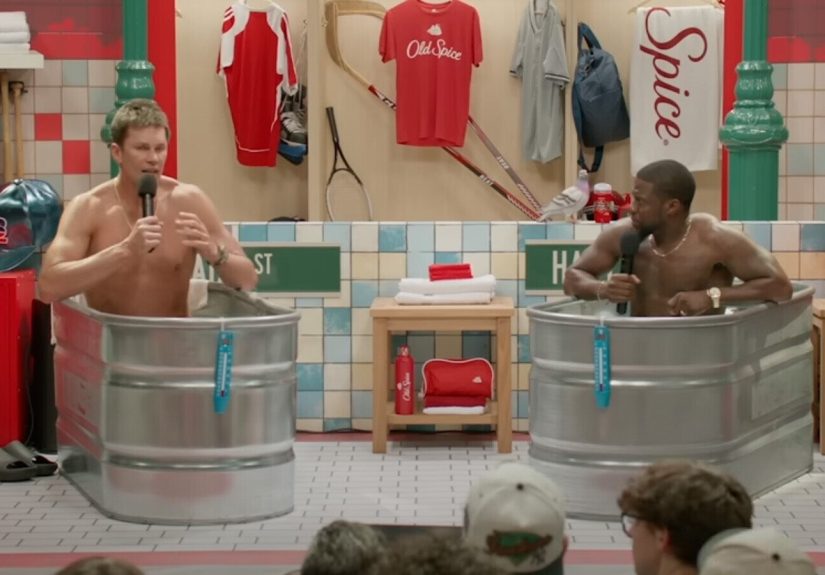
The headline may sound like it belongs to the old-school era of Comedy Central roasts, where celebrities sat under stage lights and pretended not to sweat through their designer suits. But the event in question was actually Netflix’s live special, The Greatest Roast of All Time: Tom Brady, hosted by Kevin Hart in May 2024. It was loud, star-packed, blunt, and designed to do exactly what roasts do: turn a famous person’s public life into a piñata.
For Brady, the jokes about football were fair game. The seven Super Bowl rings? Fair game. The Patriots dynasty? Fair game. The unretirement with the Tampa Bay Buccaneers? Definitely fair game. But when the material moved into his divorce from Gisele Bündchen, her relationship with Joaquim Valente, and family matters, the aftershock reached beyond the stage. Brady later admitted that although he personally enjoyed much of the comedy, he did not like the way it affected his kids.
That confession turned a celebrity comedy special into a bigger conversation about fame, parenting, public humor, and the thin line between “it’s just a joke” and “someone’s children have to hear this at school tomorrow.” In other words, the roast did not end when the credits rolled. It followed Brady home.
What Did Tom Brady Say About the Roast?
Brady has spoken more than once about his mixed feelings after the roast. His basic message has been consistent: he enjoys being mocked, especially when the joke is on him, but he underestimated how deeply family-related jokes could affect his children.
During later interviews, Brady explained that he loved when people made fun of him because it showed comfort and familiarity. That makes sense for a former NFL quarterback who spent decades inside locker rooms, where playful insults are practically a second language. Professional athletes roast each other over haircuts, mistakes, bad outfits, missed tackles, and anything else with a pulse. In that environment, if nobody makes fun of you, that might be the real insult.
But parenthood changes the scoreboard. Brady said the hard part was realizing that he had kids whose feelings were hurt by the jokes. He also said he did not think about those consequences beforehand and learned a lesson from the experience. That is not exactly the kind of postgame analysis fans are used to hearing from him, but it may be one of his most human.
On another podcast appearance, Brady described the roast as “tough” on his kids and recalled that they asked him why he participated. That question, simple as it sounds, cuts through all the celebrity noise. Kids are not entertainment executives. They are not comedy critics. They do not care whether a joke landed with an audience of adults. They care that people were laughing about their parents.
Why Kevin Hart’s Jokes Became Part of the Story
Kevin Hart hosted the Netflix special, which meant he set the tone for the night. Hart is a veteran comic with a fast delivery, huge stage presence, and a talent for turning discomfort into laughs. At the roast, he leaned into Brady’s personal life, including Brady’s divorce from Bündchen and his final NFL chapter.
To be clear, Hart was not the only person making sharp jokes. The roast featured comedians, former teammates, and celebrity guests who all took swings. Nikki Glaser, Jeff Ross, Rob Gronkowski, Julian Edelman, Drew Bledsoe, Kim Kardashian, and others contributed to the night’s chaotic energy. Still, because Hart hosted and opened the show, his material carried extra weight.
Hart later said he understood Brady’s protective reaction as a father, but he also defended the spirit of roast comedy. His view was that comedy sometimes needs space to be bold and uncomfortable. That argument is not new. Roasts have always lived in the danger zone between affection and insult. The entire format depends on the audience believing the target can take it.
The trouble is that Brady could take it. His kids were the ones Brady said were affected.
The Netflix Roast Was Built to Be Brutal
The Greatest Roast of All Time: Tom Brady streamed live from the Kia Forum in Inglewood, California, as part of Netflix Is a Joke Fest. The special was marketed as a major live comedy event, not a quiet fireside chat with light teasing and complimentary herbal tea.
Netflix described it as “full-contact comedy,” which is a perfect phrase because the roast treated jokes like blitz packages. The production brought together sports icons, comedians, celebrities, and Brady’s former teammates. It was long, unedited, and built around the thrill of watching one of the most accomplished athletes in American sports history sit there while people said the things fans whisper online.
That format created immediate buzz. The special became one of Netflix’s most talked-about comedy events of 2024, helped by Brady’s fame, Hart’s hosting, Glaser’s breakout performance, and several viral moments. But the same ingredients that made it a streaming hit also made it emotionally complicated.
A roast works best when the target is powerful, willing, and in on the joke. Brady checked all three boxes. He agreed to be there. He executive produced the event. He laughed through much of it. But his ex-wife and children did not sign up to sit in the hot seat, even if they became part of the material.
Why the Jokes About Gisele Bündchen Hit Differently
Many of the jokes that generated backlash focused on Brady’s divorce from Gisele Bündchen. The former couple finalized their divorce in 2022 after 13 years of marriage. They share two children, Benjamin and Vivian. Brady also has an older son, Jack, with actress Bridget Moynahan.
Divorce jokes are common in celebrity comedy, but they are rarely simple for families. When a public breakup becomes comedy material, adults may shrug it off. Children may not. For them, the people being joked about are not tabloid characters. They are Mom and Dad.
Reports after the roast said Bündchen was disappointed by the way her family was portrayed. That reaction added another layer to the conversation. Even if Brady had agreed to the roast, the jokes touched people who were not on stage and could not respond in the same setting.
This is where the roast became more than entertainment gossip. It raised a fair question: When a famous person consents to being mocked, does that consent extend to the people connected to them? Legally and professionally, the answer may be complicated. Emotionally, the answer is easier. Families feel the impact whether they signed a release form or not.
Tom Brady’s Locker Room Explanation
Brady has repeatedly framed his comfort with jokes through the lens of locker room culture. After all, he spent more than two decades in the NFL, where players often use teasing as bonding. If you throw an interception, someone will mention it. If you wear a questionable outfit, someone will mention it. If you dance badly, congratulations, that video now belongs to the team forever.
That background helps explain why Brady expected to enjoy the roast. To him, being teased can signal trust. It can mean people are comfortable enough around you to stop treating you like a statue. For an athlete who has been called the GOAT so many times that actual goats should start charging royalties, being laughed at may even feel refreshing.
But the locker room has boundaries too. It is a closed space. The jokes usually stay among people who share the same environment. A Netflix special is different. It is global, searchable, clip-friendly, and permanent enough to show up whenever someone types your name into a search bar.
That difference matters. A locker room joke disappears after practice. A viral roast joke can become a headline, a TikTok clip, a school conversation, and a family dinner topic. Brady seemed to realize that after the fact.
Did the Roast Cross a Line?
Whether the roast crossed a line depends on whom you ask. Comedy fans may argue that the whole point of a roast is to go too far, then somehow make the audience laugh anyway. Roasts are not acceptance speeches. Nobody tunes in hoping to hear, “Tom, your punctuality and hydration habits are inspiring.”
Others argue that jokes about ex-spouses and children-adjacent family matters are a different category. The children were reportedly not the direct targets of the jokes, and comedians have said they avoided making Brady’s kids the subject. Still, a joke does not need to target children directly to affect them. If the punchline is about their parent, their home life, or their family history, they can still feel it.
The most reasonable answer is that both things can be true. The roast can be a major comedy success and still have caused real discomfort. Hart can defend the value of bold comedy while Brady can regret the family consequences. Audiences can laugh at a joke on Sunday night and reconsider its impact by Monday morning.
That tension is exactly why the story lasted. It was not just “Tom Brady got roasted.” It was “Tom Brady discovered that public jokes can have private consequences.”
What This Says About Celebrity Parenting
Celebrity parenting comes with a strange math problem: one parent’s career choice can become a child’s public burden. A famous athlete may appear on a special for fun, branding, money, or cultural relevance. But the child may be the one answering awkward questions from classmates.
Brady’s comments show the challenge of being both a public figure and a parent. Public figures often develop thick skin because criticism is part of the job. Children do not automatically inherit that armor. They may be proud of a famous parent, but they may also want that parent to be normal, boring, and unavailable for national mockery.
There is also a timing issue. Brady’s children are old enough to understand what people are saying, but young enough for those comments to feel deeply personal. Teenagers and preteens live in a world where online jokes travel fast. A viral clip is not just entertainment; it can become social currency at school.
Brady’s regret, then, is not weakness. It is awareness. He is not saying comedy should disappear. He is saying he did not fully consider how the night would land with the people closest to him.
The Public Reaction: Sympathy, Criticism, and the Internet Doing Internet Things
Public reaction to Brady’s comments was divided, because of course it was. The internet sees nuance and immediately asks it to leave the room.
Some people sympathized with Brady. They saw a parent admitting he made a mistake and respected the honesty. In a culture where celebrities often release polished statements that sound like they were assembled by five lawyers and a humidifier, Brady’s reflection felt unusually direct.
Others criticized him. Their argument was simple: he agreed to the roast, helped produce it, and should have known that comedians would not politely stop at completion percentage and Super Bowl trivia. To those critics, Brady’s regret sounded like buyer’s remorse after the jokes landed too close to home.
Both reactions are understandable. Brady is not an innocent bystander. He participated willingly. At the same time, people often learn the emotional cost of a decision only after it affects someone they love. That is not hypocrisy; that is being human, which is inconvenient for anyone trying to keep a hot take under 280 characters.
Why This Story Still Matters
The Brady roast story matters because it sits at the intersection of comedy, family, sports fame, streaming culture, and parenting in the digital age. It is not just about whether Kevin Hart told harsh jokes. It is about what happens when private family history becomes public entertainment.
Streaming platforms love live events because they create urgency. Celebrity roasts love personal material because it gets reactions. Social media loves controversy because outrage and laughter both drive clicks. Put those together, and you get a cultural moment that burns bright and leaves smoke behind.
For Brady, the smoke reached his family. For Hart, the debate became part of a larger defense of comedy. For viewers, the moment became a reminder that the people inside celebrity stories are still families, not just characters in a public drama.
Experience-Based Reflection: What Parents Can Learn From the Tom Brady Roast
Most parents will never sit on a stage while Kevin Hart jokes about their divorce in front of a global streaming audience. That is good news, because school pickup is stressful enough without Netflix cameras. But the lesson from Brady’s experience applies far beyond celebrities.
Many parents have had a smaller version of this moment. Maybe you told a funny story about your child at a family gathering, only to realize later that they felt embarrassed. Maybe you posted a cute photo online and your teenager reacted like you had committed a federal offense. Maybe you joked about an ex-partner within earshot of your kids and saw their face change. The scale is different, but the emotional lesson is similar: what feels harmless to adults can feel huge to children.
Children often hear jokes differently because they are still building their sense of identity and safety. Adults may understand sarcasm, exaggeration, and performance. Kids may hear disrespect, conflict, or rejection. A joke about Mom or Dad may not sound like comedy to them. It may sound like people are laughing at their family.
That does not mean parents need to become humorless robots. Please do not. The world has enough awkward silence. Humor is healthy. Families need laughter. Kids benefit from seeing adults laugh at themselves, admit mistakes, and not treat every inconvenience like a weather emergency. But humor works best when it does not make children feel exposed.
One practical takeaway is to think about the “second audience.” The first audience is whoever hears the joke in the moment. The second audience is the person affected by it later. Before sharing a family story, posting online, or making a joke about a sensitive subject, it helps to ask: How would my child feel if this were repeated by someone else? Would they laugh, cringe, or feel betrayed?
Another lesson is that apologies matter more than perfect judgment. Brady admitted he did not fully think through the consequences. That kind of admission can be powerful in a family. Parents do not need to pretend every decision was flawless. In fact, children often learn more from a parent saying, “I got that wrong,” than from a parent trying to defend every mistake like it is a fourth-quarter lead.
There is also a co-parenting lesson here. When parents are separated or divorced, jokes about the other parent can land hard on children. Even if the adults have tension, children often feel loyal to both sides. Public criticism, sarcasm, or casual digs can make them feel stuck in the middle. The Brady roast showed that even when jokes are made by comedians, children may still feel protective of their parents.
Finally, the story reminds us that toughness is not the same as numbness. Brady built a career on resilience. He knows pressure. He knows criticism. But his children’s pain affected him in a way no defensive coordinator could. That is not a contradiction. It is parenthood. You can handle the world booing you and still feel crushed when your child says, “Why did you do that?”
In the end, the most useful lesson is simple: laughter is wonderful, but love gets the final edit. If a joke costs trust at home, it may not be worth the applause outside.
Conclusion
Tom Brady’s comments about Kevin Hart’s roast jokes hurting his children’s feelings turned a flashy Netflix comedy event into a thoughtful conversation about parenting, privacy, and the limits of public humor. Brady did not reject comedy. He made it clear that he enjoys being the joke when the joke is truly about him. What changed his perspective was seeing how material about his family affected his kids.
The roast succeeded as entertainment, but it also became a case study in modern fame. In a world where jokes become clips, clips become headlines, and headlines become playground conversations, public figures have to think beyond the stage. Brady learned that lesson in a very public way.
For fans, parents, and anyone who has ever laughed first and thought later, the takeaway is not that comedy should be wrapped in bubble wrap. It is that humor has a ripple effect. The best jokes may sting, but they should not leave the people we love carrying the bruise.