Table of Contents >> Show >> Hide
- Quick Verdict: The Best Electric Pressure Washers for 2025
- How We Evaluated the Top-Rated Electric High Pressure Washers
- Best Overall: Greenworks Pro 3000 PSI Brushless Electric Pressure Washer
- Best Compact Everyday Washer: Ryobi 1900 PSI 1.2 GPM Electric Pressure Washer
- Best Value Pick: Craftsman CMEPW2100 Electric Pressure Washer
- Best Maneuverability: Westinghouse ePX3500
- Best for Car Detailing: Active 2.0 Electric Pressure Washer
- Best Quiet Premium Option: Kärcher K5 Premium
- Electric vs. Gas Pressure Washers: Which Should You Buy?
- What PSI Do You Really Need?
- Nozzles Matter More Than Beginners Think
- Safety Tips Before You Start Spraying
- Buying Guide: How to Choose the Best Electric Pressure Washer in 2025
- Our Final Ranking
- Conclusion: Which Electric High Pressure Washer Should You Buy?
- Real-World Experience Notes: What It Feels Like to Use a Top Electric Pressure Washer
There are two kinds of homeowners: those who see a grimy driveway and think, “That has character,” and those who immediately start comparing electric high pressure washers like they are drafting a fantasy football team. If you are in the second group, welcome. Your patio furniture is about to look younger than your phone.
The best electric high pressure washers in 2025 have become surprisingly capable. They are quieter than gas models, easier to store, simpler to start, and less dramatic than anything involving gasoline, choke levers, or mysterious engine noises. For most homeowners, a quality electric pressure washer can handle cars, decks, fences, siding, patios, outdoor furniture, trash bins, garage floors, and lightly stained concrete without making the neighborhood sound like a small airport.
Still, not every shiny pressure washer deserves your weekend money. Some advertise huge “max PSI” numbers but deliver less useful cleaning power in real life. Others have short hoses, awkward wheels, weak soap systems, or spray nozzles that turn beginner cleaning into an accidental paint-removal experiment. This guide breaks down the top-rated electric pressure washers tested and reviewed in 2025, what they do best, and how to choose one without being hypnotized by big numbers on the box.
Quick Verdict: The Best Electric Pressure Washers for 2025
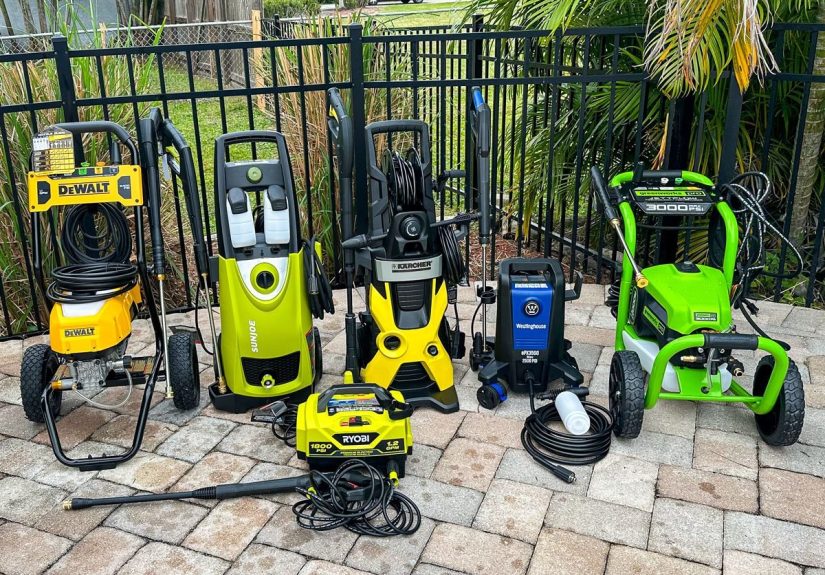
If you want the strongest all-around residential electric model, the Greenworks Pro 3000 PSI Brushless Electric Pressure Washer is the headline act. It offers serious power, strong flow, a brushless motor, multiple nozzles, and the kind of cleaning performance that makes old concrete wonder what year it is.
If you want a compact, beginner-friendly machine for patios, cars, railings, and general home cleanup, the Ryobi 1900 PSI 1.2 GPM Electric Pressure Washer is a smart light-duty pick. It is not designed to bully oil stains out of a driveway, but it is easy to move, easy to store, and strong enough for routine household jobs.
If you want value with good everyday power, the Craftsman CMEPW2100 deserves a close look. It offers 2100 PSI, a 1.2 GPM flow rating, onboard storage, a 35-foot power cord, and enough versatility for cars, walkways, outdoor chairs, and siding.
If you want maneuverability above all else, the Westinghouse ePX3500 is a fun little cart-style washer with four 360-degree wheels, a low center of gravity, five nozzle tips, and a compact body that stores more easily than many upright models.
If your main goal is car washing, the Active 2.0 Electric Pressure Washer is a detailer-friendly option. It emphasizes useful water flow and paint-safe pressure rather than trying to win a driveway demolition contest.
How We Evaluated the Top-Rated Electric High Pressure Washers
To separate the real performers from the “loud box with hose attached” crowd, the strongest 2025 recommendations were compared across several practical factors: cleaning performance, PSI and GPM balance, ease of setup, nozzle variety, hose length, portability, storage, soap application, build quality, safety history, and value for the price.
PSI, or pounds per square inch, tells you how forcefully water hits the surface. GPM, or gallons per minute, tells you how much water the machine moves. The magic happens when pressure and flow work together. A washer with high pressure but weak flow can feel like cleaning a driveway with a very angry drinking straw. A washer with balanced PSI and GPM rinses faster, clears loosened grime better, and makes big jobs less tedious.
For most homeowners, the sweet spot is usually between 1,800 and 3,000 PSI. Lower-powered electric washers are great for cars, outdoor furniture, and light patio cleaning. Stronger electric models can handle fences, decks, brick, siding, and dirty concrete. Very stubborn oil stains, paint stripping, and commercial work may still call for gas power or a professional setup.
Best Overall: Greenworks Pro 3000 PSI Brushless Electric Pressure Washer
The Greenworks Pro 3000 PSI is the electric pressure washer that keeps showing up near the top of serious test roundups, and for good reason. It offers up to 3000 PSI, up to 2.0 GPM at lower pressure, a brushless motor, a 25-foot kink-resistant steel-braided hose, and multiple nozzle tips including soap and turbo options.
Why It Stands Out
This model feels like the bridge between typical homeowner electric washers and lighter gas pressure washers. It has enough muscle for dirty concrete, weathered decks, grimy siding, and neglected patio surfaces. The brushless motor helps with efficiency and durability, while smart pressure adjustment based on nozzle choice makes it easier to use without constantly guessing.
The Greenworks Pro 3000 is especially appealing if you want one machine that can clean almost everything around the house. It is not as quiet as the gentlest electric models, and it costs more than entry-level options, but it earns that price by cutting cleaning time. A weak pressure washer makes you slowly “draw” clean lines like you are restoring a sidewalk with a toothbrush. This one gets the job moving.
Best For
Choose this model for driveways, patios, brick, fencing, decks, siding, garage floors, and larger homes where cleaning speed matters. It is also a smart pick for homeowners who want gas-like confidence without gas-like maintenance.
Best Compact Everyday Washer: Ryobi 1900 PSI 1.2 GPM Electric Pressure Washer
The Ryobi 1900 PSI 1.2 GPM electric washer is a practical, compact machine for people who want easy cleaning without wrestling a bulky unit out of storage. Its pressure rating is modest compared with the biggest electric washers, but real-world testing has shown that it can clean cement, cars, patio furniture, metal railings, and stucco surprisingly well.
Why It Works
Its best feature is usability. It has wheels, a telescoping handle, onboard storage, and a compact shape that makes it less annoying to move around. That matters more than many buyers realize. The best pressure washer is not the one with the biggest number on the box; it is the one you will actually pull out, connect, use, and put away without inventing three new swear words.
Because this Ryobi model is lighter-duty, it is best for routine cleaning rather than heavy restoration. It can brighten a dirty porch, wash outdoor furniture, clean a car, and remove seasonal grime. It is not the first pick for deep oil stains or large concrete slabs.
Important Safety Note
Ryobi had a major 2025 recall affecting certain older electric pressure washer models, specifically RY142300 and RY142711VNM. That does not mean every Ryobi washer is unsafe, but it does mean buyers should always check the exact model number, recall status, and purchase date before using or buying a used unit.
Best Value Pick: Craftsman CMEPW2100 Electric Pressure Washer
The Craftsman CMEPW2100 is a strong middle-ground electric pressure washer for homeowners who want useful power without paying premium prices. It delivers 2100 PSI at 1.2 GPM, includes a 35-foot power cord, has onboard storage, and comes with multiple nozzles for different cleaning tasks.
Why It Is a Smart Buy
Craftsman gets the basics right. The machine is powerful enough for cars, sidewalks, patios, siding, outdoor equipment, and furniture. The integrated soap tank is handy for washing vehicles or applying cleaner to grimy surfaces before rinsing. The 10-inch wheels make it easier to move across rough outdoor areas than tiny plastic wheels that behave like they are afraid of gravel.
It is not the most powerful electric washer in this guide, but it is balanced. For many homeowners, that is exactly what makes it appealing. You get enough pressure for weekend cleaning, enough reach to work around a vehicle or patio, and enough storage organization to avoid the classic “where did I put the nozzle?” scavenger hunt.
Best Maneuverability: Westinghouse ePX3500
The Westinghouse ePX3500 is built for people who value compact storage and easy movement. It delivers 2500 max PSI, 1.76 max GPM, 2000 rated PSI, and 1.2 rated GPM. It also uses four quick-lock wheels with 360-degree steering, giving it a low, stable, roll-around design that is different from most upright pressure washers.
What Makes It Different
Instead of dragging behind you like a stubborn suitcase, the ePX3500 glides around patios, driveways, and vehicles with impressive agility. It weighs about 19 pounds, has a low center of gravity, includes five quick-connect nozzles, and uses an onboard soap tank. For smaller homes, townhouses, and garages where storage space is precious, this design is a major advantage.
The ePX3500 is not the king of raw power, but it is one of the easiest electric pressure washers to live with. It is ideal for car washing, patio furniture, fences, trash cans, walkways, and quick cleanup jobs where convenience matters as much as force.
Best for Car Detailing: Active 2.0 Electric Pressure Washer
The Active 2.0 has earned attention among car enthusiasts because it focuses on a paint-safe balance of pressure and water flow. Many car owners do not need extreme PSI. In fact, too much pressure used incorrectly can damage paint, trim, decals, or older finishes. What detailers often want is steady flow, foam cannon compatibility, compact storage, and predictable spray behavior.
Why Car Owners Like It
The Active 2.0 is compact, easy to store, and tuned for washing vehicles efficiently. It is not the best choice for blasting years of grime off a large driveway, but it shines when paired with a foam cannon, quality car soap, and a safe wash routine. Keep the nozzle at least 12 inches from paint, use a wide-angle tip, and let the soap do the dirty work before rinsing.
If your weekend ritual involves cleaning wheels, rinsing floor mats, foaming the family SUV, and pretending your garage is a professional detail bay, this is one of the most enjoyable electric pressure washers to own.
Best Quiet Premium Option: Kärcher K5 Premium
The Kärcher K5 Premium is a long-running favorite in the electric pressure washer category. It delivers 2000 PSI, uses a water-cooled induction motor, includes a 25-foot high-pressure hose, and comes with Kärcher’s Vario Power Spray wand and DirtBlaster turbo wand.
Its biggest advantage is refinement. The water-cooled induction motor is designed for longer life and lower noise, while the onboard hose reel keeps storage neat. It is not always the cheapest option, but it suits buyers who want a smoother, more polished pressure-washing experience.
The K5 is especially good for siding, fences, patio surfaces, outdoor tools, and general household cleaning. It is powerful enough for most residential jobs but civilized enough that using it does not feel like operating construction equipment.
Electric vs. Gas Pressure Washers: Which Should You Buy?
For most households, electric is the better choice. Electric pressure washers are easier to start, lighter, quieter, cleaner, and simpler to maintain. There is no gasoline to store, no oil to change, no fumes, and no pull cord. Press a button, pull the trigger, and you are cleaning.
Gas pressure washers still win for the toughest jobs. If you clean huge driveways, strip paint, remove heavy oil stains, or work commercially, gas power offers higher PSI and GPM. But for cars, decks, fences, patios, siding, furniture, and seasonal cleanup, a good electric model is usually more than enough.
What PSI Do You Really Need?
For cars, outdoor furniture, grills, trash bins, and bikes, look for about 1,500 to 2,000 PSI. For patios, fences, siding, and walkways, 1,900 to 2,500 PSI is a comfortable range. For dirty concrete, brick, larger decks, and tougher buildup, consider 2,500 to 3,000 PSI with healthy water flow.
Do not chase PSI alone. A pressure washer with 3000 PSI but poor GPM may clean more slowly than a balanced machine with slightly lower pressure and better flow. Also, always check whether a brand is listing “max” numbers or rated working numbers. Rated PSI and GPM are more useful for comparing real cleaning performance.
Nozzles Matter More Than Beginners Think
Nozzles control the spray angle and intensity. A 40-degree nozzle is gentle and good for cars, windows, and delicate surfaces. A 25-degree nozzle is a versatile choice for decks, furniture, and siding. A 15-degree nozzle adds bite for concrete and stubborn grime. A turbo nozzle spins a concentrated spray and can clean aggressively. A soap nozzle applies detergent at low pressure.
The 0-degree nozzle, when included, should be treated like a tiny water laser with anger issues. It can damage wood, strip paint, scar softer materials, and create injury risks. Most homeowners rarely need it.
Safety Tips Before You Start Spraying
Wear closed-toe shoes and eye protection. Start with the widest practical nozzle. Test an inconspicuous area first. Keep the spray moving. Do not aim at people, pets, electrical fixtures, windows, painted surfaces at close range, or your own foot just to “see how strong it is.” Spoiler: strong enough.
For electric models, keep cords away from water runoff, avoid damaged extension cords, and use properly grounded outlets. Many electric pressure washers include GFCI protection, but safe cord management still matters. Water and electricity are not a comedy duo.
Buying Guide: How to Choose the Best Electric Pressure Washer in 2025
1. Match the Washer to Your Main Job
For car washing, prioritize flow, gentle nozzles, and foam cannon compatibility. For concrete, prioritize higher PSI and a surface cleaner attachment. For decks and fences, choose adjustable pressure and avoid overly aggressive nozzles.
2. Check Hose and Cord Length
A 25-foot hose and 35-foot power cord make life easier. Short hoses force constant repositioning, which turns a quick cleaning job into a dance routine nobody asked for.
3. Look for Onboard Storage
Nozzle clips, hose hooks, wand brackets, and cord wraps are small details that make a big difference. Good storage keeps accessories together and prevents the garage from becoming a pressure-washer parts museum.
4. Consider Weight and Wheels
If you have steps, gravel, slopes, or limited storage, choose a lighter model or one with better wheels. Big wheels help on uneven ground; compact cart-style washers help in tight spaces.
5. Verify Recalls and Model Numbers
Before buying used or discounted old stock, check the exact model number. The 2025 Ryobi recall is a reminder that safety history matters, especially with electrical components and high-pressure equipment.
Our Final Ranking
- Greenworks Pro 3000 PSI Best overall electric high pressure washer for power and versatility.
- Ryobi 1900 PSI 1.2 GPM Best compact everyday washer for routine home cleaning.
- Craftsman CMEPW2100 Best value for balanced residential performance.
- Westinghouse ePX3500 Best maneuverability and compact storage.
- Active 2.0 Best electric pressure washer for car detailing.
- Kärcher K5 Premium Best refined premium washer for quieter residential use.
Conclusion: Which Electric High Pressure Washer Should You Buy?
The best electric high pressure washer in 2025 depends on your cleaning style. If you want the strongest one-machine solution for concrete, siding, decks, and big weekend projects, buy the Greenworks Pro 3000 PSI. If you want simple, compact, affordable cleaning for cars, patios, and furniture, the Ryobi 1900 PSI is a practical pick, as long as you confirm the exact model is not part of any recall. If value matters most, Craftsman’s CMEPW2100 gives you a reliable middle path. For tight storage and easy movement, Westinghouse is delightfully nimble. For car lovers, Active 2.0 is the foam-friendly favorite.
The big lesson is simple: do not buy by PSI alone. Look at GPM, rated performance, nozzle options, hose quality, portability, safety history, and how you actually plan to use the machine. A good electric pressure washer should make outdoor cleaning faster, easier, and oddly satisfying. Few homeowner tools deliver such instant gratification. One minute the patio looks haunted; the next, it looks ready for lemonade and smug before-and-after photos.
Real-World Experience Notes: What It Feels Like to Use a Top Electric Pressure Washer
The first thing most people notice when switching from a garden hose to an electric high pressure washer is not just the power. It is the speed of visible results. A dirty patio chair goes from gray-green swamp relic to “actually, this still looks pretty good” in a minute or two. A trash bin that has seen unspeakable summer events suddenly becomes acceptable to approach without emotional preparation. That quick transformation is why pressure washing feels less like cleaning and more like outdoor magic with a plug.
For cars, the experience is best when you resist the urge to use maximum force. A wide nozzle, safe distance, and good car soap matter more than aggression. The most enjoyable setup is a washer with steady flow, a flexible hose, and a foam cannon. Cover the car in thick foam, let the soap loosen dust and road film, then rinse from top to bottom. It feels professional, even if you are wearing old flip-flops and dodging your neighbor’s curious stare. Just avoid blasting directly at sensors, trim edges, loose paint, and delicate decals.
For concrete, patience matters. Even powerful electric washers work best when paired with slow, overlapping passes. The first pass cuts the main grime; the second evens out streaks. A surface cleaner attachment can make a huge difference on large driveways and patios because it reduces striping. Without one, beginners often create “zebra concrete,” where every pass is visible. It is not the end of the world, but it does make your driveway look like it is wearing pajamas.
Decks and fences require more caution. Wood can look tough, but concentrated pressure can scar it quickly. Start with a wider nozzle, stand farther back, and test a hidden area. If the washer starts raising wood grain or leaving fuzzy marks, back off immediately. Detergent and dwell time are safer than brute force. Let cleaner do the chemistry; let water do the rinsing. Your deck is not a frying pan, and it does not need to be scraped into submission.
Hose management is the least glamorous part of pressure washing, but it affects the whole experience. A stiff hose tangles, kinks, and catches on tires, planters, steps, and anything else nearby. A better hose makes the machine feel twice as nice. The same goes for cord length. If your outlet is far from the driveway, plan your route before spraying. Keep the power cord behind you, keep water runoff away from connections, and avoid creating a spaghetti pile of hose and cable under your feet.
Soap tanks are helpful, but they are not all equal. Some onboard tanks are great for light detergent application; others feel like decorative plastic optimism. For cars, many users prefer a separate foam cannon. For siding and patios, a pressure-washer-safe cleaner can help loosen mildew, pollen, and greasy grime before rinsing. Never use harsh chemicals unless the machine manual and surface label say it is safe. The wrong cleaner can damage seals, stain surfaces, or turn a simple Saturday chore into a hardware-store apology tour.
Storage also becomes part of ownership. A pressure washer with onboard nozzle storage, wand clips, and a tidy cord wrap is much more pleasant after the job is done. The job is not really finished until the hose is drained, the machine is dry, and the nozzles are back where they belong. Skip that step and you will spend next spring searching for the 25-degree tip in a garage drawer full of batteries, zip ties, and ancient mystery screws.
Overall, a top-rated electric pressure washer is one of the most satisfying homeowner tools because the payoff is immediate. It makes old surfaces look refreshed, saves money on occasional cleaning jobs, and encourages you to maintain outdoor spaces before grime becomes permanent. The best model is not necessarily the most powerful one. It is the washer that fits your projects, your storage space, your patience level, and your willingness to say, “I’ll just clean one more thing,” six times in a row.
Note: Product specifications, prices, availability, and recall status can change. Before purchasing or using any electric high pressure washer, verify the exact model number, current safety notices, warranty details, and rated PSI/GPM from the manufacturer or retailer.