Table of Contents >> Show >> Hide
- What “Outdoors In” Really Means (and Why It Keeps Trending)
- The Big Idea: Biophilic Design, But Make It Livable
- Five Gardenista-Style Moves for Bringing Outdoors In
- Room-by-Room: Outdoors In Ideas That Don’t Feel Like a Craft Store Explosion
- Small-Space Outdoors In: Apartment-Friendly, Landlord-Neutral
- The Practical Outdoors In: Keeping Plants Alive (and Your Sanity Intact)
- A Few “Outdoors In” Moments Worth Stealing (Gardenista-Style)
- Conclusion: Outdoors In Is a Mood, Not a Project
- Experiences You’ll Recognize: Living the “Outdoors In” Theme Day-to-Day (Approx. )
If you’ve ever looked at your living room and thought, “This place needs more… chlorophyll,” congratulations: you’re already fluent in
Outdoors In. On Gardenista, “Outdoors In” isn’t a single decorating trickit’s a whole vibe: the art of pulling the garden’s best
qualities (light, texture, greenery, calm, and a tiny whiff of “I definitely have my life together”) into your home without turning the sofa into a
moss experiment.
The fun part is that Outdoors In doesn’t require you to live in a glass conservatory with a butler named Fern. Gardenista’s angle tends to be
practical and a little poetic: a bowl of winter blooms that acts like living centerpiece therapy, a petite indoor greenhouse for seed-starting
season, a woven chair that looks equally at home on a porch or next to your coffee table, and small “domestic science” touches (herbal teas,
handmade salves, useful trays, and other objects that earn their keep).
In other words: it’s not “decorate like a rainforest.” It’s “make your indoors feel like the outdoors showed up, brought snacks, and stayed for
dinner.”
What “Outdoors In” Really Means (and Why It Keeps Trending)
Gardenista has highlighted Outdoors In for years as a recurring themepart design philosophy, part seasonal survival strategy. In the colder months,
it’s a way to keep your home feeling alive when the yard is basically a grayscale movie. In warmer months, it’s how you blur the line between inside
and outside so your home feels bigger, breezier, and more human.
The secret sauce is range. Outdoors In can be:
- Visual: large-scale nature photography that feels like a window into green space.
- Tactile: natural fibers, raw woods, stone, clay, and woven textures that read “handmade” instead of “plastic planet.”
- Botanical: houseplants, forced bulbs, cut branches, kitchen herbs, and tiny indoor greenhouses.
- Functional: garden-worthy objects used indoorsgalvanized trays, trugs, baskets, and stools that don’t mind hard work.
- Atmospheric: better light, better air flow, and “cozy prospect + refuge” corners where you can see out but feel tucked in.
And yes, the timing makes sense: biophilic design (a fancy way of saying “humans like nature, shockingly”) has become mainstream in interiors. The
best part is you can borrow the idea without buying a $7,000 living wall or befriending a landscape architect at brunch.
The Big Idea: Biophilic Design, But Make It Livable
In design circles, the Outdoors In mood often overlaps with biophilic designbringing nature into built environments through
plants, daylight, natural materials, organic shapes, and views. The smart takeaway is that “nature” isn’t just a fiddle-leaf fig in the corner
quietly judging your life choices. It’s also:
- Light that changes through the day (not just overhead glare that makes everyone look tired).
- Natural analogues like wood grain, woven fibers, and stone textures that signal “earth” to your brain.
- Nature of the spaceplaces that feel sheltered and calm, with a view out (aka: the spot where you always end up reading).
Gardenista’s twist is that it’s less lecture, more “here’s how to do it in a real house with real laundry.” That’s why their Outdoors In picks can
jump from winter hellebores floating in a bowl to a mini greenhouse to a woven chair with a beachy mood. They’re all different expressions of the
same theme: bringing the outside’s comfort and texture inside.
Five Gardenista-Style Moves for Bringing Outdoors In
1) Start With “Green You Can Maintain,” Not “Green You Can Brag About”
Outdoors In works best when the plants survive long enough to be photographed. A few principles show up across expert guidance and design advice:
match plants to your light, give them drainage, and resist the urge to water on a schedule like you’re punching a time clock.
- Light first, plant second: South-facing windows are prime real estate. If your light is limited, pick tougher plants or use a
simple grow light for small setups. - Drainage is non-negotiable: Decorative pots are cute; soggy roots are not. Use “pot within a pot” if you love a cover pot but
need drainage. - Water by feel: Many plant guides recommend checking soil moisture before watering (and yes, your finger is a legitimate tool).
Outdoors In isn’t a plant count competition. One healthy cluster can feel more lushand more intentionalthan eight stressed plants in mismatched
pots gasping quietly.
2) Use “Nature Imagery” When You Can’t Have Nature (Yet)
One of the most Gardenista-friendly hacks is visual greenery: large-scale photographs of plants, landscapes, or greenhouse scenes. In one classic
Outdoors In example, a bold kitchen photograph reads like a window into a greenhouseespecially when paired with white ceramics and fresh flowers.
This approach is perfect for:
- Dark apartments where plants look like they’re auditioning for a tragedy.
- Busy households where “watering day” is a myth you tell yourself at bedtime.
- Rooms that need calm and depth without adding clutter.
Pro tip: go bigger than you think. Nature imagery works best when it has presencelike a viewrather than a tiny frame fighting for attention next to
your thermostat.
3) Bring Outdoor Materials Indoors (So the House Feels Grounded)
If plants feel intimidating, start with materials. Outdoors In thrives on textures that age well: wood, leather, clay, linen, jute, rattan, woven
cane, and galvanized metal. These materials don’t scream for attention; they quietly do their job while making your space feel warmer and more
“collected.”
Gardenista loves the kind of objects that look better with use. A hardworking galvanized tray, for example, can move from outdoor entertaining to
indoor serving to plant perch to “I’m carrying all the things because I refuse to make two trips.” That’s not just décorthat’s lifestyle support.
4) Steal Outdoor Furniture Energy for Indoors
A signature Outdoors In move is borrowing porch-and-patio shapes for interior seating. Think woven chairs, simple frames, and pieces that suggest
fresh air even when you’re inside. A woven leather chair with a relaxed beach vibe can look surprisingly sophisticated in a living room, especially
when paired with natural textiles and a lamp that gives soft, warm light.
The goal is not “my living room is now a deck.” The goal is “my living room feels like it could open onto a deck at any moment.”
5) Don’t Sleep on “Garden-adjacent rituals”
Gardenista’s Outdoors In theme often goes beyond styling into small rituals that make home feel seasonal and alivelike fragrant herbal tea, a simple
windowsill plant that feels symbolic, or a handmade salve that turns dry winter hands into a minor miracle.
This is where Outdoors In becomes more than a look. It becomes a rhythm: you bring a little of the garden’s usefulness and comfort into your daily
life.
Room-by-Room: Outdoors In Ideas That Don’t Feel Like a Craft Store Explosion
Entryway: The “Threshold” Moment
The entry is where Outdoors In shines because it’s literally the transition space. Try a branch arrangement (real or forced bulbs in season), a
woven basket for shoes, and a durable runner with natural texture. If you want the Gardenista vibe, aim for one strong botanical momentthen keep the
rest quiet.
Living Room: Green, But Make It Sophisticated
Layer greens like you would neutrals: soft sage throws, deeper olive accents, and a plant cluster that reads like a “green corner” rather than
scattered pots. Nature photography works beautifully here too, especially if you don’t have great plant light.
Kitchen: The Indoor Garden That Actually Gets Used
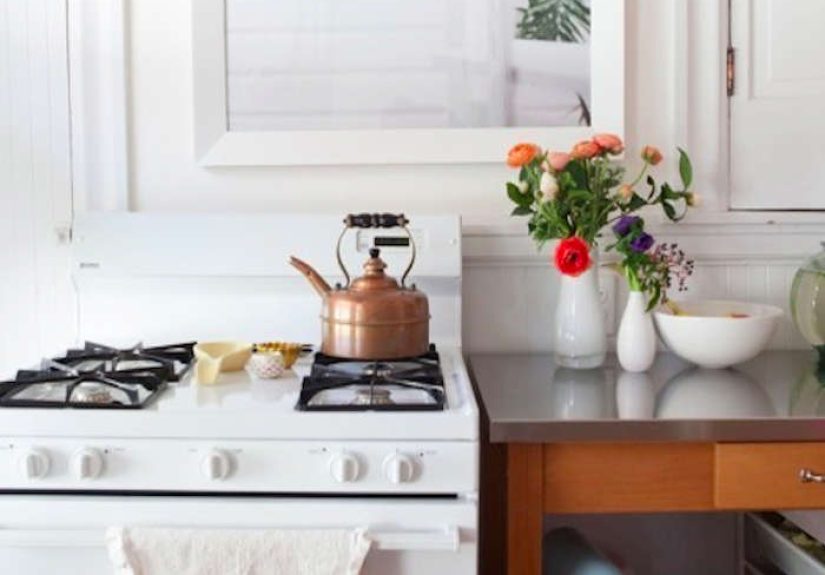
Outdoors In is at its best in the kitchen because it can be edible. A small indoor herb garden is practical, pretty, and quietly flexes on your
takeout habit. Many extension guides suggest aiming for strong light (often six to eight hours for many herbs) and rotating pots so plants grow evenly.
If you don’t have that light, a small grow light setup can keep herbs from turning leggy and dramatic.
Also: trays. Use a galvanized or wooden tray to corral oil bottles, salt, and herb pots. It looks intentional, and you can move the whole setup to
clean the counter in one swoop. Efficiency is beautiful.
Bathroom: Spa Energy Without the Spa Budget
Bathrooms are tricky because humidity can be both helpful and harmful depending on ventilation. If the room gets decent natural light, choose
moisture-tolerant plants and keep them out of splash zones. Add natural materialswood stool, linen towels, stone accessoriesand you’ll get that
“quiet retreat” feeling without any renovation dust.
Bedroom: Soft, Natural, and Low-Stimulation
Outdoors In in a bedroom is mostly about texture and calm: linen bedding, warm wood tones, a gentle green accent, and maybe a single easy plant if
your light allows. Skip the jungle. Your bedroom should not feel like it’s hosting a conference for 47 species.
Small-Space Outdoors In: Apartment-Friendly, Landlord-Neutral
Outdoors In isn’t reserved for houses with French doors and a dream. In small spaces, it’s often more powerful because it changes the perceived size
of a room. A few high-impact moves:
- Go vertical: wall-mounted planters (lightweight), hanging baskets, or a narrow plant stand near the brightest window.
- Use mirrors strategically: reflect a window view or a plant cluster to double the “green” without doubling the maintenance.
- Make one “micro-outdoor” corner: a woven chair + small side table + nature print = instant porch mood.
- Choose compact rituals: a bowl of floating blooms, a small herb pot, or a single seasonal branch arrangement.
The Outdoors In trick for small spaces is restraint. Pick one idea, do it well, and stop before your apartment becomes a botanical obstacle course.
The Practical Outdoors In: Keeping Plants Alive (and Your Sanity Intact)
The most stylish Outdoors In home still needs basic plant hygiene. Here’s the short list of what actually helps:
Light: Windows Lie, Grow Lights Don’t
Many seed-starting and indoor gardening guides warn that window light is often not enough for sturdy seedlings. If you’re starting seeds indoors,
basic fluorescent or LED grow lights can help prevent weak, stretched plants. If you’re growing herbs, strong direct light is often key; when it’s
not available, supplementing with a small grow light can make the difference between “lush basil” and “sad garnish.”
Water: Overwatering Is the Most Common Love Language
Extension plant-care advice often highlights the same reality: overwatering can mimic other problems (wilting, yellowing, leaf drop), and roots need
oxygen as much as moisture. Use pots with drainage, check soil moisture, and let the plant tell you what it needs. Your calendar is not a plant.
Seasonal Magic: Forcing Bulbs Indoors
Want a dramatic winter centerpiece without buying flowers every week? Forcing bulbs is classic Outdoors In. Many spring bulbs need a cooling period
(often measured in weeks) before they’ll bloom indoors, while some popular indoor bulbs don’t require chilling. Translation: read the bulb tag, then
pretend you’re running a tiny botanical schedule like a benevolent wizard.
A Few “Outdoors In” Moments Worth Stealing (Gardenista-Style)
Some Outdoors In ideas stick because they’re simple, memorable, and a little bit theatrical in the best way:
- Winter blooms in a bowl: trim flower heads (like hellebores) and float them in water for an elegant cold-season centerpiece.
- Unexpected botanical tea: try fragrant dried leaves or flowers that make the kitchen smell like a greenhouse without the humidity.
- Windowsill energy: a low-fuss plant on a bright sill can be a small daily mood boost (and a visual “yes, I have my life together” signal).
- Hand care with garden roots: simple botanical salves and balms fit the Outdoors In theme because they bring plant materials into daily routine.
- Mini greenhouse ambition: a compact greenhouse or propagation setup makes indoor growing feel possible, even in winter.
Outdoors In is basically permission to make your home more seasonalwithout waiting for a renovation, a bigger house, or a magical greenhouse annex
that appears overnight.
Conclusion: Outdoors In Is a Mood, Not a Project
The reason “Trending on Gardenista: Outdoors In” works year after year is that it’s flexible. You can go full indoor garden with grow lights and
forced bulbs, or you can do the minimalist version: a big nature photograph, a woven chair, and one truly thriving plant that you protect like a
national treasure.
Either way, the best Outdoors In homes don’t feel staged. They feel lived-in, calm, and quietly confidentlike the outdoors didn’t just visit, it
moved in and started paying rent.
Experiences You’ll Recognize: Living the “Outdoors In” Theme Day-to-Day (Approx. )
Outdoors In sounds like a design trend until you realize it’s also a collection of very relatable moments. Like the first truly gray week of winter
when you catch yourself staring out the window like a Victorian character waiting for a letter. That’s usually when people start “accidentally”
bringing home something greenmaybe a small plant, maybe a bundle of branches, maybe a pot of herbs that was “definitely for cooking” (and also for
emotional support).
One common Outdoors In experience is the Plant Shuffle: you place a new plant in a perfect spot, step back, love it… and then discover that
spot gets exactly 17 minutes of sunlight. So the plant moves. Then it moves again. Eventually it lands near the one window that behaves like a
reliable friend. That shuffle is not failureit’s how most homes become greener over time. The goal isn’t perfection; it’s figuring out what thrives
in your light.
Another experience: the Overwatering Apology Tour. Many people water because they care, and then care too hard. The plant droops, leaves turn
yellow, and suddenly you’re Googling symptoms like you’re in a medical drama. The Outdoors In lesson here is oddly comforting: simple habits win.
Pots with drainage, a quick soil check, and letting plants dry slightly between waterings can feel boringuntil you realize boring is what “healthy”
looks like.
Then there’s the moment Outdoors In becomes social. You tidy the kitchen for guests, and that one herb pot on a tray makes the whole counter look
intentional. Someone compliments it, and you act casual even though it’s the most validating thing that’s happened all week. Or you float a few blooms
in a bowl of water, and suddenly the dining table looks like you planned a magazine shoot instead of “scrambling five minutes before people arrive.”
Outdoors In has a sneaky superpower: it makes ordinary spaces feel prepared for life.
If you’ve tried seed-starting indoors, you also know the specific experience of becoming a part-time lighting technician. You set up a tray, feel
extremely capable, and then watch seedlings lean dramatically toward the nearest light source like they’re auditioning for a musical. That’s the
moment many home gardeners learn about grow lights and why strong, consistent light matters. It’s also the moment you realize gardening isn’t just
outdoorsit’s problem-solving, season-extending, and occasionally negotiating with physics.
Finally, Outdoors In shows up in the little rituals: making tea that smells faintly botanical when the weather is miserable, putting lotion on dry
hands and noticing it feels better when it has plant roots (literally or spiritually), or sitting in “your chair”the woven, porch-like chair that
makes reading feel like being outside even when you’re not. Those small experiences are why the trend lasts. Outdoors In isn’t about copying a look.
It’s about borrowing the outdoors’ calm, texture, and lifethen building it into the way you actually live at home.