Table of Contents >> Show >> Hide
- What Is the Twentieth Century Cocktail?
- Classic Twentieth Century Cocktail Recipe
- Ingredient Deep Dive: Why This Combo Works
- Pro Tips for Bartender-Level Results
- Twentieth Century Cocktail Variations to Try
- When to Serve the Twentieth Century Cocktail
- Frequently Asked Questions
- Experiences and Ideas Around the Twentieth Century Cocktail
If a classic gin sour and a chocolate truffle hopped on a glamorous New York–Chicago train together,
you’d get the Twentieth Century cocktail. This elegant drink is silky, citrusy, and just chocolatey
enough to feel luxurious without turning into dessert in a glass. It’s a favorite of bartenders and
cocktail nerds, but it’s also surprisingly easy to make at home once you understand the basics.
In this guide, you’ll learn the history behind the Twentieth Century cocktail, how to mix the classic recipe,
smart ingredient swaps, pro-level techniques, and real-world ideas for when to serve it. By the end,
you’ll be able to shake this drink like you’re running the bar car on a luxury train.
What Is the Twentieth Century Cocktail?
The Twentieth Century cocktail is a classic gin drink built on four simple ingredients:
gin, Lillet Blanc (or another aromatized wine), white crème de cacao, and fresh lemon juice.
The flavor profile is lightly floral and herbal from the gin and Lillet, bright and tart from the lemon,
with a soft layer of white chocolate from the crème de cacao.
The drink was created in the late 1930s by British bartender C.A. Tuck and first appeared in the
Café Royal Cocktail Book, a key historical recipe collection. It was named after the
Twentieth Century Limited, a famous luxury train that ran between New York City and Chicago
and became a symbol of modern style and speed. The cocktail captures the same mood: sleek, sophisticated,
and just a little bit indulgent.
Why Bartenders Love This Classic
Modern bartenders and cocktail writers often call the Twentieth Century one of the great “rediscovered”
classics. It checks several boxes:
- Balanced and surprising: Chocolate plus lemon sounds strange on paper but tastes bright and silky in the glass.
- Spirit-forward but approachable: Gin still leads, yet the liqueur and aromatized wine tame the alcohol bite.
- Easy to riff on: Swap the base spirit or aromatized wine and you get a whole family of modern variations.
- Looks refined: Served in a chilled coupe with a simple citrus twist, it feels bar-cart glamorous with minimal effort.
Classic Twentieth Century Cocktail Recipe
Let’s start with a home-bar–friendly version that mirrors the specs you’ll see in respected cocktail books
and recipe sites.
Ingredients
- 1 1/2 oz (45 ml) dry gin (London dry style works best)
- 3/4 oz (22.5 ml) fresh lemon juice
- 3/4 oz (22.5 ml) white crème de cacao (not the dark chocolate version)
- 3/4 oz (22.5 ml) Lillet Blanc or a similar aromatized wine (Cocchi Americano Bianco, Quinquina, etc.)
- Ice cubes for shaking
- Lemon twist, for garnish
Equipment
- Cocktail shaker
- Hawthorne strainer and fine strainer (optional, but recommended)
- Jigger or measuring tool
- Chilled coupe or Nick & Nora glass
Step-by-Step Instructions
- Chill your glass. Pop your coupe into the freezer or fill it with ice and water while you prepare the drink.
- Add ingredients to the shaker. Pour in the gin, lemon juice, white crème de cacao, and Lillet Blanc.
- Shake with ice. Fill the shaker with ice, seal it, and shake hard for about 12–15 seconds.
You want the outside of the shaker to frost over. - Prepare your glass. Dump out the ice water (if you used it) and quickly dry the glass.
- Double-strain. Using a Hawthorne strainer plus a fine mesh strainer, strain the cocktail
into the chilled coupe. This keeps tiny ice shards out, giving you a sleek, velvety texture. - Garnish. Express a lemon twist over the drink to release the oils, then either drop it in
or perch it on the rim.
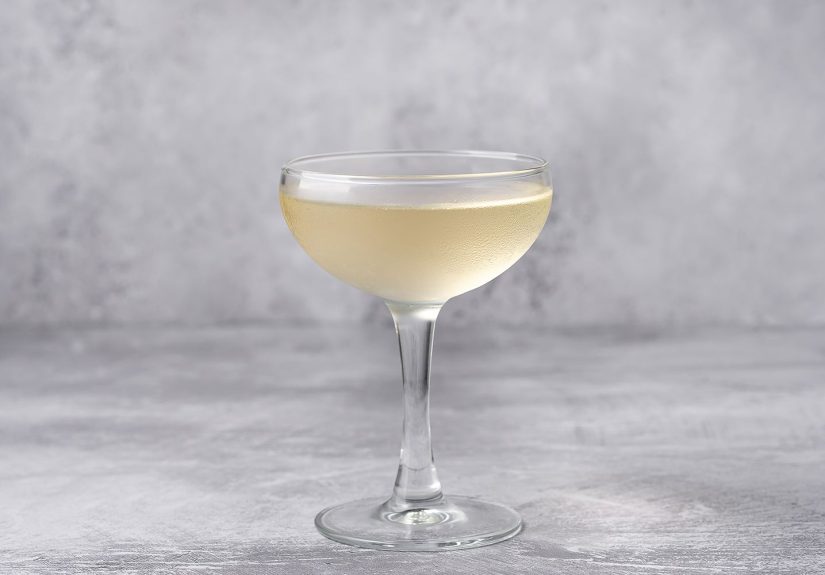
The finished Twentieth Century cocktail should be a pale, slightly creamy straw color with a delicate citrus aroma
and a silky, almost mousse-like texture from vigorous shaking.
Ingredient Deep Dive: Why This Combo Works
Gin: The Botanical Backbone
A dry gin is essential for this classic gin cocktail. London dry styles like Beefeater or Tanqueray are common
choices because their bright juniper and citrus notes cut through the sweetness of the crème de cacao and Lillet.
If you use an extremely floral or New Western–style gin, the drink can tilt too perfumey, so start with something
classic and balanced.
Lillet Blanc (or a Similar Aromatized Wine)
The original 1930s recipe called for Kina Lillet, a now-discontinued, quinine-forward French aperitif.
Today, most bartenders use Lillet Blanc or another light, bittersweet aromatized wine. Its role is to:
- Add gentle sweetness and body without turning the drink syrupy.
- Bring subtle herbal and floral notes that link the gin to the chocolate.
- Deliver a hint of bitterness to prevent the cocktail from tasting like candy.
If you enjoy a slightly more bitter edge, try Cocchi Americano or a good Quinquina; if you like things softer, stick with Lillet Blanc.
White Crème de Cacao: The Chocolate Whisper
White crème de cacao brings a smooth, light chocolate flavor without dark color. It’s sweeter than the other ingredients,
but when used in equal parts with the lemon juice and Lillet, it doesn’t dominate. Instead, it adds:
- A subtle cocoa aroma that plays well with gin’s botanicals.
- Roundness and a soft, comforting finish.
- A “how is this chocolate and still refreshing?” moment for your guests.
Use a quality brand herecheap crème de cacao can taste artificial or cloying, and this cocktail is all about balance.
Lemon Juice: Brightness and Structure
Freshly squeezed lemon juice is non-negotiable. Bottled lemon juice will flatten the drink. The acidity:
- Cuts through the sugar in the liqueur and Lillet.
- Sharpens the aroma of the gin and citrus twist.
- Turns what could be a dessert drink into a crisp, aperitif- or nightcap-worthy cocktail.
Pro Tips for Bartender-Level Results
1. Dial in the Sweet–Sour Balance
Everyone’s palate is a bit different. If you find the Twentieth Century cocktail too tart, add a bar spoon
(about 1/8 oz) of crème de cacao or Lillet. If it tastes a touch sweet, bump the lemon juice up to a full 1 oz.
2. Shake Hard, Then Shake a Little More
This cocktail needs strong aeration and dilution to become silky. Aim for at least 12–15 seconds of firm shaking.
If your shaker feels painfully cold, you’re probably doing it right.
3. Use a Proper Coupe Glass
Serving this in a coupe or Nick & Nora glass does more than look pretty. A smaller bowl keeps the drink cold
and focuses the aroma from the lemon twist and botanicals. Wide-mouthed martini glasses warm up too quickly.
4. Don’t Skip the Citrus Oils
The garnish is part of the recipe. When you twist a strip of lemon peel over the glass, you spray a burst of fragrant
oils across the surface of the drink. Those first few sips taste brighter and more complex thanks to that finishing touch.
Twentieth Century Cocktail Variations to Try
Once you love the original, you can tweak it for different moods. The classic structure is:
2 parts gin : 1 part lemon : 1 part crème de cacao : 1 part aromatized wine.
Keep that ratio and swap elements to create riffs.
1. The Smoky Twentieth (Mezcal or Scotch)
Some modern bartenders substitute part or all of the gin with mezcal or a lightly peated Scotch. The result is:
- Smokier, deeper flavors while keeping the chocolate and citrus interplay.
- A more “after-dinner” mood without becoming a heavy dessert drink.
Try 1 oz gin + 1/2 oz mezcal for a gentle smoky accent, or go 100% mezcal if you like bold flavors.
2. The 21st Century–Inspired Riff
A popular modern cousin of the Twentieth Century uses tequila instead of gin and adds a bittersweet liqueur
alongside crème de cacao and citrus. Use:
- 1 1/2 oz blanco tequila
- 3/4 oz lemon or lime juice
- 1/2–3/4 oz white crème de cacao
- 1/2–3/4 oz light aperitif wine or bitter liqueur, adjusted to taste
The result is brighter, more agave-forward, but still connected to the original’s chocolate–citrus magic.
3. Extra-Bitter Twentieth
If you love aperitif bitterness, swap Lillet Blanc for a more quinine-heavy aromatized wine or add a dash of
orange bitters. This creates a sharper, more grown-up profile that adventurous drinkers appreciate.
4. Low-ABV Twentieth Century Spritz
Want something lighter for brunch or daytime sipping? Cut the gin in half, shake the rest of the ingredients
as usual, then top the drink with chilled soda water or a splash of dry sparkling wine. It becomes an elegant
spritz that still hints at the original.
When to Serve the Twentieth Century Cocktail
This drink matches beautifully with certain occasions, foods, and moods:
- As a pre-dinner drink: The lemon and aromatized wine wake up the palate, while the chocolate note hints at dessert ahead.
- As a nightcap: The silky texture and gentle sweetness make it perfect for winding down after an evening out.
- At a dinner party: Serving Twentieth Century cocktails in matching coupes immediately makes your party feel more intentional and upscale.
- For train or travel–themed events: If you’re hosting a retro or railway-inspired gathering, this is basically mandatory.
Food-wise, the Twentieth Century pairs well with lightly salty or nutty snacks: Marcona almonds, mild cheeses, or
simple crostini. Avoid very spicy or heavily flavored dishes that will drown out the drink’s subtle chocolate and
botanical notes.
Frequently Asked Questions
Is the Twentieth Century cocktail very sweet?
It’s sweeter than a dry Martini but much less sweet than a dessert drink. When made with equal parts lemon, crème de cacao,
and Lillet, the tartness of the citrus keeps everything in check. If you prefer drier drinks, increase the lemon slightly
or use a more bitter aromatized wine.
Can I make a batch for a party?
Yes. Multiply the ingredients by however many guests you’re serving, combine everything in a container, and keep it chilled.
When it’s time to serve, shake individual portions with ice to add dilution and texture before straining into chilled glasses.
Don’t skip the fresh shakeeven batched cocktails need that last step.
Can I use dark crème de cacao?
Technically you can, but it will change both the look and flavor. Dark crème de cacao adds deeper chocolate and vanilla notes
and will darken the drink considerably. If you want to stay close to the classic Twentieth Century cocktail, stick to white
crème de cacao.
What kind of gin works best?
A straightforward London dry is your safest betsomething with bright juniper and citrus, not overloaded with exotic botanicals.
If you experiment with more modern styles, make the recipe once as written and once with your chosen gin to see which you prefer.
Experiences and Ideas Around the Twentieth Century Cocktail
Part of the charm of the Twentieth Century cocktail is how it feels like a little time machine. The first time many people try it,
they expect something heavy and rich. After all, it contains a chocolate liqueur. But that first sip is usually followed by a look
of surprise: “Wait, why is this so light and refreshing?” It’s a great drink for opening someone’s mind to what a classic gin
cocktail can be.
Imagine serving this as the welcome drink at a small dinner party. Guests arrive, shrugging off coats and scrolling through notifications.
You hand them a chilled coupe with a pale, elegant drink and a lemon twist curled over the rim. The aroma of fresh citrus hits first,
followed by that subtle, almost mysterious chocolate note. Within a couple of sips, people slow down, conversations stretch out, and the
room feels less like “Thursday night” and more like a little pocket of old-school glamour.
If you’re into cocktail exploration, the Twentieth Century is also a fantastic “teaching drink.” You can line up tiny sample versions
using different aromatized winessay, Lillet Blanc, Cocchi Americano, and another quinine-forward bottleand see how each version shifts.
One might be softer and floral, another sharper and more bitter, another rounder and more honeyed. The base recipe remains the same,
but your guests learn how swapping a single ingredient can completely reshape a classic.
Home bartenders frequently report that this cocktail becomes a secret weapon in their repertoire. It’s not as overexposed as the Negroni
or the Espresso Martini, so when you offer a Twentieth Century cocktail, it feels speciallike you’ve dipped into a private library of
classics. It’s also ideal for people who say, “I don’t like super boozy drinks, but I don’t want something sugary.” The lemon and Lillet
keep things crisp, while the crème de cacao adds comfort without overwhelming the palate.
You can also use the Twentieth Century as a “bridge” drink for folks who think they don’t like gin. The chocolate and citrus do some gentle
PR work on behalf of the botanicals. Serve it alongside a simple snacksalted nuts, buttery crackers, or a mild cheeseand let them linger
over the glass. More often than not, they’ll end the night asking, “So… what was in that again?” and requesting the recipe.
For a more playful experience, build a mini tasting flight: the classic Twentieth Century, a mezcal- or Scotch-forward riff, and a low-ABV
spritz version. Use matching coupes or small tasting glasses and serve them in order of intensity, from lightest to boldest. It turns a single
cocktail into a full experience and gives guests a chance to discover their favorite expression of the drink.
Finally, don’t underestimate the power of ritual. Taking the time to chill the glass, measure carefully, shake with intention, and garnish
thoughtfully can turn an ordinary evening into a small celebration. The Twentieth Century cocktail may have been named after a train,
but it’s really about paceslowing down long enough to enjoy a well-made drink, good company, and a little bit of old-world elegance in a modern world.