Table of Contents >> Show >> Hide
- The Internet’s Haircut Hall of Fame (But, Like, the Opposite)
- Why Haircuts Go Sideways: The Greatest Hits of “How Did This Happen?”
- 40 Of The Worst Haircut Fails (New Pics)
- The Accidental Medieval Monk
- The Fade That Forgot to Fade
- The Bowl Cut With Ambition
- Micro-Bangs: The Jump Scare
- The “Why Are the Bangs in the Back?” Mystery
- The One-Side Undercut Surprise
- The Patchy Buzz Cut Map
- The Hairline That Zigzagged
- The Ear vs. Scissors Battle (Scissors Won)
- The “Staircase Layers” Effect
- Triangle Bob: The Traffic Cone
- The Over-Thinned “See-Through Ends”
- The Reverse Fade (Long to Skin, Instantly)
- The “Helmet Head” Blowout Misunderstanding
- The Bangs That Behave Like a Curtain (Always Closed)
- The Mullet’s Confused Cousin
- The Sideburn Situation
- The Crown Cowlick Catastrophe
- The “Too Short at the Temples” Surprise
- The “Bangs Meet Widow’s Peak” Drama
- The “I Asked for Volume” Mushroom
- The “Sharpie Outline” Lineup
- The Uneven Fringe That Only Shows in Photos
- The “Two Different Barbers” Blend
- The Neckline That Climbed Upward
- The “Choppy Bob with Random Long Pieces”
- The “Too Much Off the Top” Panic Crop
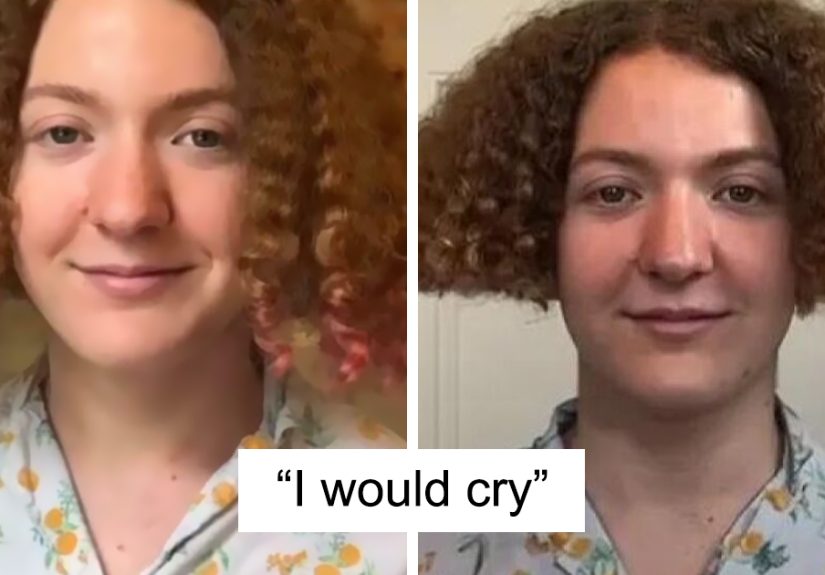
- The “Blunt Bangs + Curly Hair = Surprise Geometry”
- The “Disconnected Everything” Cut
- The Over-Textured “Frizz Amplifier”
- The “Spiky Crown” That Won’t Lie Down
- The Side Part That Became a Trench
- The “Bangs Start at Mid-Scalp” Situation
- The “Too Tight Fade” That Changes Your Whole Face
- The “Pointy Side” From Over-Scissoring
- The “Short Back, Long Front, No Blend” Flip
- The “Clippers Left a Barcode” Sides
- The “Bald Spot Reveal” Over-Thin
- The “Lopsided Lob”
- The “Too-Blunt Blunt Cut”
- The “Everything Is the Same Length” Box
- The “Oops, I Trimmed My Own Bangs” Spiral
- The “Neckline Is a Square” Surprise
- The “Unfortunate Layers on Super Fine Hair” Flatness
- How to Fix a Bad Haircut (Without Making It Worse)
- How to Avoid a Haircut Fail Next Time
- 500-Word Experience Add-On: The Emotional Rollercoaster of a Bad Haircut
- Conclusion: Laugh Gently, Learn Quickly, Grow It Out Confidently
There are two kinds of people in the world: the ones who’ve had a bad haircut, and the ones who are about to.
(If you’re currently reading this while wearing a hat indoors, welcome. We’re not asking questions.)
Somewhere on the internet, an online community is collecting the evidencephoto after photo of “what I asked for”
vs. “what happened to my head,” all in the name of humor, solidarity, and the comforting reminder that hair… grows.
The appeal is weirdly wholesome: strangers gently roast the haircut, not the human, and then jump in with
surprisingly helpful advice. Because a terrible cut is both a tragedy and a rite of passage. It’s also an
instant lesson in communication, hair texture reality, and why “just take a little off” is the most dangerous
sentence in the English language.
The Internet’s Haircut Hall of Fame (But, Like, the Opposite)
Online communities dedicated to haircut fails thrive because the stakes are hilariously high and painfully relatable.
A bad haircut isn’t just “oops”it’s photos for the next month, a job interview next week, and your reflection
whispering, “We don’t know her.”
The best part: these communities often turn into mini support groups. People share styling hacks, “grow-out”
survival tips, and vocabulary that actually helps at the salonlike how to talk about length, density, and texture
instead of vaguely requesting “more vibe.”
Why Haircuts Go Sideways: The Greatest Hits of “How Did This Happen?”
1) The Translation Problem
You picture a soft, blended taper. The barber hears “high-and-tight with a dramatic line.”
Haircut language is slipperywords like short, layers, and fade mean different things to different people.
Photos help, but only if you point out what you like (and what you absolutely do not want).
2) Hair Texture Is Not a Suggestion
Straight hair, wavy hair, tight curls, coily textureseach behaves differently once it’s cut.
A style that looks airy on one person can look like a triangle on someone else. Add cowlicks, growth patterns,
and head shape, and suddenly your “simple” haircut has a whole personality.
3) Speed Runs and Overconfidence
Rushed fades, uneven guards, thinning shears used like a weed whacker, and “I’ll just clean up the hairline”
moments can create harsh lines and patchy spots fast. Many of the worst haircuts aren’t bold choices
they’re tiny mistakes stacked on top of each other like a bad Jenga tower.
40 Of The Worst Haircut Fails (New Pics)
Below are 40 classic “unfortunate haircut” scenarios you’ll recognize instantly. Think of these as
caption-ready moments and cautionary tales. (If one of these is currently happening to you: breathe.
We’ll get you through the beanie era.)
-
The Accidental Medieval Monk
A perfect circle of scalp appears on top like a surprise solar eclipse. Usually caused by over-zealous
clipper work or a cowlick misunderstanding. Fix: go shorter on top and blend, or commit to a textured crop. -
The Fade That Forgot to Fade
Instead of a smooth gradient, you get a hard shelf linelike a haircut with a speed bump.
Fix: a professional can blend it; at home, don’t chase the line with clippers unless you want a shorter sequel. -
The Bowl Cut With Ambition
It’s a bowl cut… but uneven, like the bowl was moving during an earthquake. Fix: soften with layers and texture,
or shorten the perimeter so it reads intentional instead of “kitchenware-inspired.” -
Micro-Bangs: The Jump Scare
Bangs stop halfway to your forehead and announce themselves from across the room.
Fix: sweep to the side, add texture, and use a tiny round brush. Time is the real hero here. -
The “Why Are the Bangs in the Back?” Mystery
Layers are placed so strangely it looks like the fringe migrated. Fix: redistribute with face-framing pieces,
or consider clip-in fringe while the awkward parts grow out. -
The One-Side Undercut Surprise
You wanted “a little lighter.” You got “one side shaved, one side not.” Fix: balance it (either both sides)
or style into a deliberate asymmetry with a deep part. -
The Patchy Buzz Cut Map
The scalp looks like a topographic chartsome regions thriving, others… barren. Usually a guard issue.
Fix: even it out with one length (carefully), or let a barber correct it to avoid going shorter than planned. -
The Hairline That Zigzagged
A crisp edge becomes a squigglelike your lineup was drawn on a bumpy bus ride. Fix: a pro can re-line it,
but at home, stop “touching it up.” That’s how zigzags become a whole alphabet. -
The Ear vs. Scissors Battle (Scissors Won)
One side is cut way above the ear, the other side plays by normal rules. Fix: match the higher side and blend,
or add a tapered edge so it looks like design, not accident. -
The “Staircase Layers” Effect
You can count the steps in the layeringchunk, chunk, chunk. Fix: point-cutting and soft blending from a skilled stylist.
Temporarily, curls and waves can disguise the geometry. -
Triangle Bob: The Traffic Cone
The bob poofs wider at the bottom and narrows at the top. It’s iconic… in a warning-sign way.
Fix: internal layers, smoothing technique, or a slightly longer lob to weigh it down. -
The Over-Thinned “See-Through Ends”
Thinning shears were used like they had a personal grudge. Fix: focus on moisture, minimize heat,
and ask for micro-trims to keep breakage from creeping upward. -
The Reverse Fade (Long to Skin, Instantly)
There’s no transitionjust hair, then suddenly scalp. Fix: raise the fade (yes, it means shorter overall)
and blend properly so it looks sharp instead of shocked. -
The “Helmet Head” Blowout Misunderstanding
The cut might be fine, but the styling is so stiff it looks like your hair was shellacked.
Fix: wash it, restyle your way, then judge. Many “bad cuts” are actually “bad finishing.” -
The Bangs That Behave Like a Curtain (Always Closed)
They won’t separate; they cling like stage curtains after the show. Fix: blow-dry side to side,
use a light styling cream, and consider trimming the center slightly for movement. -
The Mullet’s Confused Cousin
Short top, long back, but not in a fun waymore like a haircut assembled from leftovers.
Fix: refine the shape into either a real mullet/shag or a clean crop. Indecision is the enemy. -
The Sideburn Situation
One sideburn is a nice taper; the other is a blunt rectangle. Fix: even them out and fade into the beard,
or remove sideburns entirely and let facial hair define the line. -
The Crown Cowlick Catastrophe
The crown sticks up like a tiny antenna broadcasting distress. Fix: either cut it shorter so it can’t lift,
or leave it longer so it has weight. Middle lengths are cowlick chaos. -
The “Too Short at the Temples” Surprise
The sides are taken up high, making the head shape look sharper than intended.
Fix: soften with a lower fade next time; for now, style the top forward to balance proportions. -
The “Bangs Meet Widow’s Peak” Drama
The fringe ends up emphasizing the hairline instead of framing the face.
Fix: side-swept styling, a softer fringe shape, or face-framing layers that redirect attention. -
The “I Asked for Volume” Mushroom
The top balloons while the sides cling tightmushroom silhouette unlocked.
Fix: add texture on top and loosen the sides slightly, or shift into a layered cut that distributes weight. -
The “Sharpie Outline” Lineup
The edge is so dark and harsh it looks drawn on. Fix: ask for a softer natural edge next time.
For now, let it grow a few days and avoid piling product right at the hairline. -
The Uneven Fringe That Only Shows in Photos
In the mirror, it’s “fine.” In selfies, it’s chaos. Fix: check symmetry with your phone camera in natural light
before leaving the chair, and request tiny adjustments immediately. -
The “Two Different Barbers” Blend
Left side is a clean taper. Right side is… a different idea entirely.
Fix: a correction cut can unify the shape, but it may require going slightly shorter for symmetry. -
The Neckline That Climbed Upward
The neckline is shaved too high, giving “accidental high collar.”
Fix: stop shaving it yourself; let it grow and keep it clean with light trimming, or switch to a tapered neckline. -
The “Choppy Bob with Random Long Pieces”
A bob that includes surprise extensions of length like Easter eggs.
Fix: decide whether you want blunt or textured, then clean up the perimeter so it reads deliberate. -
The “Too Much Off the Top” Panic Crop
The top is so short it stands straight up like it’s auditioning for a cartoon.
Fix: matte paste, directional styling, and patience. Short tops calm down as they grow a couple weeks. -
The “Blunt Bangs + Curly Hair = Surprise Geometry”
Curly hair shrinks, and suddenly the bangs are far shorter than expected.
Fix: curly bangs should be cut with curl behavior in mind; for now, wear them pushed back with a clip or headband. -
The “Disconnected Everything” Cut
Top is long, sides are short, and there’s no bridge between themlike two haircuts refusing to speak.
Fix: blend the connection zone with gradual layering or commit to a true undercut with intentional styling. -
The Over-Textured “Frizz Amplifier”
Too much razor work can make hair look fuzzy instead of feathered.
Fix: smoothing products and minimal heat; ask for scissor-based soft layers next time, especially on finer hair. -
The “Spiky Crown” That Won’t Lie Down
One patch at the crown sticks up no matter what. Fix: change the part, dry it in the direction you want,
and use a small amount of product at the rootsnot on the ends. -
The Side Part That Became a Trench
The part is carved so deep it looks like landscaping.
Fix: soften the part line, grow it out, and switch to a looser part with natural volume instead of a hard division. -
The “Bangs Start at Mid-Scalp” Situation
Bangs are sectioned too far back, creating a heavy curtain effect.
Fix: redistribute with face-framing layers and lighter fringe, or pin back the outer edges until it grows out. -
The “Too Tight Fade” That Changes Your Whole Face
A fade taken too high can exaggerate head shape and make features feel unbalanced.
Fix: next time, ask for a low or mid fade; for now, style the top with width and texture to rebalance. -
The “Pointy Side” From Over-Scissoring
One side angles out like a shark fin.
Fix: a corrective trim to match the other side, then style with a round brush or light wax to guide it inward. -
The “Short Back, Long Front, No Blend” Flip
It’s giving “haircut in two chapters.”
Fix: blend the back into the front with layers, or tuck/clip the front while the back catches up. -
The “Clippers Left a Barcode” Sides
Visible guard lines create a striped effect.
Fix: blending takes techniquebook a quick cleanup with a barber. At home, don’t try random guards unless you want a buzz cut. -
The “Bald Spot Reveal” Over-Thin
Over-thinning at the crown can expose scalp in bright light.
Fix: volumizing products, gentle styling, and letting that area grow. For future cuts, ask for minimal thinning and more shaping. -
The “Lopsided Lob”
One side is noticeably longerunless you tilt your head, which is not a sustainable lifestyle.
Fix: even it out (usually means taking the longer side up) and request a re-check of symmetry before you leave. -
The “Too-Blunt Blunt Cut”
The line is so sharp it looks like it was cut with craft scissors.
Fix: soften the edge with subtle point-cutting; styling with loose waves can also break up the severity. -
The “Everything Is the Same Length” Box
Without layering or shaping, hair can sit like a helmet.
Fix: add long layers that match your hair density and face shape, and make sure your stylist knows how you actually wear your hair daily. -
The “Oops, I Trimmed My Own Bangs” Spiral
Bangs were trimmed, then trimmed again, then trimmed because the trimming looked trimmed.
Fix: stop at the first “hmm,” use a headband/clip, and let a pro refine the shape once you’ve cooled down. -
The “Neckline Is a Square” Surprise
A blocky neckline can look harsh when it wasn’t requested.
Fix: ask for a tapered neckline next time; for now, a quick barber cleanup can soften the corners into a natural finish. -
The “Unfortunate Layers on Super Fine Hair” Flatness
Too many layers can remove the little weight fine hair has, leaving it limp.
Fix: fewer layers, more blunt structure, and light volumizing products at the rootsshape creates fullness.
How to Fix a Bad Haircut (Without Making It Worse)
Step 1: Wash, Style, and Sleep on It
Before declaring it a total disaster, wash your hair and style it the way you normally do.
Salon finishing can exaggerate issuesor hide them until you get home. Give it a day or two so the shock wears off
and you can describe the problem clearly.
Step 2: Be Specific (Kindly, Like a Functional Adult)
“I hate it” is emotionally valid but not helpful. Try: “The fade is higher on the right,” “The bangs feel too thick,”
or “I wanted less bulk around the ears.” Mention what you do like so the fix doesn’t overcorrect.
Step 3: Go Back Quickly If You Can
If something is objectively uneven or not what you agreed on, contact the salon/barbershop soon.
Many places prefer to fix it promptly rather than have you suffer silently while writing dramatic diary entries about scissors.
Step 4: Use Temporary Camouflage Like a Pro
Headbands, clips, hats, strategic parts, texture sprays, and low buns are not “giving up.”
They are tactical moves. Accessories buy time while hair grows and also prevent impulsive bathroom “repairs.”
Step 5: Remember the Timeline
Hair growth is slow but steady. Many people average a few inches per year, which means even a rough cut often improves noticeably
within a few weeks. It’s not instant comfort, but it’s real comfort.
How to Avoid a Haircut Fail Next Time
Bring Photosand Narrate Them
A photo alone can still be misunderstood. Point to what you like: “This length,” “this softness around the ears,”
“this low fade,” “this fringe shape.” Also say what you don’t want: “Not this high,” “not razor-thinned,” “no hard part line.”
Describe Your Real Life, Not Your Fantasy Life
If you air-dry and run out the door, don’t ask for a cut that needs a blowout, hot tools, and a prayer.
Tell your stylist how much time you spend styling on a normal day, and what products/tools you actually use.
Ask for a “Small Change First”
Going from long hair to a dramatic chop can be awesomebut it’s safer to transition in stages if you’re unsure.
A good stylist can map out a plan so you don’t go from “mermaid” to “why do I look like an exhausted pineapple?”
Use Checkpoints During the Cut
Don’t wait until the final spin in the chair to speak. Ask to see the fade line before it’s set,
check bang length before it’s fully committed, and request symmetry checks while there’s still room to adjust.
500-Word Experience Add-On: The Emotional Rollercoaster of a Bad Haircut
Anyone who’s survived a genuinely unfortunate haircut knows it’s never just about hair. It’s about timing, confidence,
and the fact that your reflection has excellent comedic timing. The experience usually starts with optimism: you walk in
with a reference photo, a plan, and the belief that today is the day you become the main character in a shampoo commercial.
Then comes the first warning signmaybe the clippers go higher than you expected, or the scissors make that “snip-snip”
sound for way longer than your brain finds comforting. You try to stay calm because you don’t want to be rude, and also because
your hair is literally trapped in the chair with you.
The next phase is denial. In the mirror, the cut looks… different. But maybe it’s the cape. Maybe it’s the lighting.
Maybe you just need to “get used to it.” You nod politely while your internal narrator screams, “This is not the vibe.”
Then the stylist does the final revealthe dramatic spinlike they’re presenting a masterpiece. You see it: the uneven fade,
the bangs that are shorter than your patience, or the layers that appear to have been installed by a committee that never met.
Your heart drops, but you say something like, “Oh wow!” which is technically true because you are wowed, just not positively.
Afterward comes the survival era. Many people develop a sudden close relationship with hats, headbands, and “I’m just cold”
as a year-round explanation. You become a creative stylist overnight: deep side parts, texture sprays, bobby pins, strategic
half-up stylesanything that makes the haircut look intentional. This is also the era where online communities shine.
Seeing other people post their haircut fails can be oddly comforting, not because you want anyone else to struggle, but because
it reminds you that you’re not alone. Someone out there also asked for “soft layers” and received “architectural angles.”
Eventually, the “fix” phase arrives. Sometimes the solution is simple: a quick cleanup, a softer blend, a minor bang adjustment.
Other times, it’s a planregular micro-trims, gentle styling, and a commitment to hair health while it grows. The real lesson
many people take away is communication: bringing photos, explaining daily routines, and speaking up sooner. And then, almost
magically, the bad haircut becomes a story you tell with laughter. Not because it was fun at the time, but because you survived.
The hair grew. The photos got deleted (mostly). And you gained a valuable skill: politely describing exactly what you want
without saying, “Please don’t give me the ‘accidental medieval monk’ again.”
Conclusion: Laugh Gently, Learn Quickly, Grow It Out Confidently
Unfortunate haircuts happen to the best of usand online communities turn that shared pain into shared humor (plus genuinely useful tips).
If you’re staring at a haircut fail right now, focus on what you can control: restyle, communicate clearly, and get a professional fix if needed.
And if you’re haircut-shopping for the future: bring photos, describe your routine, and ask for small changes before big ones.
Hair grows, confidence rebounds, and one day this will be a funny story. Probably a very funny story.