Table of Contents >> Show >> Hide
- Why Massage Helps in the First Place
- 12 Popular Types of Massage and Their Benefits
- Which Massage Type Should You Choose?
- Benefits You Can Reasonably Expect
- Massage Safety: When to Pause, Modify, or Ask Your Clinician First
- What a Good Massage Plan Looks Like
- Real-World Experiences: What People Often Notice Over Time (About )
- Conclusion
Let’s be honest: most of us don’t book a massage because we “love proactive musculoskeletal maintenance.”
We book one because our neck feels like a brick and our shoulders have been trying to crawl up to our ears since Tuesday.
But massage therapy is more than a luxury add-on. It’s widely used in integrative healthcare, and when chosen well, it can support pain relief, stress management, sleep, mobility, and recovery.
This guide breaks down the most common types of massage and what they’re actually good for, based on established clinical guidance and real-world practice in U.S. medical and professional settings.
You’ll learn which massage style fits your goals, what benefits are realistic, where the evidence is stronger (and weaker), and how to stay safe.
If you’ve ever stared at a spa menu feeling personally attacked by 14 options, this article is your map.
Why Massage Helps in the First Place
Massage therapy works on multiple levels at once:
- Mechanical: Hands-on pressure and movement can reduce muscle tension, improve tissue glide, and support range of motion.
- Nervous system: Many people shift from “fight-or-flight” mode toward a calmer state, which can reduce perceived pain and stress.
- Circulatory effects: Some techniques can support local circulation and lymphatic movement.
- Behavioral impact: Scheduled sessions force a pause in nonstop stress loops (a surprisingly medical intervention in modern life).
Important reality check: massage is not magic and it is not a replacement for diagnosis when something serious is going on.
For many conditions, benefits are often modest and short term, especially for pain.
That doesn’t make it useless; it makes it a tool that works best inside a larger plan (movement, sleep, hydration, stress regulation, and appropriate medical care).
12 Popular Types of Massage and Their Benefits
1) Swedish Massage
What it is: The classic full-body style with long, gliding strokes, kneading, and gentle-to-moderate pressure.
It’s often the default foundation in massage training.
Best for: First-timers, stress relief, mild muscle tension, and people who want relaxation without intense pressure.
Potential benefits: Improved relaxation, reduced stress load, less everyday soreness, and better sleep quality for some people.
2) Deep Tissue Massage
What it is: Slower, more focused work using firmer pressure on deeper layers of muscle and connective tissue.
Best for: Persistent tightness, chronic “knot zones,” and people who tolerate stronger pressure.
Potential benefits: Short-term relief in pain and stiffness, especially when paired with movement and strength work.
Heads-up: More pressure is not always better. Aggressive work can irritate tissues, and deep pressure is not right for everyone.
3) Sports Massage
What it is: Goal-oriented bodywork for active people, before or after training, or during rehab.
It may include compression, stretching, and targeted work around overused areas.
Best for: Athletes, gym-goers, runners, and weekend warriors who keep discovering “new” muscles after leg day.
Potential benefits: Reduced post-exercise soreness perception, improved flexibility, and support for recovery routines.
4) Trigger Point / Myofascial-Focused Massage
What it is: Focused pressure on tight, sensitive spots that refer pain to other areas.
Myofascial approaches also target connective tissue restrictions.
Best for: Recurrent tension patterns (neck, shoulders, glutes, jaw-adjacent regions) and movement-related discomfort.
Potential benefits: Better movement quality, reduced local tenderness, and fewer tension headaches for some clients.
5) Lymphatic Drainage Massage
What it is: Very light, rhythmic techniques intended to encourage lymph fluid movement.
This is not a “deep pressure” method.
Best for: People with swelling concerns (including medically guided lymphedema support) and those who benefit from gentle touch.
Potential benefits: Reduced puffiness/swelling sensation and improved comfort in selected cases.
Heads-up: Medical guidance matters here, especially with post-surgical or cancer-related swelling.
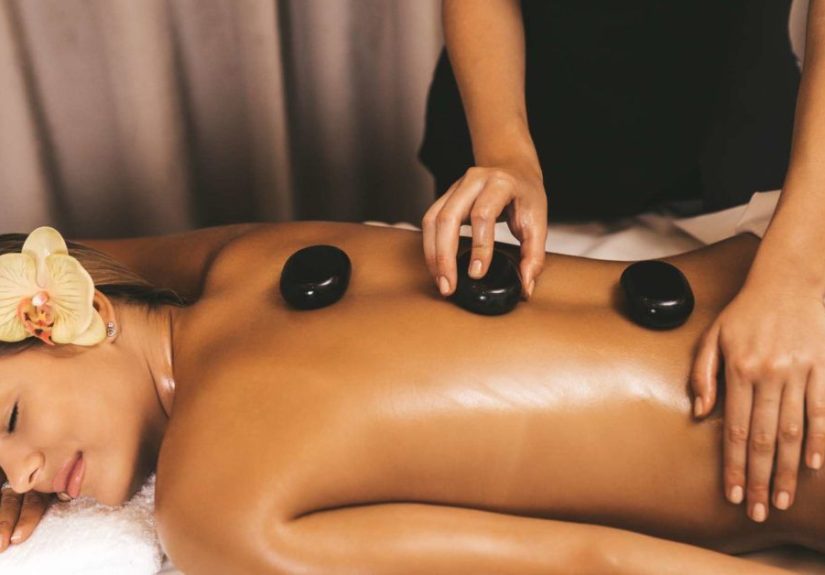
6) Hot Stone Massage
What it is: Heated stones are used along with traditional massage techniques.
The heat can help tissues relax before deeper manual work.
Best for: People who respond well to warmth and want a deeply calming session.
Potential benefits: Relaxation, reduced muscle guarding, and easier release of tension.
7) Shiatsu
What it is: A Japanese bodywork style using rhythmic pressure, often along specific points and pathways.
Sessions are typically done clothed.
Best for: People who prefer structured pressure without oil-based table massage.
Potential benefits: Relaxation, stress reduction, and perceived pain relief in some users.
8) Thai Massage
What it is: Assisted stretching and movement-based bodywork, often performed on a mat.
Think “you relax while someone helps your body move better.”
Best for: Stiffness, flexibility goals, and people who like active, mobility-focused sessions.
Potential benefits: Improved range of motion, temporary relief of back discomfort, and reduced stress for many clients.
9) Reflexology
What it is: Pressure techniques mainly on feet (sometimes hands/ears), based on mapped “reflex” zones.
Best for: People who enjoy foot-focused therapy and deep relaxation experiences.
Potential benefits: Better relaxation and mood; however, evidence does not strongly show reflexology outperforms regular foot massage.
10) Prenatal Massage
What it is: Pregnancy-adapted massage using positioning and pressure modifications for safety.
Best for: Pregnancy-related back/leg discomfort, stress, and general body fatigue.
Potential benefits: Reduced stress and physical discomfort for many pregnant clients.
Safety essentials: Use a trained prenatal therapist, communicate with your OB provider, and use side-lying positioning when appropriate.
11) Chair Massage
What it is: Short sessions (often 10–30 minutes), fully clothed, focused on neck, shoulders, back, and arms.
Best for: Busy schedules, office workers, events, and people who want quick relief without changing clothes or blocking two hours.
Potential benefits: Fast tension reduction, better focus, and a nice reset between meetings.
12) Oncology Massage
What it is: Highly specialized massage modified for people during or after cancer treatment.
Pressure, positioning, and areas treated are tailored to medical status.
Best for: People living with cancer-related symptoms who are cleared by their care team.
Potential benefits: Supportive comfort, improved relaxation, and possible help with anxiety, pain, fatigue, and quality of life when delivered by trained professionals.
Which Massage Type Should You Choose?
Start with your goal, not the trendiest name on social media.
If your goal is stress and sleep
- Swedish
- Hot stone
- Gentle shiatsu
- Chair massage for quick resets
If your goal is pain and stiffness
- Deep tissue (if tolerated)
- Trigger point/myofascial-focused work
- Sports massage (especially with activity-related pain)
If your goal is mobility and flexibility
- Thai massage
- Sports massage with stretching components
- Myofascial approaches
If your goal is pregnancy comfort
- Prenatal massage with a trained provider
If your goal is swelling support
- Lymphatic drainage (preferably with medical guidance when needed)
Benefits You Can Reasonably Expect
Massage can be genuinely helpful, especially for stress and short-term symptom relief.
For pain conditions, research quality varies by condition and massage style.
In plain English: it helps many people, but results are individual and rarely “one session and you’re fixed forever.”
Most people do best when they combine massage with:
- Regular movement and strength work
- Sleep consistency
- Hydration
- Ergonomic adjustments at work/home
- Medical follow-up if pain persists or worsens
Massage Safety: When to Pause, Modify, or Ask Your Clinician First
Massage is generally low risk, but not risk-free. Rare serious adverse events have been reported.
Always share your health history before treatment.
Ask first if you have:
- Blood clot risk or clotting disorders
- Recent fracture, surgery, or major injury
- Active infection, fever, skin wounds, or burns
- Severe osteoporosis or fragile bones
- Cancer treatment-related concerns
- Pregnancy complications
How to choose a qualified therapist
- Verify state licensure/certification requirements.
- Ask about training in your specific need (prenatal, oncology, lymphatic, sports rehab).
- Discuss pressure preference and boundaries clearly.
- If anything hurts sharply during treatment, say so immediately.
What a Good Massage Plan Looks Like
Instead of one random “rescue” appointment every six months, try a short structured cycle:
- Week 1–2: assessment + gentle calibration of pressure and techniques.
- Week 3–6: consistent sessions to address patterns.
- Maintenance: taper frequency while adding home mobility and stress habits.
Translation: consistency beats intensity. Your tissues and nervous system usually respond better to regular, tolerable work than heroic one-off sessions that leave you walking like a robot.
Real-World Experiences: What People Often Notice Over Time (About )
The most useful way to understand massage is through pattern-based experiences. Not miracle stories. Not “I touched enlightenment in 60 minutes.”
Just honest, repeatable changes people report when massage is part of a routine.
Week 1: Many first sessions are about discovering what your body has been quietly tolerating. Office workers often realize their upper traps have been in “permanent shrug mode.”
Runners notice calves and hips are tighter than expected. New clients commonly say, “I didn’t know this part of my back existed until now.”
Immediate outcomes are usually better sleep that night, a calmer mood, and a temporary drop in pain intensity.
Some people also feel mild soreness the next day, especially after deep tissue or trigger-point work.
Week 2–3: The second and third sessions are where patterns become clear.
A client with desk-related neck pain may report headaches dropping from daily to a few times per week.
A recreational lifter may notice squats feel smoother after hip-focused bodywork plus mobility drills.
A pregnant client receiving prenatal massage might describe less back pressure at night and fewer wake-ups from leg discomfort.
At this stage, the biggest win is often not “zero pain,” but improved function: easier turning, bending, walking, or sitting through a long shift.
Week 4–6: This is where consistent massage starts behaving like part of a treatment plan instead of a one-time treat.
People managing chronic stress often notice a faster return to calm after difficult days.
Clients with tension-heavy jobs report they catch themselves clenching less.
Athletes frequently describe quicker subjective recovery between hard training days, especially when massage is paired with hydration, sleep, and smart programming.
Those using lymphatic or gentle techniques sometimes report less puffiness and a lighter feeling by day’s end.
The emotional piece: One underrated benefit is body awareness.
People begin to recognize early warning signs: jaw clenching, shallow breathing, shoulder elevation, or low-back guarding.
Once those signs are visible, they become modifiable.
Several clients describe massage as a “reset button” that helps them make better decisions afterward: going to bed on time, stretching for 10 minutes, choosing a walk over doom-scrolling.
That behavior shift can be more powerful than the hands-on session itself.
What experienced clients learn: The “best” massage is rarely the most intense.
It’s the one matched to your current condition.
On high-stress weeks, Swedish or hot stone may outperform deep tissue because your nervous system needs downshifting, not battle.
During training blocks, sports or myofascial-focused sessions may shine.
During pregnancy or medical treatment phases, specialized modifications are essential.
Common mistakes people make:
waiting until pain is severe, staying silent about pressure, and expecting one session to undo months of overload.
The clients who do best communicate clearly, keep realistic expectations, and build a rhythm.
They treat massage as part of health maintenance, like brushing teeth for muscles and stress pathways.
Not glamorous, but effective.
Final takeaway from real-world use: massage often works best as a bridgebetween stress and recovery, pain and movement, overload and reset.
It may not solve everything, but it can make everything else you do for health work better.
Conclusion
When people search for types of massage and their benefits, what they usually want is simple:
“What should I book so I actually feel better?”
The answer is goal-based matching.
Choose Swedish or hot stone for stress, deep tissue/trigger point for stubborn tension, sports or Thai for movement goals, prenatal or oncology massage for specialized needs, and lymphatic work when gentle fluid-focused support is appropriate.
Keep expectations practical, prioritize qualified providers, and combine massage with movement, recovery habits, and medical guidance when needed.
Done this way, massage therapy becomes less of a luxury event and more of a smart health strategy.