Table of Contents >> Show >> Hide
- What Is the Underlook Project?
- Why Looking Up at Pets Feels So Fresh
- What Makes a 44-Photo Pet Gallery So Addictive?
- The Craft Behind the Cuteness
- The Best Part: The Animal’s Comfort Still Matters
- Why the Internet Fell for Underlook
- More Than Cute: Underlook Has a Real Artistic Point
- What Pet Owners Really See in These Photos
- Final Thoughts
- Extra Reflections: The Experience of Seeing Pets From Below
- SEO Metadata
There are plenty of ways to photograph pets. You can go full glamour mode with soft lighting and soulful eyes. You can chase action shots in the backyard while a Labrador launches itself into the atmosphere after a tennis ball. Or you can do what the Underlook Project does and ask one gloriously weird question: What does a pet look like from underneath?
The answer, as it turns out, is equal parts adorable, absurd, artistic, and slightly hilarious. Cats become fluffy UFOs with judgment in their eyes. Dogs turn into bouncing clouds with paws. Rabbits look like they were assembled from velvet, marshmallows, and mild confusion. The result is a photo series that feels instantly shareable, but it also does something more impressive than simply collecting internet points. It makes familiar animals look new again.
That is the secret power behind the “Underlook” Project: 44 quirky and cute pets seen from an unexpected perspective. Yes, the images are funny. Yes, the paws are outrageously photogenic. But beneath the humor is a smart creative concept: change the angle, and you change the story. Suddenly, the pets we think we know so well become tiny mysteries with toe beans.
What Is the Underlook Project?
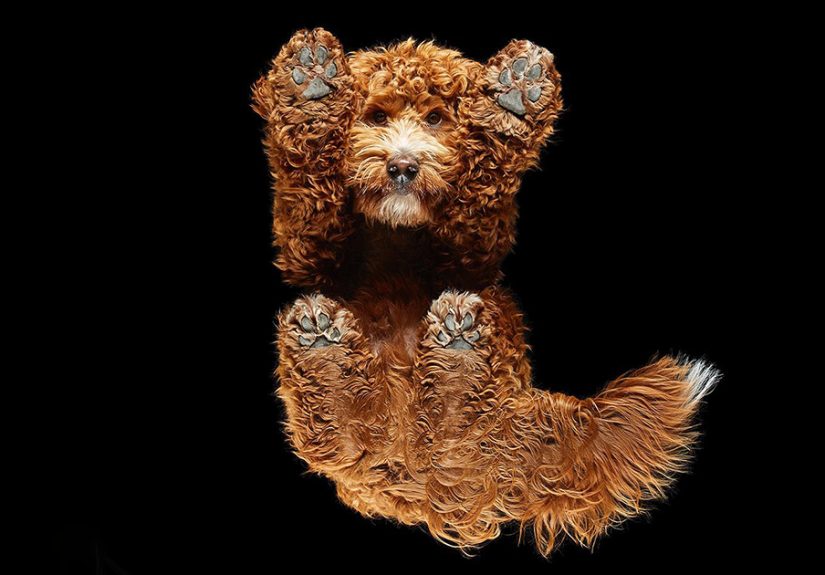
The Underlook Project is a long-running animal photography concept built around one bold visual trick: photographing animals from below as they stand on a transparent surface. Instead of the usual top-down pet portrait, viewers get a clear look at bellies, paws, expressions, posture, and all the odd little details that everyday life usually hides.
That unusual point of view is exactly what makes the series so memorable. A normal pet photo says, “Here is a cute animal.” An Underlook image says, “You have never actually looked at this creature properly, and now you cannot stop staring.” It is the difference between seeing a dog and noticing the delicate balance of its paws, the geometry of its stance, and the way its fur spreads against glass like a fuzzy inkblot designed by nature.
The project is associated with photographer Andrius Burba, whose work turned this upside-down perspective into a recognizable visual identity. Over time, the concept expanded beyond cats to include dogs, rabbits, reptiles, horses, and other animals, proving that the idea was not a one-off joke. It was a real artistic lane, and Burba drove straight down it with a camera, a glass platform, and a very brave amount of ambition.
Why Looking Up at Pets Feels So Fresh
The brilliance of Underlook is that it takes an ordinary subject and makes it surprising without using gimmicky filters, artificial drama, or overworked digital tricks. The animals are still just being animals. The perspective does the heavy lifting.
Tiny paws, big personality
One reason these photos hit so hard is that paws are comedy gold. Cat paws already have an unfair advantage in the cuteness economy, but when viewed from below, they become center stage. They are rounded, tucked, stretched, and pressed against the glass in ways that make each animal seem part ballerina, part loaf, part confused monarch. Dogs, meanwhile, often look joyful and cooperative, as if they accidentally signed up for a fashion campaign and decided to commit.
What viewers notice first is usually the fluff. What keeps them looking is personality. A suspicious cat can appear deeply offended by the entire arrangement. A cheerful dog may look like it has accepted fame as its destiny. A rabbit can project a level of softness that feels scientifically unreasonable. These are not generic pet photos. They are character studies with built-in punchlines.
Familiar animals become brand-new creatures
We see pets from the front, side, and above all the time. That means our brains start to treat those angles as normal and complete. Underlook breaks that habit. The underside of an animal is still part of its identity, but it is rarely visible, so it registers as strange and intimate at the same time.
That combination matters. Strange keeps the viewer curious. Intimate keeps the viewer emotionally connected. The images feel funny because the perspective is unusual, but they also feel oddly tender because they reveal hidden details that pet owners usually never get to study. A cat’s tucked feet, a dog’s weight distribution, or the softness of a rabbit’s underside suddenly becomes the whole event.
What Makes a 44-Photo Pet Gallery So Addictive?
A concept like this works beautifully in gallery form because every image offers the same basic setup but a completely different outcome. The frame is consistent, while the animals do whatever their species, breed, mood, and patience level tells them to do. That makes the series endlessly scrollable.
One photo may give you a symmetrical masterpiece with paws placed like a carefully arranged sculpture. The next may feature a pet that looks mildly betrayed. The one after that might be pure chaos in fur form. This balance between visual consistency and behavioral unpredictability is what makes the collection feel alive.
It also helps that the project understands the internet better than many things that were built specifically for the internet. Each image lands quickly. You do not need a long caption to “get it.” But if you stay longer, there is more to appreciate: anatomy, texture, expression, color contrast, and the subtle reminder that animals are not props. They are individuals with wildly different vibes.
The Craft Behind the Cuteness
The easy reaction to Underlook is to laugh and say, “Well, that is delightful.” The smarter reaction is to realize how much technical problem-solving sits beneath the delight. This style of pet photography is not just a matter of putting an animal on glass and hoping for the best. The setup has to be carefully designed, lit, cleaned, and controlled.
Glass, lighting, and timing
The transparent platform is the heart of the shot, but it is also the source of most complications. It must be strong enough to support the subject, clean enough to avoid distracting dust and smudges, and positioned so the camera can shoot upward without weird reflections wrecking the frame. Lighting has to be controlled with the precision of a studio portrait, except the subject might have whiskers, opinions, and a sudden desire to leave.
And then there is timing. Pets are not famous for loving production schedules. You have to catch the right stance, the right facial expression, and the right body placement before the moment disappears. A great Underlook image feels spontaneous, but the reality is closer to choreographed luck.
Why photographing big animals changes everything
Underlook became even more fascinating when it moved beyond small pets. Photographing larger animals from below turns a clever visual concept into a full engineering challenge. That is where the project stops looking like a cute internet idea and starts looking like a serious feat of planning.
With bigger animals, every variable gets more intense. The glass must be stronger. The structure must be more stable. The distance between subject and camera has to be managed without distorting the final image. Safety becomes non-negotiable. Suddenly, the setup is not just artistic. It is architectural. That scale gives the series an extra layer of respectability. It proves the concept was strong enough to grow.
The Best Part: The Animal’s Comfort Still Matters
Any article about unusual pet photography should deal with one obvious question: Is the animal okay? In the case of a concept like Underlook, that question is not a side note. It is central.
What makes the project more compelling is the emphasis on working quickly, respecting limits, and ending the session when an animal starts to lose interest or show signs of stress. That is not just good ethics. It is good photography. A stressed pet rarely makes a beautiful portrait, and forcing a moment almost always shows up in the final image.
Anyone who has spent time with cats and dogs already knows that they are honest about their feelings, just not in English. Dogs may yawn, pant, lick their lips, avoid eye contact, or look away when tension rises. Cats may crouch, pull their ears back, dilate their pupils, or wrap the tail tightly around the body when they feel uneasy. Good pet photography depends on reading those signals and adjusting accordingly.
That humane awareness also explains why the best animal portraits rarely look stiff. When pets are given some comfort, patience, and room to be themselves, their expressions become more genuine. The image stops feeling staged and starts feeling discovered. That is exactly the tone Underlook often hits: not forced comedy, but natural weirdness caught at the perfect second.
Why the Internet Fell for Underlook
There is a reason quirky animal photography travels so well online. It taps into three things people never seem to get tired of: pets, novelty, and instant emotional payoff. Underlook nails all three.
First, pets are universally engaging. You do not need niche knowledge to appreciate a cat looking like a tiny, offended cloud. Second, the perspective is genuinely new. That matters because internet audiences have seen a lot. To stop a scroll, an image has to offer something different right away. Underlook does that in a split second. Third, the payoff is immediate. The photos are funny, charming, and slightly surreal all at once.
But the project’s real staying power comes from the fact that it is not only cute. Cute gets a click. Curiosity gets a share. Craft gets respect. And a smart visual idea that reveals unseen details of familiar animals earns repeat attention. That is why this project has lived beyond one viral moment.
More Than Cute: Underlook Has a Real Artistic Point
It would be easy to file the series under “fun pet content” and move on, but that would undersell it. Underlook is also about perspective in the literal and artistic sense. It asks viewers to reconsider subjects they thought were fully known.
That matters because good art often does exactly that. It does not always invent a brand-new subject. Sometimes it just moves the camera to the one place no one bothered to stand before. The result is not just visual surprise. It is a reminder that ordinary things are often only ordinary because we keep looking at them the same way.
That is why these quirky pet portraits feel bigger than a gimmick. They are playful, yes, but they also show how much beauty hides inside a change of angle. A dog’s underside becomes sculptural. A cat’s tucked posture becomes mysterious. A rabbit turns into a soft geometric study. That is a pretty solid return on one unexpected camera position.
What Pet Owners Really See in These Photos
Pet owners are especially vulnerable to the Underlook effect because the project presses on a very specific emotional button: recognition mixed with surprise. You know this animal type. You may even know one exactly like it. But you have never quite seen it this way.
That can be funny, but it can also feel weirdly affectionate. Many people look at these images and think of the private little habits of their own pets: the loaf pose on the couch, the dramatic sprawl across the floor vent, the suspicious pause on the glass coffee table, the absurd dignity of a dog standing still for no reason. Underlook transforms those familiar household memories into stylized portraits.
In other words, the series works because it is visually inventive without losing emotional warmth. It still feels like pets. Just pets photographed as if gravity briefly became an art director.
Final Thoughts
The Underlook Project succeeds because it understands a truth that many creative projects miss: people love to be surprised, but they love to feel something even more. These photos do both. They make viewers laugh at fluffy paws pressed against glass, then linger long enough to admire texture, form, and expression.
That is why a gallery built around 44 quirky and cute pets seen from an unexpected perspective is more than a novelty roundup. It is a small lesson in how perspective changes perception. One unusual angle turns everyday animals into portraits that are funny, elegant, intimate, and unforgettable.
Honestly, that is not a bad achievement for a project that began with someone essentially looking under the cat and saying, “Hold on… this is art.”
Extra Reflections: The Experience of Seeing Pets From Below
There is also something strangely personal about spending time with an Underlook gallery. At first, the experience feels light and playful. You click because the premise is too odd to ignore. Then a few photos in, something shifts. You stop reacting only to the joke of the angle and start appreciating how each animal occupies space. A cat is no longer just a cat; it becomes a study in posture, softness, balance, and attitude. A dog’s underside is not merely funny; it reveals how that animal stands, trusts, waits, and interacts with the world. Even viewers who arrive for a quick laugh often leave with a sense that they have seen something unexpectedly intimate.
That is especially true for people who live with pets. The photos can trigger a chain reaction of memory. You remember your own cat curling its paws under its chest like it is hiding state secrets. You remember your dog standing on a glass door or glossy floor for half a second and looking absurdly proud. You remember the daily comedy of pet ownership, those tiny unscripted moments that never seem important until someone turns them into art. Underlook captures that feeling beautifully. It says that the ordinary rituals of life with animals are worth slowing down for.
There is another layer, too: the project quietly changes the way you look at your pet after you close the gallery. Suddenly you notice paw placement, belly fur, the angle of a stretch, the shape of a sit, the way weight shifts from one foot to another. The series trains your eye without announcing that it is doing so. It makes you more observant. It reminds you that animals are full of design details most humans overlook because we are busy, distracted, or simply too used to the same view.
That may be the most lasting achievement of the entire project. It does not just entertain for a few minutes. It nudges the viewer into a fresher relationship with familiar creatures. And in a media landscape crowded with forgettable images, that is no small thing. A funny pet gallery is easy to enjoy. A funny pet gallery that also changes the way you see the world is much rarer. Underlook manages to be both.