Table of Contents >> Show >> Hide
- What Is Unglazed Terracotta Star And Cross 8 in. Tile?
- Why Homeowners Love Unglazed Terracotta Tile
- Best Places to Use Unglazed Terracotta Star and Cross Tile
- Design Ideas for Unglazed Terracotta Star and Cross 8 in. Tile
- Installation Considerations Before You Buy
- Sealing and Maintenance: The Part You Should Not Skip
- Pros and Cons of Unglazed Terracotta Star and Cross Tile
- How to Know If This Tile Is Right for Your Home
- Real-Life Experience With Unglazed Terracotta Star And Cross 8 in. Tile
- Conclusion
Some tiles politely cover a floor. Others walk into the room wearing linen, ordering an espresso, and acting like they have a villa somewhere near the Mediterranean. The Unglazed Terracotta Star And Cross 8 in. Tile belongs firmly in the second group. It is warm, handmade-looking, geometric without being cold, rustic without looking dusty, and stylish enough to make plain square tile feel like it forgot to bring a personality.
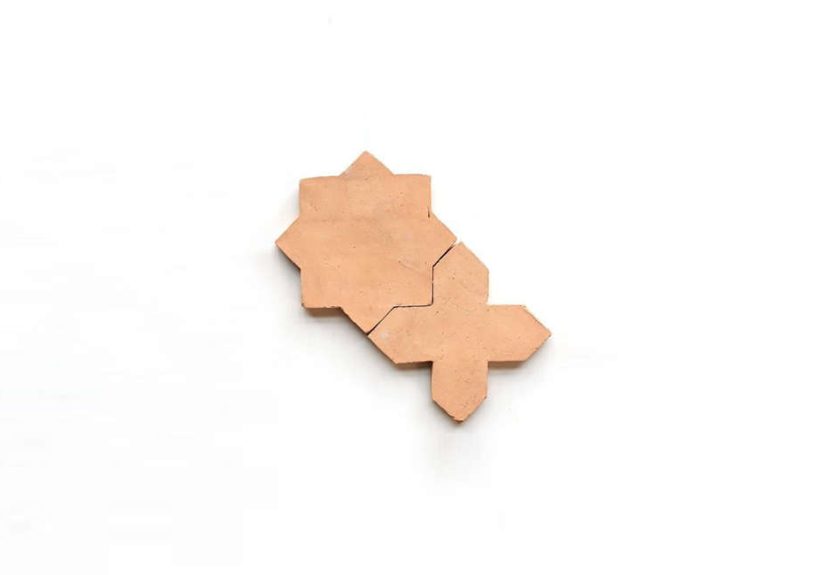
This tile style combines two interlocking shapes: a star and a cross. Together, they create a repeating pattern that looks intricate but feels surprisingly natural. Add the unglazed terracotta surface, and the result is a floor or wall finish with real texture, earthy color variation, and that “I did not try too hard, I was simply born charming” energy.
For homeowners, designers, remodelers, and tile lovers who keep saving kitchen photos at 1 a.m., this guide explains what makes unglazed terracotta star and cross tile special, where it works best, how to style it, what to know before installation, and how to care for it so it ages beautifully instead of dramatically.
What Is Unglazed Terracotta Star And Cross 8 in. Tile?
Unglazed terracotta star and cross 8 in. tile is a clay-based tile made in two complementary shapes that interlock to form a repeating star-and-cross pattern. Terracotta means “baked earth,” which is wonderfully accurate and also much more poetic than “clay that went through a very hot day.” The tile is fired from natural clay and left without a glossy glaze, giving it a matte, porous, earthy surface.
The “8 in.” reference usually points to the larger star component or the overall scale of the pattern, depending on the manufacturer. Because star and cross tile is commonly sold as a set or bundle, the two shapes may have different measurements while still forming a balanced pattern. This is one reason accurate layout planning matters. You are not just installing tile; you are assembling a tiny architectural puzzle with better manners.
Why the Star and Cross Pattern Stands Out
The star and cross pattern has roots in Moroccan, Spanish, Mediterranean, and Moorish-inspired design traditions. It is decorative, but not fussy. It gives a surface movement without needing bright colors or loud prints. In natural terracotta, the pattern feels timeless because the shape creates visual interest while the material keeps everything grounded.
Unlike a bold printed tile that may announce itself from three rooms away, unglazed terracotta star and cross tile whispers with confidence. The geometry catches your eye, the clay adds warmth, and the variation from tile to tile keeps the installation from feeling flat or factory-perfect.
Why Homeowners Love Unglazed Terracotta Tile
Unglazed terracotta has become popular because it brings warmth into modern interiors. Many homes today are filled with smooth white walls, sleek cabinets, stone counters, and minimalist furniture. Those elements can look beautiful, but sometimes they need something earthy to keep the room from feeling like a polite dental office. Terracotta handles that job beautifully.
Its natural red, rust, peach, brown, and clay tones pair well with wood, plaster, marble, limestone, brass, iron, linen, and painted cabinetry. It can look Old World, farmhouse, California casual, Spanish revival, Moroccan-inspired, rustic modern, or even minimalist depending on the surrounding materials.
Unglazed Means Natural Texture
The unglazed surface is one of the biggest reasons people choose this tile. Instead of a shiny protective coating, the tile shows the clay itself. That gives it a tactile matte finish and subtle surface irregularity. The result is beautiful, but it also means the tile is porous and needs thoughtful sealing and maintenance.
Think of unglazed terracotta like a good wooden cutting board. It is natural, useful, and full of character, but it does not want to be ignored, soaked, abused with harsh cleaners, and then blamed for having feelings.
Best Places to Use Unglazed Terracotta Star and Cross Tile
The star and cross terracotta tile pattern works in many parts of a home, especially where you want warmth, texture, and a custom look. Because unglazed terracotta is porous, the location should be chosen carefully and installed according to manufacturer instructions.
Kitchen Floors
A kitchen floor is one of the most popular places to use this tile. The warm clay tones look gorgeous with white oak cabinets, creamy walls, black hardware, unlacquered brass, green cabinetry, and natural stone countertops. The star and cross pattern adds movement, so even a simple kitchen feels layered and intentional.
For kitchens, sealing is especially important because cooking brings oil, wine, coffee, tomato sauce, and mystery crumbs that somehow appear five minutes after sweeping. A properly sealed terracotta floor is easier to clean and more resistant to staining.
Entryways and Mudrooms
An entryway with unglazed terracotta star and cross tile feels welcoming before anyone even hangs up a coat. The pattern makes a small foyer memorable, while the earthy color hides everyday dust better than pale polished surfaces. In mudrooms, the tile can bring charm to a hardworking area, especially when paired with wood benches, woven baskets, and painted storage cabinets.
Bathrooms and Powder Rooms
In powder rooms, this tile can be a showstopper. A small space allows the pattern to shine without overwhelming the home. On bathroom floors, terracotta adds warmth underfoot and pairs well with plaster walls, handmade-look wall tile, stone sinks, and vintage-style fixtures.
Wet areas require extra caution. Unglazed terracotta must be sealed correctly, and not every terracotta tile is suitable for shower floors or constantly wet zones. For bathrooms, always check the manufacturer’s recommendations for water exposure, slip resistance, sealers, grout, and substrate preparation.
Accent Walls and Backsplashes
Although floors get most of the attention, star and cross terracotta can also look stunning on walls. A backsplash behind open shelving, a fireplace surround, a bar wall, or a bathroom vanity wall can become the focal point of the room. On vertical surfaces, the tile avoids some of the wear that comes with flooring while still delivering that handmade clay character.
Design Ideas for Unglazed Terracotta Star and Cross 8 in. Tile
Because this tile already has shape and texture, styling it is about balance. Let it be special. Do not make it compete with seven other dramatic surfaces unless your design goal is “boutique hotel lobby during a very confident phase.”
Pair It With White or Cream Walls
Soft white, warm cream, limewash, and plaster-style walls allow the terracotta color to glow. The contrast feels fresh but not stark. If the tile has red or orange undertones, avoid cold blue-white paint, which can make the floor look too intense. Warm neutrals are usually friendlier.
Use Natural Wood
Wood and terracotta are basically cousins. White oak, reclaimed pine, walnut, and natural maple all work well with clay tile. Wood softens the geometry of the star and cross pattern, while the tile adds richness to the wood. Together, they create a room that feels collected rather than decorated in one frantic weekend.
Choose Grout Carefully
Grout color can change the entire personality of the installation. A grout color close to the terracotta creates a softer, more seamless look. A lighter grout emphasizes the pattern and makes every star and cross more visible. Dark grout can be dramatic, but it may also make the design feel busier and can stain porous tile if the surface is not properly sealed before grouting.
For a classic look, many designers lean toward warm beige, sand, clay, or soft taupe grout. The goal is to define the shape without making the floor look like it is wearing eyeliner.
Mix With Modern Fixtures
One of the best things about unglazed terracotta tile is that it plays nicely with modern elements. In a kitchen, pair it with slab cabinet doors and clean-lined lighting. In a bathroom, try it with a floating vanity and simple wall-mounted fixtures. The tile brings soul; the modern details keep the room from drifting into theme-restaurant territory.
Installation Considerations Before You Buy
Star and cross tile is more complex than basic rectangular tile. That does not mean it is impossible, but it does mean planning matters. The pattern has interlocking shapes, natural variation, and sometimes slight dimensional differences. A skilled installer can make the result look effortless, which is usually a sign that effort was very much involved.
Order Samples First
Never judge terracotta from one perfect product photo. Order samples and look at them in your actual room during morning, afternoon, and evening light. Terracotta changes with lighting, nearby paint colors, and surrounding finishes. A tile that looks softly rustic online may appear much deeper, warmer, or more varied in person.
Expect Color and Texture Variation
Variation is not a defect in terracotta; it is the point. Unglazed clay tile may show shifts in tone, edge irregularity, small surface marks, and texture differences. These features help the finished surface look alive. If you want every tile to be identical, terracotta may test your patience like a toddler with a harmonica.
Dry-Lay the Pattern
Before permanent installation, dry-lay part of the pattern. This helps determine how the stars and crosses align, where cuts will fall, and whether the layout should be centered on the room, a doorway, a vanity, an island, or another visual anchor. Centering on the room is not always the best choice. Sometimes centering on what the eye sees first creates a better result.
Plan for Overage
Because star and cross tile has shaped pieces and more complicated cuts, ordering extra material is smart. Overage covers cuts, breakage, future repairs, and the inevitable moment when someone says, “We should also tile that small side area.” For specialty tile, extra pieces can be a lifesaver if the product is discontinued or future batches vary in color.
Sealing and Maintenance: The Part You Should Not Skip
Unglazed terracotta is porous. That is not a flaw; it is a material characteristic. But it does mean sealing is essential in most residential applications. Without proper sealing, the tile can absorb water, oil, grout pigment, dirt, and stains. With proper sealing, it becomes much easier to live with.
Seal Before Grouting
Many terracotta installations benefit from sealing before grouting. This can act as a grout release and reduce the risk of grout haze or pigment staining the porous clay. The specific sealer, number of coats, and timing should follow the tile manufacturer’s instructions. Always test sealer on sample tiles first because some sealers can deepen or change the color of terracotta.
Seal Again After Grouting
After grout has cured as recommended, a final sealing step often helps protect both the tile and grout. Some homeowners prefer a penetrating sealer for a natural matte appearance, while others choose a topical finish for more sheen and stronger surface protection. The right choice depends on the desired look, location, moisture exposure, and maintenance expectations.
Clean With Gentle Products
For regular cleaning, use a pH-neutral cleaner recommended for sealed terracotta or stone-like surfaces. Avoid harsh acidic cleaners, vinegar-heavy solutions, abrasive powders, wire brushes, and aggressive scrubbing pads. Terracotta may look tough, but it does not enjoy being attacked like a cast-iron pan after a camping trip.
Wipe spills promptly, especially oil, wine, citrus, coffee, and strongly colored liquids. In high-traffic areas, rugs or mats can help protect the surface, but choose breathable rug pads that will not trap moisture or discolor the tile.
Pros and Cons of Unglazed Terracotta Star and Cross Tile
Pros
This tile brings warmth, texture, and historic character to a space. The star and cross pattern creates a custom designer look even in simple rooms. The earthy tones coordinate well with many materials, and the matte surface feels natural rather than overly polished. It can work in rustic, modern, farmhouse, Mediterranean, Spanish revival, and transitional homes.
Cons
The tile requires more planning, installation skill, and maintenance than many porcelain or glazed ceramic options. It is porous, so sealing matters. It may show variation, patina, and wear over time. For some people, that aging is the charm. For others, it may feel too imperfect. Know which camp you are in before ordering several hundred square feet.
How to Know If This Tile Is Right for Your Home
Choose Unglazed Terracotta Star And Cross 8 in. Tile if you love natural materials, warm color, visible texture, and a floor or wall that feels handcrafted. It is ideal for people who appreciate patina and do not expect every surface to remain frozen in showroom perfection forever.
Choose a porcelain or glazed ceramic alternative if you want lower maintenance, tighter dimensional consistency, or stronger resistance to staining with minimal sealing. Terracotta is not the lazy option. It is the beautiful option that asks you to read the care instructions and maybe own a decent mop.
Real-Life Experience With Unglazed Terracotta Star And Cross 8 in. Tile
Living with unglazed terracotta star and cross tile is different from living with basic tile, and that is exactly why people fall in love with it. The first thing most homeowners notice is how much the tile changes the mood of a room. A plain kitchen suddenly feels warmer. A narrow entryway feels designed instead of forgotten. A powder room turns into the tiny jewel box guests mention before they compliment the snacks.
One practical experience worth noting is that samples are extremely helpful. A single online image cannot show how terracotta behaves in your lighting. In bright daylight, red clay can look sunbaked and cheerful. Under warm evening bulbs, it may become deeper and moodier. Near cool gray cabinets, it can look more orange. Near cream paint and wood, it tends to look softer and more organic. Testing samples beside your actual cabinets, wall color, countertop, and grout choices can prevent expensive surprises.
Another common experience is that installation takes patience. The star and cross pattern looks effortless once complete, but during installation it requires careful alignment. The shapes need to interlock cleanly, and small irregularities can affect the visual rhythm. A good installer will often sort tiles, check the pattern, adjust spacing, and step back frequently. This is not the tile to rush on a Friday afternoon with one eye on the weekend.
Sealing is also a memorable part of the process. Many people underestimate how absorbent unglazed terracotta can be. A test board is a smart move: install a few spare pieces, apply the recommended sealer, test grout, wipe it down, and observe the result. This small experiment can reveal whether the sealer changes the color, whether grout pigment clings to the surface, and whether the final finish feels matte, satin, or too shiny for your taste.
In everyday use, sealed terracotta is easier to live with than many people expect, but it still rewards good habits. Wiping spills quickly matters. Using gentle cleaners matters. Avoiding harsh acids matters. If you treat it like natural stone or wood rather than bulletproof plastic, it behaves well. Over time, the tile may develop a soft patina in high-use areas. For terracotta lovers, that aging is not damage; it is the floor collecting stories.
The star and cross pattern also affects how people experience a room. Because the pattern is geometric, it gives movement even when the color is quiet. This works especially well in spaces with simple furniture and calm finishes. In a kitchen with flat-front cabinets, the tile keeps the room from feeling too plain. In a bathroom with minimal walls and fixtures, it creates a focal point without needing wallpaper or bright paint.
One small but important lesson: keep extra tile. Specialty terracotta batches can vary, and star and cross shapes are not as easy to replace as standard squares. A few spare stars and crosses stored safely can save you later if a tile cracks, a plumbing repair requires removal, or you expand the project. Future-you will be deeply grateful, possibly emotional.
Overall, the experience of using unglazed terracotta star and cross 8 in. tile is best described as choosing character over convenience. It is not the most maintenance-free surface, and it does not pretend to be. But it offers warmth, depth, and visual charm that many modern materials try to imitate and rarely capture. If your home needs texture, history, and a little bit of Mediterranean confidence, this tile is a very persuasive candidate.
Conclusion
Unglazed Terracotta Star And Cross 8 in. Tile is a beautiful choice for homeowners who want more than a simple surface. It offers pattern, warmth, texture, and old-world charm in a format that still feels fresh in modern American homes. It works especially well in kitchens, entryways, powder rooms, bathrooms, accent walls, and other spaces where natural clay can become part of the room’s personality.
The key is understanding the material before you commit. Unglazed terracotta is porous, naturally varied, and best cared for with proper sealing and gentle maintenance. The star and cross layout also benefits from thoughtful planning and skilled installation. If you welcome those details, this tile can reward you with a surface that feels warm, timeless, and genuinely special.
Note: This article is based on current product information, tile design references, installation guidance, and care recommendations from reputable U.S. tile retailers, manufacturers, and home-improvement resources. Always confirm final specifications, sealers, grout, and installation methods with the tile manufacturer or a qualified tile professional before starting a project.