Table of Contents >> Show >> Hide
- What Is Urea in Skincare?
- How Urea Works on the Skin
- Benefits of Urea in Skincare
- Common Uses of Urea Cream and Lotion
- How to Choose the Right Urea Percentage
- How to Use Urea in a Skincare Routine
- Possible Side Effects and Risks
- Urea vs. Other Skincare Ingredients
- Best Practices for Sensitive Skin
- Myths About Urea in Skincare
- Practical Experiences With Urea in Skincare
- Conclusion
Urea in skincare sounds like something that needs a public relations team. The name is not exactly glamorous, and yes, your brain may immediately wander toward “wait… isn’t that in urine?” Technically, urea is a compound naturally found in the body, including in the skin and urine. But the urea used in skincare products is made synthetically in a lab, not collected from any suspicious bathroom situation. Your moisturizer is safe from plumbing-related drama.
In dermatology, urea is one of those quiet overachievers. It hydrates, softens, smooths, exfoliates, and supports the skin barrier, depending on the concentration used. It can be helpful for dry skin, rough heels, keratosis pilaris, calluses, scaly patches, and certain chronic skin conditions. In other words, urea may not have the celebrity status of retinol or vitamin C, but it deserves a very comfortable chair at the skincare grown-ups’ table.
This guide explains what urea is, how it works, the best ways to use it, who should be careful with it, and how to choose the right urea cream or lotion without turning your bathroom shelf into a chemistry lab.
What Is Urea in Skincare?
Urea is a natural moisturizing factor, often shortened to NMF. Natural moisturizing factors are substances found in the outermost layer of the skin that help attract and hold water. Think of them as tiny moisture magnets that keep the skin flexible instead of flaky, tight, and grumpy.
In healthy skin, urea helps maintain hydration and barrier function. When the skin becomes very dry, irritated, or affected by conditions such as eczema, psoriasis, or ichthyosis, the amount of natural urea in the skin may be lower. This is one reason topical urea can be so useful: it helps replace something the skin already understands.
Is Skincare Urea the Same as Urine?
No. This is the part where your moisturizer gets to defend its honor. Urea was originally identified as a component of urine, but the urea used in modern skincare is synthetically manufactured. It is clean, controlled, cosmetic-grade or pharmaceutical-grade, and not derived from bodily waste.
So, if you see “urea” on an ingredient label, do not panic. It does not mean someone bottled a biology class. It means the product contains a well-studied compound that can help dry, rough, or thickened skin behave more like skin and less like old parchment.
How Urea Works on the Skin
Urea works in two main ways: as a humectant and as a keratolytic. The effect depends largely on the percentage of urea in the product.
Urea as a Humectant
At lower concentrations, usually around 2% to 10%, urea acts mainly as a humectant. Humectants pull water into the outer layer of the skin and help keep it there. This can make the skin feel softer, smoother, and more comfortable.
This is why lower-strength urea creams and lotions are often used for everyday dry skin, mild roughness, or skin that feels tight after showering. Urea can be especially helpful when combined with ingredients like glycerin, ceramides, hyaluronic acid, dimethicone, petrolatum, or shea butter.
Urea as a Keratolytic
At higher concentrations, usually above 10%, urea begins to act more strongly as a keratolytic. Keratolytic ingredients help loosen and shed excess dead skin cells. This makes urea useful for rough, thick, bumpy, or scaly skin.
A 10% to 20% urea product may help with rough elbows, dry legs, keratosis pilaris, or mild scaling. Stronger products, such as 30% to 40% urea creams, are often used for very thick skin on the feet, stubborn calluses, cracked heels, or thickened nails. These higher strengths should be used carefully, and in many cases, with guidance from a healthcare professional.
Benefits of Urea in Skincare
Urea has several skincare benefits, which explains why dermatologists often recommend it for dry, rough, and scaly skin. It is not a trendy ingredient that arrived yesterday wearing a tiny influencer hat. Urea has been used in dermatology for decades because it works.
1. Deep Hydration for Dry Skin
The most common reason people use urea in skincare is hydration. Urea helps the outer layer of the skin hold onto water, which can reduce tightness, flaking, and that uncomfortable “my skin is one strong breeze away from cracking” feeling.
For people with dry skin caused by weather, frequent handwashing, aging, harsh soaps, or indoor heating, a low-strength urea lotion can be a practical daily moisturizer. It is especially useful on the body, hands, feet, elbows, knees, and lower legs.
2. Smoother Texture
Because urea can soften and loosen dead skin cells, it may improve rough texture over time. This makes it helpful for skin that feels sandpapery, bumpy, or uneven. Unlike a scrub, urea does not rely on physical friction. That is good news for anyone who has ever exfoliated too aggressively and ended up looking like they argued with a bath towel.
3. Support for the Skin Barrier
The skin barrier is the protective outer layer that helps keep moisture in and irritants out. When the barrier is weak, skin can become dry, itchy, red, or more reactive. Urea supports hydration and may help improve barrier function, especially when paired with barrier-repair ingredients such as ceramides and fatty acids.
4. Help for Keratosis Pilaris
Keratosis pilaris, often called “chicken skin,” causes tiny rough bumps, commonly on the upper arms, thighs, cheeks, or buttocks. It happens when keratin plugs the hair follicles. Urea can help by moisturizing the area and gently loosening the buildup of dead skin.
For keratosis pilaris, many people do well with a body cream containing 10% to 20% urea. Some formulas also include lactic acid or salicylic acid, which can increase smoothing benefits. The key is consistency. KP rarely disappears overnight, because skin, unfortunately, did not read your calendar.
5. Softening Calluses and Cracked Heels
Urea is a popular ingredient in foot creams because it can soften thick, hard skin. A 20% to 40% urea cream may help reduce calluses and improve cracked heels when used regularly. Applying it at night and covering the feet with cotton socks can help the product stay in place and reduce the chance of turning your floors into a slip-and-slide.
6. Useful for Certain Scaly Skin Conditions
Urea may be recommended as part of skincare routines for conditions that involve dryness, scaling, or thickened skin, such as psoriasis, ichthyosis, eczema-related dryness, and xerosis. It does not cure these conditions, but it can help manage roughness, scaling, and discomfort.
Anyone with a diagnosed skin condition should follow their clinician’s treatment plan. Urea can be a helpful supporting actor, but it may not be the entire movie.
Common Uses of Urea Cream and Lotion
Urea products come in lotions, creams, gels, ointments, foams, and nail treatments. The best format depends on where you are using it and how dry or thick the skin is.
For the Face
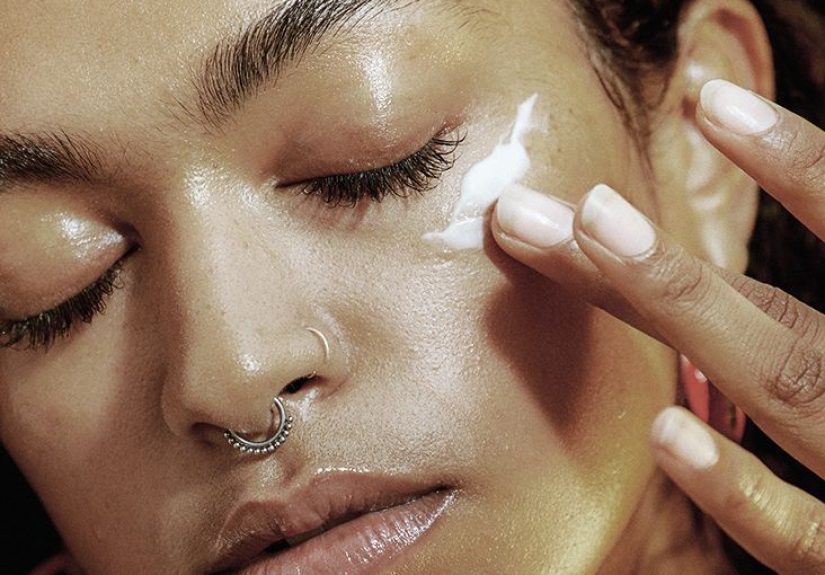
Low concentrations of urea, usually below 10%, may be suitable for facial use, especially for dry or dehydrated skin. However, the face is more sensitive than areas like the feet or elbows. If you are new to urea, start with a gentle product, use it a few times per week, and avoid layering it with strong exfoliating acids or retinoids at first.
For the Body
Body lotions and creams with 5% to 10% urea can help with everyday dryness. These are good choices for dry legs, arms, and hands. For rougher patches, a 10% to 20% formula may be more effective.
For Feet and Heels
Feet often need stronger formulas because the skin is thicker. A 20% urea foot cream can help with dry, rough heels, while 30% to 40% products are typically reserved for stubborn calluses, thickened skin, or nail concerns. Higher-strength urea should not be applied to open cracks, bleeding skin, or infected areas unless a healthcare professional says it is appropriate.
For Hands
Hands are constantly exposed to soap, sanitizer, cleaning products, weather, and other daily irritants. A urea hand cream can help restore softness and reduce roughness. If your hands are cracked or inflamed, choose a lower concentration and fragrance-free formula to reduce the chance of stinging.
How to Choose the Right Urea Percentage
Choosing a urea product is mostly about matching the strength to your skin concern. More is not always better. A 40% urea cream on mildly dry facial skin is not “advanced skincare.” It is more like using a snow shovel to serve soup.
2% to 10% Urea
This range is best for hydration, mild dryness, and daily moisturizing. It is often suitable for sensitive areas, depending on the formula. Look for this range if your goal is softer, more comfortable skin rather than heavy exfoliation.
10% to 20% Urea
This range offers both moisturizing and smoothing effects. It may be useful for rough body skin, keratosis pilaris, dry elbows, dry knees, and flaky legs. Start slowly if your skin is sensitive.
20% to 40% Urea
This range is stronger and more keratolytic. It is commonly used for thick calluses, cracked heels, very rough feet, and sometimes thickened nails. These products should be used with caution, especially if you have diabetes, poor circulation, neuropathy, open wounds, or frequent skin infections.
How to Use Urea in a Skincare Routine
Urea is generally easy to use, but a few smart habits can make it more effective and less irritating.
Apply to Damp Skin
For moisturizing benefits, apply urea cream or lotion after bathing or washing while the skin is still slightly damp. This helps trap water in the skin. Do not apply to soaking wet skin unless the product instructions say so; you want damp, not freshly emerged swamp creature.
Start Slowly
If you are using urea for the first time, apply it once daily or every other day. Increase as tolerated. This is especially important with products above 10% or if you have sensitive skin.
Avoid Broken or Irritated Skin
Urea may sting when applied to cuts, open cracks, freshly shaved skin, or active rashes. If your skin barrier is severely damaged, choose a bland moisturizer first and ask a dermatologist when to add urea.
Use Sunscreen During the Day
Urea itself is not known as a major sun-sensitizing ingredient like some exfoliating acids, but smoother exfoliated skin still needs protection. If urea is part of your daytime routine on exposed skin, use broad-spectrum sunscreen.
Possible Side Effects and Risks
Urea is generally considered safe for many people when used correctly. Still, side effects can happen, especially with stronger formulas or sensitive skin.
Common Side Effects
Possible side effects include mild burning, stinging, itching, redness, dryness, or irritation. These effects are more likely when urea is applied to broken skin, inflamed skin, or areas where the product is too strong.
Allergic Reactions
True allergy to urea is uncommon, but skincare products contain more than one ingredient. Fragrance, preservatives, botanical extracts, or other actives may trigger reactions. Stop using the product and seek medical advice if you develop hives, swelling, severe redness, blistering, or worsening rash.
Who Should Be Careful?
People with very sensitive skin, active eczema flares, rosacea-prone skin, open wounds, or severely cracked skin should use urea carefully. People with diabetes or circulation problems should ask a clinician before using strong urea foot creams, especially on cracked heels or calluses.
Pregnant or breastfeeding people should check with a healthcare professional before using high-strength medicated urea products, particularly over large areas. Low-strength cosmetic moisturizers may be acceptable for many users, but personal medical guidance is always safest.
Urea vs. Other Skincare Ingredients
Urea often appears in the same conversation as lactic acid, salicylic acid, glycerin, and ceramides. Each ingredient has a slightly different role.
Urea vs. Lactic Acid
Lactic acid is an alpha hydroxy acid that exfoliates and hydrates. Urea also hydrates and can exfoliate at higher concentrations, but it is often better tolerated as a moisturizer at lower strengths. Some body products combine both for rough skin and keratosis pilaris.
Urea vs. Salicylic Acid
Salicylic acid is oil-soluble and useful for clogged pores, acne, and rough follicular buildup. Urea is more focused on hydration, softening, and reducing thickened skin. For bumpy body texture, the two may work well together, but sensitive skin types should introduce them gradually.
Urea vs. Glycerin
Glycerin is a classic humectant that attracts water. Urea does this too, but it also has keratolytic properties at higher strengths. If your skin is simply dry, glycerin and low-dose urea can both help. If your skin is dry and rough, urea may offer extra smoothing benefits.
Urea vs. Ceramides
Ceramides are lipids that help repair and support the skin barrier. Urea hydrates and softens. They are not rivals; they are teammates. A moisturizer with both urea and ceramides can be an excellent choice for dry, compromised skin.
Best Practices for Sensitive Skin
If your skin reacts to everything except plain water and kind words, choose urea products carefully. Look for fragrance-free formulas, avoid essential oils, and start with a low concentration. Patch test on a small area for several days before applying widely.
Avoid combining urea immediately with strong retinoids, exfoliating acids, benzoyl peroxide, or harsh scrubs. Too many active ingredients at once can overwhelm the skin barrier. Skincare should not feel like a group project where every ingredient talks over everyone else.
Myths About Urea in Skincare
Myth 1: Urea Is Dirty
False. Cosmetic and pharmaceutical urea is synthetic and purified. It is not urine, and it is not dirty.
Myth 2: Higher Percentage Always Works Better
False. Higher percentages are stronger and can irritate skin if used in the wrong place. Match the concentration to your concern.
Myth 3: Urea Is Only for Feet
False. Urea is excellent for feet, but low-strength formulas can also help dry hands, arms, legs, and sometimes the face.
Myth 4: Urea Exfoliates Like a Scrub
False. Urea works chemically by softening and loosening dead skin cells. It does not physically scrape the skin, which can make it a gentler option for many people.
Practical Experiences With Urea in Skincare
Using urea in real life is usually less dramatic than skincare marketing makes it sound. There is no instant glass-skin trumpet fanfare. Instead, the improvement tends to be practical and gradual: rough heels feel less like sandpaper, dry shins stop looking dusty five minutes after applying lotion, and bumpy arms become smoother with steady use.
One common experience is with dry feet. Many people apply regular body lotion to cracked heels for weeks and wonder why nothing changes. The reason is simple: thick heel skin often needs more than basic moisture. A 20% urea foot cream can soften the hardened layer so moisture can actually make a difference. Used nightly, especially under cotton socks, it may noticeably improve texture within a couple of weeks. The socks are not glamorous, but neither are cracked heels that snag on bedsheets like Velcro.
Another relatable situation is keratosis pilaris on the upper arms. People often scrub the bumps aggressively, hoping to polish them away. Unfortunately, harsh scrubbing can make redness and irritation worse. A urea body lotion used consistently after showers is usually a smarter approach. It hydrates while gently smoothing the plugged follicles. The results may take several weeks, and the bumps may not disappear completely, but the skin often feels softer and looks calmer.
Hand dryness is another area where urea can be surprisingly helpful. Frequent handwashing, cleaning products, and sanitizer can leave the hands rough and tight. A low-strength urea hand cream applied after washing and before bed may reduce dryness without feeling as heavy as plain petrolatum. For very cracked hands, however, urea may sting. In that case, it is better to repair the skin first with a bland ointment, then add urea once the cracks have closed.
Facial use requires more caution. Some people love low-dose urea moisturizers because they make dry facial skin feel plump and comfortable. Others find even mild urea formulas tingly, especially around the nose, mouth, or cheeks. This does not mean urea is bad; it means the concentration, formula, or timing may not suit that person’s barrier. A good rule is to use low-strength urea on the face at night, avoid mixing it with strong actives at first, and stop if irritation persists.
The biggest lesson from real-world use is that urea rewards patience. It works best when used regularly, not randomly three times and then abandoned like a forgotten gym membership. Apply it consistently, choose the right percentage, and pay attention to your skin’s feedback. If your skin feels smoother and more comfortable, you are probably on the right track. If it burns, peels excessively, or becomes redder, reduce frequency, switch to a lower strength, or ask a dermatologist for guidance.
Conclusion
Urea in skincare is a practical, science-backed ingredient for dry, rough, flaky, or thickened skin. At low concentrations, it works mainly as a humectant, helping the skin hold water and feel softer. At higher concentrations, it also acts as a keratolytic, helping loosen dead skin cells and smooth rough texture.
The best urea product depends on your skin goal. Choose lower strengths for everyday hydration, moderate strengths for rough body texture or keratosis pilaris, and higher strengths for thick calluses or cracked heels. Use it carefully, avoid broken skin, and do not assume stronger means better. Your skin is an organ, not a kitchen floor that needs industrial treatment.
For many people, urea is one of the most underrated ingredients in skincare. It may not sound fancy, but it can make dry skin softer, smoother, and much more comfortable. Sometimes the unglamorous ingredient is the one doing all the heavy lifting.
Note: This article is for educational purposes only and does not replace medical advice. If you have a chronic skin condition, open wounds, diabetes-related foot concerns, severe irritation, or persistent symptoms, consult a licensed healthcare professional or board-certified dermatologist.