Table of Contents >> Show >> Hide
- Why MS Can Make Walking So Complicated
- The Day I Stopped Treating the Wheelchair Like a “Defeat”
- Choosing the Right Wheels: From “Borrowed Chair” to “My Chair”
- The “Wheelchair Skills” Nobody Hands You With the Receipt
- Making Home and Community Work With You
- The Emotional Side: Independence, Identity, and Awkward Small Talk
- If You’re Considering a Wheelchair for MS, Here’s What I Wish I’d Known
- Final Thoughts: Wheels Aren’t the End of the Story
- Extra: of “This Is What It’s Really Like” Moments
The first time I used a wheelchair in public, I treated it like a witness-protection disguise: sunglasses, baseball cap, “No, I’m totally fine, why do you ask?” energy. I didn’t want people to look at me differently. I also didn’t want to look at me differently.
Here’s the twist: the wheelchair didn’t shrink my world. It expanded it. It didn’t erase who I am. It gave me back time, energy, and the ability to show upwithout arriving already exhausted and pretending that was “just my personality.”
This is my story of using a wheelchair with multiple sclerosis (MS)not as a “last resort,” but as a tool. Along the way, I’ll share what I learned from neurologists, physical and occupational therapists, and a lot of trial-and-error in the wild (aka grocery store parking lots).
Why MS Can Make Walking So Complicated
MS is a disease of the central nervous system that can interrupt how the brain and spinal cord communicate with the rest of the body. That “interrupted signal” part matters because walking is not one simple action. It’s a whole orchestra: balance, vision, sensation in your feet, strength, coordination, timing, and endurance.
For me, the biggest culprits weren’t always dramatic. They were sneaky, everyday issues that stacked up: leg weakness that felt like walking through wet cement, spasticity that made my muscles tighten at the worst moments, and balance problems that turned “carry laundry down the hall” into a high-stakes sport. Fatigue was the headliner, thoughthe kind that isn’t fixed by a nap or coffee, because it’s tied to how MS affects the body.
I used to assume a wheelchair was only for people who “couldn’t walk.” But MS doesn’t always work like a light switch. It’s more like a dimmer plus a random strobe setting you never asked for. Some days I could walk short distances. Other days, my body filed a formal complaint.
The Day I Stopped Treating the Wheelchair Like a “Defeat”
I resisted the idea for a long time. My internal monologue was dramatic: “If I use a wheelchair, I’m giving up.” “If I use it now, I’ll use it forever.” “If I use it, people will assume I’m worse than I am.”
Then came a family event that should’ve been easy: show up, hug people, eat something that was definitely not gluten-free, laugh, go home. Instead, I spent the whole day doing math in my head: how far is the parking lot, where can I sit, how long until my leg starts to drag, what’s my exit plan, and will I have enough energy to look happy in photos?
Afterward, I realized something uncomfortable: I wasn’t protecting my independence. I was spending it. I was paying for “walking like everyone else” with pain, falls risk, and days of recovery.
A physical therapist said something that finally clicked: “Mobility is the goal. The method is flexible.” In other words, the win is getting to your life safely and with energy left over. The wheelchair wasn’t a symbol of decline. It was a strategy.
Choosing the Right Wheels: From “Borrowed Chair” to “My Chair”
There’s no single “MS wheelchair.” The best option depends on your symptoms, your home setup, your lifestyle, andvery practicallyyour budget and insurance.
Manual wheelchair, power chair, or scooter?
I started by borrowing a basic manual chair for a day. It taught me two things quickly: (1) I loved not being wiped out after a short outing, and (2) pushing myself long distances was not the empowering montage I envisioned. It was more like an upper-body pop quiz.
A manual chair can work well if you have enough arm and core strength, or if you’ll often have someone who can help pushespecially for occasional use. A scooter can be useful if you can transfer in and out safely and operate the controls comfortably. A power wheelchair may be a better fit if fatigue is severe, walking is unsafe, or self-propelling a manual chair isn’t realistic in your day-to-day life.
The key lesson: match the device to your real life, not your idealized “I should be able to…” life. MS can change over time, and mobility needs can change with it.
Get evaluated (seriouslythis part saves money and misery)
I used to think “wheelchair fitting” meant “pick a chair that looks normal and doesn’t squeak.” I was wrong. The right seating and positioning can reduce pain, improve posture, support breathing, and help prevent skin breakdown. A clinician trained in wheelchair assessment (often PT or OT) can evaluate things like trunk support, leg positioning, spasticity patterns, and how you transfer.
This is also where the “accessories” stop being accessories. A pressure-relieving cushion, the right footrests, an appropriate back support, and even tilt or recline features (when needed) can be the difference between “I can use this daily” and “why does my body hate this chair?”
Insurance and documentation: boring, but important
If you’re seeking coverage through Medicare or private insurance, expect paperwork and clinical notes. Coverage typically depends on medical necessity and how the device supports mobility-related activities of daily living, especially in the home. There may be required exams, written orders, anddepending on the deviceprior authorization.
My best advice: treat this like a project. Keep a folder (digital or paper) with clinic notes, device recommendations, and a short list of real examples: “I can’t safely get from bedroom to bathroom without stopping,” “I fall when fatigued,” “I can’t propel a manual chair due to weakness,” “I need to conserve energy to work.” Specific beats vague every time.
The “Wheelchair Skills” Nobody Hands You With the Receipt
A wheelchair isn’t just a chair. It’s transportation, posture support, and a moving relationship with gravity. Once I accepted that, I got a lot better at using it safely.
Transfers and fall prevention
Even if you can still walk some, transfers matter: chair to bed, chair to toilet, chair to car. I learned to slow down, lock the brakes, remove obstacles, and set myself up before moving. When fatigue hits, your brain’s “shortcut mode” turns onand that’s when falls happen.
Balance and gait training with a therapist helped, too. It wasn’t about becoming a superhero. It was about learning safer strategies for turning, standing, and navigating uneven surfaces.
The sidewalk is not your friend
I used to notice cracked sidewalks the way most people notice clouds: vaguely, if at all. In a wheelchair, I suddenly became a connoisseur of pavement. Uneven surfaces, steep driveways, narrow doorways, and missing curb cuts can turn a simple trip into an obstacle course.
My coping strategy became part planning, part humor: “If the restaurant has three steps and no ramp, we’re going somewhere elsemy chair doesn’t do parkour.”
Pressure relief and skin checks
If you spend more time sitting, protecting your skin becomes non-negotiable. Pressure injuries can develop when the same areas bear weight too long, especially over bony spots. The solution isn’t complicated, but it does require consistency: repositioning, pressure-relieving cushions, and checking skin regularly.
I set reminders at firstbecause I’m human, and humans forget things until they become problems. Over time, pressure relief became habit: shift my weight, lean, tilt (if your chair has it), or do a quick “reset” before discomfort shows up.
Energy management: the wheelchair as a fatigue strategy
The biggest unexpected benefit was energy conservation. Using a wheelchair for longer outings meant I could participate and function afterward. Occupational therapy-style strategies helped me rethink my day: pace activities, build in rest breaks, reduce unnecessary steps, and save energy for what matters.
I started planning like a practical optimist: park closer when possible, schedule errands earlier, carry less, use delivery sometimes, and stop pretending that “pushing through” is a personality trait.
Making Home and Community Work With You
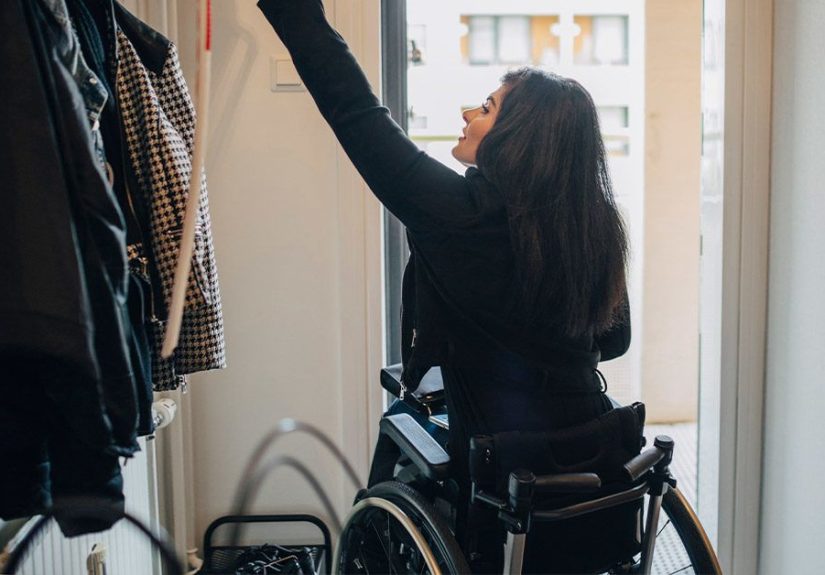
The chair changed what I noticed about my environmentand what I was willing to change. Not everything needs a renovation budget. Some fixes are small but life-changing.
Small home upgrades with big payoff
- Declutter pathways: narrow hallways plus laundry baskets equals chaos.
- Remove loose rugs and cords: wheels love to snag on surprises.
- Swap knobs for levers: easier on hands when dexterity is off.
- Bathroom support: grab bars, a raised toilet seat, or a shower chair can reduce fall risk.
- Threshold ramps: small lips at doorways can feel like mountains on a bad day.
If you’re adding a ramp, gentle slope matters for real usability. Even “technically compliant” ramps can feel steep when fatigue is high, arms are tired, or conditions are slick. When in doubt, less steep is kinder.
Transportation and getting back your “yes”
Once I could move farther with less fatigue, I started saying yes againyes to events, yes to meeting a friend, yes to being out long enough to feel like a person instead of a medical appointment with a pulse.
Transportation took some experimentation. Sometimes it was a standard car with a chair that folds easily. Sometimes it was borrowing a ramped vehicle for longer trips. The biggest change was psychological: I stopped planning my life around how close I could park.
The Emotional Side: Independence, Identity, and Awkward Small Talk
Nobody tells you that mobility aids come with emotions. There’s grief, relief, fear, pride, and sometimes a weird sense of being “on display.” I had to work through the idea that I needed to look a certain way to be taken seriouslyby others and by myself.
I also had to develop scripts for public interactions, because strangers can be… enthusiastic. My favorites:
- “What happened?” → “I have MS. Today, wheels are my secret weapon.”
- “But you don’t look sick.” → “That’s because my illness didn’t get the memo about my outfit.”
- “Do you need help?” → “Thanks for askingyes, could you hold the door?”
There’s a balance between accepting help and keeping autonomy. What worked for me was learning to ask for specific, practical help (a door, a chair moved, a tray carried) instead of struggling silently to prove a point.
If You’re Considering a Wheelchair for MS, Here’s What I Wish I’d Known
- A wheelchair can be part-time. Many people use one for long outings and walk at home or on good days.
- Safety beats pride. If falls are happeningor you avoid activities because you fear fallingthat’s a signal.
- Trial before you commit. If possible, test different chairs and setups. Comfort and control matter.
- Get a professional assessment. Proper fit supports posture, comfort, and skin health.
- Plan for your environment. Think about door widths, turning space, car transport, and where you’ll store or charge equipment.
- Document real-life needs. Specific examples help clinicians and insurers understand why the device is medically necessary.
- Practice skills. Brakes, turns, curbs, transfersthese are learnable skills, not personality traits.
Final Thoughts: Wheels Aren’t the End of the Story
Using a wheelchair didn’t make my MS disappear, but it did change how I live with it. I stopped measuring my days by how much I could endure. I started measuring them by how much I could do without paying for it with a crash later.
The chair didn’t take away my independence. It returned itlike a library book I forgot I checked out. (And yes, I was overdue. By years.)
Extra: of “This Is What It’s Really Like” Moments
The first “wheelchair win” I remember was ridiculously ordinary: I went to a big-box store, bought what I needed, and left without feeling like I’d run a marathon in a snowsuit. I sat in the car afterward and waited for the usual wave of fatigue to hitthen realized it wasn’t coming. I actually had energy to stop for coffee, which sounds small until you’ve spent years rationing your body like it’s the last phone battery on earth.
Then came my first “wheelchair lesson,” delivered by a sidewalk crack so dramatic it should’ve had a warning label. I didn’t tip, but I learned to scan the ground the way hikers scan trails. I also learned that people will either (a) pretend they don’t see you struggling with a door, or (b) rush over like you’re auditioning for a rescue scene. The sweet spot is teaching friends and family the help that actually helps: “Grab the door,” “Move that chair,” “Walk beside me, not behind me narrating like a nature documentary.”
Socially, the chair changed the room before I said a word. Sometimes that was hard. Sometimes it was oddly clarifying. The people who matter adjusted fast. They asked what I needed. They didn’t turn my mobility into a personality test. And on days when I felt self-conscious, I used humor like a Swiss Army knife. If someone stared too long, I’d smile and say, “Don’t worrythis model doesn’t bite. It just has strong opinions about carpet.”
Work was another learning curve. In meetings, I discovered the world is full of “almost accessible” spaces: the conference room you can enter but not turn around in, the table that fits everyone except the chair, the “accessible bathroom” that requires the flexibility of a gymnast to close the door. I got better at advocating calmly and early: “I’m bringing my chair; can we choose a room with space to maneuver?” The first time I asked, I felt like I was being difficult. The tenth time, I felt like I was being efficientbecause I was.
Travel brought a surprising emotional shift. I used to avoid long outings because I hated the aftermath: the next-day heaviness, the flare of spasticity, the way my legs would feel like they’d been swapped for tired sandbags. With the wheelchair, I could pace myself. I could stop and enjoy things instead of hunting for the nearest bench. I wasn’t “less capable.” I was more strategic. And strategy, as it turns out, is a nicer word for survival.
The most personal moment happened at home. I realized I was laughing more. Not because MS is funny, but because I wasn’t constantly bracing for the next physical consequence. I had space to be myself againchatty, curious, slightly sarcastic, and fully present. The wheelchair didn’t change my identity. It simply made room for it.