Table of Contents >> Show >> Hide
- Why an Organized Snack Cabinet Matters More Than You Think
- Start With a Reset, Not With Containers
- Build a Snack Cabinet System That Actually Works
- Smart Snack Storage Ideas for Different Homes
- Decant or Keep Original Packaging?
- How to Keep Snacks Fresh and Reduce Waste
- Common Organized Snack Cabinet Mistakes
- Budget-Friendly Ways to Organize a Snack Cabinet
- How to Maintain Your Pantry Snack Organization
- What an Organized Snack Cabinet Looks Like in Real Life
- Experiences Related to an Organized Snack Cabinet
- Conclusion
There are two kinds of snack cabinets in this world. The first is calm, tidy, and quietly heroic. You open it, grab what you need, and close it like the organized adult you swore you would become. The second is a crunchy avalanche of granola bars, mystery crackers, one rogue fruit pouch, and a half-empty chip bag balancing on emotional instability. This article is for anyone living with Cabinet Number Two.
An organized snack cabinet is not just a pretty corner for social media. It saves time, cuts food waste, helps families see what they actually have, and makes everyday life feel a little less like a scavenger hunt. Whether you live in a small apartment, share a kitchen with hungry kids, or simply want your pantry snack organization to stop behaving like a cardboard jungle, a smart system can change the whole rhythm of your kitchen.
The good news is that you do not need a celebrity pantry, a rainbow of imported baskets, or the patience of a monk. You need a method. With the right snack storage strategy, clear categories, and a few common-sense habits, your snack cabinet ideas can go from chaotic to chef’s-kiss functional.
Why an Organized Snack Cabinet Matters More Than You Think
A messy cabinet does not just look annoying. It creates friction. People rebuy snacks they already own because they cannot see them. Kids rip open new boxes while older ones go stale in the back. Adults trying to make healthier choices somehow end up face-to-face with the emergency cookies first. It is a whole lifestyle plot twist.
When your kitchen cabinet organization is built around visibility and access, better decisions become easier. You know what needs to be used first. You can separate school snacks from road-trip snacks, sweet treats from savory snacks, and everyday options from special-occasion goodies. A good system also helps with portion awareness, allergy management, lunch packing, and faster grocery put-away.
In other words, an organized snack cabinet is not about perfection. It is about reducing the daily nonsense.
Start With a Reset, Not With Containers
The biggest mistake people make is buying bins before they understand the mess. That is like buying fancy hangers before admitting you own twelve black hoodies and one emotional support cardigan. Start by taking everything out of the cabinet. Yes, all of it. Even the stale pretzels pretending to be a food group.
Step 1: Empty the Cabinet Completely
Place everything on the counter or table so you can see the full snack inventory. This is the moment of truth. Check for duplicates, expired items, crushed boxes, and open packages that have turned into pantry confetti.
Step 2: Toss, Donate, and Relocate
Throw away anything stale, damaged, or clearly past its prime. Donate unopened items you know nobody in your household will eat. Relocate snacks that do not belong there, such as baking ingredients, vitamins, or random tea boxes that wandered in like lost tourists.
Step 3: Wipe the Space Down
Clean shelves, corners, and cabinet doors. Crumbs are tiny but mighty. They attract mess, make containers slide badly, and somehow multiply when nobody is looking.
Build a Snack Cabinet System That Actually Works
The best organized snack cabinet is not the one that looks perfect for one afternoon. It is the one your household can maintain on a random Wednesday when everyone is hungry and in a hurry. That means your system should be simple, visible, and realistic.
Create Clear Categories
Group snacks by type first. This gives every item a logical home and makes restocking much easier. Common categories include:
- Salty snacks: chips, pretzels, popcorn, crackers
- Sweet snacks: cookies, fruit snacks, snack cakes, chocolate
- Protein snacks: nuts, jerky, trail mix, protein bars
- Grab-and-go snacks: lunchbox items, pouches, granola bars
- Better-for-you snacks: dried fruit, rice cakes, roasted chickpeas
- Backstock: extra boxes or refill items stored separately
This zoning method is the backbone of good pantry snack organization. Without zones, your cabinet becomes a place where cheddar crackers and dark chocolate almonds fight for shelf dominance.
Store by Frequency of Use
Put the most-used snacks at eye level. Items used less often can go higher or lower. If children regularly grab their own snacks, create a lower “kid-friendly” zone with easy choices and soft packaging. Keep sharp clips, glass jars, and fragile containers out of reach if needed.
Use Bins, Not Chaos
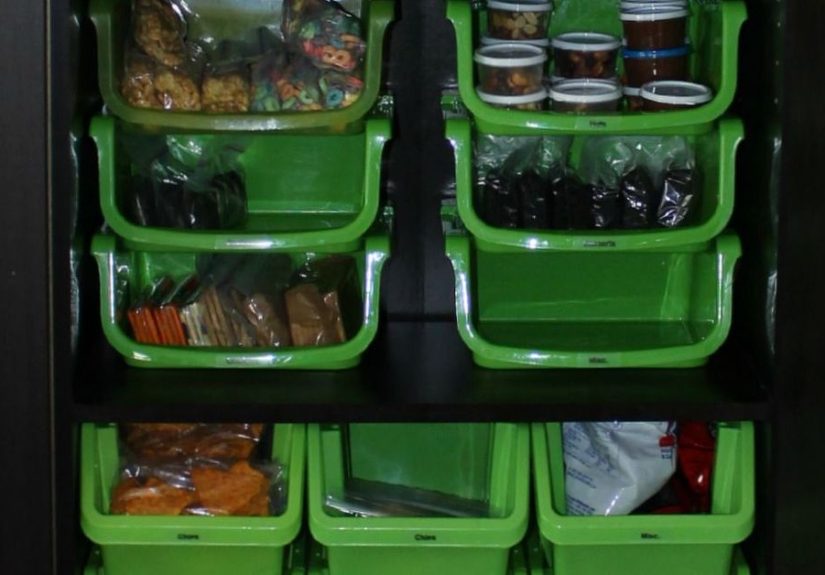
Bins are helpful because they group similar items together and stop packages from tipping over like exhausted dominoes. You do not need ten different organizer types. A few open bins, a couple of stackable containers, and maybe one small turntable can do a lot of heavy lifting.
Choose containers based on what you actually buy. Wide bins work well for chip bags and variety packs. Narrow bins are great for bars and fruit pouches. Clear containers help you see inventory fast, while opaque baskets can hide visual clutter if you prefer a cleaner look. Both are valid. This is a snack cabinet, not a moral test.
Label Everything
Labels make a system stick. If a bin says “Crackers,” people are far more likely to put crackers back where they belong. Labels are especially useful in shared households where everyone interprets “just put it somewhere” very differently.
Keep labels short and obvious. Good examples include “Sweet,” “Salty,” “Lunchbox,” “Bars,” “Nuts,” or “Use First.” You do not need poetic label language. This is not the time for “joyful crunch collection.”
Smart Snack Storage Ideas for Different Homes
For Small Kitchens
If your cabinet space is tight, think vertically. Shelf risers, stacking bins, and cabinet-door organizers can create extra storage without a remodel. Slim baskets can hold bars upright, and shallow bins prevent small items from disappearing into the back like kitchen folklore.
For Families With Kids
Create one grab-and-go section just for school and after-school snacks. Pre-sort lunchbox favorites into one bin so busy mornings feel less like a game show challenge. You can also set up a “choose one from here” system that gives kids independence while keeping the cabinet under control.
For Adults Who Snack While Working From Home
Yes, you deserve a system too. A work-from-home snack cabinet can include separate zones for quick energy, afternoon treats, and portioned options. If you find yourself opening the cabinet every 23 minutes for “just a tiny something,” organize the healthiest and most practical options front and center. Make the easy choice the obvious choice.
For Bulk Buyers
If you shop warehouse-style, do not cram full-size boxes into the main snack cabinet. Keep only the active supply in the cabinet and store the rest as backstock elsewhere. Refill smaller bins as needed. This keeps the cabinet functional instead of turning it into a cardboard warehouse with emotional lighting.
Decant or Keep Original Packaging?
This is the great pantry debate. Should you pour snacks into matching containers or leave them in original packaging? The answer is: both can work.
Decanting is useful for items that spill easily, go stale quickly, or take up too much room in bulky boxes. Crackers, pretzels, cereal-based snacks, and trail mix often do well in airtight containers. Original packaging makes sense for individually wrapped items, allergy-sensitive foods, or products where nutrition and date information matters to your household.
A practical compromise is to decant some foods but keep the label or box top until the container is empty. That way you still have product details without sacrificing tidy snack storage.
How to Keep Snacks Fresh and Reduce Waste
An organized snack cabinet should not just look good on day one. It should help snacks stay fresh and get eaten in the right order. That is where a simple rotation method comes in.
Use a First In, First Out Routine
When you bring home groceries, move older items to the front and place newer items behind them. This “first in, first out” approach sounds fancy, but it is really just giving the older crackers a fighting chance.
Create a “Use First” Bin
Set aside one small basket for open boxes, almost-finished items, or snacks nearing their best quality date. This is one of the easiest snack cabinet ideas to maintain because it turns vague guilt into a visible action plan.
Watch Open Packages
Once snacks are opened, they can lose texture and flavor fast. Use clips, sealed bags, or airtight containers for anything that is no longer factory-sealed. Stale tortilla chips are proof that time is a thief.
Common Organized Snack Cabinet Mistakes
Too Many Categories
If your system is so detailed that you need a map, you have gone too far. “Savory crackers with cheese potential” is not a useful category. Keep it broad enough that everyone can follow it.
Ignoring Real Habits
If your family always grabs bars on the way out the door, do not store them behind baking supplies on the top shelf. Organize for actual behavior, not fantasy behavior. Your cabinet should match your life, not your aspirational life where everyone calmly portions almonds into glass jars at sunrise.
Overfilling the Space
Stuffing every inch of a cabinet makes it harder to see what you own. Leave a little breathing room. A cabinet is easier to maintain when it is about 80 to 90 percent full rather than packed like an overhead bin before a holiday flight.
Mixing Backstock With Daily Use
Nothing creates faster clutter than storing three backup boxes behind the open one. Daily-use inventory and refill stock should be separate whenever possible.
Budget-Friendly Ways to Organize a Snack Cabinet
You do not need a luxury organizing budget to create a polished system. Some of the best kitchen cabinet organization ideas are inexpensive and clever.
- Reuse sturdy shoebox-style containers or delivery boxes wrapped in contact paper
- Use magazine holders for pouches and small bags
- Repurpose leftover food-storage bins from other rooms
- Add simple adhesive labels or masking tape with neat handwriting
- Use tension rods or risers to create vertical sections
- Store tiny items in clear food-safe containers you already own
The real magic is consistency, not matching acrylic. A cabinet with a smart system beats a gorgeous cabinet with zero follow-through every single time.
How to Maintain Your Pantry Snack Organization
Once your organized snack cabinet is finished, maintenance should be light, not dramatic. The goal is not to deep-clean it every weekend while soft piano music plays in the background. A few quick habits can keep the space working.
Do a 5-Minute Reset Weekly
Put stray items back in the right bins, toss empty boxes, and move older snacks to the front.
Restock Intentionally
Before grocery shopping, take a quick look at what you actually have. This keeps you from buying three more boxes of crackers while the neglected rice cakes stage a silent protest.
Edit by Season
Your snack habits may change during school season, holidays, summer break, or sports season. Let the cabinet evolve. A good organizing system is flexible enough to handle real life.
What an Organized Snack Cabinet Looks Like in Real Life
Imagine opening your cabinet and seeing one bin for salty snacks, one for sweet treats, one for protein options, and one for grab-and-go items. The lunchbox section is easy to reach. The backstock is somewhere else. Opened items are sealed. Almost-finished boxes sit in a “use first” basket. Nothing falls out. Nobody asks where the crackers are. This is peace. This is growth. This is what snack cabinet ideas are supposed to do.
A beautifully organized snack cabinet is less about making your kitchen look staged and more about making daily routines smoother. It turns snack time from a rummaging session into a simple choice. It helps the household stay on top of inventory. It reduces waste, clutter, and duplicate purchases. Best of all, it makes the kitchen feel more generous and less chaotic.
If you have been waiting for a sign to finally tackle that cabinet, this is it. Put on a playlist, grab a trash bag, and prepare to discover nine granola bars you forgot existed. Your future self will be thrilled.
Experiences Related to an Organized Snack Cabinet
The most surprising thing about creating an organized snack cabinet is how quickly it changes everyday behavior. At first, it feels like a simple home project. You sort a few items, add a couple of bins, and tell yourself this is mostly about making the kitchen look nicer. Then real life kicks in, and you realize the cabinet is doing more than holding pretzels. It is quietly changing the way the whole household moves through the day.
One common experience is that mornings become less chaotic almost immediately. Before the cabinet is organized, people open and close the door three times, shuffle boxes around, and somehow still fail to find the exact snack they swore was “definitely in there yesterday.” After organizing, the routine becomes smoother. Lunchbox items live together. Protein bars are visible. Fruit snacks stop hiding behind cereal boxes like tiny sugar-coated introverts. Even on rushed school mornings, the cabinet feels like it is helping instead of resisting.
Another experience people often notice is reduced impulse buying. Once everything is visible, it becomes obvious how many duplicates were sneaking into the grocery cart. You realize you did not need more crackers. You needed to be able to see the crackers you already had. This is oddly humbling. It is also great for the budget. When the cabinet is organized, shopping becomes more intentional because you are no longer buying based on panic and vibes alone.
Families also describe a real difference in how children interact with the kitchen. A lower snack bin labeled with approved options can turn constant questions into independence. Instead of asking for help every time they want something small, kids can choose from a designated area. That does not mean they stop asking for snacks entirely. Let us remain realistic. But it does mean the cabinet becomes part of a routine rather than a mystery zone controlled by adults.
For adults, the experience can be surprisingly emotional in a very ordinary way. An organized snack cabinet creates a sense of calm that seems bigger than the task itself. You open the door and nothing is piled on top of something else. There is no avalanche of granola bars. No half-open cracker sleeve rolling toward your foot. The space feels manageable. In a busy week, that tiny moment of order can feel ridiculously satisfying.
People who work from home often mention another benefit: better snacking habits. When healthier options are visible and easy to grab, they get eaten more often. When every choice is buried behind party chips and novelty cookies, guess which items win. Convenience shapes behavior. The cabinet does not make decisions for you, but it absolutely influences them.
There is also the maintenance experience, which is important because a system is only as good as its survival rate. The best organized snack cabinets are not perfect forever. They get a little messy, then recover quickly because the categories are clear and the reset is easy. That is the real victory. Not perfection, but recovery. Not a showroom, but a system that helps normal humans stay functional around open boxes of crackers and the occasional emotional support chocolate.
Conclusion
An organized snack cabinet is one of those small home upgrades that pays you back every single day. It saves time, reduces waste, improves visibility, and brings much-needed order to one of the busiest spots in the kitchen. By using simple categories, smart snack storage, clear labels, and an easy maintenance routine, you can create a system that looks good and works even better. No perfection required. Just progress, practicality, and fewer snack avalanches.