Table of Contents >> Show >> Hide
- What is uveitis (and why does it sound like a dinosaur)?
- Types of uveitis: location matters (a lot)
- Uveitis symptoms: what it feels like in real life
- What causes uveitis?
- Risk factors: who’s more likely to get uveitis?
- How uveitis is diagnosed
- Uveitis treatment: how doctors put out the fire (and keep it from re-igniting)
- What happens if uveitis isn’t treated?
- Living with uveitis: practical tips that actually help
- FAQ: Uveitis questions people Google at 2 a.m.
- Conclusion + Experience Corner
Quick heads-up: This article is for education, not a diagnosis. If you have sudden eye pain, light sensitivity, or new floaters with blurry vision, treat it like an “urgent” RSVP and get same-day eye care. Your eyeballs are not the place to practice patience.
What is uveitis (and why does it sound like a dinosaur)?
Uveitis is inflammation inside the eye, involving the uvea (the middle layer of the eye that includes the iris, ciliary body, and choroid). The tricky part: uveitis can also inflame nearby structures like the retina, vitreous, and optic nerve. Translation: it’s not just “a red eye.” It’s “a red eye that may have receipts.”
Uveitis can affect one eye or both, can show up suddenly or creep in gradually, and can happen at any ageincluding kids. It ranges from mild and treatable to vision-threatening if not handled quickly.
Types of uveitis: location matters (a lot)
Doctors classify uveitis by where the inflammation is happening. That location often predicts symptoms, testing, and treatment.
| Type | Where it is | Common clues |
|---|---|---|
| Anterior uveitis (often called iritis) | Front of the eye (iris ± ciliary body) | Pain, redness, light sensitivity, blurry vision |
| Intermediate uveitis | Middle of the eye (vitreous area) | Floaters, blurry vision; sometimes less pain/redness |
| Posterior uveitis | Back of the eye (retina/choroid) | Floaters, blurred vision, dark spots; may be painless |
| Panuveitis | All layers/regions | Mixed symptoms; higher risk of complications |
Uveitis symptoms: what it feels like in real life
Uveitis symptoms vary, but these are common:
- Eye pain (often aching or deep)
- Redness (sometimes concentrated around the colored part of the eye)
- Light sensitivity (photophobiaaka “why does my phone flashlight feel like the sun?”)
- Blurred vision
- Floaters (little drifting specks or cobwebs)
- Decreased vision or dark/blank spots
- Watery eye and discomfort
When symptoms are an eye emergency
Get urgent care (same day, ideally) if you have:
- Sudden vision loss or rapidly worsening blur
- Severe eye pain with light sensitivity
- New floaters with flashes of light or a “curtain” over vision
- Eye redness plus nausea/headache (can signal pressure problems)
Uveitis can be very treatablebut the clock matters because inflammation can damage delicate eye tissues.
What causes uveitis?
Uveitis isn’t one single diseaseit’s more like a “symptom umbrella” with multiple possible triggers. Broadly, causes fall into a few buckets:
1) Autoimmune or inflammatory diseases
Sometimes the immune system gets confused and attacks the eye. Conditions often associated with uveitis include:
- HLA-B27–associated disease (often linked with certain inflammatory arthritis conditions)
- Ankylosing spondylitis
- Psoriatic arthritis
- Inflammatory bowel disease (Crohn’s disease, ulcerative colitis)
- Sarcoidosis
- Behçet’s disease
- Juvenile idiopathic arthritis (JIA) (important in children)
Example: A person with back pain from inflammatory arthritis develops repeated episodes of a painful, red, light-sensitive eye. That pattern raises suspicion for anterior uveitis associated with systemic inflammation.
2) Infections
Some uveitis is caused by infections, and this changes treatment dramatically (because “steroids-only” can backfire in certain infections). Infectious triggers can include:
- Herpes viruses (HSV, shingles/varicella zoster)
- Toxoplasmosis (a parasite that can affect the retina)
- Syphilis (the “great imitator” that can involve the eye)
- Tuberculosis
- Lyme disease (in some cases)
- CMV (more often in immunocompromised people)
Example: Posterior uveitis with significant floaters and blurred vision might prompt testing for infections like toxoplasmosis or syphilis, depending on exam findings and risk factors.
3) Injury, surgery, or trauma
Blunt trauma, penetrating eye injury, or recent eye surgery can trigger inflammation. Sometimes it’s direct irritation; sometimes it’s an immune reaction to eye proteins that are normally “hidden” from the immune system.
4) Medications and other triggers
Certain medications can rarely be associated with uveitis. This is uncommon, but it’s one reason doctors ask for a complete medication list (including supplements and new prescriptions).
5) Idiopathic (no clear cause found)
In many patients, no single cause is identifiedespecially in isolated anterior uveitis. That doesn’t mean it’s “not real.” It just means the eye is inflamed and the underlying trigger is not obvious (or not detectable with current testing).
Risk factors: who’s more likely to get uveitis?
- Personal or family history of autoimmune/inflammatory disease
- Prior episodes of uveitis (recurrence is common in some forms)
- Recent infection (certain viruses/bacteria) or immunosuppression
- Eye trauma or surgery
- Children with JIA (uveitis can be quiet but damagingscreening is crucial)
How uveitis is diagnosed
Uveitis is diagnosed by an eye specialist (often an ophthalmologist, sometimes a uveitis specialist) using an exam that looks for inflammation inside the eyenot just on the surface.
What to expect at the appointment
- History: symptom timing, prior episodes, autoimmune symptoms (joint pain, rashes, GI issues), infections, travel, exposures, meds
- Visual acuity test and eye pressure measurement (pressure can rise with inflammation or steroid treatment)
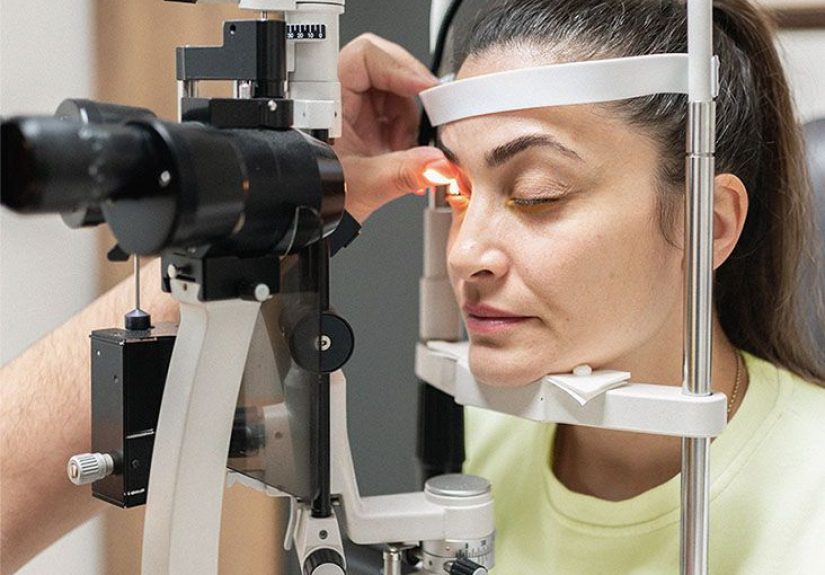
- Slit-lamp exam to look for inflammatory cells and protein (“flare”) in the front chamber
- Dilated exam to inspect the retina and vitreous for posterior inflammation
Common tests (depending on your case)
Not everyone needs an extensive lab workup. Testing is tailored to the type of uveitis and exam findings. Possible tests include:
- Blood tests (to look for autoimmune markers or infections)
- Chest imaging (when sarcoidosis or TB is suspected)
- Ocular imaging such as OCT (retinal swelling), fluorescein angiography (retinal blood vessel leakage), or ultrasound (if the view is blocked)
Important nuance: A careful eye exam often drives the workup more than “one giant lab panel.” The goal is smart testing, not a scavenger hunt.
Uveitis treatment: how doctors put out the fire (and keep it from re-igniting)
Treatment depends on the location and severity of inflammation and whether the cause is infectious or noninfectious. The main goals are:
- Reduce inflammation fast to protect vision
- Relieve pain and light sensitivity
- Prevent complications (like glaucoma, cataract, and macular edema)
- Treat the underlying cause (when identified)
- Prevent recurrenceespecially in chronic disease
1) Corticosteroids (the inflammation “fire extinguisher”)
Steroids are a cornerstone of treatment for many forms of uveitis:
- Eye drops (common in anterior uveitis)
- Oral steroids for more severe inflammation or posterior involvement
- Periocular or intraocular injections when targeted therapy is needed
- Steroid implants in selected chronic cases
Key safety point: Steroids are powerful. They can also raise eye pressure or contribute to cataracts, so follow-up appointments aren’t “optional fun”they’re part of the treatment.
2) Cycloplegic/mydriatic drops (pain relief + complication prevention)
Doctors often prescribe drops that relax the focusing muscle and dilate the pupil. These can:
- Reduce pain from muscle spasm
- Help with light sensitivity
- Lower the risk of the iris sticking to the lens (posterior synechiae)
Your vision may be blurry up close while using themannoying, yes. But so is inflammation welding parts of your eye together, so… perspective.
3) Immunomodulatory therapy (IMT) for chronic or severe noninfectious uveitis
If uveitis is chronic, recurrent, involves the back of the eye, or requires long-term steroids, doctors may add “steroid-sparing” medications. These are often managed with collaboration between ophthalmology and rheumatology.
Examples include medications such as:
- Methotrexate
- Mycophenolate mofetil
- Azathioprine
- Cyclosporine or tacrolimus
- Biologic agents (e.g., anti-TNF therapy like adalimumab in certain noninfectious cases)
These drugs require monitoring (labs, infection risk assessment, etc.), but they can be vision-saving when uveitis is stubborn.
4) Anti-infective treatment (when infection is the culprit)
In infectious uveitis, treatment targets the organism:
- Antivirals for herpes-related uveitis
- Antibiotics for bacterial causes (including syphilis, TB in specific regimens)
- Antiparasitic therapy for toxoplasmosis when indicated
Sometimes steroids are still used, but usually alongside appropriate anti-infective therapy and under specialist guidance. This is not a DIY situation.
5) Treating complications
Uveitis can cause (or coexist with) complications that need their own treatment plan:
- Glaucoma or high eye pressure: pressure-lowering drops and close monitoring
- Cataracts: sometimes surgery, ideally when inflammation is controlled
- Macular edema: may require targeted steroid therapy or other medications
- Scar tissue or severe vitreous inflammation: in selected cases, vitrectomy
What happens if uveitis isn’t treated?
Untreated or undertreated uveitis can lead to permanent damage. Potential complications include:
- Cataract
- Glaucoma
- Macular edema (swelling in the central retina)
- Retinal scarring or detachment
- Optic nerve damage
- Permanent vision loss
The good news: early detection and appropriate treatment can often control inflammation and protect sight.
Living with uveitis: practical tips that actually help
Make your drop routine idiot-proof (kindly said)
- Use phone reminders (yes, multiple)
- Carry drops when you’re out
- Ask your doctor about spacing between different drops
- Don’t stop steroids abruptly unless instructedtapering is often part of the plan
Protect your eyes while they heal
- Wear sunglasses for photophobia
- Take screen breaks; bright screens can feel brutal during flares
- Avoid contact lenses unless your eye doctor says it’s okay
Track patterns
Some people notice flares around illness, stress, or medication changes. Keeping a simple log (symptoms + dates + meds) can help your care team adjust treatment.
FAQ: Uveitis questions people Google at 2 a.m.
Is uveitis contagious?
Uveitis itself isn’t contagious. But if an underlying infection is involved, the infection may be transmissible depending on the organism and context.
How long does uveitis last?
It depends. Some anterior uveitis episodes resolve over weeks with proper treatment. Chronic or posterior forms can last longer and may require long-term management.
Can uveitis come back?
Yes. Recurrence is common in some types, especially when associated with systemic inflammatory conditions. Maintenance therapy may be recommended in chronic cases.
Will I need a specialist?
Often, yes. Many cases are managed by an ophthalmologist, and complex or recurrent disease may be best handled by a uveitis specialistsometimes in partnership with rheumatology or infectious disease.
Conclusion + Experience Corner
Uveitis is inflammation inside the eye that can range from a painful, sudden flare (often anterior uveitis/iritis) to a quieter but serious condition affecting the back of the eye. The most important theme is simple: don’t wait it out. Prompt evaluation and tailored treatmentwhether that’s steroid drops, cycloplegic drops, systemic therapy, or treatment for infectioncan protect your vision and reduce the odds of complications.
If you’ve had uveitis before, you’re not “being dramatic” when you take new symptoms seriously. You’re being strategic. Your future self (and your retina) will thank you.
Experience Corner: what people commonly report (about )
If you’ve never had uveitis, it’s hard to explain how weirdly intense it can feel. People often describe the first flare like this: one day the eye seems “a little irritated,” and then suddenly bright light becomes unbearablelike the world upgraded to stadium lighting without your consent. Some notice a deep ache rather than a scratchy surface sensation, which is one reason uveitis gets confused with dry eye or allergies early on. A common story is trying over-the-counter redness drops, only to realize the real problem isn’t the surfaceit’s inflammation inside the eye.
Another frequent experience is the emotional whiplash of symptoms that don’t match what you see in the mirror. Some forms (especially intermediate or posterior uveitis) can cause floaters and blurry vision with minimal redness. Patients describe floaters as pepper flakes, cobwebs, or “snow globes” drifting across their visionannoying at best and terrifying at worst. It’s common to worry about retinal detachment, which is why clinicians take new floaters seriously and often do a dilated exam.
Treatment routines can be surprisingly demanding. People talk about living by the clock: drops before work, drops in the car (parked!), drops at lunch, drops before bed. When steroid drops are frequent early on, you may feel like you’re training for an Olympic event called “Remembering Stuff.” Many patients say the hardest part is taperingsymptoms improve, life feels normal again, and then the schedule changes. That’s also when anxiety can kick in: “What if it comes back?” This is where clear instructions and follow-up visits help. Checking eye pressure and inflammation isn’t busywork; it’s how doctors make sure the cure isn’t creating a new problem.
For those with recurrent uveitis, the experience often expands beyond the eye clinic. Some people discover an underlying inflammatory condition only after repeat flaresleading to visits with rheumatology, blood tests, and imaging. That can be frustrating (“I came in for my eye, why are we talking about my joints?”), but many also feel relief when there’s an explanation and a prevention plan. Parents of children with JIA-associated uveitis often describe a different challenge: the child may have few symptoms even with active inflammation, which is why screening eye exams can feel inconvenient until you realize they can prevent silent damage.
Day-to-day coping tips come up repeatedly: sunglasses everywhere, screen brightness turned down, taking breaks from driving at night if glare is bothersome, and carrying preservative-free artificial tears if dryness is part of the picture. People also mention the value of learning the “red flag” signals for themselveswhat mild irritation feels like versus the early warning signs of a flareso they can seek care quickly rather than waiting and hoping. The most consistent takeaway from patient stories is this: uveitis is manageable, but it asks for teamworkbetween you, your eye doctor, and sometimes other specialiststo keep your vision stable long term.