Table of Contents >> Show >> Hide
- What “Pillar Tap” Actually Means (And Why It’s Not Just Fancy Talk)
- The Double Swivel Spout: Small Mechanism, Huge Daily Win
- Design DNA: Why VOLA Feels Different
- Specs That Matter: What You’re Really Buying
- Finishes and Color: Where VOLA Quietly Shows Off
- Best Use Cases: Where the Double Swivel Spout Earns Its Keep
- Installation and Planning Tips (So Your Faucet Doesn’t Become a “Learning Opportunity”)
- Longevity and Care: The “Buy Once, Cry Once” Argument
- How It Compares: When to Choose the Pillar Tap vs. a VOLA Mixer
- Conclusion: A Faucet That’s Actually a Tool (And a Design Object)
- Hands-On Experiences: Living With a Vola Double Swivel Spout (The Part You’ll Care About Later)
Faucets don’t usually get fan mail. They sit there, quietly doing their job, while you take all the credit for
“cooking” (read: reheating). But every once in a while, a fixture shows up that makes you pause mid-handwash and
think, Okay… that’s actually kind of cool.
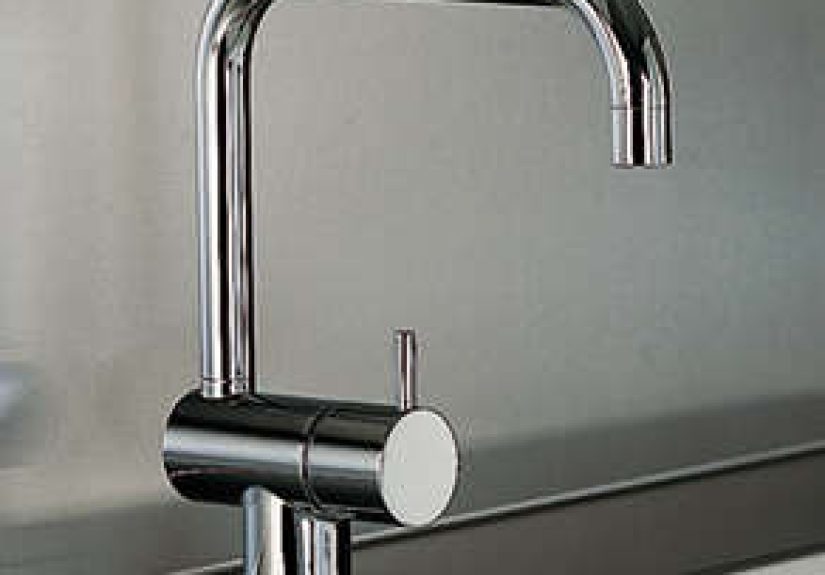
The Vola Pillar Tap w/ Double Swivel Spout is one of those rare pieces. It’s minimalist without
feeling sterile, engineered without feeling fussy, and it’s got a party trick: a double swivel spout
that moves like it’s trying to help you clean up faster so you can get back to your life (or your snacks).
In this guide, we’ll break down what the Vola pillar tap is, why the double swivel spout matters, how the specs
translate into daily use, and what you should know before you fall in lovebecause yes, people do fall in love
with faucets. It’s a thing. A very expensive, very design-forward thing.
What “Pillar Tap” Actually Means (And Why It’s Not Just Fancy Talk)
In plumbing terms, a pillar tap is typically a single-feed tapmeaning it delivers either hot or cold,
not a mixed temperature. Think of it as the faucet equivalent of a solo artist: it can absolutely carry the show,
but it’s not here to harmonize with another line unless you plan the whole setup.
For Vola, the pillar tap format is often used where a clean, sculptural look matters and where a dedicated cold line
is ideallike a prep sink, bar sink, filtered water station, or a bathroom basin where you’ve already decided
temperature-mixing is overrated. (Or you’re pairing it with a separate hot tap like it’s a matched set.)
The model most people mean when they say “Vola Pillar Tap w/ Double Swivel Spout” is the Vola KV8,
a single-feed tap that’s become a go-to in modern kitchens and bathsespecially when you want iconic design and
flexible spout movement in one compact footprint.
The Double Swivel Spout: Small Mechanism, Huge Daily Win
Let’s talk about the headline feature: the double swivel spout. A normal swivel spout rotates at the
basehelpful, sure. A double swivel spout adds a second pivot point, so you can move the outlet more precisely
across the sink area. It’s like upgrading from “turn left or right” to “actually place the water exactly where you want.”
Why that matters in real life
- Better reach in small sinks: You can aim water into a corner without twisting your wrist like you’re opening a jar of pickles.
- Cleaner rinsing: Rinse produce, cups, paint brushes, or your emotional support water bottle with less splash drama.
- Flexibility for multi-use zones: Great for prep sinks, bar sinks, and utility basins where tasks change fast.
- Less faucet “parking lot” behavior: Many faucets either block the sink or get in your way. Double swivel makes positioning easier.
If you’ve ever tried to fill a tall vase under a low spout, you already understand why smart movement can feel like luxury.
The Vola approach is simply: make the geometry do the work, not your patience.
Design DNA: Why VOLA Feels Different
VOLA is often described as “timeless Scandinavian design,” but that phrase gets thrown around so much it’s basically
background noise. Here’s what it means in practical terms:
1) The idea was radical: hide the mechanics
One of the foundational VOLA concepts is that the mechanical parts should be concealed, leaving only the essential
forms you interact withhandle, spout, water. This “less stuff on the surface” approach helped define the brand’s
modern aesthetic and influenced decades of architectural plumbing design.
2) The look is intentional: geometry, proportion, restraint
The KV series is clean-lined and confident. No faux-vintage curves. No tactical “industrial” flex. Just the kind of
shape that looks right next to stone, stainless, wood, or lacquerbecause it doesn’t fight your other materials.
3) Designers keep specifying it for a reason
You’ll see VOLA fixtures show up repeatedly in designer kitchens and bathroomsespecially in projects that prioritize
minimal forms, bold color accents, or a “this will still look good in 15 years” philosophy. That staying power is part
of the appeal: it doesn’t chase trends, it outlasts them.
Specs That Matter: What You’re Really Buying
Luxury fixtures can be dangerously good at making you pay for vibes. So let’s translate the KV8-style pillar tap specs
into what they mean for your daily life.
Core performance
- Valve feel: Vola uses ceramic disc technology for smooth, reliable operation and consistent shutoff.
- Motion: A 360° double swivel spout gives wide coverage and precise aiming across the sink.
- Flow rate: Many US listings specify around 1.2 gpm, pairing “water-saving” intent with practical usability.
Dimensions and fit
Most installations hinge on two things: clearance and hole compatibility. Vola’s pillar taps are designed to be
elegant and predictablemeaning your installer won’t have to invent new physics.
- Height: Often listed around 235 mm (roughly 9.25 inches), giving decent clearance for hands and smaller vessels.
- Mounting: Deck-mounted, single-hole format (confirm hole cutout requirements for your exact configuration).
- Supply compatibility: Check thread and supply line standards for your region and your specific variant.
The “cold water only” detail (don’t skip this)
Many KV8 pillar tap configurations are sold as cold water only. That’s not a flawit’s a deliberate choice for
certain use cases: filtered water, prep sinks, bar setups, rinse stations, and minimalist bathrooms where a separate hot tap
is used or mixing happens elsewhere.
If you want mixed temperature at a single point, look at a Vola mixer option (for example, KV-series mixers with a double swivel
spout), rather than forcing a single-feed tap to do a two-feed job. Your future selfand your plumberwill thank you.
Finishes and Color: Where VOLA Quietly Shows Off
VOLA is famous for finishes, and not in the “we have chrome and… slightly different chrome” way. Depending on the product and region,
you’ll often find a mix of classic metals plus an intentionally playful color palette: matte black, gloss black, crisp whites,
blues, reds, greens, yellows, and more.
How to choose a finish without regretting it later
- Polished chrome: Bright, classic, easy to coordinate with most hardware.
- Brushed finishes: More forgiving with fingerprints and water spots; great in busy kitchens.
- Natural brass: Often designed to patina over timemeaning it gets character, not “ruined.” (If you love perfectly uniform brass forever, choose a protected finish instead.)
- Color finishes: Ideal for adding a controlled “pop” without repainting your entire room. A single colored tap can act like functional jewelry.
The trick is to pick a finish based on the story your space is telling. If your kitchen is calm and tonal, a bright color can be a focal point.
If your bathroom already has statement tile, a restrained metal finish can keep it from feeling like a design argument.
Best Use Cases: Where the Double Swivel Spout Earns Its Keep
1) Prep sinks (a.k.a. the “do everything” sink)
A prep sink is where you rinse herbs, wash produce, fill a pot halfway, and pretend you’re going to meal prep.
The double swivel spout shines here because it lets you aim water to different zones without rearranging your life.
2) Bar and beverage stations
If your “bar sink” is really a “sparkling water and ice sink,” a dedicated cold feed makes perfect sense. You get a clean look,
controlled flow, and enough movement to rinse glasses without splashing your countertops into an accidental slip-n-slide.
3) Minimalist bathrooms
In powder rooms or guest baths, people often prioritize aesthetics and simplicity. A pillar tap can work beautifully when paired with a complementary hot tap,
or in setups where temperature mixing is managed elsewhere. Also: the silhouette looks incredible on stone basins and compact vanities.
4) Utility sinks and studio spaces
Artists, gardeners, and makers tend to love “aimable” water. If you’re rinsing brushes, cleaning tools, or washing up after a messy project,
the double swivel spout can feel more precise than a fixed spoutwithout needing a pull-down spray head.
Installation and Planning Tips (So Your Faucet Doesn’t Become a “Learning Opportunity”)
A premium faucet deserves premium planning. Here’s what’s worth thinking through before the box even arrives.
Confirm the water setup
- Single feed means single supply: If it’s a cold-only pillar tap, plan the cold line accordingly.
- Want warm water? Choose a mixer model or plan a paired hot tap (depending on your design and code).
Match the sink geometry
- Spout reach matters: The spout should land water near the drain zone, not the rim.
- Clearance matters: Make sure the height plays nicely with your sink depth and any shelves/mirrors above.
Think about maintenance access
Even the best fixtures may need servicing eventually. Make sure shutoff valves are accessible, and don’t trap the supply connections behind
an “influencer-perfect” drawer layout. Beauty is importantuntil you need to turn off the water in a hurry.
Longevity and Care: The “Buy Once, Cry Once” Argument
People don’t buy VOLA because it’s the cheapest way to get water. They buy it because they want something that stays relevant, feels solid,
and can be supported for the long haul.
VOLA puts real emphasis on repairability and long-term parts availability, positioning many of its products as fixtures you maintain
rather than replace. In a world where some faucets feel disposable the moment the finish scratches, that philosophy hits differently.
Practical care tips
- Use non-abrasive cleaning: Gentle soap and water plus a soft cloth goes a long way.
- Dry after heavy use: Especially for polished finishes if your water is spot-prone.
- Let patina happen (if you chose natural brass): It’s not “wear,” it’s part of the design story.
How It Compares: When to Choose the Pillar Tap vs. a VOLA Mixer
If you love the look but you’re unsure about the single-feed format, here’s the simplest way to decide:
Choose the pillar tap (like the KV8-style configuration) if:
- You want a dedicated cold line for filtered water, prep tasks, or a beverage station.
- You’re building a minimalist setup with separate hot/cold points or mixing elsewhere.
- You value a clean, single-hole, single-handle presence with a highly flexible spout.
Choose a mixer (like other KV-series mixers with double swivel spouts) if:
- You want hot and cold from one control at the sink.
- This is your primary kitchen faucet and you need temperature control all day.
- You want the Vola look but prefer a more conventional “one faucet does it all” setup.
Either way, the key is alignment: pick the faucet that matches how you live, not how you imagine you live on your best day.
Conclusion: A Faucet That’s Actually a Tool (And a Design Object)
The Vola Pillar Tap w/ Double Swivel Spout hits a sweet spot: sculptural minimalism plus real usability.
It’s not trying to impress you with complexity. It’s impressing you with restraint, movement, and the quiet confidence
of something designed to last.
If your space calls for a dedicated cold-water tapor you’re building a layout where separate controls make sensethis is a
genuinely smart upgrade. And if you’re simply a design person who wants the faucet equivalent of a tailored jacket:
clean, fitted, and never out of style… welcome. You’ve found your thing.
Hands-On Experiences: Living With a Vola Double Swivel Spout (The Part You’ll Care About Later)
Here’s the truth: you don’t experience a faucet in a showroom. You experience it when you’re half-awake, trying to rinse a mug,
while your phone buzzes and your dog looks at you like you’re late for something. A faucet either makes life smootheror it becomes
a daily annoyance you didn’t budget for.
The double swivel spout is one of those features that sounds “nice” until you live with it, and then you realize it changes the way
you use the sink. Instead of turning the faucet to face the general direction of your problem and hoping water lands somewhere helpful,
you can place the stream. That’s the difference between “it works” and “it feels good.”
In a small bar sink, for example, you’ll notice the benefit immediately. One pivot lets you swing the spout out of the way; the second
pivot lets you aim the water into a specific corner so you’re not blasting the side wall and ricocheting droplets onto the counter.
Less splash means fewer wipe-downs, which means you’ll stop quietly resenting your own kitchen choices. That’s real luxury.
At a prep sink, the experience becomes about rhythm. Rinse herbs, rotate spout, fill pot, rotate again, quick rinse of a cutting board.
You’re not yanking a pull-down head in and out (which is convenient, sure, but also something else to maintain). You’re just nudging the
spout where it needs to go. It’s a smaller motion, and over time, you feel the differencelike switching from a clunky door handle to one
that clicks perfectly every time.
People also underestimate how much a faucet’s “feel” matters. Ceramic disc operation tends to feel precisemore like a clean mechanical
action than a squishy guess. That matters when you want a consistent shutoff and you don’t want to develop a sixth sense for “Did I really
turn that off?” (Especially in a guest bathroom where you’re trying to avoid explaining plumbing to your in-laws.)
Finishes are part of the lived experience too. Polished finishes look incredible but may show spots depending on your water. Brushed finishes
are typically more forgiving. And natural brass? Natural brass is a personality test. If you love patina and the idea that your fixtures
record time like a well-worn leather bag, you’ll enjoy watching it evolve. If you crave uniform perfection forever, you might prefer a finish
that stays visually consistent without extra attention.
Finally, there’s the oddly satisfying part: the faucet becomes “invisible” in the best way. Not because it’s boringbecause it stops
demanding anything from you. You aim it, use it, shut it off, move on. When a design object disappears into daily usefulness, that’s when
you know it’s doing its job. And yes, it’s still pretty enough that you’ll catch yourself admiring it occasionally, like, “Wow. That’s a
faucet. I have opinions about faucets now.” Welcome to the club.