Table of Contents >> Show >> Hide
- What You’ll Learn
- Why a Wall Coat Rack With Shelf Is the Entryway MVP
- What to Look for Before You Buy
- Style Ideas That Look Intentional (Even If You’re Not)
- Where to Install It (and How High)
- Installation Steps That Won’t End in a “Why Is My Shelf on the Floor?” Moment
- Smart Ways to Use the Shelf + Hooks (Beyond “Hang Coat”)
- Common Mistakes (and Quick Fixes)
- FAQ
- Real-World Experiences: What Actually Happens After You Hang One ( of Truth)
- Conclusion
If your entryway currently functions as a “soft launch” for chaoscoats slumped over chairs, keys doing parkour off the counter, and a mystery pile that wasn’t there yesterdaymeet the fixer-upper of your organizational dreams: the wall coat rack with shelf. It’s the rare home item that’s both practical and a little smug about it: it saves floor space, makes your hallway look intentional, and gives your daily grab-and-go essentials a designated landing pad.
This guide breaks down what to buy, where to hang it, how to install it so it doesn’t “surprise” you at 2 a.m., and how to style it without turning your wall into a clutter museum. We’ll keep it real, specific, and mildly entertaining because your home deserves storage solutions that don’t feel like homework.
Why a Wall Coat Rack With Shelf Is the Entryway MVP
It uses “air space” you’re already paying rent for
Floor-standing coat trees have their place (usually in the corner…collecting dust bunnies and mild resentment). But a wall-mounted coat rack with shelf turns vertical wall space into storagewithout stealing a square inch of walking room. That’s a big deal in narrow hallways, apartment foyers, and those entry “areas” that are basically a doormat with ambition.
The shelf creates a drop zone that prevents the dreaded “counter migration”
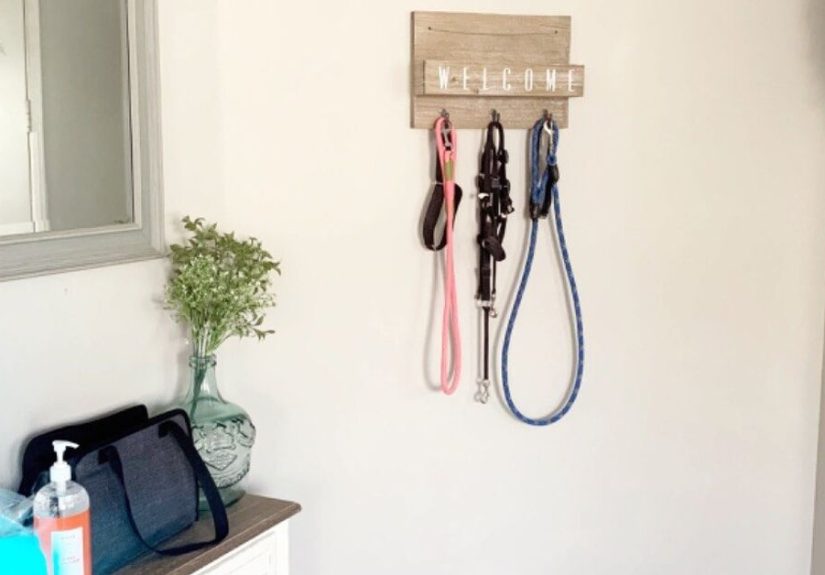
Hooks handle the bulky stuff: coats, bags, dog leashes, hats. The shelf handles the small-but-critical items: keys, wallets, sunglasses, mail, and the one glove that always goes missing (we see you, left glove). Together, they create a simple system: hang it, place it, leave with everything you came in with.
It can look like decor, not just storage
Today’s options range from minimalist metal rails to warm wood ledges that feel like a tiny gallery shelf. That means your functional piece can also be your “first impression” piecelike a handshake, but for your wall.
What to Look for Before You Buy
1) Size and proportions (so your coats don’t fight each other)
Start with two measurements: available wall width and how far coats will stick out. A short rack (around 24–30 inches) is great for small spaces and usually fits 4–6 hooks. A longer rack (36–48 inches) better serves families and tends to offer 6–10 hooks.
Shelf depth matters too. A shallow ledge (about 4–5 inches) is enough for keys and sunglasses. A deeper shelf (6–8 inches) can handle baskets, a small plant, or a mail sorter without feeling like a balancing act. If you want to display framed photos, check that the shelf has a lip or ledge so things don’t slowly shimmy off over time.
2) Materials: wood, metal, and mixed builds
Solid wood (oak, walnut, acacia, etc.) brings warmth and tends to hide scuffs well. Metal racks often feel modern, slim, and stronggreat for industrial or minimalist spaces. Wood + metal combos are popular because you get the cozy look of wood plus hooks that can take daily abuse. If you’ve got wet coats coming in often, look for sealed or finished wood that can handle moisture and wiping.
3) Hooks: the most underrated detail
Hooks are where your rack either becomes a dream…or a daily annoyance. Consider these features:
- Shape: Rounded hooks are gentler on delicate straps and scarves.
- Double hooks: Great for hanging a coat plus a bag on the same “station.”
- Flip-down pegs: Sleek when not in use and helpful in tight spaces.
- Spacing: More space between hooks means fewer coat tangles (and fewer dramatic sighs at 7:58 a.m.).
4) Weight capacity is mostly about mounting (not vibes)
Here’s the truth: most racks are “strong enough.” The deciding factor is how they’re attached to the wall. If you can mount into studs, do it. If you can’t, use anchors rated for the load. And if you’re tempted to use adhesive hooks for heavy coats or a shelf…please don’t. Your wall deserves better.
Practical rule of thumb: think about the worst-case scenariolike a heavy winter coat, a loaded backpack, and your friend’s “I brought snacks” toteall hanging at once. Buy and mount accordingly. When in doubt, go sturdier. Nobody has ever regretted “too secure.”
5) Stud spacing and mounting hole placement
In many U.S. homes, studs are commonly spaced 16 inches apart (sometimes 24 inches). Racks with wider mounting brackets or multiple mounting points make it easier to hit studs and distribute weight. If your rack’s mounting holes are fixed and don’t line up with studs, plan to use heavy-duty anchors for at least one sideor choose a different rack.
Style Ideas That Look Intentional (Even If You’re Not)
Modern minimal
Think clean lines: a slim metal rail, simple pegs, and a narrow shelf. Keep the shelf mostly emptyone small tray for keys, one candle, maybe a tiny plant. Minimal doesn’t mean cold; it means your wall isn’t yelling for attention.
Warm farmhouse or rustic
A wood ledge with dark metal hooks fits right in. Add a small basket on the shelf for gloves and hats, and you’ve created a “mudroom moment,” even if your mudroom is technically a corner.
Scandi / mid-century calm
Look for lighter woods and rounded pegs. Pair it with a simple mirror and a neutral runner. The goal is “airy and tidy,” not “I own 57 decorative signs.”
Industrial
Black metal hooks, pipe-style brackets, darker woodsdone. Bonus points if your shelf holds a small catchall that looks like it was discovered in an old workshop (even if it was delivered yesterday).
Where to Install It (and How High)
Best locations
- Entryway: The classic spotright where coats and keys enter the building.
- Mudroom: Ideal for families, pets, sports gear, and seasonal clutter.
- Hallway “landing strip”: Great if the front door opens into a narrow corridor.
- Bedroom or closet overflow: Perfect for tomorrow’s outfit or frequently used bags.
Height guidelines that work for real humans
For adult use, many people place hooks so the hanging point lands roughly around 60–66 inches from the floor. That typically keeps coats from brushing the ground while staying reachable. If kids are in the mix, add a lower row of hooks (or install a second rack) around 36–48 inches so they can hang their own stuff. This is one of those “teach independence” moves that also reduces your daily coat-juggling workload.
If your rack has a shelf, also consider what needs to fit underneath. If you want a bench below, measure the bench height and leave breathing room so coats don’t drape onto the seat like sad curtains. Also check door swingsnothing ruins a vibe like a door handle repeatedly smacking into your “organized entryway.”
Installation Steps That Won’t End in a “Why Is My Shelf on the Floor?” Moment
What you’ll need
- Stud finder
- Level (or a leveling app if you’re brave)
- Measuring tape
- Pencil
- Drill + bits
- Screws (often included, but not always ideal)
- Appropriate wall anchors if you can’t hit studs
Step-by-step
- Choose your exact spot. Stand there like you just walked in with groceries and a jacket. Where would you naturally reach? That’s your sweet spot.
- Find studs and mark them. Stud mounting is the gold standard for heavy loads. If your rack has multiple mounting points, aim to catch at least one stud (two if possible).
- Measure and mark your height. Use a level to draw a light guideline. This is the difference between “sleek” and “why does it look tired?”
- Pre-drill pilot holes. Especially into studspilot holes reduce splitting and make screws go in straighter.
- Use anchors where needed. Pick anchors rated for the real load. When you’re hanging a shelf + hooks combo, you’re dealing with leverage, not just weight. Follow the manufacturer’s instructions precisely.
- Mount, level-check again, then tighten. Don’t fully tighten one side first if the rack can shift; snug both sides evenly, confirm level, then finish tightening.
- Test before you trust. Gently pull down and outward. If it wiggles, fix it nowfuture you will be grateful.
Pro tip: If your rack includes a shelf, resist the urge to load it with heavy books immediately. Start light, observe stability, and scale up once you’re confident it’s mounted like it means it.
Smart Ways to Use the Shelf + Hooks (Beyond “Hang Coat”)
Entryway command center
Put a tray on the shelf for keys and small items. Add a small bin for mail. Hang a lanyard, dog leash, or tote on the hooks. You’ve just created a system that stops your essentials from wandering off.
Mini “launch pad” for mornings
Give each person a hook. Add labeled baskets on the shelf for gloves, hats, or sunglasses. This reduces morning chaos and makes it painfully obvious whose stuff is still on the hook (no naming names, but…you know).
Small apartment storage hack
Use the shelf for a compact charging station (phone, earbuds), and keep cords in a small box or basket. Hooks can hold a backpack, umbrella, or reusable shopping bags. You get functionality without adding furniture.
Bathroom and laundry “bonus mode”
In a bathroom, hooks can hold robes and towels; the shelf can hold extra toilet paper or a small plant. In a laundry room, hang aprons, lint rollers, or cleaning tools. (Yes, even the mop deserves dignity.)
Common Mistakes (and Quick Fixes)
Mistake: using weak mounting for heavy daily use
Fix: Re-mount into studs where possible, or upgrade to anchors designed for heavier loads. A rack that holds a light jacket is not automatically a rack that can survive a winter parka + backpack combo.
Mistake: placing it too low (hello, coat drag)
Fix: Raise the rack so longer coats hang freely. If you need kid access, add lower hooks or a second row instead of lowering the whole system.
Mistake: ignoring door swing and traffic flow
Fix: Open the door fully and walk the route. If your shoulder brushes hanging coats every time, you’ll stop using it and the clutter will returnlike a sitcom villain.
Mistake: turning the shelf into a clutter shelf
Fix: Give the shelf boundaries. One tray, one small basket, one decorative item. If it doesn’t fit the container, it doesn’t live there.
FAQ
Can a wall coat rack with shelf hold backpacks?
Yesif it’s mounted securely. Backpacks create a heavier, more dynamic load than a light jacket. Look for sturdy hooks and mount into studs where possible, or use appropriately rated anchors.
How deep should the shelf be?
For daily essentials, 4–5 inches is usually plenty. If you want baskets, décor, or mail organizers, 6–8 inches is more comfortable. Always confirm the shelf depth and whether it has a lip if you’ll display items.
Is it renter-friendly?
Some are. If you’re renting, focus on lighter-duty setups and follow your lease rules. If you do drill, use anchors correctly, keep hardware organized, and patch holes neatly when you move out.
What’s better: hooks with a shelf, or a hall tree?
A hall tree gives you a bench and shoe storage, but it takes floor space. A wall coat rack with shelf is ideal when space is tight or when you want a cleaner look. Many homes pair a wall rack above a small bench for the best of both worlds.
How do I keep it looking tidy?
Assign hooks, limit shelf items, and rotate seasonally. When it’s summer, don’t let three winter scarves squat on your wall like they pay taxes.
Real-World Experiences: What Actually Happens After You Hang One ( of Truth)
The first week after installing a wall coat rack with shelf is usually a honeymoon period. People walk in the door and, for reasons science can’t fully explain, they suddenly remember how to hang a coat like responsible adults. Keys land on the shelf. Shoes don’t immediately spawn a second shoe colony by the doormat. You might even catch yourself thinking, “Wow, we’re the kind of household that has a system.” Adorable.
Then real life returnskids sprint in holding art projects the size of small sailboats, someone arrives with a wet umbrella, and a friend drops by with a tote bag full of snacks “just in case.” This is where the rack earns its keep. In homes with children, the biggest change tends to be friction reduction. A lower hook height means kids can participate, which quietly removes 30 tiny requests from your day (“Can you hang my jacket?” “Where’s my backpack?” “Why is my hat in the kitchen?”). If each kid has a hook and a small basket on the shelf, morning departures become less of a scavenger hunt.
In small apartments, the rack becomes a mini command center. The shelf ends up holding the essentials: keys, wallet, sunglasses, transit card, and sometimes a small charging setup. The hooks rotate through a cast of everyday characters: a backpack, a tote, a hoodie, a dog leash, and that one reusable bag you swear you’ll remember to bring to the store next time. The biggest win is that the system is visible. Closet storage is great, but it’s also where items go to be forgotten. A rack keeps daily items in sight, which is surprisingly powerful for routines.
In busy family entryways, the “shelf creep” is the most common challenge. Without boundaries, the shelf can slowly become a landing strip for everything: unopened mail, random screws, birthday candles, and a single mitten that looks suspiciously like it’s been through things. The fix is simple and extremely effective: containers. A tray for keys and small items. A basket for gloves and hats. Maybe a small bin for mail. When the containers fill up, it’s your visual reminder to resetlike a friendly (but firm) bouncer for clutter.
Another real-world pattern: people underestimate how much weight ends up on the hooks. A winter coat alone is fine. Add a heavy bag, a laptop, and a “this is my whole life” backpack, and suddenly you’re testing physics. The most satisfied households are the ones that mounted into studs or used heavy-duty anchors from the start. The rack doesn’t wobble. The shelf doesn’t sag. The wall doesn’t make that ominous “I’m about to fail you” sound.
Finally, the unexpected delight: the rack often becomes a style moment. A simple piece of wood and metal can make an entry feel finished. Add a small mirror nearby, keep the shelf curated, and your home’s first impression upgrades from “we live here” to “we live here on purpose.” And honestly? That’s the kind of energy everyone deserves when they walk through the door.