Table of Contents >> Show >> Hide
- What is triphala?
- Potential benefits of triphala (and how strong the evidence is)
- Common uses: how people take triphala
- Risks, side effects, and who should avoid triphala
- How to choose a safer triphala supplement
- Who might consider triphala (and who definitely shouldn’t)
- What to track if you try triphala
- Experiences people report with triphala (the real-world “what it feels like” section)
- Experience #1: “It worked… a little too well.”
- Experience #2: “It helped my routine feel more regular.”
- Experience #3: “The powder tastes… intense.”
- Experience #4: “I tried it for ‘detox’ and wasn’t sure what changed.”
- Experience #5: “I used it as a mouth rinse and my gums felt calmer.”
- Experience #6: “I stopped because I didn’t trust the product quality.”
- Conclusion
Triphala is one of those wellness staples that shows up everywherefrom Ayurveda clinics to supplement aisleslike that friend who “just happened to be in the neighborhood” and now lives on your couch. People take it for digestion, “detox,” weight support, oral health, and a long list of other goals.
But what does the evidence actually say? Here’s a clear, in-depth, no-hype guide to triphala’s potential benefits, what it’s used for, what the research looks like, and the risks you should know before trying it.
Quick note: This article is for informational purposes and isn’t medical advice. If you’re taking medications, have a medical condition, or you’re pregnant/breastfeeding, talk to a clinician before using herbal supplements.
What is triphala?
Triphala is an Ayurvedic herbal blend made from three dried fruits:
- Amalaki (Indian gooseberry) Emblica officinalis (also known as Phyllanthus emblica)
- Haritaki Terminalia chebula
- Bibhitaki Terminalia bellirica
Traditionally, triphala is described as a “rasayana” (a rejuvenating blend) and is commonly used to support digestion and elimination. Modern lab research has found that triphala contains a variety of plant compounds (like polyphenols and tannins) that may have antioxidant and anti-inflammatory effects. That sounds impressive, but the big question is: do those benefits hold up in real humans outside a petri dish?
Potential benefits of triphala (and how strong the evidence is)
Triphala has been studied for several health areas. The evidence ranges from “promising but early” to “interesting, but we need better trials.” Let’s walk through the most common benefits people look for.
1) Digestive support and constipation relief
Why people use it: Triphala is commonly used for digestive comfort and to support regular bowel movements. Many people describe it as a gentle bowel-regulating supplement rather than an aggressive laxative.
What the evidence suggests: Human research on triphala for constipation exists, but it’s not massive or definitive. Some clinical studies and traditional medical resources describe triphala as being used for GI complaints, yet also emphasize that high-quality human data is limited.
One challenge: some constipation studies use triphala as part of a multi-ingredient laxative formula (for example, combined with senna and psyllium). When results improve, it’s hard to credit triphala alone. In one open-label clinical study of a polyherbal constipation product containing triphala extract (along with other laxative ingredients), participants had more weekly bowel movements and improved constipation symptoms over about two weeks. Helpfulbut not a “triphala-only” verdict.
Bottom line: Triphala may support regularity for some people, but evidence is mixed and often limited by study design or combination formulas. If constipation is persistent, it’s worth addressing basics first (fiber, fluids, movement, medication review) and getting medical guidance if symptoms are ongoing.
2) Oral health: plaque and gingivitis support
Why people use it: Triphala is sometimes used as a mouth rinse in Ayurvedic practice. The idea is that its plant compounds may help reduce plaque and gum inflammation.
What the evidence suggests: This is one of the more researched areas in humans. In a randomized controlled clinical trial, participants with gingivitis used either a triphala mouthwash, a chlorhexidine mouthwash (a common antiseptic rinse), or placebo. Both the triphala and chlorhexidine groups improved more than placebo on plaque and gingival indices, and the triphala group performed similarly to chlorhexidine on measured outcomes.
Bottom line: Triphala mouthwash has some credible clinical evidence for reducing plaque and gingivitis markers, though it’s not necessarily a replacement for dental care basics (brushing, flossing, cleanings). If you try it, consider it an “adjunct,” not a magic eraser for gum disease.
3) Cholesterol and triglycerides
Why people use it: Some people take triphala hoping it will support heart health by improving lipid levels.
What the evidence suggests: A systematic review of clinical studies found that triphala supplementation was associated with improvements in LDL (“bad” cholesterol), total cholesterol, and triglycerides in several studies. However, the authors also note limitations across trials (like differences in dose, duration, and study quality). Another important point: evidence can be “statistically significant” without being “clinically dramatic,” and results don’t always replicate.
Bottom line: There’s some human evidence suggesting triphala may modestly improve lipid profiles in certain groups, but it shouldn’t replace proven strategies like diet changes, exercise, and prescribed medications when appropriate.
4) Blood sugar and metabolic markers
Why people use it: Triphala is often marketed for “metabolism” and blood sugar support.
What the evidence suggests: In the same systematic review mentioned above, triphala decreased fasting blood glucose in people with diabetes in some studies, while not showing the same effect in people without diabetes. Some trials also report changes in weight-related measures (BMI, waist circumference), but results vary and study quality matters.
Bottom line: Triphala might have metabolic effects in some populations, but it’s not a stand-alone treatment for diabetes or insulin resistance. If you take diabetes medications, this is also an area where interaction risk matters (more on that below).
5) Weight support (not the “miracle weight-loss” kind)
Why people use it: Triphala shows up in weight management blends, often framed as supporting digestion, cravings, or metabolism.
What the evidence suggests: Some randomized trials and reviews report reductions in body weight, BMI, and waist circumference in certain study groups using triphala compared with placebo. A well-cited review of triphala’s therapeutic uses discusses findings from controlled trials where treated participants lost more weight than placebo, alongside improvements in metabolic markers.
Bottom line: Triphala may support modest weight-related improvements in some studies, but it’s not a substitute for sustainable nutrition, movement, sleep, and stress support. Also, any supplement that “works” by causing diarrhea isn’t weight lossit’s a bad weekend.
6) Antioxidant and anti-inflammatory effects
Why people use it: Many triphala claims center on “antioxidants” and “inflammation support,” which are real biological concepts that also happen to be marketing catnip.
What the evidence suggests: Lab and animal research suggests triphala has antioxidant and anti-inflammatory activity. Human evidence is less robust and often indirect. Integrative medicine references commonly note that while preclinical findings are interesting, larger human trials are still needed to confirm meaningful benefits for inflammation-related conditions.
Bottom line: Triphala has plausible mechanisms, but strong human evidence for treating inflammatory diseases is limited. Think “possible support,” not “replaces medical care.”
Common uses: how people take triphala
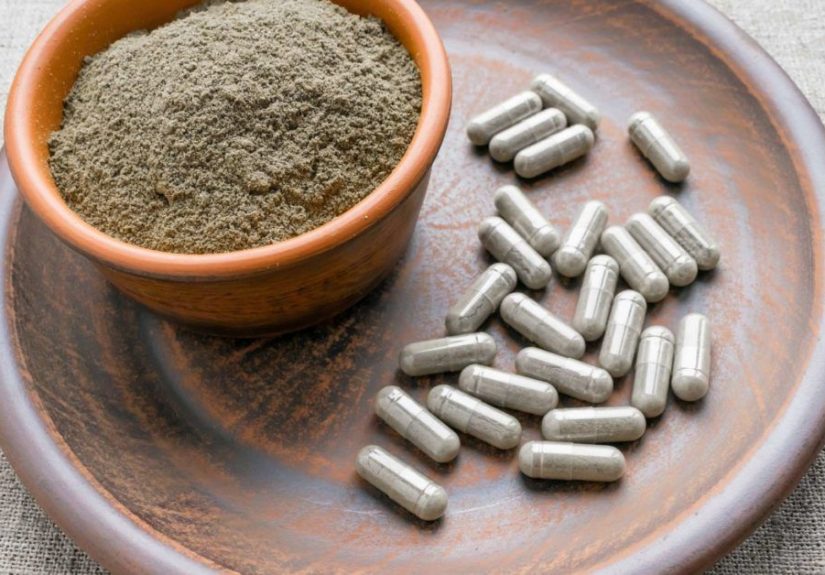
Triphala is typically sold as:
- Capsules/tablets (easy for consistent dosing)
- Powder (churna) (traditional, can be mixed with warm water)
- Tea (less standardized; strength varies)
- Mouth rinse (commercial or preparedthough preparation quality matters)
Typical dosing (and why “typical” is slippery)
There’s no single universal dose because products and studies vary. Some clinical trials use around 1,000 mg per day, while traditional use may involve powder forms taken in small amounts. Product labels often recommend a rangesometimes taken at bedtime for bowel regularity.
Practical, safety-first approach:
- Start low (especially if you’re sensitive to GI changes).
- Increase gradually only if tolerated.
- Avoid “stacking” triphala with other laxatives unless advised by a clinician.
- Stop if you develop persistent diarrhea, cramping, or dehydration symptoms.
Risks, side effects, and who should avoid triphala
Even “natural” products can cause side effects or interact with medications. Triphala is generally reported as well tolerated in several clinical studies, but that doesn’t mean it’s risk-freeespecially at higher doses or with uncertain product quality.
Common side effects
- Diarrhea or loose stools
- Abdominal cramping
- Gas or stomach upset
- Dehydration risk if diarrhea is significant
These effects are more likely if you take too much, take it on an empty stomach (for some people), or combine it with other bowel-moving products.
Medication interactions (important)
Drug interaction risk is a real issue with botanicals. Triphala has shown in vitro inhibition of certain cytochrome P450 enzymes (including CYP3A4 and CYP2D6), which are involved in metabolizing many medications. That doesn’t guarantee a serious interaction in real life, but it’s a meaningful caution flagespecially for medications with narrow safety margins.
Use extra caution and consult a clinician if you take:
- Blood thinners/anticoagulants (example: warfarin) or antiplatelet drugs
- Diabetes medications (risk of blood sugar dropping too low if combined)
- Medications metabolized by CYP3A4 or CYP2D6 (a wide categoryyour pharmacist can help)
Pregnancy and breastfeeding
Reliable safety data for triphala during pregnancy or breastfeeding is limited. Because of uncertaintyand because some herbal products can stimulate GI activity or have unexpected effectsmany medical references advise avoiding triphala in pregnancy and using caution during breastfeeding unless a qualified clinician recommends it.
Quality and contamination risks (the unglamorous but crucial part)
This is the part supplement labels don’t love to talk about: quality varies. Ayurvedic and herbal products have been found in investigations and case reports to sometimes contain heavy metals (like lead, mercury, and arsenic), whether from contamination or intentional inclusion in certain traditional preparations. U.S.-linked investigations have documented toxic metal exposure associated with some Ayurvedic products.
That doesn’t mean “all triphala is dangerous.” It means you should buy smartbecause your liver and kidneys did not sign up to be quality-control interns.
How to choose a safer triphala supplement
In the United States, dietary supplements are regulated differently than prescription drugs. The FDA does not “approve” supplements for effectiveness before they’re sold, and companies are responsible for product quality and labeling compliance. That’s why third-party testing can matter.
Look for:
- Third-party verification (examples include USP Verified or NSF certification programs)
- Clear labeling with the full ingredient list (avoid vague “proprietary blends”)
- Good Manufacturing Practices (GMP) compliance statements
- Batch testing information (especially for heavy metals)
- Transparent sourcing and reputable manufacturers
Bonus tip: If a brand promises that triphala “cures” or “treats” a disease, that’s a red flag. In the U.S., products marketed as dietary supplements aren’t legally allowed to claim they treat, prevent, or cure diseases like drugs do.
Who might consider triphala (and who definitely shouldn’t)
People who might consider it (with common sense and medical input as needed)
- Adults with occasional constipation who want to try a gentle herbal option (after basics like fiber and fluids)
- People interested in adjunct oral hygiene support (as a complement to brushing/flossing)
- Adults exploring metabolic support, with clinician oversight if they have diabetes or cardiovascular risk
People who should avoid it or only use with medical supervision
- Pregnant or breastfeeding individuals
- Children and teens without clinician guidance
- Anyone on anticoagulants/blood thinners or complex medication regimens
- People with chronic diarrhea, inflammatory bowel disease flares, or dehydration risk
- Anyone with known allergies to the component fruits or botanical sensitivities
What to track if you try triphala
If you decide (with appropriate guidance) to try triphala, treat it like an experimentnot a life identity.
- GI response: stool frequency, consistency, cramping, urgency
- Hydration: thirst, dizziness, dark urine (signs you may need more fluids or to stop)
- Medication timing: keep a consistent routine and ask your pharmacist about spacing
- Stop signals: persistent diarrhea, worsening abdominal pain, or any concerning symptoms
Experiences people report with triphala (the real-world “what it feels like” section)
To make this practical, here are common experiences people describe when they use triphalaalong with the “smart interpretation” behind each one. (These are anecdotal patterns, not guarantees.)
Experience #1: “It worked… a little too well.”
A frequent first-week story is mild cramping or unexpectedly loose stools, especially if someone starts with a full label dose right away. Triphala’s traditional use includes bowel support, so this isn’t shockingbut it’s a reminder that “herbal” still means “biologically active.” People who do better long-term often start with a lower dose, take it with food if their stomach is sensitive, and increase gradually only if needed.
Experience #2: “It helped my routine feel more regular.”
Some people say triphala feels like it nudges their digestion into a steadier rhythm rather than producing a dramatic laxative effect. They might describe less “stuck” feeling or more predictable morning bowel movements. When that happens, it’s still worth checking fundamentals: Are you also drinking more water? Eating more fiber? Moving more? Sometimes triphala becomes the “mascot” for a whole set of healthier habits that were doing heavy lifting in the background.
Experience #3: “The powder tastes… intense.”
Triphala powder can be very bitter/astringent. People commonly mix it with warm water, tea, or (in small amounts) honey to make it easier. The capsule route is popular for a reason: it removes the flavor from the equation. If you’re using powder, consistency mattersdifferent brands can vary in grind, potency, and taste, and that can influence how you tolerate it.
Experience #4: “I tried it for ‘detox’ and wasn’t sure what changed.”
“Detox” is a fuzzy term. Some people expect triphala to create a dramatic, cleansing feeling. Often what they notice instead is simply GI changessometimes positive, sometimes annoying. A practical way to think about it: if triphala helps you be more regular and comfortable, great. If it only causes diarrhea, that’s not detox; that’s your body asking you to stop. Your liver and kidneys already have full-time detox jobs, and they do not accept résumés from supplement labels.
Experience #5: “I used it as a mouth rinse and my gums felt calmer.”
People who try triphala as a mouth rinse often talk about a “cleaner mouth feel” and less gum tendernessespecially if they’re also improving brushing, flossing, or getting a dental cleaning. This matches the general direction of clinical research suggesting plaque/gingivitis improvements with triphala mouthwash. The most consistent success stories include: using it regularly, not skipping flossing, and treating the rinse as a supportive add-on rather than a replacement for dental care.
Experience #6: “I stopped because I didn’t trust the product quality.”
This is a surprisingly common and healthy reaction. Some people look into Ayurvedic supplement contamination reports and decide they only want products with third-party testing (or they avoid herbal blends altogether). If you do use triphala, many cautious users prefer brands that provide testing for heavy metals and contaminants and that follow strong manufacturing standards.
Takeaway from real-world use: Triphala tends to be best approached like a gentle, optional toolstart low, watch your body’s response, prioritize product quality, and don’t use it to self-treat serious conditions.
Conclusion
Triphala is a well-known Ayurvedic herbal formula with a long history of use, especially for digestive regularity and overall wellness. Modern clinical research suggests it may help with plaque/gingivitis when used as a mouthwash and may offer modest benefits for cholesterol, blood sugar (in some people with diabetes), and weight-related measures in certain trials. But many claims still rely on limited or mixed human evidence.
The biggest practical issues are tolerability (GI side effects like diarrhea) and quality (choosing products tested for contaminants). If you’re on medicationsespecially blood thinners or diabetes drugstalk to a clinician or pharmacist before trying triphala due to potential interaction concerns.