Table of Contents >> Show >> Hide
- Why Your Car Speaks in Codes
- How Car Trouble Codes Are Built: The 5-Character Formula
- Not All Trouble Codes Are Created Equal
- Common Car Trouble Codes You’re Likely to See
- How to Read Car Trouble Codes Like a DIY Pro
- What To Do After You Get a Trouble Code
- DIY vs. Professional Help: Where to Draw the Line
- Extra Tips for Making Sense of Car Trouble Codes
- Real-World Experiences: Living With Trouble Codes
- Conclusion: Turning Panic Into a Plan
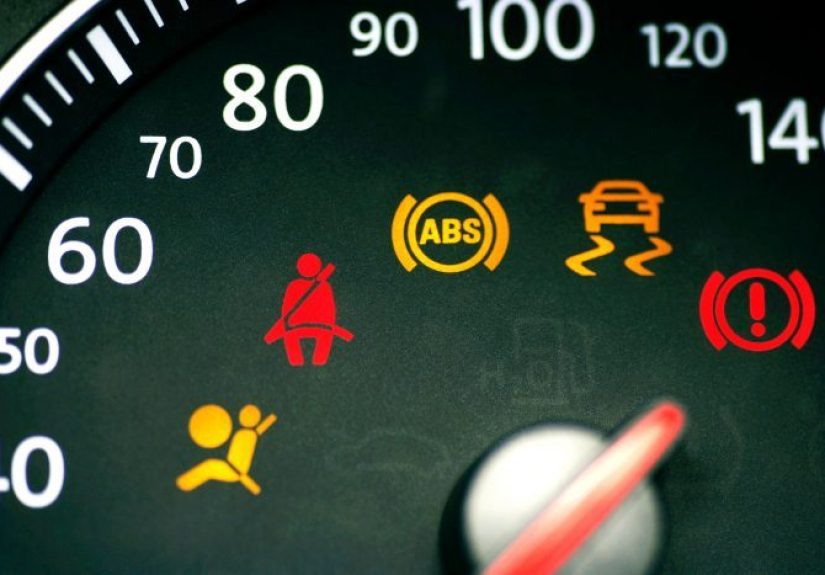
If you’ve ever had the check engine light pop on during your commute and instantly imagined your car bursting into flames, you’re not alone. Modern vehicles are rolling computers, and when something isn’t quite right, they tattle on themselves using car trouble codes, also known as diagnostic trouble codes (DTCs) or OBD-II codes.
The good news? Those codes aren’t secret mechanic hieroglyphics. With a basic code reader and a little know-how, you can decode what your car is trying to tell you, decide how urgent the problem is, and figure out whether it’s a quick DIY fix or a “call a tow truck and cancel your plans” situation.
This guide breaks down what car trouble codes really mean, how to read them, and how to use them like a prowithout having to become one.
Why Your Car Speaks in Codes
Every modern vehicle sold in the United States since the mid-1990s is equipped with On-Board Diagnostics, second generation (OBD-II). This system constantly monitors how the engine, transmission, emissions system, and other key components are performing. When it detects something outside of normal operating range, it stores a trouble code in the computer’s memory and, if needed, turns on the check engine light.
Think of trouble codes as your car’s way of sending a message like, “Hey, I’m not dying, but something feels off with my oxygen sensor,” or “I’m misfiring so badly I might hurt myself.” The code doesn’t tell you exactly which part to replace, but it points you toward the system that needs attention.
That’s where a diagnostic scanner or car code reader comes in. Plug it into the OBD-II port, and you can read those stored codes instead of paying a shop just to tell you what the blinking light means.
How Car Trouble Codes Are Built: The 5-Character Formula
Most OBD-II trouble codes follow a five-character pattern like P0300 or P0420. Those letters and numbers aren’t randomthey each tell you something specific about where the issue is and what type of problem it might be.
The first letter: Where the problem lives
- P – Powertrain (engine, transmission, fuel and ignition systems)
- B – Body (airbags, climate control, power seats, etc.)
- C – Chassis (ABS, steering, suspension)
- U – Network or communication problems between modules
Most DIYers will see P-codes the most, because they relate to the engine and transmissionclassic check engine light territory.
The second digit: Generic vs. manufacturer-specific
- 0 – Generic code, standardized across manufacturers
- 1 – Manufacturer-specific code (Ford, Toyota, GM, etc. can define these)
- 2 and 3 – Used in certain categories, sometimes jointly defined
If you see two codes that start with P0, they should mean basically the same thing on any OBD-II vehicle, regardless of the brand.
The third digit: The subsystem
The third digit narrows the issue down to a certain system. For example:
- P01xx – Fuel and air metering
- P03xx – Ignition system or misfires
- P04xx – Emissions control system
- P07xx – Transmission
This is how you can quickly recognize, for example, that any P03xx code means the engine is misfiring or having ignition issues.
The last two digits: The specific fault
The final two digits identify the specific problem, like “Random/multiple cylinder misfire” (P0300) or “Catalyst system efficiency below threshold” (P0420). This is the part you’ll plug into your favorite repair database or manual to get more details and troubleshooting steps.
Not All Trouble Codes Are Created Equal
Before you panic, it helps to know that car trouble codes come in a few flavors that affect how urgent they really are.
Generic vs. manufacturer-specific codes
Generic codes (P0xxx) are defined by standard rules and mean the same thing across all vehicles. Manufacturer-specific codes (P1xxx) are custom codes different brands use to describe more detailed or unique issues. Generic scanners can still read them, but you may need brand-specific documentation to decode the details.
Pending, confirmed, and history codes
- Pending code: The system saw something weird once and is watching to see if it happens again. The check engine light may not be on yet.
- Confirmed code: The problem occurred enough times that the computer is convinced it’s real. This typically turns on the check engine light.
- History or stored code: The issue happened in the past but isn’t currently active. These can be useful for tracking intermittent problems.
One key rule: a flashing check engine light almost always means a serious misfire that could damage your catalytic converter. A solid light is still important, but usually less urgent than a flashing one.
Common Car Trouble Codes You’re Likely to See
There are thousands of possible OBD-II codes, but a small group shows up again and again in real life. Here are a few all-stars of the “check engine” world and what they generally point to.
P0300 – Random/Multiple Cylinder Misfire
This code means the engine computer has detected that one or more cylinders are misfiring, but it can’t pin it down to a single cylinder. You may feel rough running, hesitation, or shaking at idle.
Common culprits: worn spark plugs, failing ignition coils, vacuum leaks, low fuel pressure, or even bad fuel. Ignoring misfire codes can lead to expensive catalytic converter damage, so this is one to take seriously.
P0171 – System Too Lean (Bank 1)
P0171 indicates that the engine is running “lean,” meaning there’s too much air and not enough fuel in the mixture on bank 1 (one side of the engine). Symptoms might include rough idle, hesitation, or loss of power, though sometimes there are no obvious signs.
Common causes: vacuum leaks, dirty or failing mass airflow sensor (MAF), weak fuel pump, clogged fuel filter, or leaky intake gaskets.
P0420 – Catalyst System Efficiency Below Threshold (Bank 1)
This is the internet’s most famous trouble code. P0420 means the catalytic converter on bank 1 isn’t cleaning the exhaust gases as efficiently as it should. Sometimes the car still feels normal, but you may fail an emissions test.
Common causes: a worn-out catalytic converter, oxygen sensor issues, exhaust leaks, or long-term misfires that overheated the converter.
P0440–P0457 – EVAP System Codes
These codes have to do with the evaporative emissions system, which captures fuel vapors instead of letting them vent into the air. One of the most common triggers? A loose or faulty gas cap.
Typical symptoms: usually just the check engine lightno obvious change in how the car drives. Still, these codes can affect emissions testing and should be checked out eventually.
Oxygen sensor and fuel trim codes
Codes like P0131 (O2 sensor low voltage) or P2195 (O2 sensor signal stuck lean) suggest the sensors that monitor oxygen in the exhaust might be seeing unusual readings. Sometimes the sensor is bad; other times it’s reporting a genuine fuel or air problem further upstream.
Any time you see a code that mentions “fuel trim,” “O2 sensor,” or “air/fuel ratio,” it’s worth checking for intake leaks or fuel delivery issues before throwing a new sensor at the problem.
How to Read Car Trouble Codes Like a DIY Pro
Reading trouble codes sounds high-tech, but it’s surprisingly simple. You have two basic options: a standalone OBD-II code reader or a Bluetooth adapter paired with a smartphone app.
Step 1: Find the OBD-II port
The OBD-II connector is a 16-pin trapezoid-shaped plug usually located:
- Under the dashboard on the driver’s side, near the steering column
- Sometimes behind a small plastic cover or flip-down door
If you’ve ever wondered what that random unlabeled port is near your kneesthat’s it.
Step 2: Plug in the scanner
With the vehicle off, plug the code reader or adapter into the port. Many tools will power up automatically from the car’s battery. Turn the key to the “On” position (or press the start button without starting the engine) so the scanner can communicate with the car’s computer.
Step 3: Read and record the codes
Use the scanner’s menu to select “Read Codes” or a similar option. Write the codes down exactly as they appearletter and numbers. Some scanners will also show a basic description, like “Cylinder 3 Misfire,” which is handy but still only the starting point.
Step 4: Don’t erase the codes just yet
Many scanners let you clear codes and turn off the light. Resist the urge to erase everything immediately. The stored codes and “freeze frame” datawhat was happening when the code setare valuable clues if the problem returns.
What To Do After You Get a Trouble Code
Once you have the codes in hand, here’s a practical way to move forward without going down a four-hour internet rabbit hole.
1. Start with the symptoms
Ask yourself: How is the car actually behaving?
- Is the engine running rough or misfiring?
- Any unusual noises, smells, or smoke?
- Does it stall, hesitate, or struggle to start?
If the only symptom is a steady check engine light with no drivability issues, the problem is often related to emissions, sensors, or EVAP systems. If the car is running badlyor the light is flashingtreat it as more urgent.
2. Check the easy stuff first
Some of the most common fixes really are that simple:
- Make sure the gas cap is tight and the seal is not cracked.
- Inspect easily reached vacuum hoses for cracks or disconnections.
- Check recent work: Did the problem start right after a repair, fill-up, or DIY project?
3. Look up the code in a trusted source
Search for the code using your vehicle’s year, make, and model. You’ll usually find:
- A plain-language explanation of what the code means
- Common causes for that specific vehicle
- Recommended diagnostic steps and possible repairs
Pay more attention to guides that emphasize testing (like checking fuel pressure, using a multimeter, or doing a smoke test for vacuum leaks) rather than immediately replacing expensive parts.
4. Prioritize by severity
- Flashing check engine light + misfire codes = limit driving and get it checked ASAP.
- Transmission or overheating codes = avoid towing, heavy loads, or long trips.
- EVAP and minor emissions codes = usually safe to drive short-term, but don’t ignore them forever.
DIY vs. Professional Help: Where to Draw the Line
You don’t have to become a master technician to use trouble codes wisely. But it helps to know when you’re in over your head.
Good candidates for DIY repairs
- Loose or faulty gas cap causing an EVAP code
- Worn spark plugs or ignition coils causing mild misfires
- Dirty mass airflow sensor (MAF) that can be cleaned with proper cleaner
- Simple sensor replacements you can access easily
If you’re comfortable with basic tools and can follow a step-by-step guide, many of these repairs are very doable and can save serious money.
Situations where a pro is worth every penny
- Persistent or severe misfires, especially with a flashing check engine light
- Transmission-related codes and harsh shifting
- Electrical or communication (U-) codes that require advanced diagnostic equipment
- Repeated codes that come back after multiple DIY attempts
Professional shops have factory-level scan tools, detailed service information, and specialized equipment (like smoke machines for leak detection) that go far beyond what a basic scanner can do. Sometimes paying for an hour of diagnostic time up front prevents days of frustration and a pile of unneeded parts.
Extra Tips for Making Sense of Car Trouble Codes
- One code can cause another. A misfire problem might trigger both misfire and catalytic converter efficiency codes, for example. Fix the root cause first.
- Don’t clear codes right before an emissions test. Many states require all readiness monitors to be set; clearing codes resets them and may cause an automatic test failure.
- Keep a simple log. Jot down dates, codes, symptoms, and repairs. This history is gold when problems are intermittent.
- A cheap scanner is better than guessing. Even an inexpensive OBD-II reader pays for itself the first time it saves you a diagnostic fee or helps you avoid unnecessary repairs.
Real-World Experiences: Living With Trouble Codes
Understanding what car trouble codes really mean isn’t just about theoryit changes how you react when that little orange engine icon lights up.
Imagine driving home from work when the check engine light flicks on and your car suddenly feels a bit shaky. You pull into a parking lot, heart beating faster than the engine. In the past, this might have meant an emergency tow and a long wait at the shop. Instead, you pull a small code reader from your glovebox, plug it into the OBD-II port, and read P0302 – Cylinder 2 Misfire.
Right away, your brain switches from panic to problem-solving. You remember that misfires can be caused by old spark plugs or failing ignition coils. You also recall that the car has over 80,000 miles on the original plugs. Now, instead of wondering if the whole engine is toast, you have a working theory: “This might just be overdue ignition maintenance.”
Another common story: the mysterious P0420 code. Many drivers see it, Google it, and immediately fear a four-figure bill for a new catalytic converter. But people who’ve played the code game for a while know to slow down. Was there a long-standing misfire or fuel issue that could have overheated the converter? Is there an exhaust leak before the catalytic converter confusing the oxygen sensors? Has the oxygen sensor itself been checked or tested? The code is the beginning of the conversation, not the verdict.
Then there’s the classic “loose gas cap” scenario. You fill up the tank in a hurry, forget to fully tighten the cap, and two days later the check engine light appears with an EVAP system code. A quick search tells you that a loose or damaged gas cap is often the simplest cause. You tighten the cap, drive a few days, and the light goes out on its own once the system passes its self-test. No tow, no shop visit, no big billjust a small reminder to give the cap that extra click.
Over time, drivers who regularly read their own codes start to see patterns. A lean condition code like P0171 might show up every time the weather turns cold, pointing toward a marginal vacuum leak that opens up as rubber parts shrink. Misfire codes may only appear after heavy rain, hinting at moisture intrusion in the ignition system. Instead of feeling cursed by “mysterious” electrical gremlins, you start thinking like a detective: What changed right before the light came on?
Even if you never swing a wrench, simply knowing how to read and interpret trouble codes changes your relationship with mechanics. When you walk into the shop and say, “I’m getting a P0300 random misfire with rough idle when cold,” you’re signaling that you’ve done your homework. Most good technicians appreciate that kind of information and will focus their diagnosis more efficiently.
And on those days when you really do need professional helpa failing transmission control module, a persistent communication (U-) code, or a weird intermittent stallthe trouble codes still pay off. You’ll know enough to ask better questions, understand the estimate, and feel confident you’re approving the right repair.
In other words, learning what car trouble codes really mean doesn’t turn you into a mechanic overnight. But it does make you the kind of car owner who stays calmer, spends smarter, and gets more miles out of every repair.
Conclusion: Turning Panic Into a Plan
Car trouble codes may look cryptic, but they’re actually one of the best tools modern drivers have. They translate your vehicle’s symptoms into a structured language that points you toward the right system, helps you judge the severity of the issue, and gives you a huge head startwhether you do the repair yourself or take it to a shop.
Next time the check engine light comes on, try this instead of panicking: read the codes, note the symptoms, research trusted explanations, and decide calmly whether it’s an “ASAP” issue or a “soon but not today” repair. The more familiar you become with car trouble codes, diagnostic trouble codes, and OBD-II codes, the more confident you’ll feel behind the wheel.
sapo: When your check engine light suddenly appears, it doesn’t have to ruin your dayor your budget. Modern cars store diagnostic trouble codes (DTCs) that act like a built-in translator for what’s going wrong under the hood. This in-depth guide explains how OBD-II car trouble codes are structured, what common codes like P0300, P0171, and P0420 really mean, how to read them with a simple scanner, and how to tell the difference between an easy DIY fix and a problem that needs a professional mechanic. Turn that little orange engine icon from a source of stress into a smart starting point for your next repair.